Find the Best Repiping Contractors for Your Business
No obligation • Fast responses • Nationwide coverage

Why you can trust Search a Plumber
Search a Plumber is a leading United States resource for finding and evaluating professional plumbing services. Our team researches licensing, experience, and customer feedback to create unbiased, fact-driven overviews. Companies cannot pay to change ratings or placement, ensuring homeowners get trustworthy information.
Search providers near you
Top Repiping Contractors in Edison, New Jersey Ranked
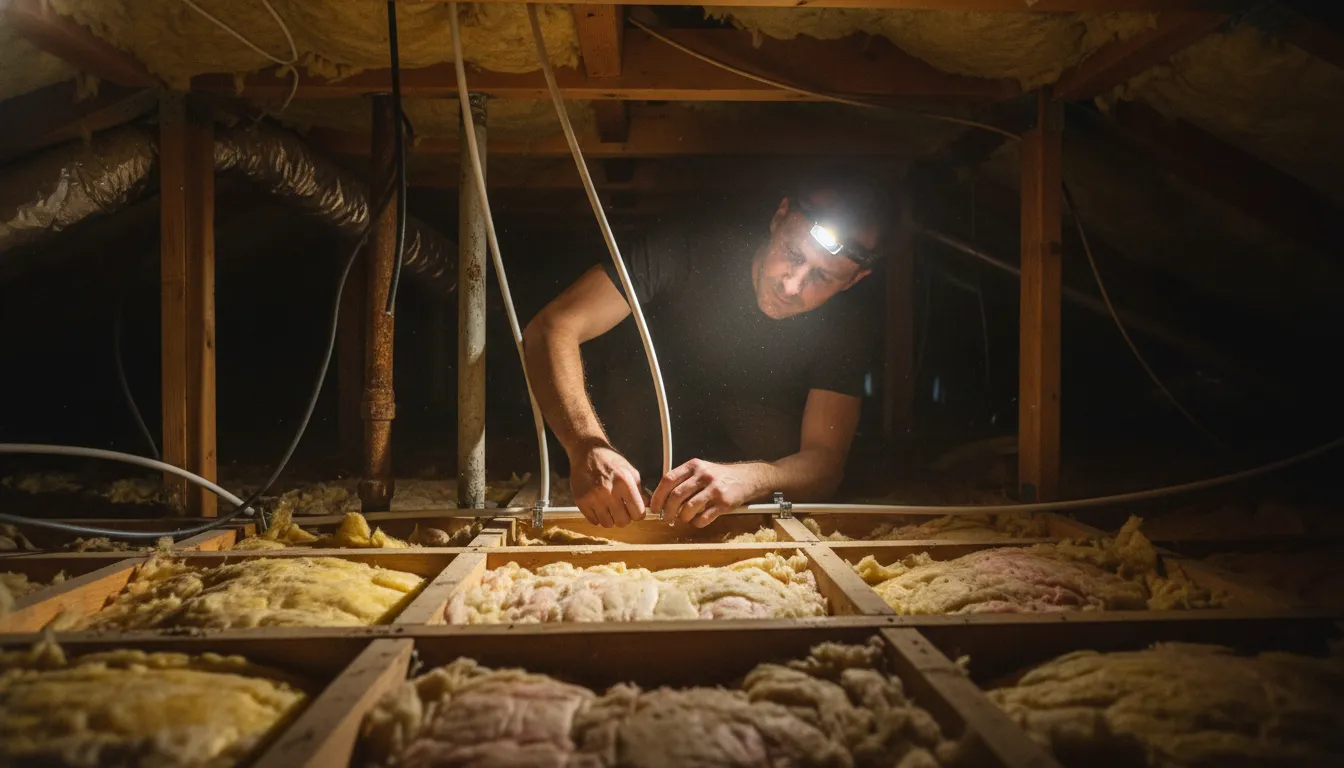
Repiping is the comprehensive process of replacing a home's entire water supply piping system. This major plumbing project is often necessary to address aging, corroded, or failing pipes that can lead to poor water quality, low pressure, and costly leaks. For homeowners in Edison, understanding the scope, materials, and process of a full-house repipe is the first step toward restoring reliable water flow and protecting your property's value. This guide provides detailed information to help you navigate finding qualified local professionals for this essential home improvement.
Above and Beyond Plumbing and Heating LLC
5 Van Winkle Rd, Pine Brook, NJ 07058
Above and Beyond Plumbing and Heating LLC is a plumbing and heating service provider based in New York, NY. They offer a wide range of services including water heater repair and installation, water softener installation, drain cleaning, sewer line repair, leak detection, repiping, gas line installation, toilet repair, and garbage disposal repair. The company is known for its 24-hour emergency plumbing services, ensuring help is available whenever needed. They also specialize in boiler installation and repair, and install water filtration and softening systems to improve water quality. With over a decade of experience, Above and Beyond Plumbing and Heating LLC serves New York and surrounding areas, providing tailored solutions to meet specific plumbing and heating needs.
Main Man Water Main & Sewer Repair
10009 Glenwood Rd, Brooklyn, NY 11234
Main Man Water Main & Sewer Repair is a licensed and insured plumbing contractor based in New York, NY, specializing in water main and sewer line repairs. Serving all five boroughs of New York City, they offer a range of services including emergency repairs, DEP notice handling, and water main maintenance. With over 40 years of experience, their team is skilled in addressing leaks, blockages, and infrastructure compliance issues. They provide 24/7 emergency services to quickly resolve urgent plumbing problems.
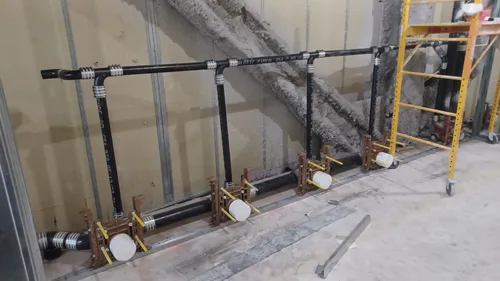
Affordable Plumbing and Leak Repair
New York, NY
Affordable Plumbing and Leak Repair provides a wide range of plumbing services in New York, NY, including water heater repair and installation, drain cleaning, leak detection, repiping, and gas line installation. They serve Staten Island and surrounding areas such as Queens, The Bronx, Brooklyn, and Jersey City. The company offers emergency plumbing services to address urgent issues like burst pipes and clogged drains. Their team is equipped to handle various plumbing needs, including dryer and washer hookups, with a focus on preventing future problems through quality repairs and installations.
A&E NYC Plumbing
40 Fulton St, New York, NY 10038
A&E NYC Plumbing offers a wide range of plumbing services in New York, NY, including water heater repair and installation, drain cleaning, sewer line repair, leak detection, and gas line installation. They also handle faucet and toilet repairs, garbage disposal maintenance, and repiping projects. The company is licensed and insured, providing both residential and commercial plumbing solutions with a focus on safety and technical expertise. Their team is experienced in managing complex plumbing systems and offers free onsite estimates for more involved jobs.
Lesco Plumbing, Heating & Cooling
Newark, NJ
Lesco Plumbing, Heating & Cooling is a plumbing and HVAC company based in Newark, NJ, serving Northern New Jersey including Morris, Essex, Passaic, and Union counties. They provide a range of services such as water heater repair and installation, drain cleaning, sewer line repair, leak detection, repiping, and gas line installation. Established in 2003, Lesco Plumbing, Heating & Cooling has over 20 years of experience in the industry. They also offer HVAC services including furnace and air conditioner repair and replacement.
Why Consider a Whole-House Repipe?
A whole-house repiping, or replumbing, project is not a minor repair. It's a significant renovation undertaken to solve systemic problems with your home's water lines. The most common catalyst is the deterioration of old piping materials like galvanized steel, which was widely used in homes built before the 1960s. Over decades, these pipes rust and corrode from the inside out, leading to a cascade of issues: restricted water flow that manifests as low pressure at your faucets, discolored (often brownish) water, and an increased risk of pinhole leaks or catastrophic pipe failure.
Beyond addressing failing old pipes, a repipe with modern materials like PEX or copper can significantly improve your home's plumbing efficiency and water quality. You'll enjoy consistent, clean water pressure throughout the house, eliminate the metallic taste associated with rusting pipes, and gain peace of mind knowing your system is built with durable, corrosion-resistant materials designed to last for decades. For many Edison homeowners, it's a proactive investment in their home's infrastructure and their family's health.
The Repiping Process: A Step-by-Step Overview
A professional repiping job is a multi-day endeavor that follows a structured sequence to minimize disruption and ensure a watertight result. Here's what you can generally expect when you hire a licensed plumber in the Edison area for this work.
1. Preparation and Assessment The process begins with a thorough inspection. A plumber will assess the existing system, identify all pipe runs, and plan the new layout. Before work starts, they will shut off the main water supply to your home. To protect your belongings and contain dust, they will move furniture and lay down drop cloths. Strategic access points are then cut into drywall or ceilings to reach the old pipes, with care taken to minimize the number and size of these openings 1.
2. Removal of Old Piping With access established, the old water lines are systematically cut and removed. This is often done in sections, starting in the basement or crawlspace and working up through walls to individual fixtures like sinks, toilets, and showers. The old galvanized or copper pipes are disconnected and taken out of the home.
3. Installation of New Pipes This is the core of the replumbing work. The new piping material-whether PEX, copper, or CPVC-is routed through the wall cavities and floor joists, following an efficient path to each fixture. A common professional practice is to install the new system alongside the old one before fully removing the original lines. This "hot tap" method allows the plumber to switch sections of the house to the new system while temporarily keeping other areas on the old lines, potentially maintaining partial water access during the project 2 3.
4. Pressure Testing and Inspection Once the new network is fully installed and connected, it is rigorously pressure-tested. The system is sealed and pressurized with air or water to a level significantly higher than normal household water pressure. This test is maintained for a set period to confirm there are no leaks at any connection or joint. Passing this test is a critical milestone before walls are closed up.
5. System Restoration and Cleanup After a successful pressure test, the new system is connected to the main water supply. All fixtures are reinstalled and checked for proper operation. Finally, the plumber will repair the drywall or ceiling openings created for access. A quality contractor will leave the work areas clean, with all debris removed from your property 4.
Modern Repiping Materials: PEX, Copper, and CPVC
Choosing the right piping material is a key decision in any repiping project. Each option has distinct properties, benefits, and cost implications. Here's a breakdown of the most common materials used by professionals in Edison today.
- PEX (Cross-linked Polyethylene): This flexible, plastic tubing has become immensely popular for residential repiping. Its flexibility allows it to be snaked through walls with fewer fittings, which reduces potential leak points and can lower installation time and cost. PEX is highly resistant to scale and chlorine corrosion, doesn't corrode like metal, and can expand, making it more resistant to freeze damage. It's typically color-coded (red for hot, blue for cold) for easy identification.
- Copper: Long considered the premium standard for water lines, copper is durable, resistant to bacteria, and can handle high heat and pressure. It has a proven lifespan of 50 years or more. However, it is more expensive than plastic options like PEX, both in material cost and labor, as it requires soldering each joint. It's also susceptible to theft from construction sites and can be affected by acidic water conditions over very long periods 5.
- CPVC (Chlorinated Polyvinyl Chloride): This rigid plastic pipe is a cost-effective option for both hot and cold water lines. It's lighter and easier to cut than copper, and joints are cemented together with solvent glue. While inexpensive and corrosion-proof, it can become brittle if exposed to ultraviolet light (so it must be kept inside walls) and may not be as impact-resistant as other materials in unconditioned spaces like garages 6.
The older materials being replaced, primarily galvanized steel and, in drain lines, cast iron, are prone to internal rust buildup and eventual failure, which is what makes a repipe necessary. Your chosen plumbing professional can recommend the best material for your Edison home based on your budget, water conditions, and the home's layout.
Find the perfect repiping contractors for your needs
Get personalized recommendations and expert advice
Project Timeline and Cost Considerations in Edison
Understanding the scope of a repipe helps set realistic expectations for duration and investment.
How Long Does a Whole-House Repipe Take? The timeline for a residential repiping project varies based on the size of the home, the complexity of the layout (e.g., multi-story vs. ranch), the chosen material, and the crew's size. For a typical single-family home in Edison, homeowners should plan for the project to take anywhere from 2 to 7 days 7. A smaller, straightforward home with a PEX system might be on the shorter end, while a larger, multi-story home with extensive custom finishes requiring careful restoration could take a full week.
What Factors Influence the Cost? The cost to replumb a house is a significant investment, with total project quotes in the Edison area typically ranging from several thousand dollars up to $15,000 or more 8 9. Key variables include:
- Home Size and Number of Fixtures: A larger home with more bathrooms, kitchens, and wet bars requires more linear feet of pipe and more labor hours.
- Pipe Material: Copper is generally the most expensive option due to material costs and skilled labor for soldering. PEX often offers a middle-ground cost, while CPVC can be the most budget-friendly plastic option 10 11.
- Labor and Accessibility: Complex layouts, finished basements, and hard-to-reach pipe chases can increase labor time. Local labor rates in the Edison region also directly affect the quote.
- Wall and Ceiling Restoration: The bid should include patching and repairing the access holes cut during the project. The extent of this work depends on how many openings were necessary.
The only way to get an accurate estimate is to obtain detailed, written quotes from several licensed and insured plumbing contractors in Edison. They should include a line-item breakdown of materials, labor, and restoration work.
Signs You May Need a Repipe
How do you know if your Edison home needs this major upgrade? Look for these common indicators of a failing plumbing system 12:
- Discolored Water: Brown, yellow, or reddish water, especially when first turning on the tap, is a classic sign of rust inside galvanized pipes.
- Low Water Pressure: Gradual buildup of corrosion and mineral deposits inside old pipes restricts flow, reducing pressure at showers and faucets.
- Frequent Leaks: If you're experiencing pinhole leaks in your pipes or at fittings with increasing regularity, it often signals widespread corrosion.
- Visible Corrosion: Check pipes in your basement, crawlspace, or under sinks. Flaking, rust-colored deposits, or visible signs of wear are clear red flags.
If you're noticing multiple of these issues, it's time to consult with a professional plumber for an assessment. They can often use a camera inspection or other methods to evaluate the condition of your pipes behind the walls.
Frequently asked questions
Sources
Footnotes
-
Understand the Cost of Repiping a House: Essential Guide - https://1dayallprorepipes.com/understand-the-cost-of-repiping-a-house-essential-guide/ ↩
-
What Is Involved With Repiping A House? - HELP Plumbing - https://333help.com/blog/what-is-involved-with-repiping-a-house/ ↩
-
Whole-House Repiping: Step-by-Step Guide - https://www.veteranplumbing.us/whole-house-repiping-step-by-step-guide/ ↩
-
Key Things You Need To Know About Repiping A House - https://www.seversonplumbing.com/blog/2017/december/key-things-you-need-to-know-about-repiping-a-hou/ ↩
-
How to Choose the Right Pipes for Your Home - Rise - https://www.buildwithrise.com/stories/pipe-options-at-home ↩
-
5 Common Types of Plumbing Pipes You'll Find in Homes | PlumbWize - https://www.plumbwize.ca/blog/types-of-plumbing-pipes/ ↩
-
What Is Repiping? A Comprehensive Guide | CPI Service - https://cpiservice.com/blog/what-is-repiping/ ↩
-
How Much to Repipe a House: A Comprehensive Cost Guide - https://www.benjaminfranklinplumbing.com/league-city/blog/2024/december/how-much-to-repipe-a-house-a-comprehensive-cost-guide/ ↩
-
How Much to Repipe a House: Understanding Costs and Factors - https://www.benjaminfranklinplumbing.com/league-city/blog/2025/march/how-much-to-repipe-a-house-understanding-costs-and-factors/ ↩
-
One Leaky Pipe Too Many? Here's the Average Cost to Replumb a ... - https://www.homelight.com/blog/cost-to-replumb-house/ ↩
-
How Much to Repipe a House? - Reliant Plumbing - https://reliantplumbing.com/plumbing/pipe-repairs/whole-house-repipe-cost/ ↩
-
How Do I Know When I Should Repipe My House? - Houston, TX - https://therepipecompany.com/faqs/how-do-i-know-if-i-need-a-home-repipe/ ↩