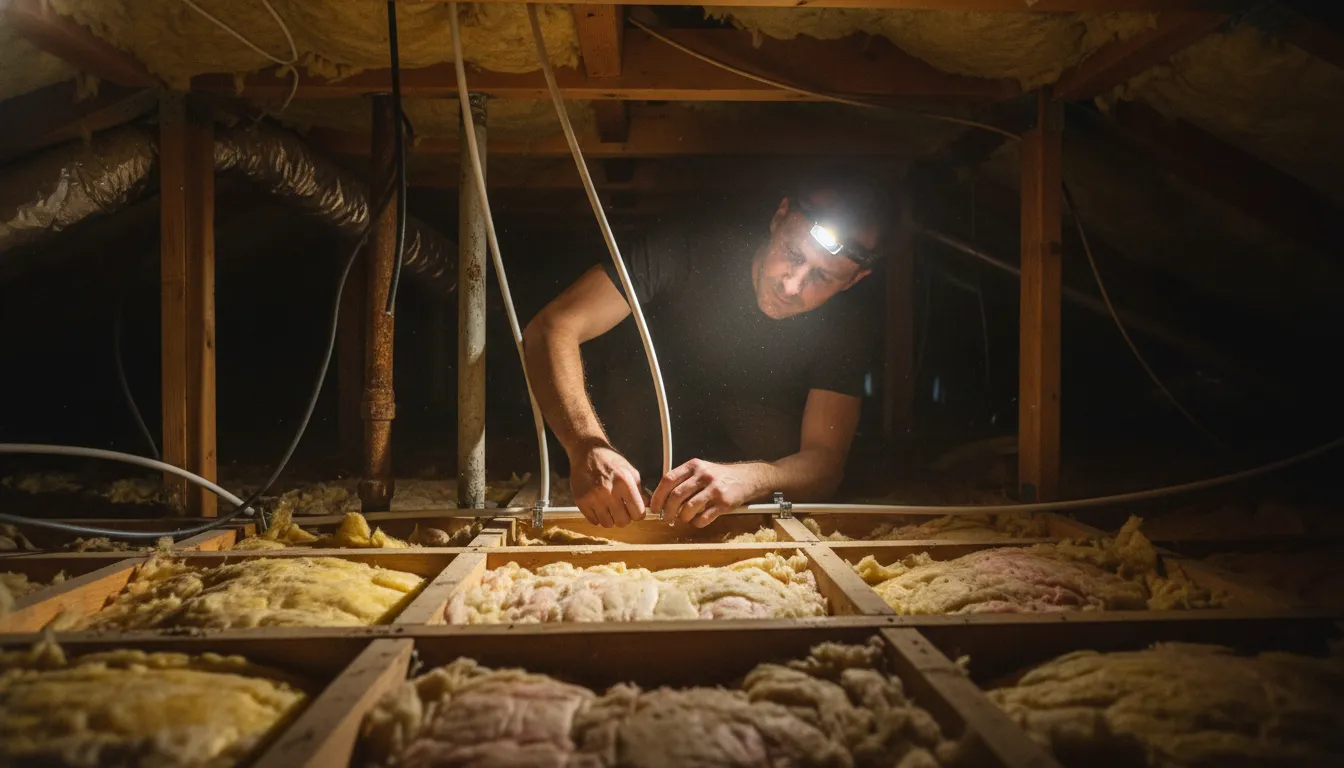
Find the Best Repiping Contractors for Your Business
No obligation • Fast responses • Nationwide coverage

Why you can trust Search a Plumber
Search a Plumber is a leading United States resource for finding and evaluating professional plumbing services. Our team researches licensing, experience, and customer feedback to create unbiased, fact-driven overviews. Companies cannot pay to change ratings or placement, ensuring homeowners get trustworthy information.
Search providers near you
Top Repiping Contractors in Camden, New Jersey Ranked
If you live in an older Camden home, you might be dealing with rusty water, low water pressure, or persistent leaks. These are classic signs that your home's plumbing system, particularly the pipes hidden inside your walls and under your floors, may be failing. Repiping is the comprehensive process of replacing a home's entire network of water supply pipes. For residents in historic neighborhoods, this isn't just a renovation-it's an essential upgrade to ensure safe, clean water and protect your property from catastrophic water damage. This guide will help you understand what a full re-pipe entails, from the materials used to the project timeline, so you can make an informed decision and connect with qualified local specialists for your home.
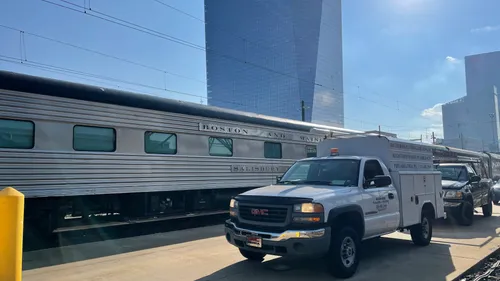
Roger Ross Plumbing & Heating, Inc
Storefront, 4260 Manayunk Ave, Philadelphia, PA 19128
Roger Ross Plumbing & Heating, Inc serves Philadelphia, PA, specializing in leak detection and repiping services. The company is experienced in handling pipe repairs and replacements, particularly in the historic buildings of Northwest Philadelphia. Their licensed team works with both residential and commercial clients to maintain proper plumbing and heating function. Roger Ross Plumbing & Heating is known for its hands-on approach and local expertise in pipe care.
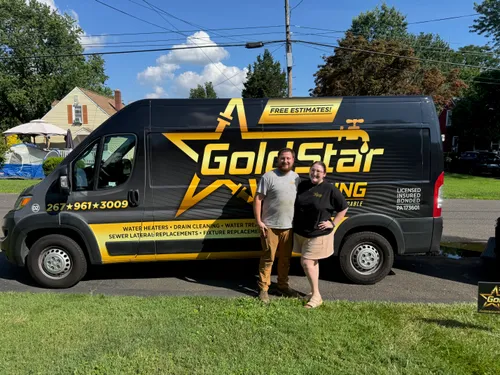
Gold Star Plumbing, LLC
Philadelphia, PA
Gold Star Plumbing, LLC is a family-owned plumbing company serving Philadelphia, PA, and the surrounding Bucks and Montgomery Counties. They provide a wide range of residential plumbing services including water heater installation and repair, drain cleaning, sewer line repair, leak detection, sump pump repair, and bathroom remodeling. The team is experienced in handling mid-century plumbing upgrades and modern fixture installations with attention to local codes and seasonal needs. With over 300 families served near York Road, Jacksonville Road, and Pennypack Creek, Gold Star Plumbing emphasizes transparent pricing, clean workmanship, and respectful scheduling to minimize disruption during projects.
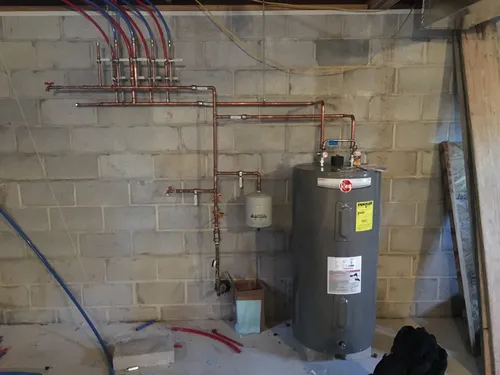
Scarpignato Plumbing & Heating, LLC
507 Hastings Ave, Wallingford, PA 19086
Scarpignato Plumbing & Heating, LLC is a family-owned plumbing and heating company serving Philadelphia, PA, and nearby Delaware County communities since 2000. They offer a wide range of services including sewer camera inspections, water heater installation and repair, drain cleaning, hydro jetting, trenchless sewer repair, leak detection, repiping, gas line installation, and general plumbing maintenance. The company uses advanced equipment such as video camera inspection tools and trenchless pipe repair technology to handle complex plumbing issues efficiently. Owner Michael Scarpignato is a licensed master plumber with over 25 years of experience, ensuring expert service and multiple repair options tailored to customer needs. Emergency plumbing services are also available for urgent situations.
Air Temp Solutions - AC Repair, Heating Repair, Water Heater Repair & Plumbing Devon PA
Philadelphia, PA
Air Temp Solutions - AC Repair, Heating Repair, Water Heater Repair & Plumbing Devon PA provides a wide range of plumbing and HVAC services in Philadelphia, PA. Their offerings include water heater installation and repair, tankless water heater services, water softener installation, sump pump repair, drain cleaning, hydro jetting, sewer line repair including trenchless methods, leak detection, repiping, gas line installation, and toilet repair. They also specialize in advanced sewer services such as video inspections and rooter services to diagnose and clear blockages efficiently. The company serves Philadelphia and nearby areas with comprehensive solutions for both routine maintenance and emergency repairs. Air Temp Solutions combines plumbing expertise with heating and cooling services, handling everything from furnace and boiler repairs to geothermal and mini-split system installations. Their team uses modern technology for leak detection and sewer inspections, and they offer trenchless sewer repairs that minimize property disruption. While the business history is not specified, their service range and technical capabilities reflect a broad skill set in residential plumbing and HVAC systems.
MVP Plumbing Repair, Water Filtration & Softeners
3703 West Chester Pike, Newtown Square, PA 19073
MVP Plumbing Repair, Water Filtration & Softeners is a plumbing company serving Philadelphia, PA, and nearby areas including Delaware, Montgomery, and Chester Counties. They provide a range of plumbing services such as water heater repair and installation, water softener installation, drain cleaning, leak detection, repiping, and toilet repair. The company also specializes in installing whole-home water filtration systems tailored to specific water quality needs. MVP Plumbing emphasizes personalized service and clear communication, offering upfront pricing and detailed explanations of plumbing issues and solutions. They have experience installing many systems in the local area and focus on delivering solutions that fit individual needs and budgets.
Why Consider a Whole-House Repipe in Camden?
Many Camden homes, especially those built before the 1970s, were originally plumbed with galvanized steel pipes. Over decades, these pipes corrode from the inside out, leading to a host of problems. You might notice reddish-brown water, a significant drop in water pressure as the pipe diameter shrinks, or leaks at the joints. Even older copper systems or, in the rarest cases, lead pipes, can present issues like pinhole leaks or health concerns. A complete pipe replacement eliminates these aging components, providing a modern, reliable system that improves water quality, pressure, and peace of mind. It's a proactive solution that can prevent emergency repairs and increase your home's value.
The Repiping Process: A Step-by-Step Overview
A whole-house repipe is a significant project, but understanding the steps can demystify the process. Reputable plumbing contractors follow a structured approach to minimize disruption and ensure a high-quality result.
1. Inspection and Planning
The project begins with a thorough assessment. A licensed plumber will inspect your current plumbing to identify the pipe materials (galvanized, copper, CPVC, etc.), map the existing layout, and locate access points 1. This is when you'll discuss and select the new piping material-common choices being PEX, copper, or CPVC. The plumber will also handle pulling the necessary permits from the City of Camden, which is a crucial step for ensuring the work meets all local building codes and will pass final inspection2.
2. Access, Demolition, and Removal
On the first day of work, the water main will be shut off. To access the old pipes, technicians will need to cut strategic access holes in drywall, often at joints or behind fixtures. The old pipes are then drained, cut into manageable sections, and removed. In some cases, if the new piping can be routed through basements, crawlspaces, or attics, wall damage can be minimized.
3. Installation of New Piping
This is the core of the re-piping job. The new pipes-whether flexible PEX tubing, rigid copper, or CPVC-are measured, cut, and secured in place. The plumber will run new lines from the main water shut-off to every fixture in your home: sinks, toilets, showers, washing machine, and water heater. Modern methods, especially with PEX, often use a "home-run" or manifold system, which can improve efficiency and make future repairs easier.
4. Pressure Testing and Inspection
Before closing up the walls, the new system is rigorously tested. The plumber will pressurize the lines with air or water and monitor the gauges to ensure there are no leaks at any connection or fitting. This is a critical quality control step. Once the system passes this test, a municipal inspector will typically visit to approve the work before walls are sealed.
5. Restoration and Final Connection
After passing inspection, the restoration phase begins. The access holes in your walls and ceilings are patched, textured, and made ready for repainting3. Finally, all fixtures are reconnected, the water is turned back on, and the plumber will flush the system and check each faucet and valve for proper operation.
Find the perfect repiping contractors for your needs
Get personalized recommendations and expert advice
Comparing Pipe Materials: PEX, Copper, and CPVC
The choice of material for your new plumbing system affects cost, longevity, and installation. Here's a breakdown of the most common options used in Camden repiping projects.
- PEX (Cross-linked Polyethylene): This flexible, plastic tubing has become the go-to choice for many whole-house repipes. Its flexibility allows it to bend around corners with fewer fittings, which reduces potential leak points and can speed up installation4. PEX is resistant to scale and chlorine, doesn't corrode, and performs well in freezing temperatures. It is generally the most cost-effective option in terms of both material and labor.
- Copper: The long-time standard for water lines, copper is durable, resistant to bacteria, and can last 50+ years. It has a proven track record and is accepted by all building codes. However, it is more expensive than plastic options, requires soldering (which needs a skilled technician), and can be susceptible to pinhole leaks in areas with acidic water5.
- CPVC (Chlorinated Polyvinyl Chloride): This rigid plastic pipe is another economical choice. It's easy to cut and assemble using solvent cement, and it's suitable for both hot and cold water lines. While inexpensive, it can become brittle if exposed to ultraviolet light and may be more prone to cracking if frozen compared to PEX.
What to Expect: Project Timeline and Cost Factors
A common question homeowners have is, "How long will I be without water?" For a typical single-family home in Camden, a whole-house repipe usually takes between 2 to 7 days6 7. The duration depends heavily on the size of your home (number of bathrooms, stories), the accessibility of the existing pipes, and the complexity of the new layout. A small, one-story home with good crawlspace access might be on the shorter end, while a larger, multi-story home with plaster walls will take longer.
Cost is the other major consideration, and it varies widely. While we provide general estimates, you must get detailed quotes from local Camden plumbers for an accurate price. Key factors influencing cost include:
- Home Size & Number of Fixtures: More bathrooms and kitchens mean more pipe runs.
- Pipe Material: Copper is typically the most expensive material, followed by PEX and then CPVC.
- Wall Accessibility: Minimal-damage techniques may cost less in restoration but require more labor for fishing pipes.
- Permits & Inspections: Local Camden fees are part of the project cost.
- Restoration Work: The cost to patch, texture, and paint drywall is often separate from the plumbing work itself.
As a frame of reference, material costs alone can range from $0.40-$2 per linear foot for PEX, $0.50-$1 for CPVC, and $2-$8 for copper8 9. Total project costs for a PEX repipe in a typical home often fall within the $4,200 to $6,000 range, but complex projects can exceed $15,0008 10.
Signs You May Need a Repipe
How do you know if your Camden home needs this major upgrade? Look for these telltale signs:
- Discolored Water: Brown, yellow, or reddish water, especially when first turned on in the morning.
- Low Water Pressure: A gradual or sudden decrease in flow from faucets and showerheads.
- Frequent Leaks: Recurring pinhole leaks or leaks at pipe joints.
- Rusty Pipe Exteriors: Visible corrosion on pipe connections in your basement or under sinks.
- Outdated Materials: Knowing your home has galvanized steel or lead pipes (common in pre-1950s construction).
If you're experiencing multiple issues from this list, a consultation with a repiping specialist is a wise next step to assess the condition of your entire system.
Frequently asked questions
Sources
Footnotes
-
Understand the Cost of Repiping a House: Essential Guide - https://1dayallprorepipes.com/understand-the-cost-of-repiping-a-house-essential-guide/ ↩
-
Everything You Need To Know About Repiping A House - https://canyonhillsplumbing.com/everything-you-need-to-know-about-repiping-a-house/ ↩
-
Whole-House Repiping: Step-by-Step Guide - https://www.veteranplumbing.us/whole-house-repiping-step-by-step-guide/ ↩
-
5 Common Types of Plumbing Pipes You'll Find in Homes | PlumbWize - https://www.plumbwize.ca/blog/types-of-plumbing-pipes/ ↩
-
What to Expect During a Whole House Repipe: Cost, Timeline ... - https://go4apes.com/what-to-expect-during-a-whole-house-repipe-cost-timeline-and-installation-process/ ↩
-
What Is Repiping? A Comprehensive Guide | CPI Service - https://cpiservice.com/blog/what-is-repiping/ ↩
-
How Much to Repipe a House: A Comprehensive Cost Guide - https://www.benjaminfranklinplumbing.com/league-city/blog/2024/december/how-much-to-repipe-a-house-a-comprehensive-cost-guide/ ↩
-
How Much Does It Cost to Repipe a House? - https://therepipecompany.com/faqs/how-much-does-it-cost-to-repipe-my-home/ ↩ ↩2
-
How Much Does It Cost to Repipe a House? | Benjamin Franklin - https://birminghambenjaminfranklin.com/how-much-does-it-cost-to-repipe-a-house/ ↩
-
How Much to Repipe a House? - Reliant Plumbing - https://reliantplumbing.com/plumbing/pipe-repairs/whole-house-repipe-cost/ ↩