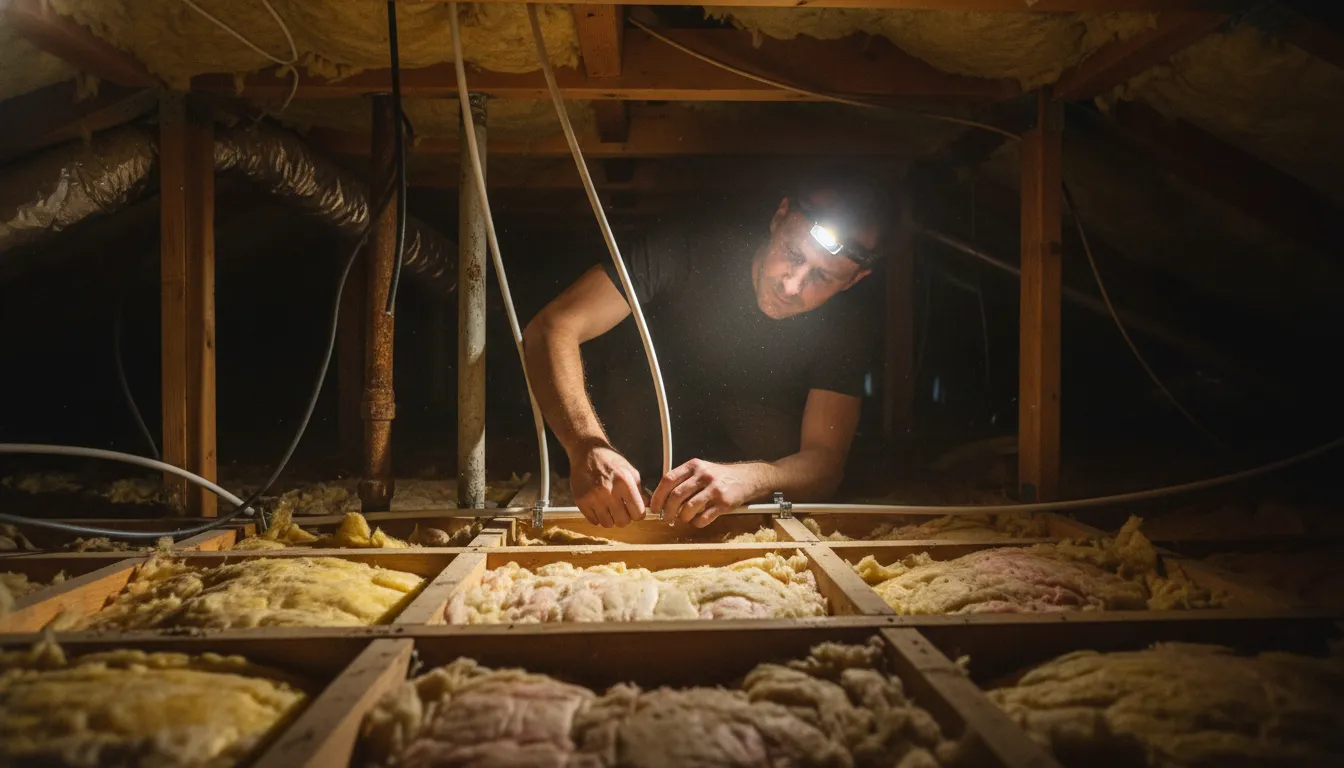
Find the Best Repiping Contractors for Your Business
No obligation • Fast responses • Nationwide coverage

Why you can trust Search a Plumber
Search a Plumber is a leading United States resource for finding and evaluating professional plumbing services. Our team researches licensing, experience, and customer feedback to create unbiased, fact-driven overviews. Companies cannot pay to change ratings or placement, ensuring homeowners get trustworthy information.
Search providers near you
Top Repiping Contractors in Bridgewater, New Jersey Ranked
If you're a homeowner in Bridgewater, dealing with persistent plumbing issues like low water pressure or discolored water, your home's aging pipe system may be the culprit. A full home repiping project replaces all the old, failing water supply lines with new, reliable piping, ensuring clean water and strong pressure for years to come. This guide will help you understand the process, costs, and key considerations for repiping in Bridgewater so you can confidently connect with qualified local professionals to assess your needs.
Above and Beyond Plumbing and Heating LLC
5 Van Winkle Rd, Pine Brook, NJ 07058
Above and Beyond Plumbing and Heating LLC is a plumbing and heating service provider based in New York, NY. They offer a wide range of services including water heater repair and installation, water softener installation, drain cleaning, sewer line repair, leak detection, repiping, gas line installation, toilet repair, and garbage disposal repair. The company is known for its 24-hour emergency plumbing services, ensuring help is available whenever needed. They also specialize in boiler installation and repair, and install water filtration and softening systems to improve water quality. With over a decade of experience, Above and Beyond Plumbing and Heating LLC serves New York and surrounding areas, providing tailored solutions to meet specific plumbing and heating needs.
Lesco Plumbing, Heating & Cooling
Newark, NJ
Lesco Plumbing, Heating & Cooling is a plumbing and HVAC company based in Newark, NJ, serving Northern New Jersey including Morris, Essex, Passaic, and Union counties. They provide a range of services such as water heater repair and installation, drain cleaning, sewer line repair, leak detection, repiping, and gas line installation. Established in 2003, Lesco Plumbing, Heating & Cooling has over 20 years of experience in the industry. They also offer HVAC services including furnace and air conditioner repair and replacement.
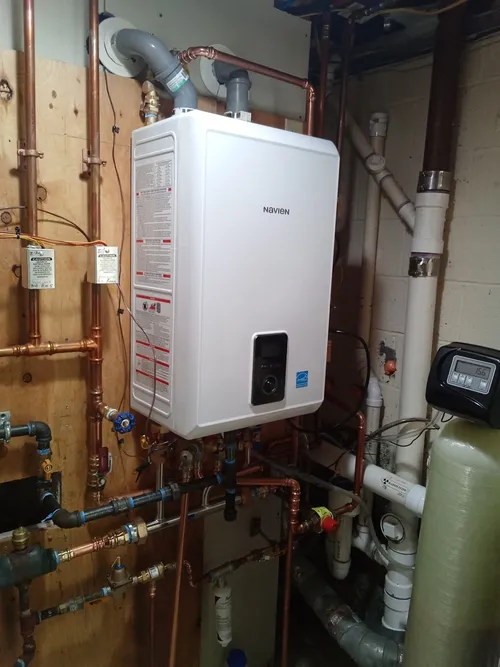
C&F Plumbing
12 Baldwin Ln Suite 12B, Mountain Lakes, NJ 07046
C&F Plumbing offers a wide range of plumbing services in New York, NY, including sewer camera inspections, water heater installation and repair, drain cleaning with hydro jetting, leak detection, repiping, gas line installation, and toilet repair. They also provide water treatment solutions such as water softener installation and handle sewage pump and boiler services. The company uses advanced tools like drain cameras to diagnose issues accurately and offers comprehensive sewer line repairs and replacements. C&F Plumbing serves both residential and commercial clients and emphasizes expert service from certified contractors. Their service area includes multiple communities in New Jersey, reflecting a broad regional presence.
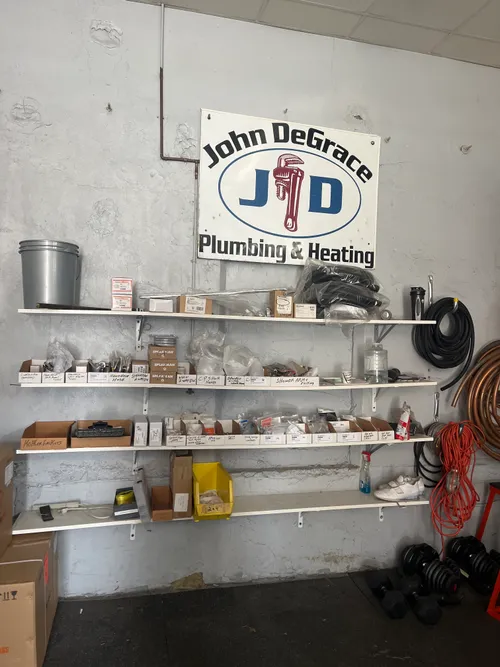
John Degrace Plumbing & Heating
267 River Rd, North Arlington, NJ 07031
John Degrace Plumbing & Heating is a family-owned plumbing and heating service provider based in New York, NY, serving northern New Jersey. With over 25 years of experience, they offer a wide range of services including sewer camera inspections, water heater repair and installation, sump pump repair, drain cleaning, hydro jetting, sewer line repair, trenchless sewer repair, leak detection, repiping, and gas line installation. The company is known for its licensed and highly trained plumbers, a large parts warehouse, and a 24/7 availability for emergency plumbing and heating needs. Their capabilities include trenchless sewer repair and comprehensive boiler services, including oil to gas conversions.
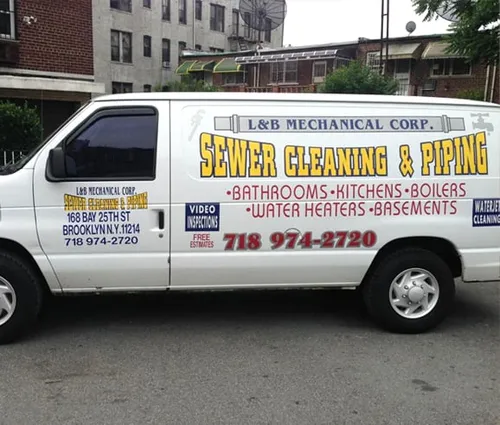
L&B Mechanical | Brooklyn NY | Water Heater Installation | Plumbing
168 Bay 25th St b3, Brooklyn, NY 11214
L&B Mechanical | Brooklyn NY | Water Heater Installation | Plumbing is a full-service plumbing, heating, and drain cleaning company serving New York, NY, including Park Slope, Bensonhurst, and Bath Beach. They provide a wide range of services such as sewer camera inspections, water heater installation and repair, sump pump repair, drain cleaning, sewer line repair, leak detection, repiping, toilet and garbage disposal repairs, and heating system maintenance. With nearly four decades of experience since 1985, the company offers 24/7 emergency plumbing services to address urgent issues like pipe bursts, leaks, and sewer backups. Their expertise includes sewer line cleaning and repairs using professional-grade equipment to handle blockages, root intrusion, and pipe corrosion effectively.
Signs You May Need a Whole-House Repipe
How do you know if your Bridgewater home needs new pipes? It's often a combination of persistent, worsening symptoms rather than a single leak. If you're experiencing recurring issues, it's a strong indicator your entire plumbing system is nearing the end of its service life.
- Discolored or Bad-Tasting Water: Rusty, brown, or yellow water, especially when you first turn on the tap, is a classic sign of corroding galvanized steel pipes. A metallic taste or unpleasant odor can also signal deteriorating pipes affecting your water quality.
- Persistently Low Water Pressure: Mineral deposits and rust buildup inside old pipes severely restrict water flow. If cleaning faucet aerators doesn't help and the low pressure affects multiple fixtures, the pipes themselves are likely the problem.
- Frequent Leaks and Pinholes: Are you constantly patching small leaks? This is often called "plumber's fatigue," where one repair is quickly followed by another leak elsewhere as the entire pipe system fails.
- Outdated Pipe Materials: Many older Bridgewater homes have galvanized steel or, in rare cases, lead supply lines. Galvanized pipes corrode from the inside out and have a lifespan of 40-70 years. Replacing these outdated materials is crucial for health, safety, and reliability.
The primary benefits of a repipe go beyond fixing leaks. You'll enjoy consistently higher water pressure, improved water clarity and taste, increased home value, and, most importantly, peace of mind knowing you've eliminated the risk of a major, disruptive pipe failure1 2.
The Repiping Process: A Step-by-Step Overview
A whole-house repipe is a significant project, but understanding the steps involved can demystify the process and help you prepare. Reputable plumbing professionals follow a systematic approach to ensure a smooth and efficient installation.
- Inspection and Planning: A licensed plumber will conduct a thorough assessment of your current plumbing system. This may involve checking water pressure, inspecting accessible pipes, and using a pipe camera to see inside walls. They will then create a detailed plan, mapping the new pipe runs and determining the best access points. This stage also includes securing any necessary permits from Bridgewater township.
- Access and Removal: On the project's start day, the water main will be shut off. To access the old plumbing network, technicians will need to cut strategic access holes in drywall or plaster, typically at joints, behind fixtures, and in basements or crawlspaces. The old galvanized or copper pipes are then carefully removed.
- Installation of New Pipes: The new piping material (most commonly PEX or copper) is run throughout the house, following the pre-determined plan. This stage involves connecting the new main line and running branches to every sink, toilet, shower, and appliance.
- Pressure Testing and Inspection: Before closing up walls, the entire new system is pressurized with air or water and meticulously checked for any leaks. This is a critical quality control step. A municipal inspector may also visit to approve the work before it's covered up.
- Restoration and Cleanup: Once the system passes inspection, the plumber or their team will patch the access holes with drywall, apply plaster, and restore walls and ceilings to a "painter-ready" condition. The work area is thoroughly cleaned of all debris and dust3.
- Final Connection and Review: All fixtures are reconnected to the new pipes, the water is turned back on, and the system is given a final operational check. A reputable professional will walk you through the work completed and answer any final questions.
Find the perfect repiping contractors for your needs
Get personalized recommendations and expert advice
Choosing Between PEX and Copper Pipes
One of the most important decisions in a repiping project is selecting the pipe material. For Bridgewater homeowners, the modern choice often comes down to PEX or copper, each with distinct advantages.
PEX (Cross-Linked Polyethylene): PEX has become the leading material for residential repiping due to its flexibility and cost-effectiveness.
- Cost & Installation: PEX is significantly less expensive than copper, both in material costs and labor. Its flexibility allows it to bend around corners with fewer fittings and joints, which means faster installation and fewer potential leak points.
- Performance: It is highly resistant to scale and chlorine corrosion, doesn't pinhole from acidic water, and can expand slightly if water freezes, reducing burst risk. The flexible tubing can often be fished through walls with minimal demolition.
- Best For: Homeowners looking for a durable, reliable, and budget-friendly solution. It's an excellent choice for most repiping projects in Bridgewater.
Copper: Copper has a long history of reliable use in plumbing and is still a premium choice.
- Durability & Longevity: Properly installed copper piping can last 50+ years and is resistant to UV light (unlike PEX). It has a proven track record and is often preferred for exposed pipe runs.
- Cost & Considerations: Copper is more expensive due to material costs and requires more labor-intensive soldering of joints. It is also rigid, which can sometimes necessitate more wall openings for installation4 5.
- Best For: Situations where sections of pipe will be exposed to sunlight, or for homeowners who prefer a traditional material with an extensive longevity record, budget permitting.
What Determines the Cost and Timeline in Bridgewater?
The total investment for a repipe varies widely based on your home's specific characteristics. Understanding these factors can help you interpret estimates from local professionals.
Key Cost Factors:
- Home Size and Number of Fixtures: A 1,500-square-foot home with two bathrooms will cost less than a 3,500-square-foot home with four bathrooms. Each sink, toilet, and shower adds labor and materials 6.
- Pipe Material: As discussed, choosing PEX over copper can result in substantial savings, often thousands of dollars, on an average-sized home 7.
- Accessibility and Layout: Homes with easy access in basements, crawlspaces, or attics are simpler to repipe. Multi-story homes, finished basements, or complex layouts with many interior walls increase labor time and potential restoration work 8.
- Local Labor Rates and Permits: Costs include professional labor, which varies, and any required permits from Bridgewater township9.
Given these variables, a typical whole-house repiping project in Bridgewater can range from $3,000 to $15,000 or more10 11 12. A PEX repipe for a standard-sized home often falls in the lower to middle part of this range.
Project Timeline: A professional crew can typically complete a repipe in 2 to 5 days. The timeline depends on similar factors:
- House Size: A small ranch home may take 2-3 days, while a large colonial could take 4-5.
- Crew Size: An experienced team of 3-4 plumbers works much faster than a single plumber.
- Complexity: The need for extensive wall access or intricate pipe routing can add time.
Remember, this timeline usually includes the plumbing work and pressure testing. Drywall patching and plastering may add additional days, which some plumbing companies handle, while others coordinate with a separate contractor.
Why Professional Expertise is Non-Negotiable
A whole-house repipe is not a DIY project. It requires precision, knowledge of local codes, and specialized tools. Hiring a licensed, insured, and experienced plumbing contractor in Bridgewater is essential.
- Code Compliance: New Jersey and Bridgewater have specific plumbing codes governing pipe materials, installation methods, and venting. A professional ensures the work passes all necessary inspections 13.
- System Reliability: Proper sizing, pressure balancing, and secure connections are critical for a leak-free system that delivers optimal performance for decades.
- Efficiency and Minimized Disruption: An expert team plans the job to be as efficient as possible, containing the work area and cleaning up thoroughly to reduce the impact on your daily life.
When meeting with professionals, ask about their experience with repiping projects similar to your home, verify their license and insurance, and request a detailed, written estimate that breaks down materials, labor, permit fees, and restoration.
Frequently asked questions
Sources
Footnotes
-
What Is Involved in Repiping a House? - https://www.crackedslab.com/blog/what-is-involved-in-repiping-a-house ↩
-
Should You Re-Pipe Your House? Considerations for Repiping - https://serviceforceplumbing.com/should-you-re-pipe-your-house/ ↩
-
Whole-House Repiping: Step-by-Step Guide - https://www.veteranplumbing.us/whole-house-repiping-step-by-step-guide/ ↩
-
House Repiping Cost 2022: How Much To Repipe Your Home? - https://www.superbrothers.com/house-repiping-cost-2022-how-much-to-repipe-your-home/ ↩
-
House Repiping Cost Breakdown - Vaquero Plumbing - https://vaqueroplumbing.com/house-repiping-cost-breakdown/ ↩
-
Repiping a House: What's Involved & How Much it Costs - https://www.rjtilley.com/blog/2022/january/repiping-a-house-what-s-involved-how-much-it-cos/ ↩
-
Replacing Old Pipes: 2026 Costs, Options, and What to Expect - https://modernize.com/plumbing/systems/water-supply/replacing-old-pipes ↩
-
How Much to Repipe a House? - Reliant Plumbing - https://reliantplumbing.com/plumbing/pipe-repairs/whole-house-repipe-cost/ ↩
-
How Long Does It Usually Take To Repipe A House? - https://sweetwaterplumbing247.com/how-long-does-it-usually-take-to-repipe-a-house/ ↩
-
What Is Repiping? A Comprehensive Guide | CPI Service - https://cpiservice.com/blog/what-is-repiping/ ↩
-
How Much Does It Cost to Repipe a House? - https://therepipecompany.com/faqs/how-much-does-it-cost-to-repipe-my-home/ ↩
-
Repipe House Cost 2023: Average Expenses & Factors - https://www.superbrothers.com/repipe-house-cost-2023-average-expenses-factors/ ↩
-
What Is Involved in Repiping a House? - https://gotoapollo.com/2024/03/06/what-is-involved-in-repiping-a-house/ ↩