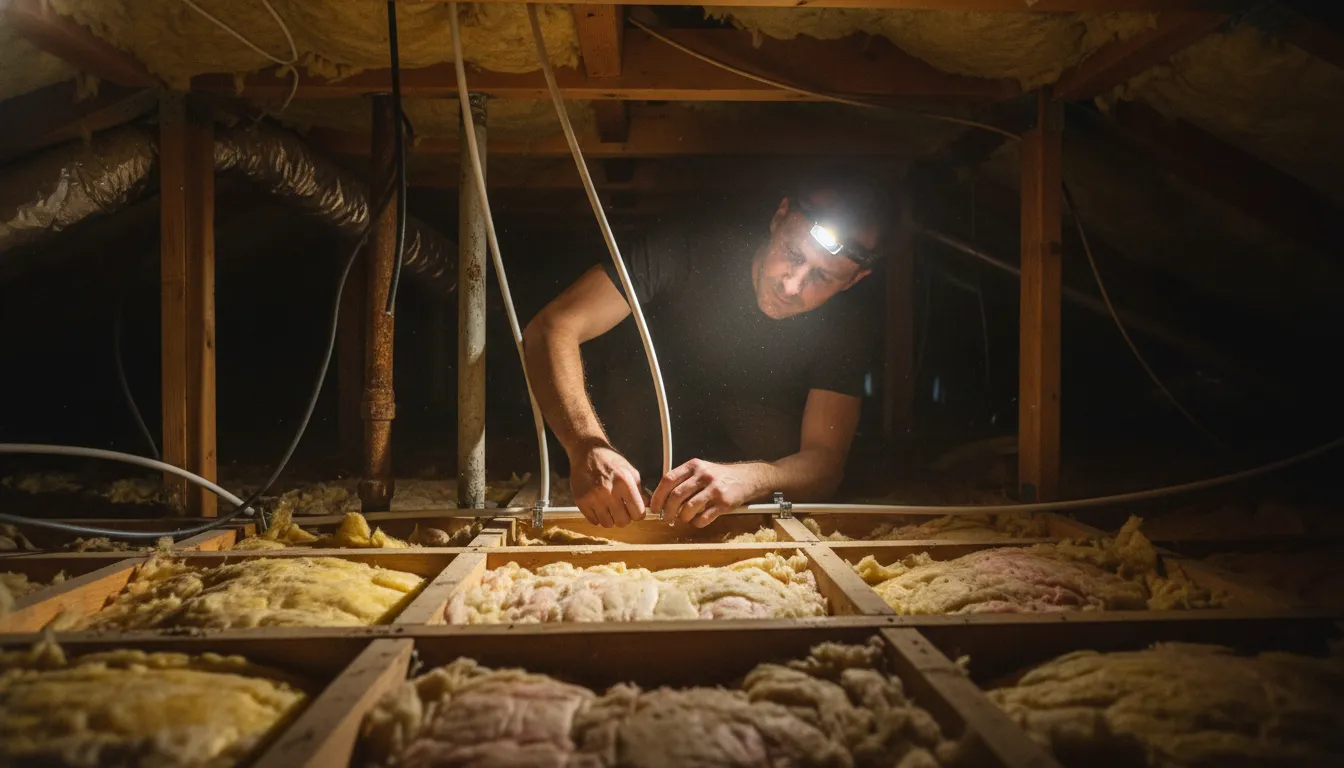
Find the Best Repiping Contractors for Your Business
No obligation • Fast responses • Nationwide coverage

Why you can trust Search a Plumber
Search a Plumber is a leading United States resource for finding and evaluating professional plumbing services. Our team researches licensing, experience, and customer feedback to create unbiased, fact-driven overviews. Companies cannot pay to change ratings or placement, ensuring homeowners get trustworthy information.
Search providers near you
Top Repiping Contractors in Bayonne, New Jersey Ranked
If you're a homeowner in Bayonne, dealing with persistent leaks, low water pressure, or discolored water, the issue may lie within your home's aging plumbing system. A full repiping project involves replacing all the water supply pipes in your house with new, modern materials, ensuring a reliable and safe water flow for decades to come. This guide will help you understand the process, materials, and considerations for a whole-house repipe, empowering you to make informed decisions when seeking local professional services.
Above and Beyond Plumbing and Heating LLC
5 Van Winkle Rd, Pine Brook, NJ 07058
Above and Beyond Plumbing and Heating LLC is a plumbing and heating service provider based in New York, NY. They offer a wide range of services including water heater repair and installation, water softener installation, drain cleaning, sewer line repair, leak detection, repiping, gas line installation, toilet repair, and garbage disposal repair. The company is known for its 24-hour emergency plumbing services, ensuring help is available whenever needed. They also specialize in boiler installation and repair, and install water filtration and softening systems to improve water quality. With over a decade of experience, Above and Beyond Plumbing and Heating LLC serves New York and surrounding areas, providing tailored solutions to meet specific plumbing and heating needs.
Main Man Water Main & Sewer Repair
10009 Glenwood Rd, Brooklyn, NY 11234
Main Man Water Main & Sewer Repair is a licensed and insured plumbing contractor based in New York, NY, specializing in water main and sewer line repairs. Serving all five boroughs of New York City, they offer a range of services including emergency repairs, DEP notice handling, and water main maintenance. With over 40 years of experience, their team is skilled in addressing leaks, blockages, and infrastructure compliance issues. They provide 24/7 emergency services to quickly resolve urgent plumbing problems.
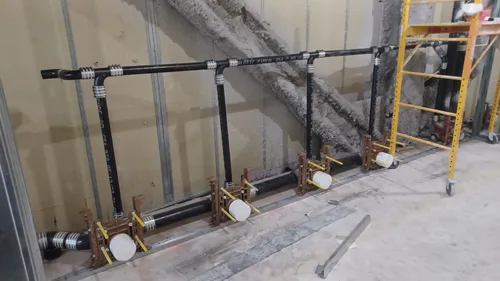
Affordable Plumbing and Leak Repair
New York, NY
Affordable Plumbing and Leak Repair provides a wide range of plumbing services in New York, NY, including water heater repair and installation, drain cleaning, leak detection, repiping, and gas line installation. They serve Staten Island and surrounding areas such as Queens, The Bronx, Brooklyn, and Jersey City. The company offers emergency plumbing services to address urgent issues like burst pipes and clogged drains. Their team is equipped to handle various plumbing needs, including dryer and washer hookups, with a focus on preventing future problems through quality repairs and installations.
A&E NYC Plumbing
40 Fulton St, New York, NY 10038
A&E NYC Plumbing offers a wide range of plumbing services in New York, NY, including water heater repair and installation, drain cleaning, sewer line repair, leak detection, and gas line installation. They also handle faucet and toilet repairs, garbage disposal maintenance, and repiping projects. The company is licensed and insured, providing both residential and commercial plumbing solutions with a focus on safety and technical expertise. Their team is experienced in managing complex plumbing systems and offers free onsite estimates for more involved jobs.
Poseidon Plumbing
795 Susquehanna Ave, Franklin Lakes, NJ 07417
Poseidon Plumbing is a full-service plumbing company based in New Jersey with branches in Franklin Lakes and Mountain Lakes. They offer a wide range of plumbing services including water heater repair and installation, water softener installation, drain cleaning, hydro jetting, repiping, gas line installation, and toilet repair. Serving Northern New Jersey, including Essex, Morris, and Bergen counties, they provide solutions for both residential repairs and new construction projects. Their capabilities include advanced hydro jetting for effective drain cleaning. Poseidon Plumbing is available 24/7 for emergency plumbing services.
What Does a Whole-House Repiping Project Involve?
A complete plumbing replacement is a significant undertaking designed to modernize your home's entire water distribution system. The goal is to remove old, failing pipes-commonly galvanized steel or aging copper in many Bayonne homes-and install new, corrosion-resistant lines that run from your main water shutoff to every fixture. This process restores proper water pressure, eliminates the risk of leaks from corroded pipes, and provides clean water to your taps.
The project is systematic and follows a clear sequence to minimize disruption and ensure a watertight result. While the specifics can vary based on your home's layout, a standard whole-house repipe includes several key stages, from initial preparation to final restoration.
The Step-by-Step Repiping Process
Understanding the workflow can help you prepare for the project and set realistic expectations with your plumbing contractor.
- Shutoff & Preparation: The process begins by shutting off the main water supply to the home. The work area is prepared, which may involve moving furniture, removing access panels, or identifying the best pathways for the new pipes.
- Old Pipe Removal: Plumbers will cut out and remove the existing water supply lines. This often involves opening sections of drywall in walls and ceilings to access pipes that are not easily reachable.
- New Pipe Installation: New piping, such as flexible PEX or traditional copper, is routed through the structural framework of your home. This stage requires precision to ensure proper support and alignment for all future fixtures.
- Fixture Reconnection: Once the main trunk and branch lines are in place, new supply lines (often flexible braided stainless steel or additional PEX) are connected to each sink, toilet, shower, and appliance 1.
- Pressure Testing: Before any walls are closed up, the entire new system is pressurized with air or water and meticulously checked for any leaks. This critical step guarantees the integrity of the installation 2.
- Restoration: After the plumbing passes inspection, the opened walls and ceilings are patched, drywalled, and textured. A final coat of paint returns the areas to their original finished state.
Choosing the Right Piping Material for Your Bayonne Home
The choice of material is one of the most important decisions in a repiping project. Each type of pipe has distinct properties, costs, and lifespans. The most common materials used in modern residential repipes in New Jersey are PEX and copper, with PVC and CPVC serving specific roles 3.
PEX (Cross-linked Polyethylene)
PEX has become the leading choice for whole-house repiping due to its flexibility and durability. Its corrosion-resistant nature makes it ideal for areas with varying water chemistry. A major advantage is its flexibility, which allows long runs with fewer fittings, reducing potential leak points and often making installation less invasive than rigid pipes.
Copper
Copper is the traditional, time-tested material for water supply lines. Known for its long lifespan and reliability with both hot and cold water, copper pipes are durable and can withstand high pressure. However, they are more expensive than PEX both in material cost and labor, as they require soldering at each joint 4 5.
PVC & CPVC (Polyvinyl Chloride)
While not typically used for whole-house supply repipes in cold climates, these plastic pipes have specific applications. PVC is commonly used for drain, waste, and vent (DWV) lines and for cold water supply outdoors. CPVC, which is similar but with thicker walls, can be used for both hot and cold indoor supply lines, though it is less common than PEX or copper for whole-house projects in our region 6 7.
Find the perfect repiping contractors for your needs
Get personalized recommendations and expert advice
What to Expect: Project Timeline and Disruption
A common concern for homeowners is how disruptive a full plumbing replacement will be. The duration of a repiping project in Bayonne can range from a few days for a small home with good access to one or two weeks for a larger, multi-story residence with finished walls and complex layouts 8.
The level of invasiveness depends largely on your home's construction. Plumbers strive to use existing chases and accessible spaces, but cutting into drywall is often necessary to remove old pipes and install new ones. Reputable contractors will work to contain dust, protect your belongings, and maintain a clean worksite. The restoration phase-patching and painting-is a standard part of the service and is crucial for returning your home to its pre-construction condition 9 10.
Understanding Repiping Costs in Bayonne
The investment for a whole-house repipe varies significantly based on several key factors. In the Bayonne area, total project costs can range from roughly $4,000 for a smaller home using PEX material to $15,000 or more for larger properties, complex layouts, or the use of copper piping 11 12.
Several elements influence the final price:
- Home Size and Layout: The square footage and number of bathrooms/kitchens directly correlate to the amount of material and labor required.
- Material Choice: As noted, PEX systems are generally less expensive than copper due to lower material costs and faster installation.
- Labor and Accessibility: If pipes are easily accessible in basements or unfinished areas, costs are lower. Opening finished walls, ceilings, and floors increases labor time for both plumbing and restoration.
- System Complexity: Multi-story homes, homes with slab foundations, or those with hard-to-reach plumbing manifolds add to the project's complexity and cost 13.
It's essential to obtain detailed, written estimates from licensed and insured local plumbers. A thorough estimate should break down material costs, labor, and restoration work, providing a clear picture of the project scope and investment.
Signs You May Need a Repipe
How do you know if your home needs a full pipe replacement rather than just spot repairs? Look for these common indicators of systemic plumbing failure:
- Frequent Leaks: Multiple leaks occurring in different areas suggest widespread pipe corrosion.
- Discolored Water: Brown or rusty water, especially after periods of non-use, is a classic sign of corroding galvanized steel pipes.
- Low Water Pressure: Mineral buildup and corrosion inside old pipes severely restrict water flow.
- Visible Corrosion: Signs of rust or green patina on pipe joints or valves. If you're experiencing several of these issues, consulting with a professional for an assessment is a prudent next step to protect your home from water damage and ensure your water quality.
Frequently asked questions
Sources
Footnotes
-
What Is Involved in Repiping a House? - Apollo HVAC & Plumbing - https://gotoapollo.com/2024/03/06/what-is-involved-in-repiping-a-house/ ↩
-
Whole-House Repiping: Step-by-Step Guide - https://www.veteranplumbing.us/whole-house-repiping-step-by-step-guide/ ↩
-
Understanding Different Types of Piping Materials for Your Home - https://kriseservices.com/understanding-different-types-of-piping-materials-for-your-home/ ↩
-
How to Choose the Right Pipes for Your Home - Rise - https://www.buildwithrise.com/stories/pipe-options-at-home ↩
-
The Evolution of Potable Water Pipes | ISCO - https://isco-pipe.com/blog/the-evolution-of-potable-water-pipes/ ↩
-
What dates where these types of pipe used? - InterNACHI®️ Forum - https://forum.nachi.org/t/what-dates-where-these-types-of-pipe-used/65588 ↩
-
5 Common Types of Plumbing Pipes You'll Find in Homes | PlumbWize - https://www.plumbwize.ca/blog/types-of-plumbing-pipes/ ↩
-
Understand the Cost of Repiping a House: Essential Guide - https://1dayallprorepipes.com/understand-the-cost-of-repiping-a-house-essential-guide/ ↩
-
How Invasive Is Repiping a House? - Drainmen Plumbing Inc - https://www.drainmenplumbing.com/how-invasive-is-repiping-a-house/ ↩
-
What to Expect When Repiping Your Home - https://guardianplumbers.com/what-to-expect-when-repiping-your-home/ ↩
-
How Much Does It Cost to Repipe a House? - https://therepipecompany.com/faqs/how-much-does-it-cost-to-repipe-my-home/ ↩
-
Repipe Specialists in Houston | Whole House Repipe Services - https://www.nicksplumbing.com/services/repipe-house-specialists-houston/ ↩
-
How Much to Repipe a House: Understanding Costs and Factors - https://www.benjaminfranklinplumbing.com/league-city/blog/2025/march/how-much-to-repipe-a-house-understanding-costs-and-factors/ ↩