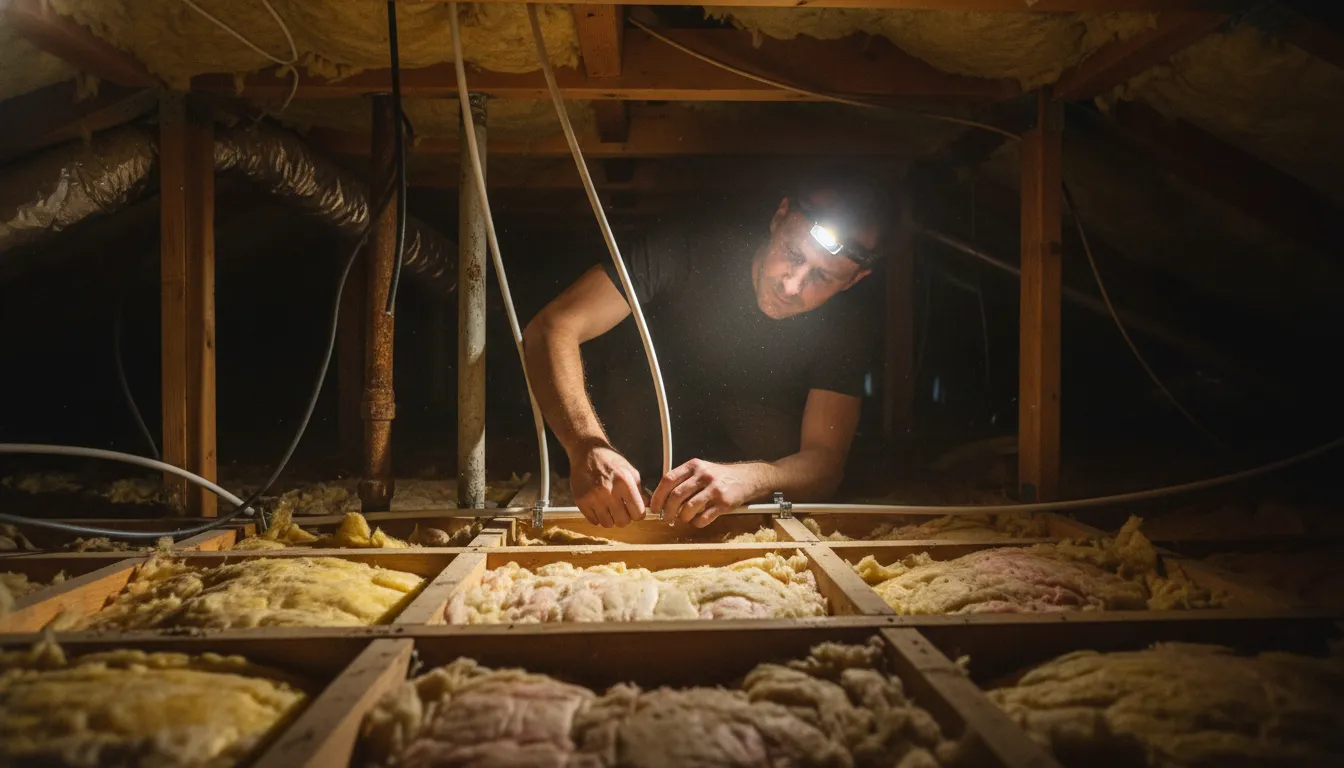
Find the Best Repiping Contractors for Your Business
No obligation • Fast responses • Nationwide coverage

Why you can trust Search a Plumber
Search a Plumber is a leading United States resource for finding and evaluating professional plumbing services. Our team researches licensing, experience, and customer feedback to create unbiased, fact-driven overviews. Companies cannot pay to change ratings or placement, ensuring homeowners get trustworthy information.
Search providers near you
Top Repiping Contractors in Greensboro, North Carolina Ranked
Repiping is the comprehensive process of replacing a home's entire network of water supply pipes. This major plumbing project is often necessary to address persistent leaks, low water pressure, or the deterioration of old, corrosive pipes like galvanized steel. For Greensboro homeowners, understanding the process, materials, and local considerations is key to ensuring a safe, reliable water system for years to come. This guide provides detailed information to help you navigate planning a repipe, from selecting materials to finding qualified local professionals for the job.
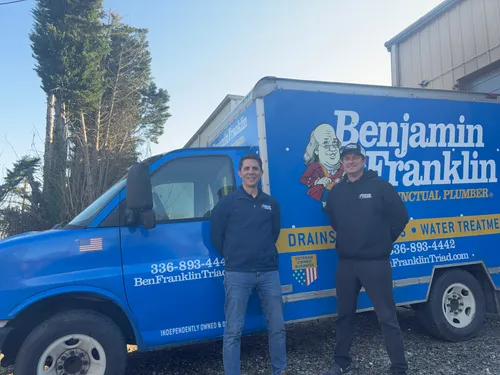
Benjamin Franklin Plumbing of the Triad
121 E Bodenhamer St, Kernersville, NC 27284
Benjamin Franklin Plumbing of the Triad provides a wide range of plumbing services in Greensboro, NC, including sewer camera inspections, water heater repair and installation, drain cleaning, leak detection, and repiping. They specialize in addressing plumbing issues common to the Triad area, such as outdated piping in historic homes and sewer line problems caused by root infiltration. The company uses modern technology for trenchless sewer repairs and advanced leak detection to minimize disruption and prevent further damage. As a locally owned and operated business, they focus on serving the community with licensed plumbers familiar with the region's unique plumbing needs.
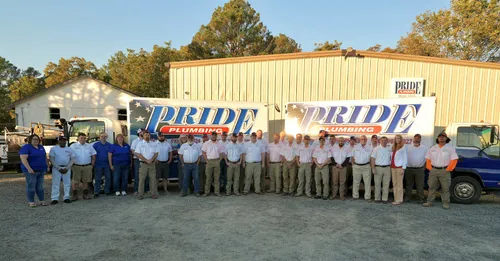
Pride Plumbing - Asheboro
1793 E Salisbury St, Asheboro, NC 27203
Pride Plumbing - Asheboro provides a range of plumbing services in Charlotte, NC, including water heater repair and installation, drain cleaning, sewer line repair, and repiping. The company has been serving the community since 1965, offering both residential and commercial plumbing solutions. They are equipped to handle emergency plumbing needs with 24/7 live help, ensuring timely response to urgent issues. Their licensed plumbers focus on completing jobs correctly the first time, with upfront pricing and clear communication throughout the service.

Owens Plumbing Company LLC
1418 Whilden Pl, Greensboro, NC 27408
Owens Plumbing Company LLC serves Greensboro, NC, providing a wide range of plumbing services for both residential and commercial clients. Their expertise includes water heater installation and repair, drain cleaning, sewer line repair, leak detection, repiping, gas line installation, and toilet repair. They handle various water heater types such as gas, electric, hybrid, and tankless models, and offer comprehensive drain cleaning services that address issues from kitchen grease to tree root blockages. Owens Plumbing Company LLC also manages water and gas line repairs and replacements, including main sewer and water lines, as well as fixture and faucet installations and repairs. They support commercial properties with plumbing maintenance and emergency services to keep businesses operational.
Roto-Rooter Plumbing & Water Cleanup
4 NE Court Square Unit E, Graham, NC 27253
Roto-Rooter Plumbing & Water Cleanup provides comprehensive plumbing services in Greensboro, NC, including sewer and drain cleaning, water heater repair and installation, leak detection, and trenchless sewer repair. They serve both residential and commercial clients, addressing issues from routine maintenance to emergency plumbing needs. The company uses advanced tools like video camera inspections and hydro jetting to diagnose and resolve problems efficiently. Roto-Rooter offers 24/7 emergency plumbing services to handle urgent situations any time of day or night.
Blaze Heating, Cooling, Electrical & Plumbing - Triad
7 Lockheed Ct, Greensboro, NC 27409
Blaze Heating, Cooling, Electrical & Plumbing - Triad is a home service provider based in Greensboro, NC, offering a wide range of HVAC, plumbing, and electrical services. Their plumbing services include sewer camera inspections, water heater repair and installation, water softener installation, drain cleaning, sewer line repair including trenchless methods, leak detection, and repiping. Founded in 1979, Blaze has over 45 years of experience serving the Triad region of North Carolina. The company provides 24/7 availability for emergency services, ensuring assistance is available day or night.
Why Greensboro Homes May Need Repiping
Many neighborhoods in Greensboro feature homes built during periods when galvanized steel or even older pipe materials were standard. Over decades, these pipes are prone to internal rust and mineral buildup, which severely restricts water flow and can lead to discolored water. Polybutylene piping, used extensively from the late 1970s to mid-1990s, is another common culprit found in the area; it becomes brittle and prone to sudden failure. If you're experiencing frequent pinhole leaks, a noticeable drop in water pressure, or rusty-tasting water, a whole-house repiping project may be the most effective long-term solution. Proactively replacing failing pipes prevents catastrophic water damage, improves water quality, and can even increase your home's value.
The Repiping Process: A Step-by-Step Overview
A full home repipe is a significant undertaking, but professional plumbers follow a systematic process to ensure efficiency and minimal disruption.
- Inspection and Planning: A licensed plumber will conduct a thorough assessment of your current plumbing system. This involves identifying the existing pipe material, mapping the layout, locating the main water shutoff, and determining the best paths for new lines. This is when material recommendations (like PEX or copper) and a detailed project plan are established.
- Preparation and Water Shutoff: Before work begins, you'll be advised on preparations, such as clearing access areas. On the project's first day, the main water supply to the house will be shut off. Plumbers will create strategic access points in walls, ceilings, or floors to reach the old piping network 1.
- Removal and Installation: The old supply lines are carefully removed. Plumbers then install the new piping system, routing it through wall cavities, basements, or crawlspaces to each fixture (sinks, toilets, showers, appliances). Modern methods often allow for "fishing" new lines with less invasive demolition.
- Pressure Testing and Inspection: Once the new pipe network is installed, it is pressurized with air or water and meticulously checked for any leaks. This critical step ensures the integrity of the entire system before walls are closed up.
- Finishing and Cleanup: After passing inspection, the new lines are connected to your home's main water line and each fixture. Plumbers then patch access holes, restore walls and ceilings, and conduct a final cleanup of the work area. A final walk-through confirms all fixtures are working correctly with strong, clear water pressure 2 3.
Choosing the Right Pipe Material
The choice of material is a major decision in any pipe replacement project, affecting cost, longevity, and performance. Here are the most common options used by Greensboro plumbing professionals:
- PEX (Cross-linked Polyethylene): This flexible, plastic tubing has become the go-to choice for most residential repiping projects. Its flexibility allows for long, continuous runs with fewer fittings, which speeds up installation and reduces potential leak points. PEX is highly resistant to scale and chlorine corrosion, won't corrode like metal, and can expand if frozen, making it less likely to burst in our climate. It is generally the most cost-effective option for supply lines 4.
- Copper: The traditional, long-standing standard for water lines. Copper is extremely durable, resistant to bacteria, and can last 50 years or more. It is often preferred for its reliability and can handle higher temperatures. However, copper is more expensive than PEX, both in material and labor, due to the need for soldering each joint. Its price can also fluctuate with the metals market 5.
- CPVC (Chlorinated Polyvinyl Chloride): A rigid plastic pipe that is glued together at fittings. CPVC is a step down from PEX in terms of freeze resistance and can become brittle over time. It is sometimes used as a cost-effective alternative, particularly in certain retrofit situations, but PEX has largely surpassed it in popularity for whole-house repiping due to its superior flexibility and performance 6 7.
Find the perfect repiping contractors for your needs
Get personalized recommendations and expert advice
What to Expect: Timeline and Living Arrangements
A whole-house repipe is not an overnight job. For a typical Greensboro home, the process usually takes between 2 to 5 days, though larger or more complex layouts can extend the timeline 8. Since your home's water will be shut off for much of the active work phase, planning for alternative living arrangements is wise. Many families choose to stay with relatives, in a hotel, or plan the project for a time when they can be away. For shorter projects, plumbers can often restore water to critical fixtures like one bathroom at the end of each workday. Discuss the daily schedule and water availability with your chosen contractor in advance.
Understanding Repiping Costs in Greensboro
The total cost for a full home repipe in Greensboro varies widely based on several key factors. The national average falls between $3,000 and $16,000+, but local rates and home specifics dictate the final price 9.
-
Primary Cost Factors:
- Home Size and Layout: The square footage and number of bathrooms/kitchens directly impact the amount of material and labor required. A simple, single-story home is less expensive to repipe than a multi-story home with complex fixture layouts.
- Pipe Material: As discussed, copper is significantly more expensive than PEX. Material choice is one of the largest variables in the total cost.
- Labor and Accessibility: If pipes are easily accessible in an unfinished basement or crawlspace, costs are lower. Cutting into and repairing finished walls and ceilings adds labor time and materials.
- Local Permits and Codes: Repiping requires permits in Greensboro, and fees are typically included in the contractor's quote.
-
Estimated Cost Ranges:
-
For a smaller home (1,000-1,500 sq ft), you might expect a range of $5,500 to $11,000, with PEX installations often on the lower end of that scale 10.
Always obtain multiple detailed, written estimates from licensed and insured local plumbers. A reputable professional will provide a breakdown of material and labor costs, not just a single bottom-line number.
Finding a Qualified Repiping Professional
Given the scale of the project, choosing the right contractor is paramount. Look for a licensed, bonded, and insured plumbing company with specific experience in whole-house repiping. Check online reviews, ask for references from past repiping clients, and verify they will pull the necessary Greensboro city permits. A trustworthy plumber will conduct a thorough pre-inspection, explain the process in detail, provide a clear contract, and stand behind their work with a strong warranty on both materials and labor 13 14.
Frequently asked questions
Sources
Footnotes
-
How Long Does It Take to Repipe a Whole House? - https://www.whiteoakplumbing.com/how-long-does-it-take-to-repipe-a-whole-house ↩
-
Piping & Repiping Services in Greensboro, NC - https://www.johnsplumbinghvac.com/services/plumbing/piping-repiping/ ↩
-
Whole-House Repiping: Step-by-Step Guide - https://www.veteranplumbing.us/whole-house-repiping-step-by-step-guide/ ↩
-
What Is Involved in Repiping a House? - Apollo HVAC & Plumbing - https://gotoapollo.com/2024/03/06/what-is-involved-in-repiping-a-house/ ↩
-
How Much to Repipe a House: A Comprehensive Cost Guide - https://www.benjaminfranklinplumbing.com/league-city/blog/2024/december/how-much-to-repipe-a-house-a-comprehensive-cost-guide/ ↩
-
Comprehensive Guide to Whole House Repiping - Absolute Airflow - https://www.absoluteairflow.com/comprehensive-guide-to-whole-house-repiping/ ↩
-
How Much Does It Cost to Repipe a House? - CPI Service - https://cpiservice.com/blog/how-much-does-repiping-cost/ ↩
-
How Much to Repipe a House: Understanding Costs and Factors - https://www.benjaminfranklinplumbing.com/league-city/blog/2025/march/how-much-to-repipe-a-house-understanding-costs-and-factors/ ↩
-
Repipe House Cost 2023: Average Expenses & Factors - https://www.superbrothers.com/repipe-house-cost-2023-average-expenses-factors/ ↩
-
What to Expect During a Whole House Repipe: Cost, Timeline ... - https://go4apes.com/what-to-expect-during-a-whole-house-repipe-cost-timeline-and-installation-process/ ↩
-
Replacing Old Pipes: 2026 Costs, Options, and What to Expect - https://modernize.com/plumbing/systems/water-supply/replacing-old-pipes ↩
-
How Much to Repipe a House? - Reliant Plumbing - https://reliantplumbing.com/plumbing/pipe-repairs/whole-house-repipe-cost/ ↩
-
Greensboro Repiping - The Plumbing & Air Service Co. - https://www.plumbingserviceco.com/greensboro-nc/greensboro-plumbing-services/repiping/ ↩
-
Repiping Your Piedmont Triad Home - Plumbing Experts, Repair - https://suttonbros.com/plumbing-services/repiping/ ↩