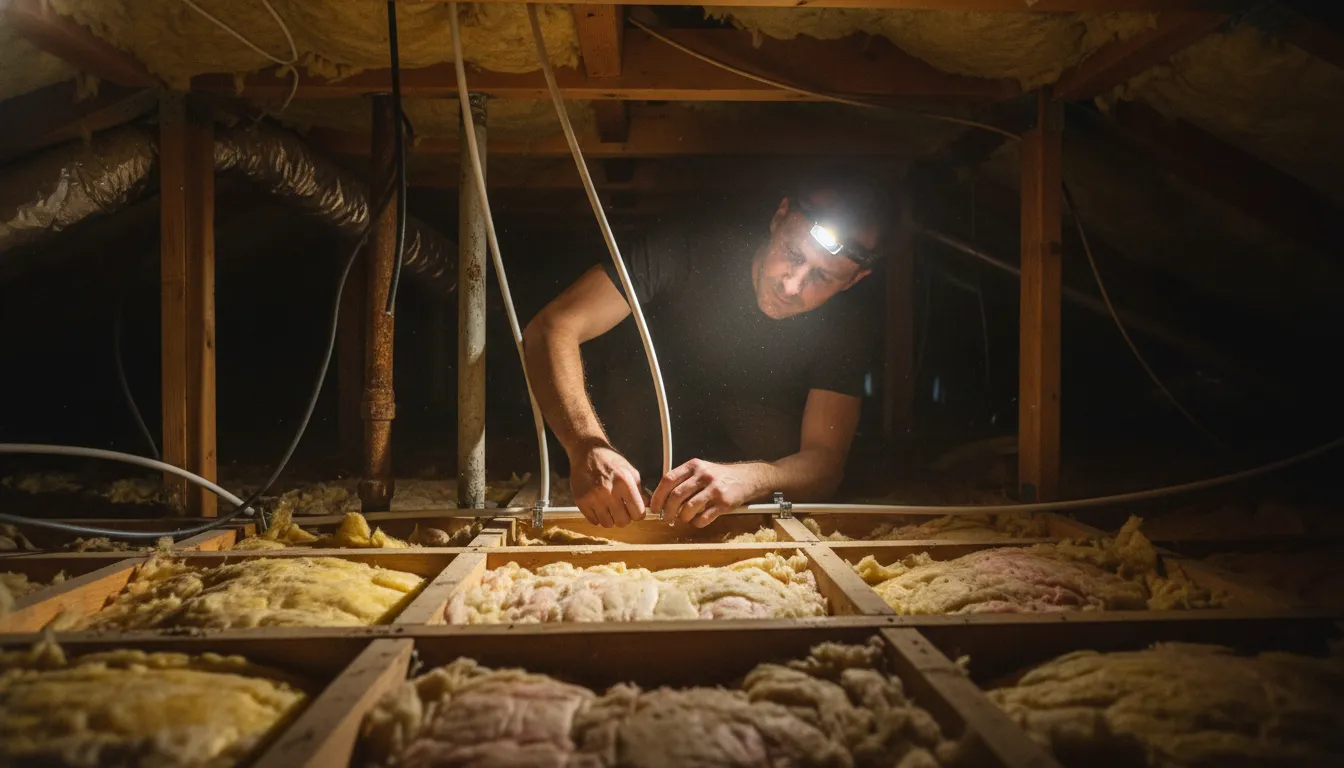
Find the Best Repiping Contractors for Your Business
No obligation • Fast responses • Nationwide coverage

Why you can trust Search a Plumber
Search a Plumber is a leading United States resource for finding and evaluating professional plumbing services. Our team researches licensing, experience, and customer feedback to create unbiased, fact-driven overviews. Companies cannot pay to change ratings or placement, ensuring homeowners get trustworthy information.
Search providers near you
Top Repiping Contractors in Chapel Hill, North Carolina Ranked
A whole-house repiping project is a significant investment in your home's long-term health and reliability. It involves replacing all the aging or failing water supply pipes within your walls and floors with new, modern materials. This process is crucial for preventing leaks, improving water pressure, and ensuring clean water delivery throughout your Chapel Hill home. The following guide provides detailed information on the process, materials, costs, and timeline to help you understand what a full plumbing replacement entails and how to connect with qualified local professionals for your project.
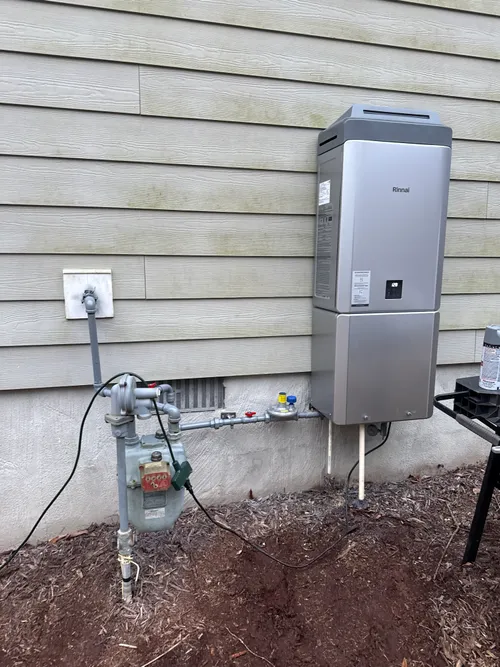
Thor's Plumbing Solutions
1223 Byrdsville Rd, Hillsborough, NC 27278
Thor's Plumbing Solutions is a locally and family-owned plumbing company serving Durham, NC, and nearby areas. With over 20 years of experience, they offer a wide range of plumbing services including sewer camera inspections, water heater repairs and installations, drain cleaning, leak detection, repiping, and gas line installations. The company uses advanced diagnostic tools to identify issues such as sewer line problems and provides tailored solutions for both residential and commercial properties. They also provide 24/7 emergency services to address plumbing needs at any time.
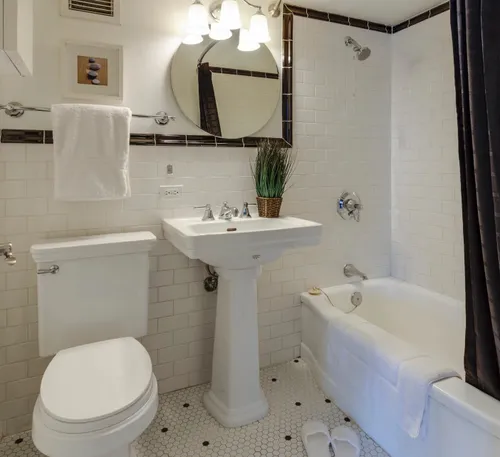
Arcane Plumbing Solutions, LLC
Raleigh, NC
Arcane Plumbing Solutions, LLC is a plumbing contractor based in Apex, NC, serving the greater Raleigh area. With 30 years of experience, they offer a wide range of residential plumbing services including water heater repair and installation, tankless water heater services, repiping, leak detection, drain cleaning, gas line installation, and sewer camera inspections. Their certified technicians provide expert repairs and installations, specializing in Rinnai tankless water heaters and whole-home repiping to ensure durable plumbing systems. They also offer emergency services every weekend to address urgent plumbing needs promptly.

Harmon Plumbing
1408 Old Oxford Rd B, Durham, NC 27704
Harmon Plumbing is a family-owned plumbing company serving Durham, NC, and the greater Research Triangle area. Established in 1989, they offer a wide range of plumbing services including drain cleaning with camera inspections and hydro jetting, water heater installation and repair for traditional and tankless models, sewer line repair, leak detection, repiping, and gas line installation. They use modern technology to diagnose and resolve plumbing issues efficiently and provide 24/7 emergency services for gas leaks. With over 35 years of experience, Harmon Plumbing combines local knowledge with advanced solutions to meet residential and commercial plumbing needs.
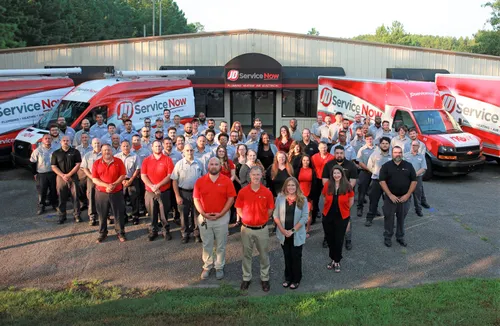
JD Service Now
4416 Bennett Memorial Rd STE 108, Durham, NC 27705
JD Service Now provides a range of home services in Durham, NC, including plumbing, heating, cooling, and electrical work. Their plumbing services cover water heater repair and installation, drain cleaning, hydro jetting, sewer line repair, trenchless sewer repair, leak detection, and repiping. The company is equipped to handle drain and sewer jobs of any size and offers trenchless pipe lining as a minimally invasive option. JD Service Now is known for its focus on integrity and customer service, serving the Durham area with a commitment to honest solutions and respect for customers' homes.
Streamline Services Plumbing, HVAC & Electrical
104 S Miami Blvd, Durham, NC 27703
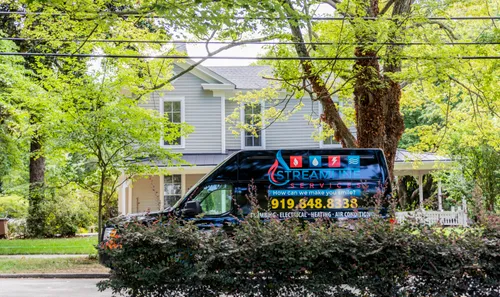
Streamline Services Plumbing, HVAC & Electrical is a veteran-owned, fourth-generation plumbing company serving Raleigh, NC, and nearby communities including Durham, Chapel Hill, Cary, and Hillsborough. They offer a wide range of plumbing services such as water heater repair and installation, water softener and filtration system services, sump pump repair, leak detection, repiping, gas line installation, and fixture repairs. Their licensed plumbers handle both traditional and tankless water heaters and provide same-day service to address urgent plumbing needs. With deep family roots and a focus on integrity, Streamline Services combines experience with professional care to support residential plumbing systems across the region.
Understanding the Need for a Full Plumbing Replacement
Homeowners in Chapel Hill may consider a complete pipe replacement for several reasons. Older homes in the area often contain galvanized steel or polybutylene pipes, which are prone to corrosion, scaling, and eventual failure. Signs you might need this service include persistent low water pressure, discolored water, frequent leaks, or evidence of pipe corrosion. Undertaking a whole-house re-pipe addresses these systemic issues at their source, providing a durable solution that can last for decades with modern materials. It's a proactive measure to protect your property from water damage and ensure a consistent, safe water supply.
The Step-by-Step Repiping Process
A professional plumbing replacement is a multi-stage project that requires careful planning and execution. Here's a breakdown of what you can expect from start to finish.
1. Inspection and Planning
The process begins with a thorough assessment by a licensed plumber. They will evaluate your current system, identify the existing pipe materials, and map out the home's layout. This stage is essential for creating an efficient plan for the new piping system and determining what permits are required from local Chapel Hill authorities. A detailed plan helps minimize disruption and ensures the project meets all building codes.
2. Access and Removal
Once a plan is in place, the water supply to the home is shut off. To access the old plumbing lines, strategic openings are made in walls, ceilings, or floors. The old pipes are then carefully removed and disposed of 1. This phase is often the most invasive part of the project, but a skilled crew works to limit the areas affected.
3. New Pipe Installation
New pipes, typically PEX or copper, are run through the home's framing to supply all fixtures-sinks, toilets, showers, and appliances. Plumbers must navigate around obstacles like electrical wiring and structural elements, connecting the new system to the main water line and each fixture valve. Precision during installation is key to optimal performance.
4. Testing and Finishing
Before closing up the walls, the new system undergoes rigorous pressure testing to check for any leaks 2 3. Water flow is checked at every fixture to ensure proper pressure. Once the system is certified leak-free, the access points are patched with drywall, and the work area is cleaned up, leaving your home fully functional.
Comparing Pipe Materials: PEX vs. Copper
The choice of material is a major decision in any pipe replacement project, impacting cost, longevity, and installation. Here are the two most common options used in Chapel Hill.
- PEX (Cross-linked Polyethylene): This flexible, plastic tubing has become the go-to choice for many modern re-pipes. It's highly resistant to corrosion and scale buildup, can expand in freezing temperatures (reducing burst risk), and is generally more affordable and faster to install than copper due to its flexibility and fewer required fittings 4. For most homeowners, PEX offers an excellent balance of cost, durability, and performance.
- Copper: The traditional choice, copper piping is known for its exceptional longevity and durability. It can last 50 years or more and is resistant to UV light and bacteria. However, copper is significantly more expensive both in material cost and installation labor, as it requires soldering each joint 5 6. It remains a premium option for those prioritizing maximum lifespan.
- CPVC: Another plastic option, CPVC is rigid and requires glue at each joint. While less expensive than copper, it is also less flexible than PEX and can become brittle over time 7.
Find the perfect repiping contractors for your needs
Get personalized recommendations and expert advice
Project Timeline: How Long Does a Whole-House Repipe Take?
The duration of a full plumbing system replacement varies based on your home's size, complexity, and the chosen material. For a typical Chapel Hill home, you should plan for the project to take between 2 to 5 days 8. Smaller, single-story homes with simple layouts may be on the shorter end of this range. Larger homes, multi-story residences, or those with complex designs and numerous fixtures can extend the timeline to a week or more 9. Using PEX can often shorten the installation time compared to copper. Your chosen professional will provide a more precise estimate after the initial inspection.
Cost Considerations for Chapel Hill Homeowners
The cost to replumb a house is influenced by several key factors. It's important to view this as an investment in your property's infrastructure.
- Home Size and Layout: This is the primary cost driver. A 1,000-1,500 square foot home may range from $5,000 to $11,000, while larger homes can easily reach $15,000 to $17,500 or more 10 11. The number of bathrooms and fixtures directly impacts the amount of material and labor required.
- Pipe Material: As discussed, material choice has a significant upfront cost difference. A PEX system is generally more cost-effective than a copper system 12.
- Labor and Local Factors: Labor rates in the Chapel Hill and greater Triangle area will influence the final price. The complexity of the job-such as needing to pipe through finished ceilings or concrete slabs-also adds to labor time and cost 13 14.
- Additional Costs: Remember to budget for ancillary expenses like permit fees, drywall repair, and repainting after the plumbing work is complete. A reputable provider will outline these potential costs upfront.
Why Professional Expertise is Non-Negotiable
A whole-house re-pipe is not a DIY project. It requires a licensed plumber with specific experience in full-system replacements. Professionals ensure the work complies with Chapel Hill's plumbing codes, which govern pipe sizing, material standards, and installation methods for safety and performance 15. They also carry necessary insurance to protect your home. Proper installation is critical to preventing future leaks, maintaining good water pressure, and securing the longevity of your investment. Always verify licenses and insurance before hiring a contractor for this major home improvement.
Frequently asked questions
Sources
Footnotes
-
Residential Repiping: The Ultimate Guide - Super Brothers - https://www.superbrothers.com/residential-repiping-the-ultimate-guide/ ↩
-
Whole-House Repiping: Step-by-Step Guide - https://www.veteranplumbing.us/whole-house-repiping-step-by-step-guide/ ↩
-
How Much to Repipe a House? - Reliant Plumbing - https://reliantplumbing.com/plumbing/pipe-repairs/whole-house-repipe-cost/ ↩
-
What Is Involved in Repiping a House? - Allied Foundation - https://www.crackedslab.com/blog/what-is-involved-in-repiping-a-house/ ↩
-
How Much Does It Cost to Repipe a House? | Benjamin Franklin - https://birminghambenjaminfranklin.com/how-much-does-it-cost-to-repipe-a-house/ ↩
-
Comprehensive Guide to Whole House Repiping - Absolute Airflow - https://www.absoluteairflow.com/comprehensive-guide-to-whole-house-repiping/ ↩
-
How Much to Repipe a House? - https://reliantplumbing.com/plumbing/pipe-repairs/whole-house-repipe-cost/ ↩
-
How Much to Repipe a House: Understanding Costs and Factors - https://www.benjaminfranklinplumbing.com/league-city/blog/2025/march/how-much-to-repipe-a-house-understanding-costs-and-factors/ ↩
-
Learn How Long It Takes to Repipe a Home | Cozy Services - https://www.cozyhvac.net/learn-how-long-it-takes-to-repipe-a-home/ ↩
-
What to Expect During a Whole House Repipe: Cost, Timeline ... - https://go4apes.com/what-to-expect-during-a-whole-house-repipe-cost-timeline-and-installation-process/ ↩
-
Price to Repipe a House in Raleigh-Durham: What to Expect - https://raleigh.repipe.com/financing/cost-to-replace-plumbing-in-raleigh-durham-what-to-expect ↩
-
Chapel Hill Plumbing Service Costs & Prices - ProMatcher Cost Report - https://plumbers.promatcher.com/cost/chapel-hill-nc-plumbers-costs-prices.aspx ↩
-
How Much to Repipe a House: A Comprehensive Cost Guide - https://www.benjaminfranklinplumbing.com/league-city/blog/2024/december/how-much-to-repipe-a-house-a-comprehensive-cost-guide/ ↩
-
Replacing Old Pipes: 2026 Costs, Options, and What to Expect - https://modernize.com/plumbing/systems/water-supply/replacing-old-pipes ↩
-
Piping and Repiping Services in Charlottesville, VA - https://albemarleheating.net/plumbing/piping-and-repiping/ ↩