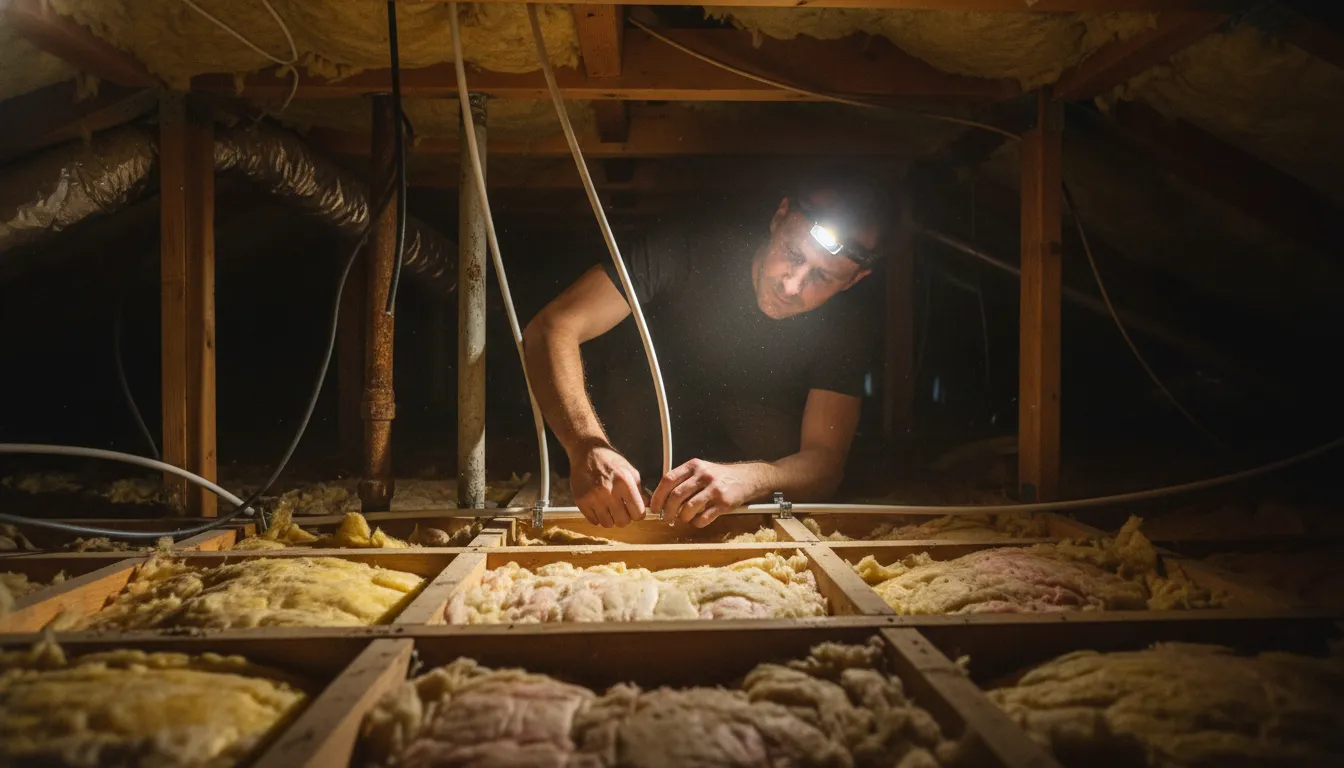
Find the Best Repiping Contractors for Your Business
No obligation • Fast responses • Nationwide coverage

Why you can trust Search a Plumber
Search a Plumber is a leading United States resource for finding and evaluating professional plumbing services. Our team researches licensing, experience, and customer feedback to create unbiased, fact-driven overviews. Companies cannot pay to change ratings or placement, ensuring homeowners get trustworthy information.
Search providers near you
Top Repiping Contractors in Cary, North Carolina Ranked
If you're a homeowner in Cary, dealing with frequent leaks, low water pressure, or concerns about aging pipes, a whole-house repipe could be the definitive solution. This major plumbing project involves replacing your home's entire network of supply and drain lines with modern, reliable materials. It's a significant investment in your property's safety, efficiency, and long-term value. For Cary residents, understanding the local process, costs, and material options is the first step toward finding a qualified professional to assess your specific needs and execute the project smoothly.
Thor's Plumbing Solutions
1223 Byrdsville Rd, Hillsborough, NC 27278
Thor's Plumbing Solutions is a locally and family-owned plumbing company serving Durham, NC, and nearby areas. With over 20 years of experience, they offer a wide range of plumbing services including sewer camera inspections, water heater repairs and installations, drain cleaning, leak detection, repiping, and gas line installations. The company uses advanced diagnostic tools to identify issues such as sewer line problems and provides tailored solutions for both residential and commercial properties. They also provide 24/7 emergency services to address plumbing needs at any time.
Arcane Plumbing Solutions, LLC
Raleigh, NC
Arcane Plumbing Solutions, LLC is a plumbing contractor based in Apex, NC, serving the greater Raleigh area. With 30 years of experience, they offer a wide range of residential plumbing services including water heater repair and installation, tankless water heater services, repiping, leak detection, drain cleaning, gas line installation, and sewer camera inspections. Their certified technicians provide expert repairs and installations, specializing in Rinnai tankless water heaters and whole-home repiping to ensure durable plumbing systems. They also offer emergency services every weekend to address urgent plumbing needs promptly.

Harmon Plumbing
1408 Old Oxford Rd B, Durham, NC 27704
Harmon Plumbing is a family-owned plumbing company serving Durham, NC, and the greater Research Triangle area. Established in 1989, they offer a wide range of plumbing services including drain cleaning with camera inspections and hydro jetting, water heater installation and repair for traditional and tankless models, sewer line repair, leak detection, repiping, and gas line installation. They use modern technology to diagnose and resolve plumbing issues efficiently and provide 24/7 emergency services for gas leaks. With over 35 years of experience, Harmon Plumbing combines local knowledge with advanced solutions to meet residential and commercial plumbing needs.
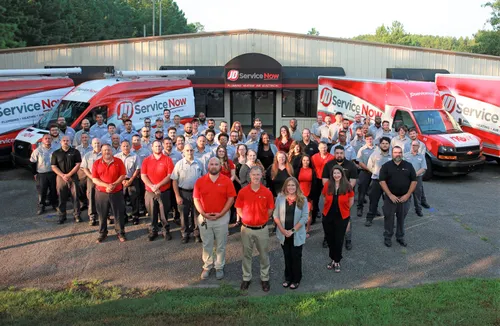
JD Service Now
4416 Bennett Memorial Rd STE 108, Durham, NC 27705
JD Service Now provides a range of home services in Durham, NC, including plumbing, heating, cooling, and electrical work. Their plumbing services cover water heater repair and installation, drain cleaning, hydro jetting, sewer line repair, trenchless sewer repair, leak detection, and repiping. The company is equipped to handle drain and sewer jobs of any size and offers trenchless pipe lining as a minimally invasive option. JD Service Now is known for its focus on integrity and customer service, serving the Durham area with a commitment to honest solutions and respect for customers' homes.
Streamline Services Plumbing, HVAC & Electrical
104 S Miami Blvd, Durham, NC 27703
Streamline Services Plumbing, HVAC & Electrical is a veteran-owned, fourth-generation plumbing company serving Raleigh, NC, and nearby communities including Durham, Chapel Hill, Cary, and Hillsborough. They offer a wide range of plumbing services such as water heater repair and installation, water softener and filtration system services, sump pump repair, leak detection, repiping, gas line installation, and fixture repairs. Their licensed plumbers handle both traditional and tankless water heaters and provide same-day service to address urgent plumbing needs. With deep family roots and a focus on integrity, Streamline Services combines experience with professional care to support residential plumbing systems across the region.
Why Consider a Whole-House Repipe in Cary?
Older homes in Cary, like many across North Carolina, may have plumbing systems that are reaching the end of their service life. Common problematic materials include galvanized steel, which corrodes from the inside out, restricting water flow, and polybutylene (PB) pipes, which were used from the late 1970s to mid-1990s and are prone to becoming brittle and failing 1. Signs you might need a pipe replacement project include persistent pinhole leaks, discolored water, a noticeable drop in water pressure, or the sound of water running when no fixtures are in use. Proactively replacing your plumbing system prevents catastrophic failures, minimizes water damage risk, and can even improve your home's water quality and pressure.
The Repiping Process: What to Expect
A full home repipe is a structured project typically managed by experienced plumbing contractors. Knowing the steps can help you prepare your home and family for the work.
1. Inspection and Planning The process begins with a thorough assessment. A licensed plumber will evaluate your current system, identify the existing pipe materials, locate the main water shut-off, and map out the most efficient routes for the new lines. This is when they will discuss your options for new piping materials and provide a detailed estimate 2.
2. Gaining Access and Removal Since pipes are hidden inside walls, under floors, and above ceilings, the plumber will need to create strategic access points. This involves cutting into drywall or plaster, which may require moving furniture, wall art, and other belongings. Once access is established, the water is shut off, and the old pipes are carefully removed.
3. Installation of New Piping This is the core of the project. The new pipes-whether PEX, copper, or CPVC-are run throughout the home to every fixture (sinks, toilets, showers, appliances). The plumber will install new supply lines for hot and cold water and ensure all drain, waste, and vent (DWV) lines are up to current building codes 3 4.
4. Connection, Pressure Testing, and Inspection After the new network is installed, it's connected to the main water line and each fixture. Before any walls are closed up, the system undergoes a rigorous pressure test to check for leaks. A final flow test ensures all fixtures have adequate pressure 5. In Cary, a final inspection by a local building official is often required to close out the permit.
5. Finishing and Cleanup Once the system passes all tests, the water is switched to the new pipes. The plumbing team will then patch the drywall openings, leaving them ready for a professional painter or your own finishing touches. A reputable contractor will leave your home clean and free of debris 6.
Choosing the Right Piping Material
The choice of material is a critical decision that affects cost, longevity, and performance. Here are the most common options for a residential repipe in Cary:
- PEX (Cross-linked Polyethylene): This flexible, plastic tubing has become the most popular choice for modern repiping projects. It's corrosion-resistant, can withstand freezing temperatures better than rigid pipes (though not immune to bursting), and is generally more budget-friendly than copper. Its flexibility allows for longer runs with fewer fittings, which can reduce potential leak points and speed up installation.
- Copper: The traditional gold standard for water lines, copper is extremely durable, has a long lifespan, and naturally resists bacterial growth. Its main drawbacks are higher material cost and susceptibility to freezing if not properly insulated. It also requires soldering, which involves more labor.
- CPVC (Chlorinated Polyvinyl Chloride): A rigid plastic pipe that is cost-effective and suitable for hot and cold water supply. It is easier to work with than copper but is considered less durable over the very long term and has specific temperature limits 7 8.
Most plumbing professionals in Cary will recommend PEX for its balance of cost, performance, and ease of installation, but copper remains a excellent choice for those prioritizing maximum longevity.
Timeline for a Repiping Project
Homeowners naturally want to know how long they will be without normal water access. For a typical single-family home in Cary, you can expect the active plumbing work to take between 3 to 5 days 9 10. Larger homes, those with complex layouts, or projects with extensive custom work can extend the timeline to a week or more 11. The timeline includes the initial tear-out, installation, testing, and basic drywall patching. Remember that final painting and texturing of the patched areas are typically not included in the plumber's scope and will add to the overall project duration.
Understanding the Cost of Repiping in Cary
The cost to replumb a house is highly variable. For Cary homeowners, the total investment generally falls within a range of $4,000 to $15,000 or more 12 13 14. Several key factors influence the final price:
- Home Size and Layout: The square footage and number of bathrooms/kitchens directly correlate to the amount of material and labor required. Multi-story homes are more complex and costly than single-story ranches.
- Material Choice: As discussed, PEX systems are typically less expensive than copper due to both material and labor savings 15.
- Labor and Accessibility: The ease of access to existing pipes plays a huge role. Homes with open basements or crawlspaces are simpler than those with pipes embedded in concrete slabs.
- Local Permits and Inspections: Permit fees in Wake County are a necessary part of the project cost.
- Contractor Expertise: Highly established, licensed, and insured plumbing companies may charge more for their guaranteed expertise and quality workmanship.
Find the perfect repiping contractors for your needs
Get personalized recommendations and expert advice
Preparing Your Home for a Repipe
A little preparation can make the process much smoother for both you and the plumbing crew.
- Clear the Work Areas: Move furniture, rugs, and personal items away from walls where pipes are located, especially in bathrooms, kitchens, and utility rooms.
- Plan for Water Outages: You will be without water for periods during the project. Fill containers with water for drinking and cooking, and plan for alternative bathroom arrangements if necessary.
- Discuss Logistics: Talk with your contractor about work hours, where equipment will be stored, and how they will manage dust and debris.
- Arrange for Finishing Work: Line up a painter or drywall finisher for after the plumbing work is complete and inspected.
Investing in a whole-house repipe is a major decision that safeguards your Cary home. By replacing failing pipes, you eliminate the worry of sudden leaks, improve your daily water experience, and add to your property's infrastructure value. With modern materials like PEX offering a reliable and cost-effective solution, the project is more manageable than ever.
Frequently asked questions
Sources
Footnotes
-
What Is Involved in Repiping a House? - https://gotoapollo.com/2024/03/06/what-is-involved-in-repiping-a-house/ ↩
-
What the Residential Repiping Process Involves - https://www.trmillerheatingandcooling.com/what-the-residential-repiping-process-involves/ ↩
-
What Does Whole House Repiping Entail? | Golden Rule - https://goldenrulephc.com/blog/what-does-whole-house-repiping-entail/ ↩
-
How Much to Repipe a House? - Reliant Plumbing - https://reliantplumbing.com/plumbing/pipe-repairs/whole-house-repipe-cost/ ↩
-
What Is a Whole-Home Repipe Project? - Henco Plumbing Services - https://www.hencoplumbing.com/press-releases/what-is-a-whole-home-repipe-project/ ↩
-
Whole House Repiping During Your Remodel: What to Expect - https://barlowplumbing.net/asheville-nc-plumbing/whole-house-repiping-during-your-remodel-what-to-expect ↩
-
Comprehensive Guide to Whole House Repiping - Absolute Airflow - https://www.absoluteairflow.com/comprehensive-guide-to-whole-house-repiping/ ↩
-
Everything You Need To Know About Repiping A House - https://canyonhillsplumbing.com/everything-you-need-to-know-about-repiping-a-house/ ↩
-
How Much to Repipe a House: Understanding Costs and Factors - https://www.benjaminfranklinplumbing.com/league-city/blog/2025/march/how-much-to-repipe-a-house-understanding-costs-and-factors/ ↩
-
What Is Involved With Repiping A House? - HELP Plumbing - https://333help.com/blog/what-is-involved-with-repiping-a-house/ ↩
-
How Long Does It Usually Take To Repipe A House? - https://sweetwaterplumbing247.com/how-long-does-it-usually-take-to-repipe-a-house/ ↩
-
How Much Does It Cost to Repipe a House? [2026 Data] | Angi - https://www.angi.com/articles/cost-to-repipe-a-house.htm ↩
-
How Much to Repipe a House: A Comprehensive Cost Guide - https://www.benjaminfranklinplumbing.com/league-city/blog/2024/december/how-much-to-repipe-a-house-a-comprehensive-cost-guide/ ↩
-
Price to Repipe a House in Raleigh-Durham: What to Expect - https://raleigh.repipe.com/financing/cost-to-replace-plumbing-in-raleigh-durham-what-to-expect ↩
-
Replacing Old Pipes: 2026 Costs, Options, and What to Expect - https://modernize.com/plumbing/systems/water-supply/replacing-old-pipes ↩