Find the Best Repiping Contractors for Your Business
No obligation • Fast responses • Nationwide coverage

Why you can trust Search a Plumber
Search a Plumber is a leading United States resource for finding and evaluating professional plumbing services. Our team researches licensing, experience, and customer feedback to create unbiased, fact-driven overviews. Companies cannot pay to change ratings or placement, ensuring homeowners get trustworthy information.
Search providers near you
Top Repiping Contractors in Westfield, Indiana Ranked
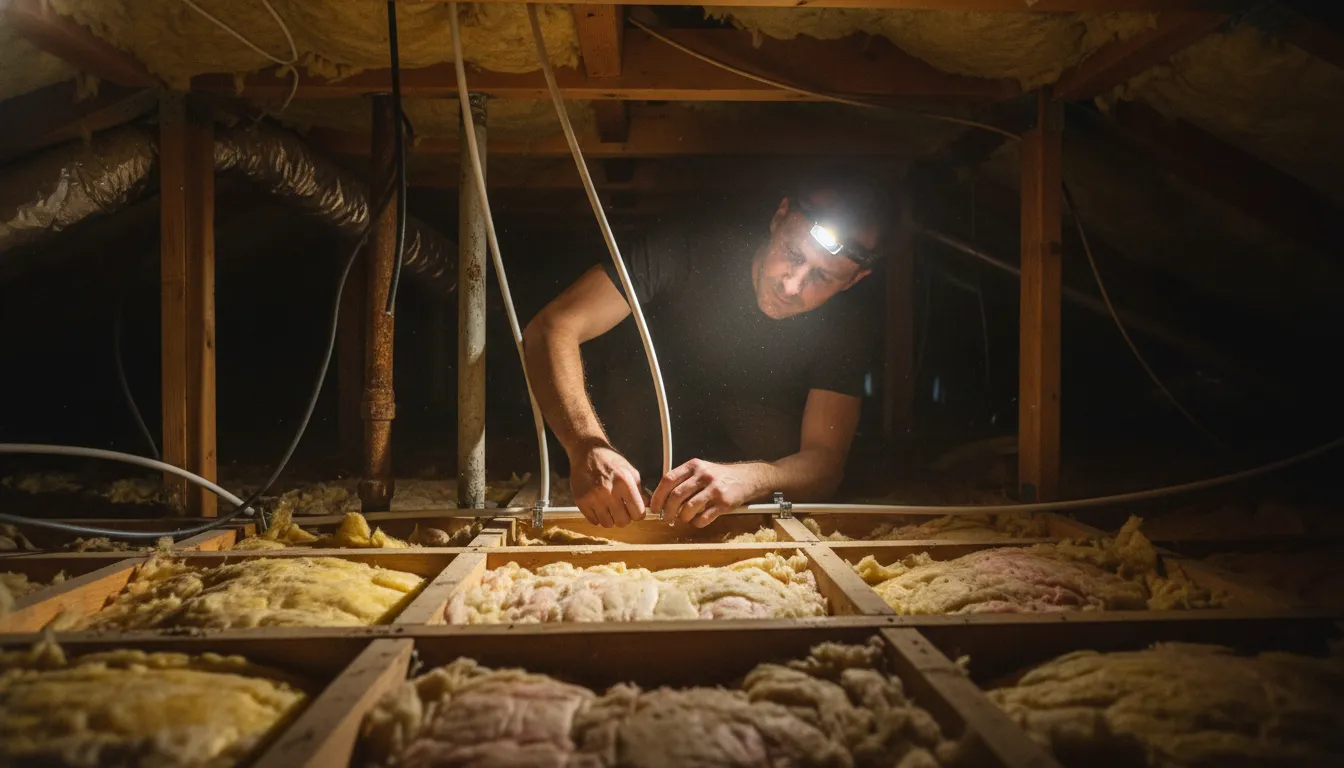
If you're a homeowner in Westfield, noticing persistent leaks, discolored water, or a drop in water pressure, your home's plumbing system may be signaling it's time for a major upgrade. A whole-house repiping project involves replacing the entire network of water supply pipes within your walls and ceilings, moving from outdated, failing materials to modern, reliable ones. This guide will help you understand the process, materials, timeline, and costs involved in a full home repipe, empowering you to find qualified local professionals for this significant home improvement.
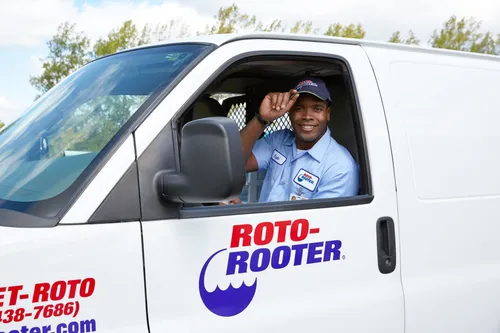
Roto-Rooter Plumbing & Water Cleanup
18 E Main St Ste 230, Greenfield, IN 46140
Roto-Rooter Plumbing & Water Cleanup provides a wide range of plumbing services in Indianapolis, IN, including sewer and drain cleaning, water heater repair and installation, sump pump services, and leak detection. They specialize in both residential and commercial plumbing, offering advanced solutions such as hydro jetting and trenchless sewer repair to address complex plumbing issues. Established in 1935, Roto-Rooter has a long history of innovation and expertise in plumbing, and they offer 24/7 emergency services to handle urgent plumbing problems at any time.

Cornwell Plumbing
5724 N Green St 2nd Floor, Brownsburg, IN 46112
Cornwell Plumbing is a family-owned plumbing company serving Indianapolis, IN, and surrounding areas including Brownsburg, Pittsboro, and Hendricks County. Established in 1989, they offer a wide range of plumbing services such as sewer camera inspections, water heater repair and installation, water softener installation, sump pump and sewage pump repair, drain cleaning, leak detection, repiping, toilet and garbage disposal repair. Their expertise includes using advanced tools like sewer cameras to diagnose pipe issues accurately. Cornwell Plumbing provides emergency plumbing services when available and focuses on personalized, honest service for both residential and commercial clients.
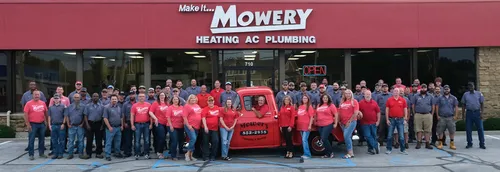
Mowery Heating, Cooling & Plumbing
710 E Main St, Brownsburg, IN 46112
Mowery Heating, Cooling & Plumbing is a full-service plumbing and HVAC company serving Indianapolis, IN. They offer a wide range of services including sewer camera inspections, water heater installation and repair, tankless water heater services, water softener installation, sump pump repair, drain cleaning, sewer line repair, leak detection, repiping, gas line installation, toilet repair, and garbage disposal repair. The company is equipped to handle complex plumbing issues such as sewer line blockages and gas leak repairs. Mowery has a long-standing presence in the community with over 20 years of experience. They also provide emergency plumbing services, including after-hours support for urgent repairs.
Godby Heating Plumbing Electrical
7852 Moller Rd, Indianapolis, IN 46268
Godby Heating Plumbing Electrical is a full-service provider based in Indianapolis, IN, offering heating, cooling, plumbing, and electrical services. They handle water heater installation and repair, including tankless models, water softener installation, sump pump repair, drain cleaning, leak detection, repiping, and toilet repair. Their team also provides HVAC services such as furnace and air conditioner maintenance to ensure year-round home comfort. Godby emphasizes expert work without gimmicks, aiming to keep homes comfortable and systems running efficiently throughout the seasons.
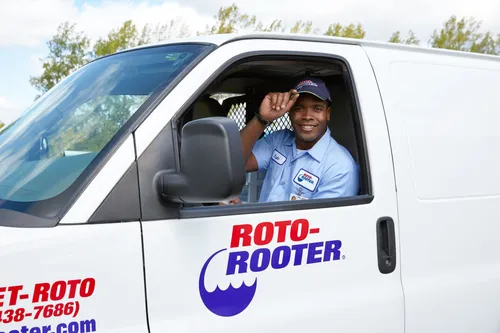
Roto-Rooter Plumbing & Water Cleanup
70 E Main St J, Greenwood, IN 46143
Roto-Rooter Plumbing & Water Cleanup offers a wide range of plumbing services in Indianapolis, IN, including drain cleaning, sewer line repair, water heater installation and repair, sump pump services, leak detection, and gas line installation. They serve both residential and commercial clients, addressing common and complex plumbing issues with specialized equipment such as hydro jetting for clearing blockages. With decades of experience dating back to the company's founding in 1935, Roto-Rooter also provides 24/7 emergency plumbing services to handle urgent situations like burst pipes and sewer backups.
Understanding the Need for a Full Home Repipe
Over time, the pipes that bring fresh water to your faucets, showers, and appliances can deteriorate. In many Westfield homes built several decades ago, galvanized steel was the standard. This material is prone to internal rust and corrosion, which leads to a host of problems. You might see brownish water, experience significantly reduced water flow, or deal with frequent pinhole leaks. Polybutylene (PB) pipes, used in some homes from the late 1970s to mid-1990s, are also known to become brittle and fail. When repairs become frequent and widespread, a complete pipe replacement is often the most cost-effective and permanent solution, safeguarding your home from water damage and restoring reliable water quality 1.
The Step-by-Step Repiping Process
A professional whole-house repiping job is a systematic project designed to minimize disruption while ensuring a long-lasting result. Here's a breakdown of what you can expect:
Preparation & Protection: Before any work begins, a reputable plumbing team will take steps to protect your home. This includes laying down floor coverings, moving furniture away from work areas, and clearly identifying the access points they'll need. You'll be asked to clear out under-sink cabinets and provide access to all plumbing fixtures. The main water supply to the home will be shut off for the majority of the project.
Strategic Access Creation: Plumbers won't tear down all your walls. Instead, they use their expertise to make small, strategic cuts in drywall at key locations-often at pipe junctions, behind fixtures, and in ceilings below bathrooms-to access the old plumbing lines running through wall cavities, floors, and attics. This precision helps contain the mess and simplifies the repair work later.
Removal & Installation: The old, compromised pipes are carefully disconnected and removed. Then, the new piping system is installed. This is where material choice (discussed next) comes into play. The plumber will run new supply lines from the main shut-off valve to every fixture in the house, often taking the opportunity to improve the layout or add new shut-off valves for individual fixtures for easier future maintenance 2.
Critical Pressure Testing: Once the new network is installed but before the walls are closed up, the system undergoes a rigorous pressure test. The plumber will pressurize the new pipes with air or water to a level above normal household pressure and monitor it for any drops, which would indicate a leak. This crucial step ensures the integrity of every connection before the project moves forward 3.
Finishing & Restoration: After passing the pressure test, the plumber will reconnect all fixtures and appliances. The final step involves patching the drywall access holes, applying joint compound, and sanding. While many plumbing contractors handle the drywall repair, painting and texturing to match the surrounding wall are sometimes the homeowner's responsibility or can be arranged as an additional service. A final inspection ensures everything is functioning perfectly 4 5.
Find the perfect repiping contractors for your needs
Get personalized recommendations and expert advice
Choosing the Right Pipe Material
The material used for your new pipes is a major decision that affects cost, longevity, and performance. Here are the most common options used in modern repiping projects:
PEX (Cross-linked Polyethylene): This flexible, plastic tubing has become the go-to choice for many repiping jobs. Its flexibility allows it to be snaked through walls with fewer fittings, which reduces potential leak points. It's highly resistant to scale and chlorine, doesn't corrode, and can handle freezing temperatures better than rigid pipes. PEX is also cost-effective and has an expected lifespan of 100+ years 6.
Copper: The long-time standard for quality, copper piping is durable and resistant to bacteria. It's a rigid material, requiring more fittings and labor to install, especially in complex layouts. The primary drawbacks are its significantly higher material cost and susceptibility to corrosion from certain water chemistries over very long periods (50+ years). For some homeowners, the perceived premium quality of copper is worth the investment 7.
CPVC (Chlorinated Polyvinyl Chloride): Another rigid plastic option, CPVC is often used for hot and cold water supply lines. It's less expensive than copper and resistant to corrosion. However, it can become brittle over time if exposed to direct sunlight and requires more glued fittings than PEX, which can be a consideration.
PVC (Polyvinyl Chloride): It's important to note that standard PVC is generally not used for pressurized potable water supply lines inside a home. Its common and approved use is for drain, waste, and vent (DWV) lines, which are part of your home's drainage system, not the supply system being replaced in a standard repipe.
Project Timeline: What to Expect
A whole-house repiping project is not a one-day affair. For an average-sized home in Westfield, you should plan for the process to take between 3 to 7 days 8. Several factors influence the timeline:
- Home Size & Complexity: A larger home with more bathrooms and fixtures naturally takes longer. Multi-story homes and those with difficult-to-access plumbing chases can add time.
- Material Choice: Installing rigid copper typically takes longer than running flexible PEX due to the need for more cuts, fittings, and soldering.
- Crew Size & Efficiency: An experienced, well-coordinated team can complete the work more quickly.
- Drywall Repair: The timeline often separates the plumbing work from the final drywall patching and painting, which may be scheduled separately 9.
Understanding Repiping Costs in Westfield
The total investment for a whole-house repipe varies widely based on your specific situation. Key cost drivers include the square footage of your home, the number of bathrooms and fixtures, the accessibility of existing pipes, and your chosen material.
As a general range, repiping a typical home with modern materials like PEX or CPVC can cost between $4,000 and $6,000 or more 10 11. Opting for copper piping can raise the total cost significantly, ranging from $5,000 to $20,000 or higher due to the expensive raw material and more intensive labor required 10 12.
It's essential to get detailed, written estimates from several licensed and insured plumbing contractors in the Westfield area. A thorough estimate should break down material costs, labor, any necessary permits, and the scope of drywall repair. Remember, while price is a factor, the expertise and reputation of the contractor are critical for a project of this magnitude 13.
Frequently asked questions
Sources
Footnotes
-
What Is Involved With Repiping A House? - HELP Plumbing - https://333help.com/blog/what-is-involved-with-repiping-a-house/ ↩
-
What Is Involved in Repiping a House? - Allied Foundation - https://www.crackedslab.com/blog/what-is-involved-in-repiping-a-house ↩
-
Comprehensive Guide to Whole House Repiping - Absolute Airflow - https://www.absoluteairflow.com/comprehensive-guide-to-whole-house-repiping/ ↩
-
What Is Repiping? A Comprehensive Guide | CPI Service - https://cpiservice.com/blog/what-is-repiping/ ↩
-
Whole-House Repiping: Step-by-Step Guide - https://www.veteranplumbing.us/whole-house-repiping-step-by-step-guide/ ↩
-
Whole Home Repiping - Indianapolis - Williams Comfort Air - https://williamscomfortair.com/whole-home-repiping/ ↩
-
Common Pipe Materials Used in the Home - The Spruce - https://www.thespruce.com/types-of-home-piping-materials-1824879 ↩
-
How Long Does It Usually Take To Repipe A House? - https://sweetwaterplumbing247.com/how-long-does-it-usually-take-to-repipe-a-house/ ↩
-
Repiping - Complete Comfort - https://completecomfortplumbing.com/indianapolis/repiping/ ↩
-
How Much Does It Cost to Repipe a House? - https://therepipecompany.com/faqs/how-much-does-it-cost-to-repipe-my-home/ ↩ ↩2
-
Indianapolis Whole Home Repiping - House Repiping Service - https://mrplumberindy.com/whole-home-repiping/ ↩
-
How Much to Repipe a House: A Comprehensive Cost Guide - https://www.benjaminfranklinplumbing.com/league-city/blog/2024/december/how-much-to-repipe-a-house-a-comprehensive-cost-guide/ ↩
-
Whole House Repiping in Indianapolis, IN - Grateful Plumber - https://www.gratefulplumber.com/residential-plumbing/whole-house-repiping/ ↩