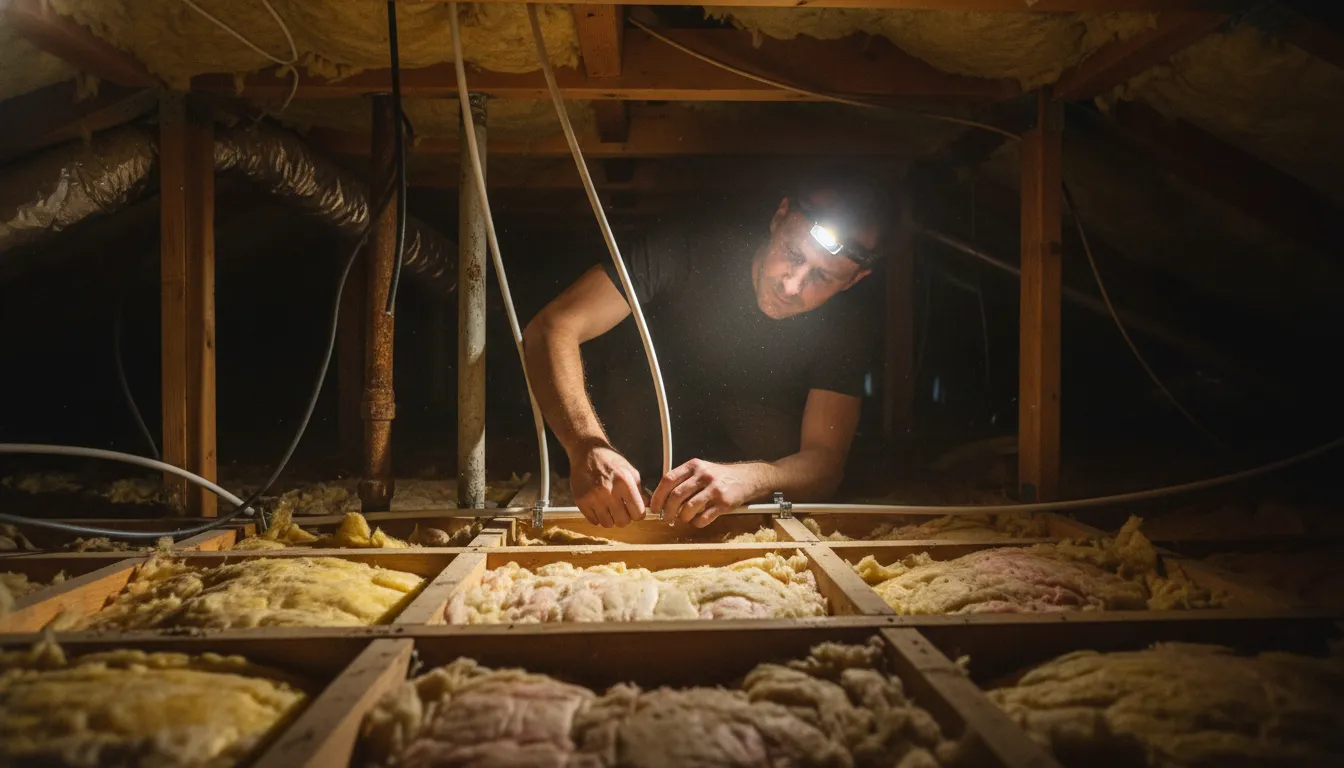
Find the Best Repiping Contractors for Your Business
No obligation • Fast responses • Nationwide coverage

Why you can trust Search a Plumber
Search a Plumber is a leading United States resource for finding and evaluating professional plumbing services. Our team researches licensing, experience, and customer feedback to create unbiased, fact-driven overviews. Companies cannot pay to change ratings or placement, ensuring homeowners get trustworthy information.
Search providers near you
Top Repiping Contractors in Indianapolis, Indiana Ranked
Repiping is a major home improvement project that involves replacing all the water supply pipes in your house. In Indianapolis, this is often a necessary upgrade for homes with outdated galvanized steel or lead pipes, which can corrode, leak, and contaminate your water. A full repipe restores water pressure, improves water quality, and provides long-term peace of mind by bringing your plumbing up to modern standards. This guide will help you understand the process, materials, and what to look for when finding a qualified professional for this significant investment.
Roto-Rooter Plumbing & Water Cleanup
18 E Main St Ste 230, Greenfield, IN 46140
Roto-Rooter Plumbing & Water Cleanup provides a wide range of plumbing services in Indianapolis, IN, including sewer and drain cleaning, water heater repair and installation, sump pump services, and leak detection. They specialize in both residential and commercial plumbing, offering advanced solutions such as hydro jetting and trenchless sewer repair to address complex plumbing issues. Established in 1935, Roto-Rooter has a long history of innovation and expertise in plumbing, and they offer 24/7 emergency services to handle urgent plumbing problems at any time.

Cornwell Plumbing
5724 N Green St 2nd Floor, Brownsburg, IN 46112
Cornwell Plumbing is a family-owned plumbing company serving Indianapolis, IN, and surrounding areas including Brownsburg, Pittsboro, and Hendricks County. Established in 1989, they offer a wide range of plumbing services such as sewer camera inspections, water heater repair and installation, water softener installation, sump pump and sewage pump repair, drain cleaning, leak detection, repiping, toilet and garbage disposal repair. Their expertise includes using advanced tools like sewer cameras to diagnose pipe issues accurately. Cornwell Plumbing provides emergency plumbing services when available and focuses on personalized, honest service for both residential and commercial clients.
Mowery Heating, Cooling & Plumbing
710 E Main St, Brownsburg, IN 46112
Mowery Heating, Cooling & Plumbing is a full-service plumbing and HVAC company serving Indianapolis, IN. They offer a wide range of services including sewer camera inspections, water heater installation and repair, tankless water heater services, water softener installation, sump pump repair, drain cleaning, sewer line repair, leak detection, repiping, gas line installation, toilet repair, and garbage disposal repair. The company is equipped to handle complex plumbing issues such as sewer line blockages and gas leak repairs. Mowery has a long-standing presence in the community with over 20 years of experience. They also provide emergency plumbing services, including after-hours support for urgent repairs.
Godby Heating Plumbing Electrical
7852 Moller Rd, Indianapolis, IN 46268
Godby Heating Plumbing Electrical is a full-service provider based in Indianapolis, IN, offering heating, cooling, plumbing, and electrical services. They handle water heater installation and repair, including tankless models, water softener installation, sump pump repair, drain cleaning, leak detection, repiping, and toilet repair. Their team also provides HVAC services such as furnace and air conditioner maintenance to ensure year-round home comfort. Godby emphasizes expert work without gimmicks, aiming to keep homes comfortable and systems running efficiently throughout the seasons.
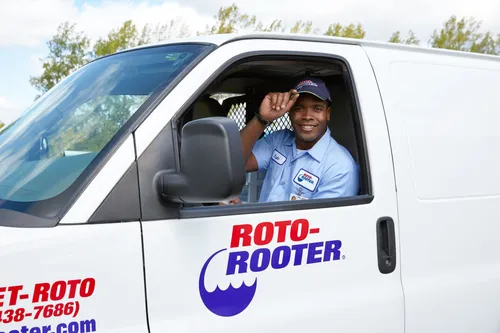
Roto-Rooter Plumbing & Water Cleanup
70 E Main St J, Greenwood, IN 46143
Roto-Rooter Plumbing & Water Cleanup offers a wide range of plumbing services in Indianapolis, IN, including drain cleaning, sewer line repair, water heater installation and repair, sump pump services, leak detection, and gas line installation. They serve both residential and commercial clients, addressing common and complex plumbing issues with specialized equipment such as hydro jetting for clearing blockages. With decades of experience dating back to the company's founding in 1935, Roto-Rooter also provides 24/7 emergency plumbing services to handle urgent situations like burst pipes and sewer backups.
Why Consider a Whole-House Repipe?
If you live in an older Indianapolis home, your plumbing system may be nearing the end of its useful life. Common signs that a full repipe, or re-piping, is necessary include persistent leaks, discolored water (often brown or yellow), a noticeable drop in water pressure, or recurring plumbing issues 1. Outdated materials like galvanized steel are prone to internal corrosion, which slowly closes off the pipe and restricts water flow. In some very old homes, lead pipes may still be present, posing a serious health risk. Upgrading your entire water line system is a proactive solution that protects your home's value and your family's health.
The Repiping Process: A Step-by-Step Overview
A whole-house repipe is a structured project that professional plumbers manage in distinct phases to ensure minimal disruption and a code-compliant result.
1. Inspection and Planning
The process begins with a thorough assessment. A licensed plumber will inspect your current pipes, often using specialized cameras, to locate leaks, assess corrosion levels, and map the existing layout. This evaluation is crucial for creating a new pipe plan that meets current Indianapolis building codes and determines the scope of work, including which walls or ceilings will need to be accessed.
2. Access and Removal
To reach the old pipes, controlled openings are made in drywall, ceilings, or flooring. The existing water system is then completely shut off, drained, and the old pipes are carefully disconnected and removed. This phase creates the most visible disruption in the home, but a professional team will work to contain dust and debris.
3. Installation of New Piping
This is the core of the repipe project. The plumber installs the new network of pipes, running them from the main water shut-off valve to every fixture in the house-sinks, toilets, showers, and appliances. The choice of material (PEX, Copper, or CPVC) significantly influences the installation method and timeline.
4. Pressure Testing and Inspection
Once the new system is installed, it is pressurized with air or water to test for any leaks. This critical step ensures the integrity of all connections. After the plumber's test, a city inspector will typically visit to verify the work complies with all local plumbing codes before the walls are closed up 2 3.
5. Finishing and Cleanup
After passing inspection, the plumber will close the access points, patching drywall and restoring floors as agreed in the project scope. All fixtures are reconnected, the water is turned back on, and a final check is performed. A reputable company will leave your home clean and ready for use 4 5.
Choosing the Right Pipe Material
The material you select for your new plumbing system affects cost, durability, and installation complexity. Here are the three most common options used in Indianapolis repiping projects:
- PEX (Cross-linked Polyethylene): This flexible, plastic tubing has become the most popular choice for repiping. Its flexibility allows it to be snaked through walls with fewer fittings and joints, which reduces potential leak points and can lower labor costs. It is also resistant to scale and corrosion.
- Copper: The traditional gold standard for durability and longevity. Copper pipes are rigid, resist bacteria, and can last 50 years or more. However, they are significantly more expensive due to material costs and require more labor-intensive soldering of joints, which can increase the project timeline and cost.
- CPVC (Chlorinated Polyvinyl Chloride): A rigid plastic pipe that is a cost-effective alternative to copper. It is easier to work with than copper but more rigid than PEX, requiring more fittings. It generally has a shorter lifespan than both copper and PEX and can become brittle if exposed to extreme cold 6 7.
Find the perfect repiping contractors for your needs
Get personalized recommendations and expert advice
Project Timeline and What to Expect at Home
A whole-house repipe is not an overnight job. For an average Indianapolis home, the physical installation of the new pipe system typically takes between 2 to 5 days. The total project timeline, including planning, inspection, and drywall repair, may extend to a week or more depending on the home's size and complexity.
During the project, you should plan for limited or no water access for periods of time. Your plumbing team will provide a schedule for water shut-offs and will often set up temporary water lines to a sink or bathroom when possible. There will be noise from drilling and cutting, and some areas of your home will be inaccessible. Clear communication with your chosen professional about the daily plan can help you manage household logistics.
Understanding Repiping Costs in Indianapolis
The cost to repipe a house in Indianapolis varies widely based on several key factors. As a significant investment, understanding these variables helps in budgeting and comparing estimates.
-
Primary Cost Drivers:
- Home Size and Layout: A larger home with more bathrooms and fixtures requires more materials and labor. Multi-story homes add complexity.
- Pipe Material: This is the largest variable. A PEX repipe is generally the most affordable option, while a copper repipe can cost several times more 8 9 10.
- Labor and Access: The ease of accessing old pipes (e.g., open basements vs. finished walls) greatly impacts labor hours. Local labor rates also play a role.
- Permits and Inspections: Most Indianapolis municipalities require permits for a full repipe, which adds to the project cost 11.
-
Estimated Cost Ranges: Based on local industry data, you can expect the following broad ranges for a full repipe in Indianapolis:
- PEX or CPVC Systems: Often range from $4,000 to $8,000.
- Copper Systems: Typically range from $8,000 to $20,000 or more, with high-end projects for large homes exceeding this range.
Always obtain multiple detailed, written estimates that break down material costs, labor, permit fees, and restoration work.
Preparing for Your Repiping Project
Proper preparation can make the process smoother for everyone involved.
- Clear the Work Areas: Move furniture, decorations, and other belongings away from walls where plumbers will need access.
- Discuss Logistics: Talk with your plumber about where to park their vehicles, where they can set up equipment, and if there are pets or children at home to consider.
- Plan for Water Outages: Know the schedule for water shut-offs. Fill containers with water for drinking and cooking, and consider using paper plates to minimize cleanup.
- Ask About Restoration: Clarify what level of drywall patching and painting is included. Some plumbing companies handle basic patching, while others leave painting to the homeowner.
Frequently asked questions
Sources
Footnotes
-
Whole House Repiping in Indianapolis, IN - https://www.gratefulplumber.com/residential-plumbing/whole-house-repiping/ ↩
-
Whole-House Repiping: Step-by-Step Guide - https://www.veteranplumbing.us/whole-house-repiping-step-by-step-guide/ ↩
-
What Is Involved in Repiping a House? - Apollo HVAC & Plumbing - https://gotoapollo.com/2024/03/06/what-is-involved-in-repiping-a-house/ ↩
-
What to Expect During a Home Repiping Process - Vito Services - https://vitoservices.com/what-to-expect-during-a-home-repiping-process/ ↩
-
What Is Involved With Repiping A House? - HELP Plumbing - https://333help.com/blog/what-is-involved-with-repiping-a-house/ ↩
-
What to Expect During a Whole House Repipe: Cost, Timeline ... - https://go4apes.com/what-to-expect-during-a-whole-house-repipe-cost-timeline-and-installation-process/ ↩
-
How to Prepare for a Whole-House Repiping - Ray The Plumber - https://raytheplumber.com/uncategorized/how-to-prepare-for-a-whole-house-repiping/ ↩
-
Whole Home Repiping - Indianapolis - Williams Comfort Air - https://williamscomfortair.com/whole-home-repiping/ ↩
-
Indianapolis Whole Home Repiping - House Repiping Service - https://mrplumberindy.com/whole-home-repiping/ ↩
-
How Much to Repipe a House? - Reliant Plumbing - https://reliantplumbing.com/plumbing/pipe-repairs/whole-house-repipe-cost/ ↩
-
How Much to Repipe a House: Understanding Costs and Factors - https://www.benjaminfranklinplumbing.com/league-city/blog/2025/march/how-much-to-repipe-a-house-understanding-costs-and-factors/ ↩