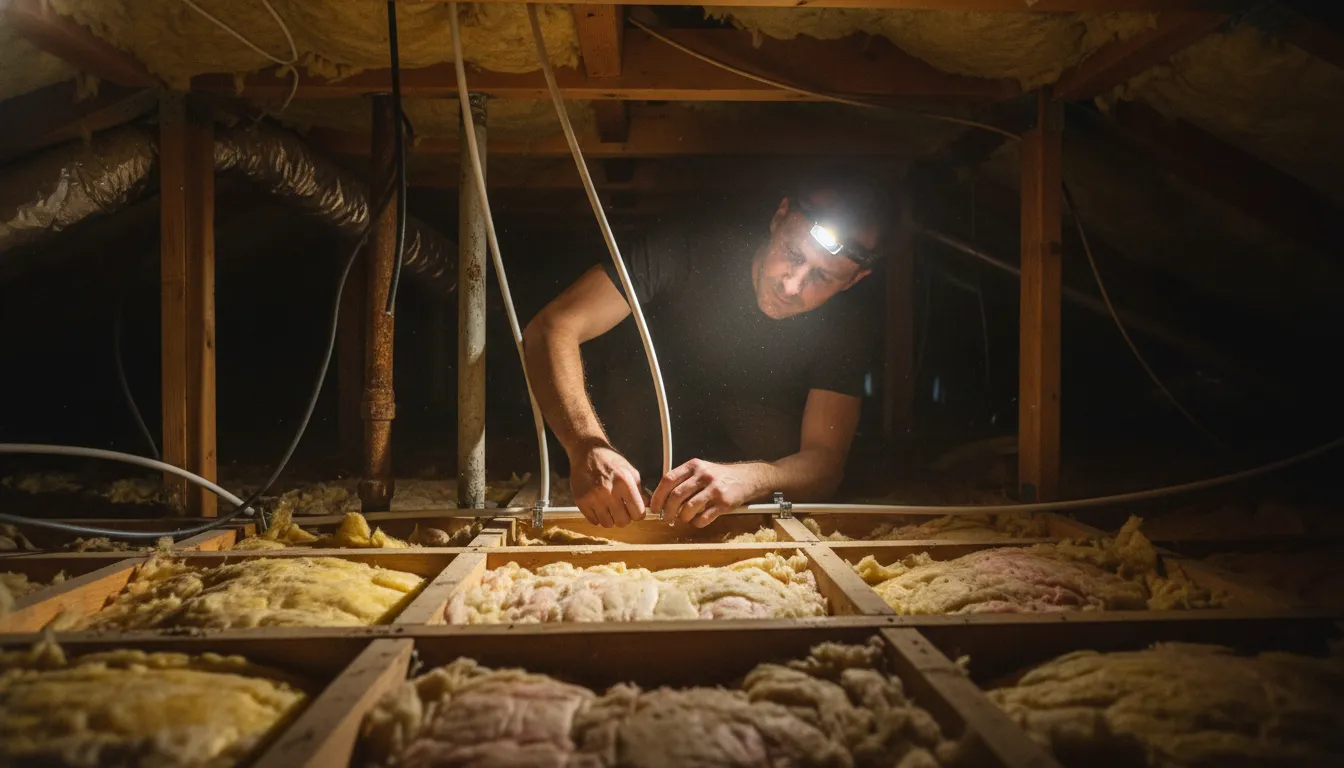
Find the Best Repiping Contractors for Your Business
No obligation • Fast responses • Nationwide coverage

Why you can trust Search a Plumber
Search a Plumber is a leading United States resource for finding and evaluating professional plumbing services. Our team researches licensing, experience, and customer feedback to create unbiased, fact-driven overviews. Companies cannot pay to change ratings or placement, ensuring homeowners get trustworthy information.
Search providers near you
Top Repiping Contractors in Anderson, Indiana Ranked
A whole-house repiping project is a significant investment in your home's infrastructure, replacing outdated or failing water supply lines with modern, reliable piping. This comprehensive plumbing upgrade is crucial for ensuring consistent water pressure, improving water quality, and preventing costly leaks or water damage. For Anderson homeowners, understanding the process, materials, and local considerations is the first step toward finding a qualified professional to handle this essential work.
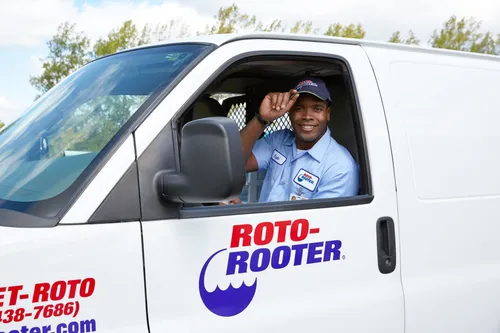
Roto-Rooter Plumbing & Water Cleanup
18 E Main St Ste 230, Greenfield, IN 46140
Roto-Rooter Plumbing & Water Cleanup provides a wide range of plumbing services in Indianapolis, IN, including sewer and drain cleaning, water heater repair and installation, sump pump services, and leak detection. They specialize in both residential and commercial plumbing, offering advanced solutions such as hydro jetting and trenchless sewer repair to address complex plumbing issues. Established in 1935, Roto-Rooter has a long history of innovation and expertise in plumbing, and they offer 24/7 emergency services to handle urgent plumbing problems at any time.
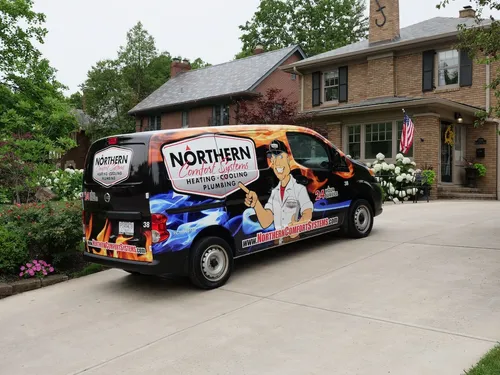
Northern Comfort Systems
2905 E 46th St, Indianapolis, IN 46205
Northern Comfort Systems provides heating, cooling, and plumbing services in Indianapolis, IN. With over 60 years of experience, they handle water heater repair and installation, water softener installation, sump pump repair, drain cleaning, leak detection, repiping, and toilet repair. Their licensed technicians also service furnaces, boilers, heat pumps, air conditioners, and indoor air quality systems. The company offers 24/7 emergency service to address urgent heating, cooling, and plumbing needs promptly.
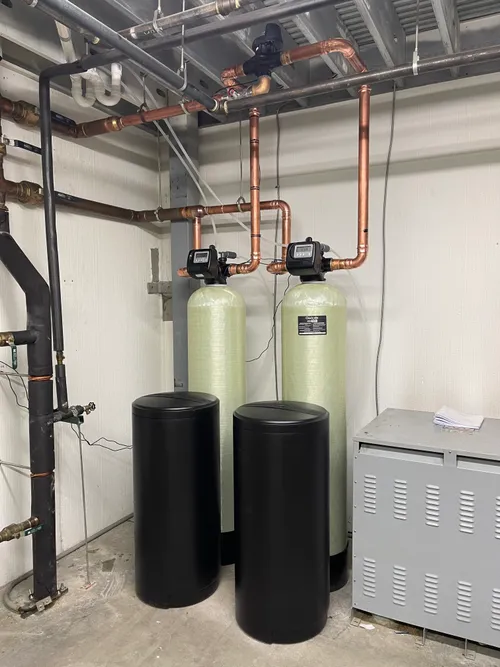
KPE plumbing
695 Pro-Med Ln, Carmel, IN 46032
KPE plumbing provides a range of residential and light commercial plumbing services in Indianapolis, IN. Their offerings include water heater repair and installation, water softener installation, repiping, and gas line installation. They emphasize individualized plumbing options and use high-quality parts to meet customer needs. KPE plumbing handles all necessary permits and inspections as part of their service. They also provide a two-year warranty on most services and serve Northern Indianapolis, Hamilton County, and surrounding areas.

Mister Quik Home Services
14016 Britton Park Rd, Fishers, IN 46038
Mister Quik Home Services is a plumbing company based in Indianapolis, IN, offering a range of repair and maintenance services. Their expertise includes water heater repair, drain cleaning, leak detection, repiping, and toilet repair. The team provides clear assessments and ensures customer approval before starting any work. They serve Indianapolis and nearby areas, with licensed and insured plumbers handling various plumbing needs. Emergency plumbing services are also available for urgent situations.
Roto-Rooter Plumbing & Water Cleanup
12034 Exit 5 Pkwy, Fishers, IN 46037
Roto-Rooter Plumbing & Water Cleanup provides comprehensive plumbing services in Indianapolis, IN, and the surrounding Fishers area. They handle a wide range of plumbing needs including sewer line repair, drain cleaning, water heater installation and repair, leak detection, and gas line installation. The company is experienced in both residential and commercial plumbing, offering specialized services such as hydro jetting and trenchless sewer repair. Founded in 1935, Roto-Rooter has a long history in the plumbing industry and offers 24/7 emergency plumbing services to address urgent issues at any time.
Understanding the Need for a Full Plumbing Replacement
Homeowners in Anderson may consider a full plumbing system replacement for several reasons. Aging galvanized steel pipes, common in older homes, are prone to corrosion, which can lead to rust-colored water, reduced water pressure, and eventual leaks. Polybutylene piping, used extensively from the 1970s to 1990s, is now known to become brittle and fail, posing a significant risk. Frequent pinhole leaks, persistent low water pressure, or discolored water are clear signs that spot repairs are no longer sufficient and a complete repipe is the most reliable, long-term solution. This project not only restores system integrity but can also increase your home's value and provide peace of mind.
The Step-by-Step Repiping Process Explained
A professional house repiping service is a multi-stage project that requires careful planning and execution. Knowing what to expect can help Anderson residents prepare their homes and families for the temporary disruption.
1. Inspection and Planning The process begins with a thorough assessment by a licensed plumber. They will evaluate your current system, identify the pipe materials, and plan the most efficient routes for the new lines. This stage also involves securing any necessary permits required by the City of Anderson, ensuring the work meets all local building codes.
2. Access and Preparation To reach the existing pipes, plumbers will need to create access points, typically by making strategic cuts in drywall or plaster. A reputable team will take great care to minimize these openings and will protect your floors, furniture, and belongings with drop cloths before work begins.
3. Removal and Installation The old water supply pipes are carefully removed. Then, the new piping system is installed. Modern methods often allow plumbers to "fish" flexible tubing through walls with minimal cutting, though some access points are always necessary. The new lines are connected to your home's main water shut-off and run to all fixtures.
4. System Testing and Balancing Once installed, the new system is pressurized with air and water to test for any leaks-a critical quality control step. The plumber will also check that water pressure is balanced throughout the home, ensuring strong flow at every faucet and showerhead 1.
5. Finishing and Cleanup After passing inspection, the plumber will patch the access holes in your walls. A full-service professional will leave your work area clean, haul away all old materials, and provide a walkthrough of the new system, including the location of new shut-off valves 2 3.
Choosing the Right Piping Material for Your Anderson Home
The choice of material is a major factor in the cost, longevity, and performance of your new plumbing. Here are the most common options used in residential repiping projects.
- PEX (Cross-linked Polyethylene): This flexible, plastic tubing has become the top choice for many repiping jobs. It's resistant to scale and corrosion, easier and faster to install due to its flexibility (requiring fewer fittings), and is generally the most affordable option. Its flexibility also makes it quieter and better able to withstand freezing temperatures.
- Copper: The traditional premium material, copper is known for its exceptional durability and long lifespan. It's resistant to bacteria and can handle high water temperatures. However, it is more expensive than plastic alternatives, requires soldering for installation, and can be subject to theft from job sites. For many, its proven track record justifies the higher cost.
- CPVC (Chlorinated Polyvinyl Chloride): This rigid plastic pipe is a cost-effective alternative to copper. It's easy to cut and assemble with solvent cement. While durable, it can become brittle over time, especially if exposed to direct sunlight, and is generally considered less robust than PEX or copper for long-term performance 4.
Find the perfect repiping contractors for your needs
Get personalized recommendations and expert advice
Project Timeline: How Long Does Repiping Take?
For a typical Anderson home, you should plan for the whole-house repiping process to take between 3 to 7 days 5. Several factors influence the timeline:
- Home Size and Layout: A single-story ranch home with an accessible crawlspace will be faster to repipe than a large, multi-story colonial with finished ceilings.
- Number of Bathrooms and Fixtures: More sinks, toilets, showers, and appliances mean more endpoints to connect.
- Material Choice: PEX systems can often be installed more quickly than copper due to the flexibility of the material and different joining methods.
- Unexpected Complications: Discovering asbestos insulation, extremely cramped access spaces, or complex architectural features can add time.
Clear communication with your plumbing contractor about the expected schedule will help you manage daily life during the project.
Cost Considerations for Repiping in Central Indiana
The total investment for a complete plumbing system replacement in Anderson varies widely based on your specific home and choices. Here's a general breakdown based on regional data:
- Material-Based Cost Ranges: Using PEX or CPVC materials, many homeowners can expect costs to start in the range of $4,000 to $6,000+. Opting for a copper system typically carries a higher price tag, often ranging from $5,000 to over $20,000 for large or complex homes 6 7 8.
- Key Cost Factors:
- Square Footage and Stories: More space and multiple floors increase material and labor.
- Number of Fixtures: Each sink, toilet, and appliance adds to the project scope.
- Accessibility: Easy access in basements or crawlspaces reduces labor time; finished walls and ceilings increase it.
- Local Labor Rates: Rates for skilled plumbers in the Anderson area will influence the final quote.
- Permits and Inspections: Fees required by local authorities are part of the project cost.
- Wall Repair: While some plumbers include basic patching, extensive drywall repair and repainting may be a separate cost.
It's wise to obtain multiple detailed, written estimates that break down material costs, labor, permits, and cleanup.
Preparing Your Home for a Repiping Project
Proper preparation minimizes stress and helps the job proceed smoothly. Before the crew arrives, plan to:
- Clear the work areas around sinks, toilets, and in basements or closets where plumbers will need access.
- Remove fragile items from walls and shelves in areas where work will occur.
- Plan for water outages. Your water will be shut off for extended periods. Fill containers with water for drinking and cooking, and consider alternative bathroom arrangements if possible.
- Make arrangements for pets and children to keep them safe and away from the work zones.
- Discuss logistics with the project manager, including work hours, parking for the crew, and where materials will be stored.
The Long-Term Benefits of a Home Repipe
While it's a substantial undertaking, a successful repiping project delivers significant advantages:
- Improved Water Quality: Eliminate rust, sediment, and metallic taste from old pipes.
- Consistent, Strong Water Pressure: Remove the restrictions caused by corroded, narrowed pipes.
- Enhanced Reliability: Drastically reduce the risk of sudden, catastrophic leaks and the water damage they cause.
- Increased Home Value: Modern, trouble-free plumbing is a strong selling point.
- Potential Insurance Benefits: Some insurers may offer lower premiums with updated plumbing systems 9 10.
Frequently asked questions
Sources
Footnotes
-
Whole-House Repiping: Step-by-Step Guide - https://www.veteranplumbing.us/whole-house-repiping-step-by-step-guide/ ↩
-
What the Residential Repiping Process Involves - https://www.trmillerheatingandcooling.com/what-the-residential-repiping-process-involves/ ↩
-
What Is Involved With Repiping A House? - HELP Plumbing - https://333help.com/blog/what-is-involved-with-repiping-a-house/ ↩
-
Repiping a House: Essential Guide | American Mains & Drains - https://www.americanmainsanddrains.com/post/repiping-a-house-guide ↩
-
How Long Does It Usually Take To Repipe A House? - https://sweetwaterplumbing247.com/how-long-does-it-usually-take-to-repipe-a-house/ ↩
-
Indianapolis Whole Home Repiping - House Repiping Service - https://mrplumberindy.com/whole-home-repiping/ ↩
-
How to Prepare for a Whole-House Repiping - Ray The Plumber - https://raytheplumber.com/uncategorized/how-to-prepare-for-a-whole-house-repiping/ ↩
-
How Much to Repipe a House: A Comprehensive Cost Guide - https://www.benjaminfranklinplumbing.com/league-city/blog/2024/december/how-much-to-repipe-a-house-a-comprehensive-cost-guide/ ↩
-
Whole Home Repiping - Indianapolis - Williams Comfort Air - https://williamscomfortair.com/whole-home-repiping/ ↩
-
Pipe Repair vs. Repiping | How to Know When It's Time for a ... - https://stevehuffplumbing.com/pipe-repair-vs-repiping-guide/ ↩