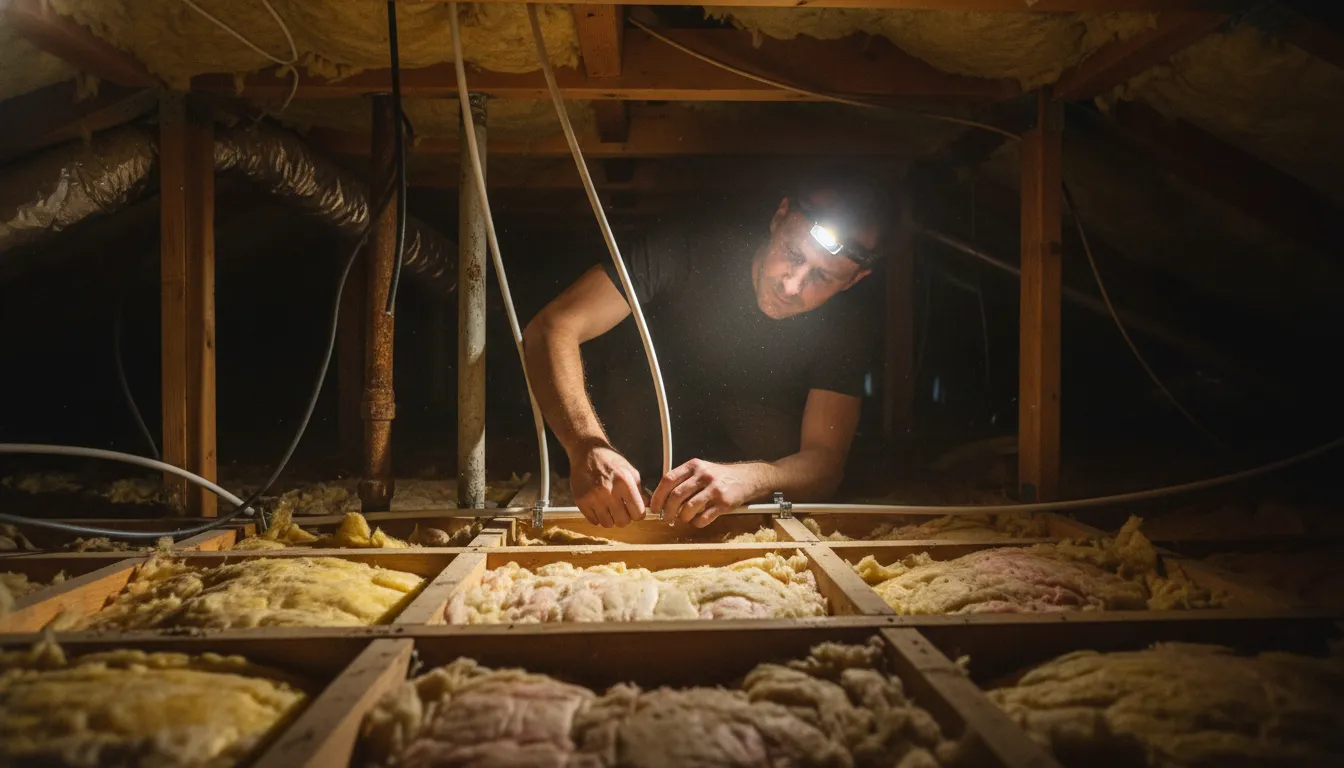
Find the Best Repiping Contractors for Your Business
No obligation • Fast responses • Nationwide coverage

Why you can trust Search a Plumber
Search a Plumber is a leading United States resource for finding and evaluating professional plumbing services. Our team researches licensing, experience, and customer feedback to create unbiased, fact-driven overviews. Companies cannot pay to change ratings or placement, ensuring homeowners get trustworthy information.
Search providers near you
Top Repiping Contractors in Palatine, Illinois Ranked
If you're a Palatine homeowner dealing with persistent leaks, low water pressure, or concerns about aging pipes, a whole-house repipe might be the long-term solution you need. This major plumbing project involves replacing all the water supply lines in your home with new, durable materials, ensuring reliable water flow and preventing future damage. Understanding the process, materials, and local considerations can help you make an informed decision and connect with qualified professionals to handle this critical upgrade for your home.
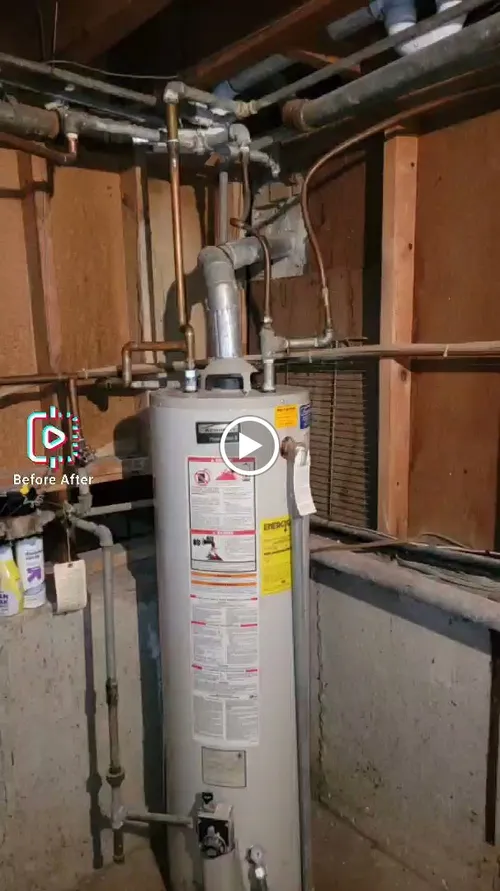
Keeley's Plumbing
270 Eisenhower Ln N #6, Lombard, IL 60148
Keeley's Plumbing is a locally owned plumbing company serving Chicago, IL, and nearby areas including DuPage County. They provide a range of plumbing services for residential and commercial clients, including drain cleaning, sewer camera inspections, sewer line repair and replacement, repiping, water heater repair, sump pump repair, gas line installation, and hydro jetting. Keeley's Plumbing uses sewer camera inspections to accurately diagnose issues before recommending repairs. The company offers 24/7 emergency plumbing services and focuses on serving a limited area to maintain local code knowledge and reduce travel times.
Legendary Service
960 Rand Rd Suite 200F, Des Plaines, IL 60016
Legendary Service is a plumbing and home comfort provider serving Chicago, IL. They offer a range of services including water heater repair and installation, water softener installation, drain cleaning, repiping, toilet repair, and garbage disposal repair. With over 40 years of combined experience, their licensed team handles plumbing and HVAC needs with thoroughness and professionalism. They also provide indoor air quality solutions and maintenance plans to support ongoing home system care.
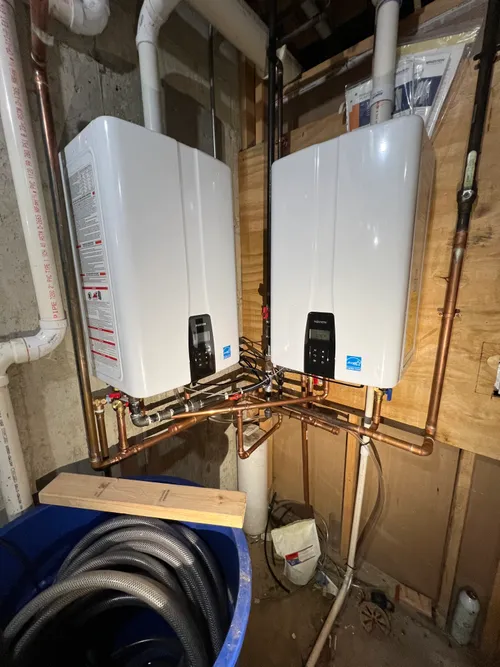
The All Pipes INC.
255 Holly Ln, Elk Grove Village, IL 60007
The All Pipes INC. is a licensed and insured plumbing company serving Chicago, IL. They provide a wide range of plumbing services including water heater repair and installation, trenchless sewer repair, sump pump installation, leak detection, and hydro jetting for drain cleaning. The company offers both residential and commercial plumbing solutions and specializes in tankless water heater installations to help reduce energy costs. Founded by Grigor Ganchev, who has built his career in plumbing over many years, The All Pipes INC. emphasizes integrity and clear communication with clients to maintain lasting relationships.
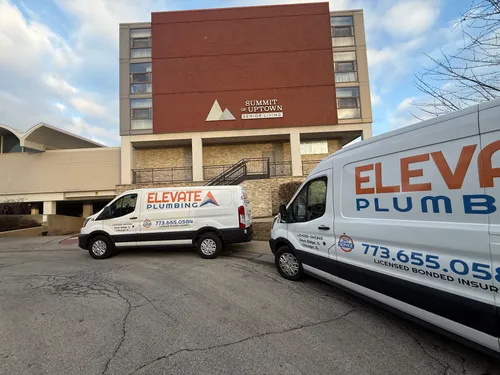
Elevate Plumbing
2307 Edna Ave, Park Ridge, IL 60068
Elevate Plumbing is a plumbing contractor serving Chicago, IL, and the surrounding areas including Park Ridge. They provide a range of residential and commercial plumbing services such as water heater installation and repair, sewer line replacement, sump pump repair, drain cleaning, and gas line installation. The company is licensed by the Illinois Department of Public Health and is known for handling projects with permits and up-to-code workmanship. Elevate Plumbing offers expertise in sewer line replacement and tankless water heater installation, with a focus on clear communication and customer collaboration.

MAS Plumbing, Inc.
81 Monaco Dr, Roselle, IL 60172
MAS Plumbing, Inc. is a family-owned plumbing company serving Chicago, IL, and the surrounding northwest and west suburbs. Since 1999, they have provided a wide range of residential, commercial, and new construction plumbing services including water heater repair and installation, sump pump repair, drain cleaning, sewer line repair, leak detection, repiping, and toilet repair. The company is certified for RPZ device installation and maintenance, supporting both small repairs and large-scale plumbing projects across multiple communities in the area.
What is Whole-House Repiping?
Whole-house repiping, also known as re-piping or a full pipe replacement, is the process of removing a home's existing water supply pipes and installing a new system. This is typically undertaken when pipes are made of outdated materials like galvanized steel, which corrode and restrict flow over time, or when there are multiple leaks that indicate systemic failure. For Palatine homes, many of which were built during periods when certain pipe materials were standard, a repipe can resolve chronic plumbing issues and provide peace of mind for decades.
The goal is to ensure every faucet, shower, toilet, and appliance receives clean, consistent water pressure. It's a significant investment in your property's infrastructure that can prevent costly water damage, improve water quality, and increase home value.
The Repiping Process: A Step-by-Step Guide
A professional repiping job is methodical and planned to minimize disruption. Here's what you can generally expect during a pipe replacement project in your Palatine home.
1. Inspection and Planning
The process begins with a thorough inspection. A licensed plumber will assess the condition of your existing pipes, identify the materials (e.g., galvanized, copper, polybutylene), and map out the home's plumbing layout. They will check local Palatine and Illinois plumbing codes, determine the best routes for new pipes, and develop a detailed plan. This stage is crucial for an accurate estimate and timeline.
2. Permits and Preparation
Most whole-house repiping projects require a permit from the local building department 1. Your plumbing professional will typically handle this. Before work begins, you'll need to prepare the home: clear out cabinets under sinks, remove valuables from walls, and cover furniture. The plumber will shut off the main water supply and may set up temporary water access if the project spans multiple days.
3. Access and Removal
To reach the old pipes, plumbers create strategic access points by cutting small holes in drywall at ceiling and wall intersections 2. This allows them to expose and remove the entire old network of supply pipes. The old pipes are cut out and discarded. This phase creates the most visible disruption but is necessary for a complete job.
4. New Pipe Installation
The new water lines are then run through the open walls and ceilings. Plumbers will install a new main shut-off valve and run dedicated lines to all fixtures. The pipes are secured with hangers and fittings according to code. This is where the choice of new pipe material (discussed below) comes into play.
5. Pressure Testing and Inspection
Once the new system is installed, it is pressurized with air or water and meticulously tested for leaks 3 4. This critical step ensures the integrity of every joint and connection. In some cases, a city inspector may visit to approve the work before walls are closed up.
6. Patching and Final Cleanup
After passing inspection, the plumbers will patch the access holes in your drywall. While many plumbing companies handle basic patching, you may need to hire a drywall finisher and painter for a seamless finish. The job concludes with a thorough cleanup, removal of all debris, and a final walkthrough to demonstrate the new system.
Choosing the Right Pipe Material
The material you choose for your new plumbing system affects cost, longevity, and performance. Here are the most common options for Palatine repiping projects 5 6.
- PEX (Cross-linked Polyethylene): This is the most popular choice for modern repipes. PEX is flexible, making it easier and faster to install through walls with fewer fittings, which can reduce labor costs. It is highly resistant to scale and corrosion, doesn't pinhole like copper, and can expand, making it more resistant to freezing. PEX tubing has a life expectancy of 100+ years and is generally the most affordable option 7.
- Copper: The traditional gold standard, copper is durable and has a proven track record of 50+ years of service. It is rigid, requiring more fittings and labor to install, which increases the project cost. While resistant to bacteria, copper can eventually corrode in certain water conditions and is susceptible to theft from vacant properties. It remains a excellent, though premium-priced, choice.
- CPVC (Chlorinated Polyvinyl Chloride): CPVC is a rigid plastic pipe that was more common in the past. It is generally less expensive than copper but also less durable than PEX. It can become brittle over time and is not as flexible for installation. Most professional plumbers now favor PEX over CPVC for whole-house repiping.
Find the perfect repiping contractors for your needs
Get personalized recommendations and expert advice
Timeline for a Repiping Project
How long will you be without normal plumbing? The duration of a whole-house pipe replacement depends on your home's size, complexity, and the crew's size. For a typical Palatine home, you can expect the active plumbing work to take 2 days to 1 week 8 9.
- Smaller Homes (1-2 bathroom ranch): May be completed in 2-3 days.
- Medium to Large Homes (2+ stories, multiple bathrooms): Can take 5-7 days or more.
- Complexities: Homes with finished basements, intricate layouts, or difficult access can extend the timeline.
Remember that drywall repair and painting are separate phases that add to the overall project completion time.
Understanding Repiping Costs in Palatine
The cost to repipe a house varies widely based on square footage, material choice, labor rates, and the extent of needed repairs. For Palatine homeowners, here is a general cost framework based on available data 10 11 12 13:
- General Range: $1,500 to $15,000+
- 1,000 - 1,500 sq ft home: $5,500 - $11,000 (with PEX often on the lower end of this range).
- Up to 2,000 sq ft home: Can reach up to $17,500 or more.
Key factors influencing cost:
- Home Size & Layout: More fixtures and complex layouts mean more materials and labor.
- Pipe Material: Copper systems are significantly more expensive in both material and installation labor compared to PEX.
- Labor: Rates vary by company and project complexity.
- Permits & Inspections: Local permit fees are an additional cost.
- Demolition & Repair: The cost to open walls and, more substantially, to repair drywall and finishes afterward can be a major variable. Some quotes include basic patching; others do not.
It's essential to get detailed, written estimates from several licensed plumbers that break down material, labor, permit, and repair costs.
Signs You May Need a Repipe
How do you know if your Palatine home needs a full pipe replacement instead of just spot repairs? Look for these common indicators:
- Frequent Leaks: Multiple leaks in different locations signal widespread pipe deterioration.
- Discolored Water: Brown or rusty water, especially after periods of non-use, indicates corroding pipes from the inside.
- Low Water Pressure: A gradual or sudden drop in pressure at multiple fixtures can be caused by mineral buildup or corrosion narrowing pipe interiors.
- Visible Corrosion: Signs of rust or green patina on pipe joints or the main water shut-off valve.
- Outdated Pipe Material: Homes built before 1970 likely have galvanized steel pipes, which have a typical lifespan of 40-70 years. Polybutylene pipes (common 1978-1995) are prone to failure.
Frequently asked questions
Sources
Footnotes
-
How Much to Repipe a House: A Comprehensive Cost Guide - https://www.benjaminfranklinplumbing.com/league-city/blog/2024/december/how-much-to-repipe-a-house-a-comprehensive-cost-guide/ ↩
-
Whole-House Repiping: Step-by-Step Guide - https://www.veteranplumbing.us/whole-house-repiping-step-by-step-guide/ ↩
-
What to Expect During a Home Repiping Process - Vito Services - https://vitoservices.com/what-to-expect-during-a-home-repiping-process/ ↩
-
What the Residential Repiping Process Involves - https://www.trmillerheatingandcooling.com/what-the-residential-repiping-process-involves/ ↩
-
What Is Involved in Repiping a House? - Allied Foundation - https://www.crackedslab.com/blog/what-is-involved-in-repiping-a-house ↩
-
How Much Does It Cost to Repipe a House? - https://therepipecompany.com/faqs/how-much-does-it-cost-to-repipe-my-home/ ↩
-
Repiping a House: Essential Guide | American Mains & Drains - https://www.americanmainsanddrains.com/post/repiping-a-house-guide ↩
-
What Is Involved With Repiping A House? | HELP Plumbing - https://333help.com/blog/what-is-involved-with-repiping-a-house/ ↩
-
What to Expect When Repiping Your Home - https://guardianplumbers.com/what-to-expect-when-repiping-your-home/ ↩
-
How to Prepare for a Whole-House Repiping - Ray The Plumber - https://raytheplumber.com/uncategorized/how-to-prepare-for-a-whole-house-repiping/ ↩
-
What to Expect During a Whole House Repipe: Cost, Timeline ... - https://go4apes.com/what-to-expect-during-a-whole-house-repipe-cost-timeline-and-installation-process/ ↩
-
How Much to Repipe a House: Understanding Costs and Factors - https://www.benjaminfranklinplumbing.com/league-city/blog/2025/march/how-much-to-repipe-a-house-understanding-costs-and-factors/ ↩
-
Repipe House Cost 2023: Average Expenses & Factors - https://www.superbrothers.com/repipe-house-cost-2023-average-expenses-factors/ ↩