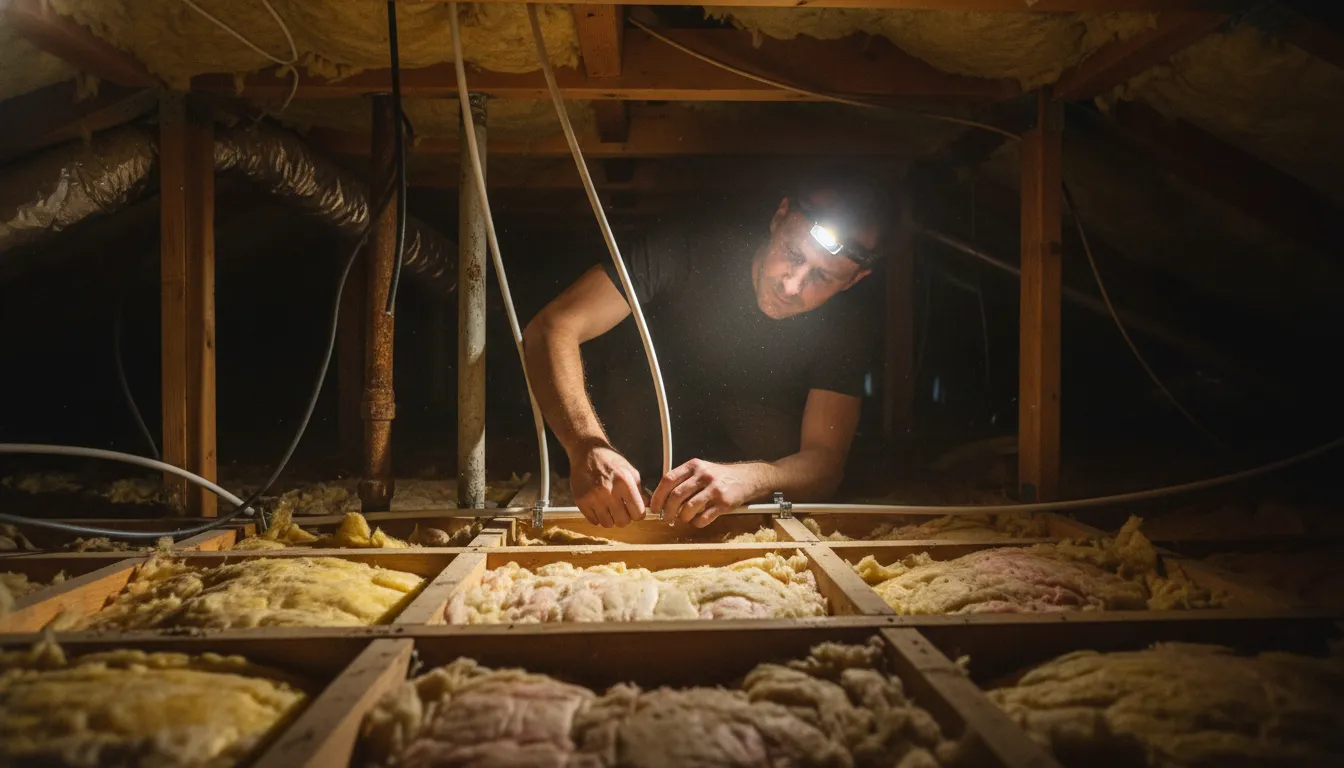
Find the Best Repiping Contractors for Your Business
No obligation • Fast responses • Nationwide coverage

Why you can trust Search a Plumber
Search a Plumber is a leading United States resource for finding and evaluating professional plumbing services. Our team researches licensing, experience, and customer feedback to create unbiased, fact-driven overviews. Companies cannot pay to change ratings or placement, ensuring homeowners get trustworthy information.
Search providers near you
Top Repiping Contractors in Joliet, Illinois Ranked
A whole-house repiping project is a significant but often necessary investment to replace your home's aging or failing water supply lines. This process involves removing old, corroded, or leaking pipes and installing a new, modern plumbing system to ensure reliable water pressure, clean water, and prevent future damage. If you're in Joliet and experiencing frequent leaks, discolored water, or low pressure, understanding the repiping process and connecting with qualified local professionals is the first step toward a lasting solution for your home's plumbing infrastructure.
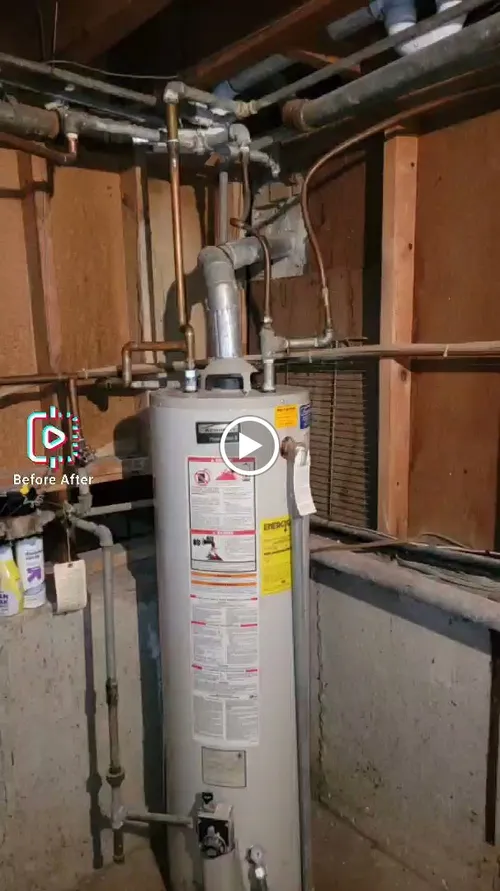
Keeley's Plumbing
270 Eisenhower Ln N #6, Lombard, IL 60148
Keeley's Plumbing is a locally owned plumbing company serving Chicago, IL, and nearby areas including DuPage County. They provide a range of plumbing services for residential and commercial clients, including drain cleaning, sewer camera inspections, sewer line repair and replacement, repiping, water heater repair, sump pump repair, gas line installation, and hydro jetting. Keeley's Plumbing uses sewer camera inspections to accurately diagnose issues before recommending repairs. The company offers 24/7 emergency plumbing services and focuses on serving a limited area to maintain local code knowledge and reduce travel times.
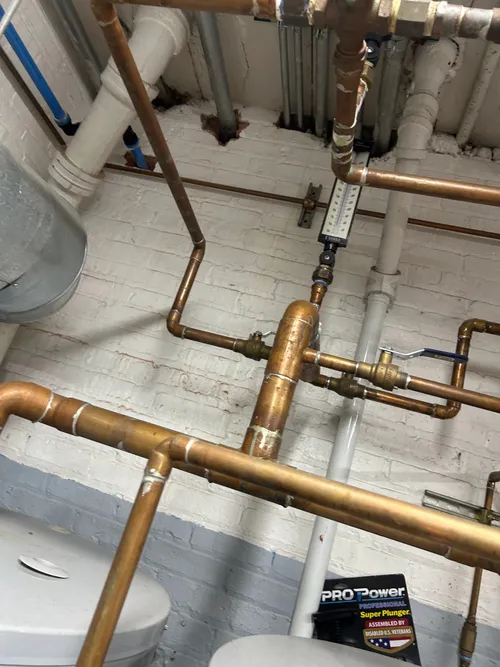
Walsh & Son Plumbing and Sewer
Chicago, IL
Walsh & Son Plumbing and Sewer is a licensed plumbing company serving Chicago, IL, and the surrounding Chicagoland area. Since 2013, this family- and woman-owned business has provided a range of plumbing services including sewer line repair, water heater installation and repair, sump pump maintenance, drain cleaning, leak detection, repiping, and gas line installation. Their team uses advanced technology for sewer camera inspections and offers a 10-year warranty on pipe installations, reflecting their commitment to durable workmanship. They also provide fast, same-day responses to plumbing issues and offer discounts for seniors, veterans, and first responders.
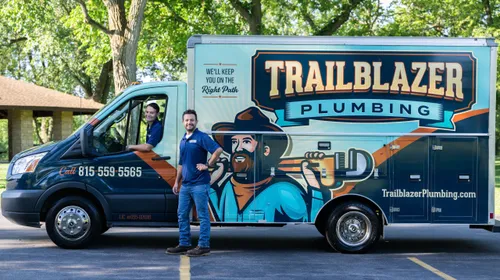
Trailblazer Plumbing
1129 E 9th St, Lockport, IL 60441
Trailblazer Plumbing is a family-owned plumbing company serving Chicago, IL, and nearby areas. Established in 1973, they provide residential, commercial, and industrial plumbing services including water heater repair, leak detection, repiping, and sewer line repair. The company offers 24/7 emergency services and same-day appointments, with licensed technicians equipped to handle a wide range of plumbing needs.
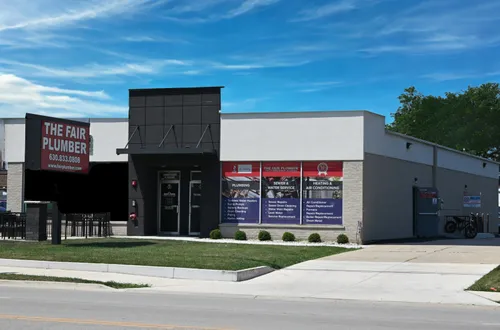
The Fair Plumber LLC
846 N York St, Elmhurst, IL 60126
The Fair Plumber LLC is a family-owned plumbing business serving Chicago, IL, and nearby communities including Elmhurst, Mount Prospect, and Schaumburg. They specialize in drain cleaning, leak detection, repiping, and lead pipe replacement, with over 50 years of plumbing experience rooted in a tradition dating back to the 1940s in Germany. The company emphasizes continuing education and adherence to Illinois plumbing codes to provide knowledgeable service. They offer flat rate pricing and maintain neat work areas using protective coverings during jobs.
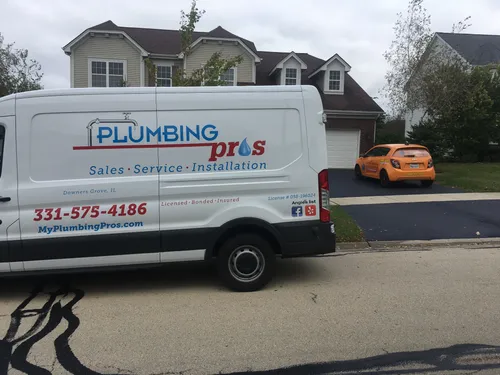
Plumbing Pros
718 Ogden Ave Suite 109, Downers Grove, IL 60515
Plumbing Pros is a family-owned plumbing contractor serving Chicago, IL, and nearby areas. With over 20 years of experience, they provide a wide range of plumbing services including water heater repair and installation, tankless water heaters, sump pump repair, drain cleaning, leak detection, repiping, gas line installation, and toilet repair. They handle both residential and commercial plumbing needs and offer licensed and insured services with a one-year warranty on certain work. Plumbing Pros is equipped to manage plumbing emergencies and routine repairs with upfront pricing and professional care.
What is Whole-House Repiping?
Whole-house repiping, also known as a full re-pipe or plumbing system replacement, is the comprehensive process of removing all the old water supply pipes in a home and installing new ones. This isn't a spot repair; it's a system-wide upgrade. In Joliet homes, common reasons for considering this major plumbing service include persistent pinhole leaks in galvanized steel pipes, rust contamination in water, severely restricted water flow from mineral buildup, or preparing a home for renovation. The goal is to replace the entire network-from where the main water line enters your house to every faucet, toilet, and appliance-with durable, modern piping materials designed for longevity and safety.
The Step-by-Step Repiping Process in Joliet
Knowing what to expect can make planning for a home re-pipe much less daunting. Reputable plumbing companies in the Joliet area typically follow a detailed, multi-stage process to ensure a smooth and code-compliant installation.
1. Inspection and Detailed Planning The project begins with a thorough assessment. A licensed plumber will inspect your current plumbing system, identify all problem areas, and map out the most efficient routes for the new pipes. This planning stage is crucial for providing an accurate quote and timeline, and for minimizing disruption to your home's structure 1.
2. Preparation and Access Before any old pipe is removed, the work area must be prepared. This involves protecting floors and furniture, shutting off the main water supply, and, most visibly, cutting strategic access holes in drywall or ceilings. These openings are necessary to reach the existing pipes that run inside walls and under floors. A professional crew will work to keep these access points as neat and minimal as possible.
3. Removal of Old Piping The old, compromised pipes are systematically cut out and removed from the home. For homes with galvanized steel, this can be a labor-intensive process, as sections are often rusted together. Proper disposal of the old materials is part of a professional service.
4. Installation of New Pipes This is the core of the repiping service. The new water lines-commonly PEX, copper, or CPVC-are run through the open walls and floors, connecting back to the main shut-off valve and out to every fixture. The skill of the installer in creating clean, secure connections is paramount for a leak-free system2.
5. Pressure Testing and Inspection Once the new system is installed, it is rigorously pressure-tested. This involves pressurizing the lines above normal operating levels to check for any leaks at fittings or connections. After the plumber's test, a final inspection by the local Joliet or Will County building department is often required to ensure the work meets all plumbing codes3.
6. Finishing and Clean-Up The final step is restoring your home. The plumbers will patch the drywall access holes, re-install insulation where needed, and conduct a thorough clean-up of the work area. A professional service will leave your home functional and tidy, with only fresh paint needed to complete the wall repairs4 5.
Choosing the Right Piping Material
The choice of material for your new plumbing system affects cost, durability, and performance. Here are the most common options used by Joliet plumbers:
- PEX (Cross-linked Polyethylene): This has become the most popular choice for repiping projects. PEX is flexible, making it easier and faster to install through walls with fewer fittings, which reduces potential leak points. It is highly resistant to scale and corrosion, can expand if water freezes (reducing burst risk), and is typically the most cost-effective option in both material and labor. Modern PEX is rated to last 100+ years.
- Copper: The traditional gold standard for decades, copper is durable and has a long history of reliable performance. However, it is a rigid material, requiring more fittings and soldering, which increases labor time and cost. In certain water conditions, it can be susceptible to corrosion (pitting) over a 50-year lifespan, and it is generally the most expensive repiping material 6.
- CPVC (Chlorinated Polyvinyl Chloride): CPVC is a rigid plastic pipe that is cheaper than copper but generally less durable and flexible than PEX. It is glued together with solvent cement and can become brittle over time, especially if exposed to sunlight during storage. It represents a mid-range cost option but is less frequently recommended than PEX for whole-house applications today.
What Influences the Cost of Repiping in Joliet?
The total investment for a plumbing system replacement in Joliet varies widely based on several key factors. Understanding these can help you interpret quotes from local contractors.
- Home Size and Layout: This is the primary cost driver. A 1,500-square-foot, single-story home with a simple layout and accessible crawlspace will cost significantly less to repipe than a large, multi-story home with complex architecture and finished ceilings. More square footage means more linear feet of pipe and more labor7.
- Material Choice: As outlined above, your choice of PEX, copper, or CPVC directly impacts the budget. PEX systems usually offer the best value, while copper commands a premium.
- Labor and Accessibility: If pipes are easily accessible in an unfinished basement or attic, labor costs are lower. If the plumber needs to open numerous finished walls, run pipes through tight joists, or work around complex obstructions, the project will require more time and skill, increasing the cost.
- Local Permits and Inspections: The cost for the required building permit and any associated inspection fees in Joliet will be part of the overall project cost8 9.
- Additional Work: The quoted price may or may include drywall repair and repainting. Be sure to clarify what finishing work is included in a "repiping" quote.
On average, homeowners in the Joliet area can expect a whole-house repiping project to range from $3,000 to over $16,000, with many typical projects for medium-sized homes falling around $7,50010 11. For a more specific estimate, a 1,000-2,000 square foot home might range from $5,500 to $17,500 depending on the variables above12.
Find the perfect repiping contractors for your needs
Get personalized recommendations and expert advice
Timeline: How Long Does Repiping Take?
A common concern for homeowners is how long they will be without water. A professional repiping job for a standard Joliet home is typically completed within 3 to 7 days13. The crew will work to restore water service at the end of each workday, so you may only be without water for several hours at a time during the active installation phase. Larger, more complex homes can take two weeks or more. The timeline provided by your plumber during the estimate should account for the home's size, material choice, and crew size.
Signs You May Need a Home Re-Pipe
How do you know if your plumbing problems warrant a full system replacement instead of just another repair? Look for these persistent issues:
- Discolored Water: Brown, yellow, or reddish water, especially when first turned on in the morning, is a classic sign of rust inside galvanized steel pipes.
- Frequent Leaks: Recurring pinhole leaks in your pipes are a clear indicator the entire system is failing.
- Low Water Pressure: A gradual or sudden drop in water pressure throughout the house often results from mineral deposits severely narrowing the inside diameter of old pipes.
- Visible Corrosion: If you can see pipes in a basement or crawlspace, check for significant rust, flaking, or moisture around fittings.
If you're experiencing multiple of these issues, investing in a repipe is often more cost-effective in the long run than chasing endless repairs.
Preparing for Your Repiping Project
A little preparation can ensure the process goes smoothly:
- Clear the Work Areas: Move furniture, decorations, and stored items away from walls where plumbers will need access, particularly in basements, utility rooms, and bathrooms.
- Plan for Water Outages: Your plumber will give you a schedule for water shut-offs. Fill pitchers or bottles with drinking water, and consider scheduling major water use (like laundry) for before or after the project days.
- Discuss Finishing Details: Have a clear conversation with your contractor about who is responsible for drywall patching and repair. Some plumbing companies include basic patching; others leave it to the homeowner to arrange a drywall professional.
- Secure Pets: For the safety of both your pets and the work crew, it's best to keep pets secured in a non-work area of the home or arrange for them to be elsewhere during active work hours.
Frequently asked questions
Sources
Footnotes
-
What Is Involved in Repiping a House? - https://gotoapollo.com/2024/03/06/what-is-involved-in-repiping-a-house/ ↩
-
Whole-House Repiping: Step-by-Step Guide - https://www.veteranplumbing.us/whole-house-repiping-step-by-step-guide/ ↩
-
What Is Involved With Repiping A House? - HELP Plumbing - https://333help.com/blog/what-is-involved-with-repiping-a-house/ ↩
-
What to Expect During a Home Repiping Process - Vito Services - https://vitoservices.com/what-to-expect-during-a-home-repiping-process/ ↩
-
Comprehensive Guide to Whole House Repiping - Absolute Airflow - https://www.absoluteairflow.com/comprehensive-guide-to-whole-house-repiping/ ↩
-
How Much Does It Cost to Repipe a House? - https://therepipecompany.com/faqs/how-much-does-it-cost-to-repipe-my-home/ ↩
-
What to Expect During a Whole House Repipe: Cost, Timeline ... - https://go4apes.com/what-to-expect-during-a-whole-house-repipe-cost-timeline-and-installation-process/ ↩
-
How Much to Repipe a House: A Comprehensive Cost Guide - https://www.benjaminfranklinplumbing.com/league-city/blog/2024/december/how-much-to-repipe-a-house-a-comprehensive-cost-guide/ ↩
-
How Much to Repipe a House? - Reliant Plumbing - https://reliantplumbing.com/plumbing/pipe-repairs/whole-house-repipe-cost/ ↩
-
How to Prepare for a Whole-House Repiping - Ray The Plumber - https://raytheplumber.com/uncategorized/how-to-prepare-for-a-whole-house-repiping/ ↩
-
How Much Does It Cost to Repipe a House? [2026 Data] | Angi - https://www.angi.com/articles/cost-to-repipe-a-house.htm ↩
-
Replacing Old Pipes: 2026 Costs, Options, and What to Expect - https://modernize.com/plumbing/systems/water-supply/replacing-old-pipes ↩
-
How Long Do Professional Repiping Services Take? - https://santanabrosplumbing.com/how-long-do-professional-repiping-services-take/ ↩