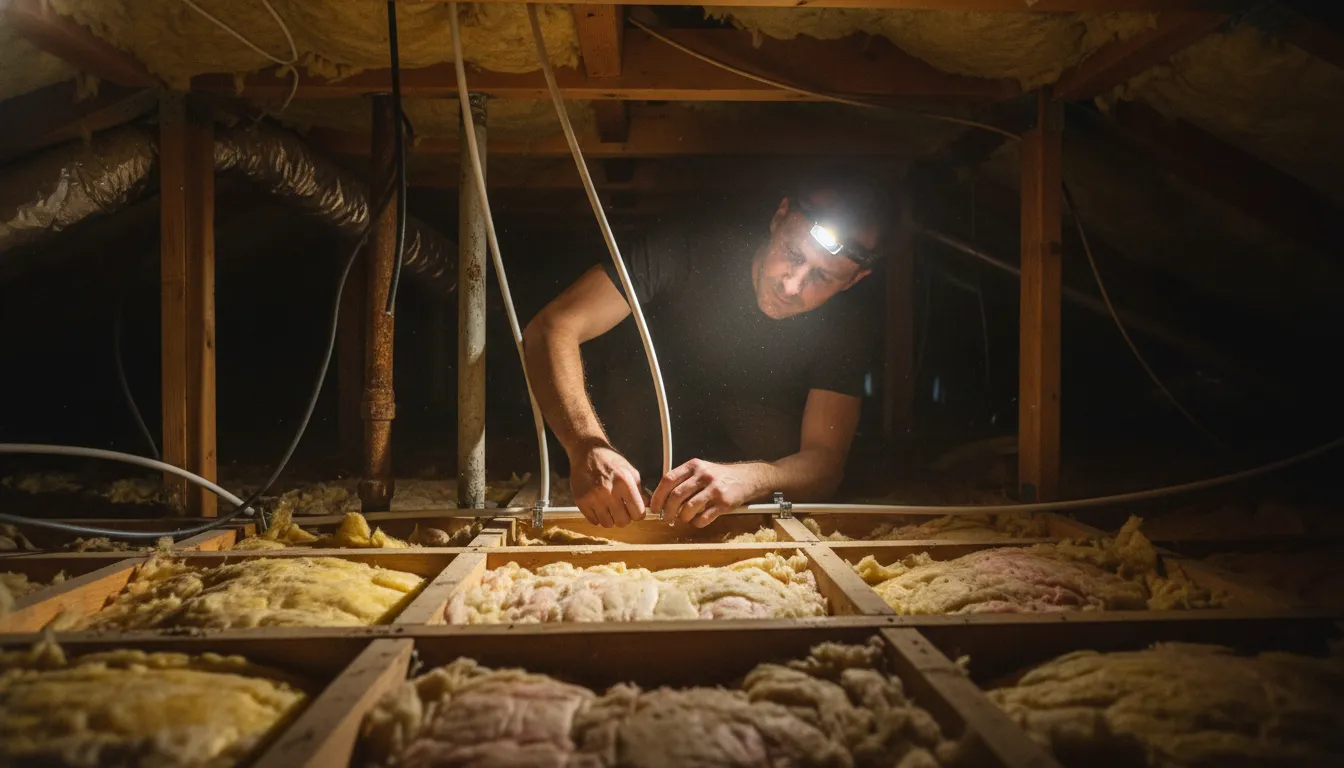
Find the Best Repiping Contractors for Your Business
No obligation • Fast responses • Nationwide coverage

Why you can trust Search a Plumber
Search a Plumber is a leading United States resource for finding and evaluating professional plumbing services. Our team researches licensing, experience, and customer feedback to create unbiased, fact-driven overviews. Companies cannot pay to change ratings or placement, ensuring homeowners get trustworthy information.
Search providers near you
Top Repiping Contractors in Belleville, Illinois Ranked
A whole-house repiping project is a significant but often necessary investment to ensure your home's water supply system is safe, reliable, and efficient. Over time, pipes can corrode, develop leaks, and restrict water flow, leading to water damage, poor water quality, and high utility bills. If you're a Belleville homeowner noticing persistent plumbing issues, a full pipe replacement might be the long-term solution. This guide will help you understand the process, materials, and considerations for finding a qualified professional to handle your home's repiping needs.
Tony LaMartina Plumbing Co. Inc
5705 Dale Ave, St. Louis, MO 63110
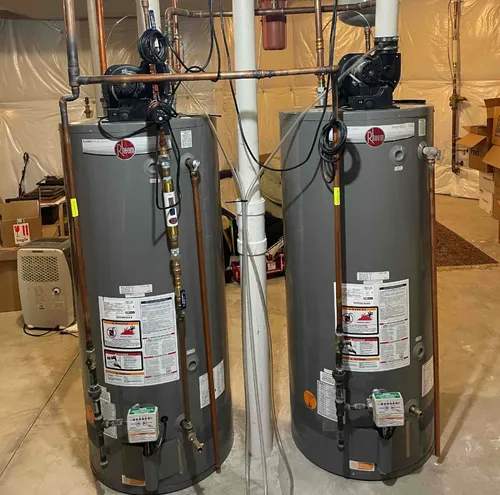
Tony LaMartina Plumbing Co. Inc is a family-owned plumbing company serving St Louis, MO. They offer a wide range of plumbing services including water heater repair and installation, tankless water heater services, drain cleaning, hydro jetting, sewer line repair, trenchless sewer repair, leak detection, and repiping. The company has over 40 years of experience and a legacy of plumbing expertise in the St. Louis area dating back over 100 years. They emphasize thorough preparation and clean work practices to ensure quality results.
SOTAC Plumbing Services
St Louis, MO
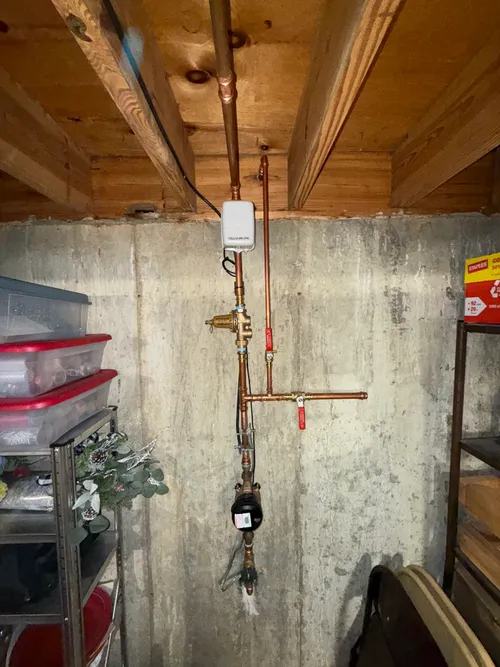
SOTAC Plumbing Services is a plumbing company based in St Louis, MO, offering a wide range of residential and commercial plumbing solutions. Their services include water heater installation, sump pump repair, sewer line repair, repiping, gas line installation, and garbage disposal repair. With over 18 years of experience, they focus on quality workmanship and customer satisfaction. One of their key capabilities is handling complex plumbing repairs and installations with skilled craftsmanship. They emphasize ethical and professional service throughout every project.
PK Plumbing
St Louis, MO
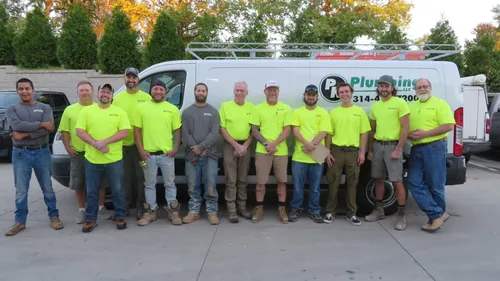
PK Plumbing is a licensed and insured plumbing service provider based in St. Louis, MO, offering a wide range of residential and commercial plumbing solutions. With over 45 years of combined experience from PK Plumbing and Aries Plumbing, they handle services including water heater installation and repair, sump pump repair, sewer line repair, drain cleaning, repiping, gas line installation, and leak detection. They use advanced equipment such as sewer camera inspections and state-of-the-art leak detection tools to accurately diagnose and efficiently resolve plumbing issues. PK Plumbing is locally owned and operated, emphasizing quality materials and industry best practices to ensure durable results.
Roto-Rooter Plumbing & Water Cleanup
110 W Main St #160, Belleville, IL 62220
Roto-Rooter Plumbing & Water Cleanup provides a wide range of plumbing services in St Louis, MO, including sewer line repair, water heater installation and repair, drain cleaning, and leak detection. They serve both residential and commercial customers, offering specialized services such as hydro jetting and trenchless sewer repair. The company is experienced in handling local plumbing challenges and complies with regional regulations. Roto-Rooter offers 24/7 emergency plumbing services to address urgent issues promptly. Their team also manages floodwater cleanup and mold remediation, supporting comprehensive water damage solutions.

Mr. Rooter Plumbing of St. Louis
1564 Fencorp Dr, Fenton, MO 63026
Mr. Rooter Plumbing of St. Louis offers a wide range of plumbing services for residential and commercial properties in St. Louis, MO. Their experienced team handles everything from drain cleaning and water heater installation to sewer line repair and leak detection. They specialize in repiping outdated pipes and use advanced technology such as sewer camera inspections and hydro jetting to diagnose and resolve plumbing issues efficiently. As a locally owned business, they emphasize safety and customer satisfaction with their Neighborly Done Right Promise®.
Understanding the Need for a Full Pipe Replacement
Knowing when it's time for a whole-house repiping, rather than just fixing individual leaks, is crucial. Older homes in Belleville, particularly those built before the 1980s, may have galvanized steel or polybutylene pipes that are prone to failure. Signs that your entire plumbing system may be failing include frequent pinhole leaks, discolored water (often brown or rusty), a noticeable drop in water pressure throughout the house, and recurring clogs. These symptoms indicate systemic corrosion or degradation that spot repairs can't solve. A complete pipe replacement addresses the root cause, providing peace of mind and protecting your home's value.
The Step-by-Step Repiping Process
A professional repiping job is a multi-stage project managed by experienced contractors. Understanding what to expect can help you prepare and communicate effectively with your chosen plumber.
1. Initial Inspection and Planning
The process begins with a thorough assessment. A licensed plumber will inspect your current plumbing system, often using cameras to see inside walls, to map out all water lines and identify problem areas. They will discuss your options for new piping materials (like PEX, CPVC, or copper) and develop a detailed plan. This stage also involves securing the necessary permits from local Belleville authorities, which the contractor typically handles.
2. Gaining Access and Removing Old Pipes
To replace the pipes, technicians need access behind walls and under floors. They will strategically open sections of drywall, ceiling, or flooring to reach the old plumbing lines. This is done with as much care as possible to minimize damage. The old pipes are then carefully cut out and removed from the home.
3. Installing the New Water Supply System
This is the core of the project. The new network of hot and cold water lines is installed according to the planned layout. The plumber will run the new pipes from the main water shut-off valve to every fixture in your home-sinks, toilets, showers, the water heater, and appliances. All connections are made securely at fixtures and junction points.
4. Pressure Testing and Inspection
Before closing up the walls, the new system must be rigorously tested. The plumber will pressurize the entire network with air or water to check for any leaks at connections or along the pipe runs. This critical step ensures the integrity of the installation. In many cases, a city inspector will also visit to approve the work before walls are sealed 1 2.
5. Restoration and Cleanup
Once the system passes inspection, the restoration phase begins. The openings made in your walls and ceilings are patched, repaired, and textured to match the surrounding areas. Any flooring that was removed is reinstalled. A reputable crew will then perform a thorough cleanup, removing all debris, dust, and materials from the job site, leaving your home functional and tidy 3.
Choosing the Right Piping Material
The material you choose for your new pipes is a major decision that affects cost, longevity, and performance. Here are the most common options used in Belleville repiping projects.
PEX (Cross-linked Polyethylene): This flexible, plastic tubing has become the go-to choice for modern repiping. Its flexibility allows it to be snaked through walls with fewer fittings, reducing potential leak points and installation time. PEX is highly resistant to scale and corrosion, doesn't pinhole like copper, and performs well in freezing conditions. It is also generally the most affordable option.
CPVC (Chlorinated Polyvinyl Chloride): CPVC is a rigid plastic pipe that has been used for decades. It is cheaper than copper and resistant to corrosion. However, it can become brittle over time, especially if exposed to direct sunlight, and has a shorter expected lifespan than PEX or copper. It requires more fittings and glue joints during installation 4.
Copper: The traditional gold standard for water lines, copper is extremely durable and has a proven track record lasting 50+ years. It is rigid and requires more labor-intensive installation, often involving more demolition to fit the straight pipe sections and soldered joints. While offering excellent performance, copper is the most expensive material option due to both material costs and higher installation labor 5 6.
Find the perfect repiping contractors for your needs
Get personalized recommendations and expert advice
Project Timeline and Cost Considerations
The scope of a whole-house repiping means planning for both time and budget.
How Long Does Repiping Take? For an average-sized home in Belleville, you can expect the physical repiping work to take between 2 days to 1 week. The timeline depends heavily on the size of your home, the number of bathrooms and fixtures, the chosen material (PEX is often faster to install), and the complexity of accessing the old pipes. Remember to factor in additional time for the initial inspection/permitting and the final wall repair and painting.
What is the Cost of Repiping? Repiping is a significant investment in your home. Costs in the Belleville area typically range from $4,000 to $15,000 or more, with an average project often landing around $7,500 for PEX or CPVC systems. Several key factors drive the final price:
- Home Size & Layout: More square footage and more bathrooms mean more materials and labor.
- Pipe Material: Copper is the most expensive, followed by CPVC, with PEX usually being the most cost-effective.
- Labor & Access: Complex layouts or homes with finished basements and limited access can increase labor time.
- Permits & Restoration: Permit fees and the cost to repair walls, ceilings, and floors are part of the total project cost 7 8 9 10.
How to Prepare Your Belleville Home for Repiping
Proper preparation can make the process smoother for both you and the plumbing crew.
- Clear the Access Paths: Move furniture, rugs, and personal items away from walls where work will occur, especially in bathrooms, kitchens, and utility rooms.
- Protect Belongings: Use plastic sheeting to cover furniture, electronics, and valuables in adjacent rooms to protect them from dust.
- Plan for Water Outages: You will be without running water for periods during the installation. Fill containers with water for drinking and cooking, and plan accordingly for toilet use.
- Secure Pets & Children: The worksite will have tools, debris, and open walls. It's safest to keep kids and pets in a different part of the home or make arrangements for them to be elsewhere during active work hours 11 12.
Finding a Qualified Repiping Professional
Selecting the right contractor is the most important step. Look for a licensed, insured plumber with specific experience in whole-house repiping projects. They should provide a detailed, written estimate that breaks down material costs, labor, permits, and restoration. Don't hesitate to ask for references from past repiping clients in Belleville and verify their standing with the local licensing board. A trustworthy professional will guide you through material choices, the permit process, and the project timeline with clear communication.
Frequently asked questions
Sources
Footnotes
-
Piping & Repiping Services in Belleville, IL - Bel-O Cooling & Heating - https://www.belocooling.com/plumbing-services/piping-repiping-services/ ↩
-
Whole-House Repiping: Step-by-Step Guide - https://www.veteranplumbing.us/whole-house-repiping-step-by-step-guide/ ↩
-
What the Residential Repiping Process Involves - https://www.trmillerheatingandcooling.com/what-the-residential-repiping-process-involves/ ↩
-
Whole-House Repiping: When Is It Time to Replace Your Old ... - https://www.sunkelplumbing.com/plumbing-tips/whole-house-repiping-when-is-it-time-to-replace-your-old-pipes ↩
-
What to Expect During a Home Repiping Process - Vito Services - https://vitoservices.com/what-to-expect-during-a-home-repiping-process/ ↩
-
How Much Does It Cost to Repipe a House? - https://therepipecompany.com/faqs/how-much-does-it-cost-to-repipe-my-home/ ↩
-
What Is Involved With Repiping A House? | HELP Plumbing - https://333help.com/blog/what-is-involved-with-repiping-a-house/ ↩
-
Repiping a House: Essential Guide | American Mains & Drains - https://www.americanmainsanddrains.com/post/repiping-a-house-guide ↩
-
Repiping a House: What's Involved & How Much it Costs - https://www.rjtilley.com/blog/2022/january/repiping-a-house-what-s-involved-how-much-it-cos/ ↩
-
Piping & Repiping in Carmichael | Mr. Drain - https://www.mrdrainplumbers.com/plumbing-services/piping-repiping/ ↩
-
How to Prepare for a Whole-House Repiping - Ray The Plumber - https://raytheplumber.com/uncategorized/how-to-prepare-for-a-whole-house-repiping/ ↩
-
What Is Repiping? A Comprehensive Guide | CPI Service - https://cpiservice.com/blog/what-is-repiping/ ↩