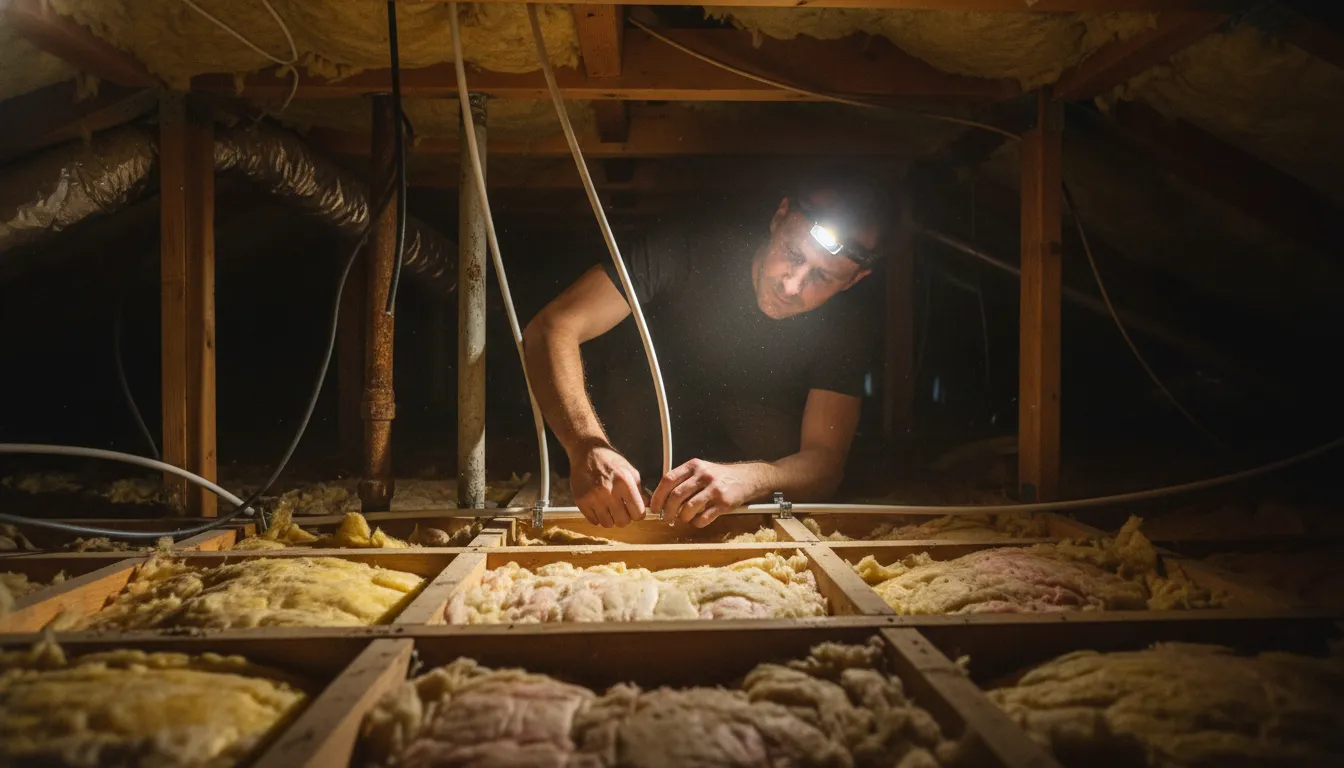
Find the Best Repiping Contractors for Your Business
No obligation • Fast responses • Nationwide coverage

Why you can trust Search a Plumber
Search a Plumber is a leading United States resource for finding and evaluating professional plumbing services. Our team researches licensing, experience, and customer feedback to create unbiased, fact-driven overviews. Companies cannot pay to change ratings or placement, ensuring homeowners get trustworthy information.
Search providers near you
Top Repiping Contractors in Stamford, Connecticut Ranked
If you're a Stamford homeowner dealing with persistent leaks, rusty water, or low water pressure, the issue may lie within the walls. Your home's entire network of water supply pipes may be failing. A whole-house repiping project involves replacing all the old, compromised plumbing lines with a new, modern system. This significant upgrade restores water quality, pressure, and reliability for decades to come. The following guide explains what a full plumbing system replacement entails, helping you understand the process, materials, and considerations for finding a qualified professional in Stamford to assess your needs.
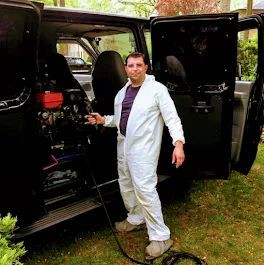
DC NY Sewer and Mechanical
New York, NY
DC NY Sewer and Mechanical is a plumbing service provider based in New York, NY. They offer a wide range of plumbing solutions including sewer camera inspections, water heater repair and installation, drain cleaning, hydro jetting, leak detection, repiping, and garbage disposal repair. Their services cover both residential maintenance and repair needs, using modern equipment to diagnose and fix issues such as corrosion, leaks, and clogs efficiently. The company emphasizes comprehensive plumbing repairs to prevent recurring problems and supports upgrades like water heater replacements and water softener installations.
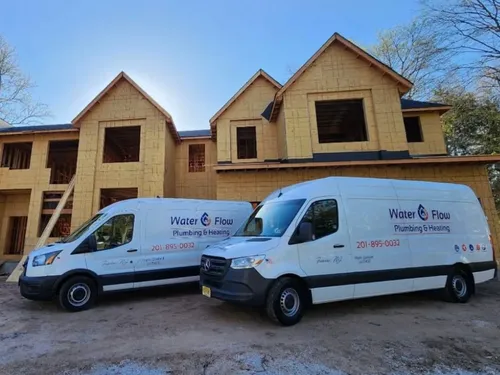
Water Flow Plumbing & Heating LLC
7th St, Fairview, NJ 07022
Water Flow Plumbing & Heating LLC is a family-run business based near New York, NY, serving builders and homeowners across Northern New Jersey. With 25 years of experience, they specialize in plumbing, heating, and water treatment services including water softener installation, leak detection, and repiping. Their expertise includes whole house water softener and filtration system installation, starting with a water test to identify contaminants. Founded by a New Jersey Master Plumber, the company is licensed and insured, focusing on quality workmanship and customer partnerships.
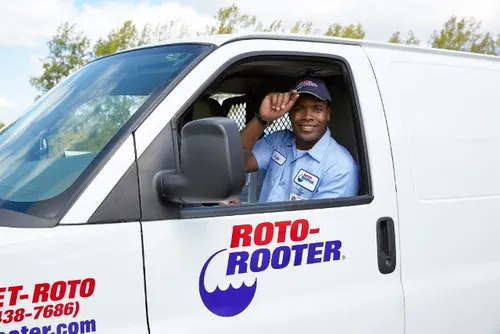
Roto-Rooter Plumbing & Water Cleanup
2 Lake St, Bergenfield, NJ 07621
Roto-Rooter Plumbing & Water Cleanup provides a wide range of plumbing services in New York, NY, including drain cleaning, sewer line repair, water heater installation and repair, leak detection, and gas line installation. They serve both residential and commercial clients, offering specialized services such as hydro jetting and trenchless sewer repair. With expertise in local building codes and urban plumbing challenges, Roto-Rooter uses advanced technology like high-definition inspection cameras to address complex plumbing issues efficiently. The company offers 24/7 emergency plumbing services to handle urgent problems at any time.
Roto-Rooter Plumbing & Water Cleanup
3 Alan B Shepard Jr Pl Ste A, Yonkers, NY 10705
Roto-Rooter Plumbing & Water Cleanup provides comprehensive plumbing services in New York, NY, specializing in residential and commercial plumbing solutions. Their offerings include sewer and drain cleaning, water heater repair and installation, leak detection, and trenchless sewer repair. They use advanced technology such as video camera sewer inspections to diagnose and address plumbing issues efficiently. Serving the Yonkers metro area, Roto-Rooter is available 24/7 for emergency plumbing services, including floodwater cleanup and water damage restoration.
H&A Queens Plumbing
89-47 215th Pl, Queens Village, NY 11427
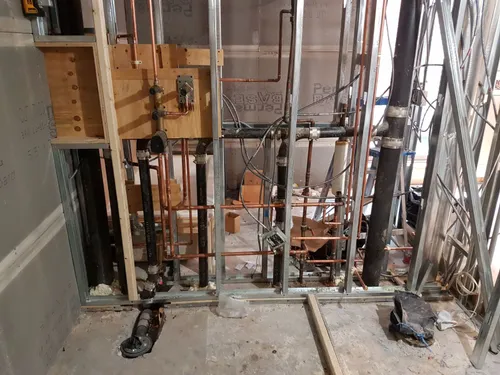
H&A Queens Plumbing is a licensed plumbing contractor serving residential and commercial clients in New York, NY. They provide a wide range of services including water heater installation and repair, gas line installation, drain cleaning, leak detection, repiping, toilet repair, and garbage disposal installation. The company is led by a licensed master plumber with extensive experience and offers 24/7 emergency plumbing services. H&A Queens Plumbing emphasizes upfront pricing with no hidden fees and stands behind their workmanship with a satisfaction guarantee.
Understanding the Need for a Full Plumbing System Replacement
Over time, all plumbing materials degrade. In many Stamford homes, particularly those built before the 1970s, the original pipes may be galvanized steel or even lead. Galvanized pipes are prone to internal corrosion and rust buildup, which severely restricts water flow and can contaminate your water with rust particles. Lead pipes, while now banned, pose serious health risks. Even copper pipes, a long-standing standard, can develop pinhole leaks from corrosion over many decades. If you're experiencing multiple leaks, a persistent drop in water pressure, or discolored water, spot repairs may only be a temporary fix. A comprehensive pipe replacement addresses the root cause by removing the entire aging system.
The Step-by-Step Process of Whole-House Repiping
A full residential repiping is a major project that requires careful planning and execution by licensed professionals. Understanding the stages can help you prepare for the disruption and ensure the job is done correctly.
1. Inspection and Project Planning
The process begins with a thorough assessment. A licensed plumber will inspect your current plumbing system to identify the type of existing pipes, the extent of corrosion or damage, and the layout of your home. They will check for signs like frequent leaks, water discoloration, and poor pressure to confirm that a full re-pipe is necessary over isolated repairs 1. This stage is crucial for creating a detailed plan for the new pipe layout and obtaining an accurate estimate.
2. Permitting and Preparation
In Stamford and throughout Connecticut, a permit is typically required for a whole-house repiping project. Your plumbing professional will usually handle pulling the necessary permits from local building authorities, ensuring the work complies with all current codes. Before work begins, you'll need to prepare your home by clearing out cabinets under sinks, removing items from walls where work will occur, and planning for limited water access during the project.
3. Gaining Access and Removing Old Pipes
This is the most invasive phase. To reach the old plumbing lines running inside walls, under floors, and above ceilings, plumbers must strategically cut access holes in drywall and plaster 2. The old pipes-whether galvanized, lead, or corroded copper-are then completely disconnected and removed from the house. The number and size of access points depend on your home's layout and the existing pipe runs.
4. Installing the New Plumbing System
With the old pipes out, the plumber installs the new network of water supply lines. They will run new pipes from the main water shut-off valve to every fixture in the house: sinks, toilets, showers, washing machine, water heater, etc. 3. The installation must follow the planned layout, ensuring proper support and slope. This phase also includes installing new shut-off valves for individual fixtures, which adds convenience for future maintenance.
5. Pressure Testing and Inspection
Once the new pipes are installed but before the walls are closed up, the system undergoes rigorous testing. The plumber will pressurize the new lines with air or water to check for any leaks at connections or fittings 4. This critical step ensures the integrity of the entire installation. In some cases, a municipal inspector may also need to visit to approve the work before it is covered up.
6. Patching and Restoration
After the system passes inspection, the restoration phase begins. The access holes cut into your walls, ceilings, and floors need to be patched, re-taped, and re-textured to match the surrounding area 5. While many plumbing companies offer basic patching, you may need to coordinate with a drywall contractor or painter for a seamless finish. Finally, the work area is cleaned up, leaving your home functional.
Find the perfect repiping contractors for your needs
Get personalized recommendations and expert advice
Material Options for Your New Pipes
The choice of piping material affects the project's cost, longevity, and performance. Today's plumbers typically use one of three main materials for supply line replacement.
PEX (Cross-linked Polyethylene): This flexible, plastic tubing has become the most popular choice for repiping projects. Its flexibility allows it to be snaked through walls with fewer fittings, which can reduce labor time and potential leak points. PEX is highly resistant to scale and chlorine, doesn't corrode, and can expand slightly if water freezes, reducing burst risk 6 7. It's generally the most cost-effective option.
Copper: The traditional choice for decades, copper pipes are durable, resistant to bacteria, and can handle high heat. Many homeowners appreciate its long track record and reliability 8 9. However, copper is significantly more expensive than PEX, both in material cost and installation labor, as it requires soldering each joint. It's also susceptible to theft from construction sites and can develop pinhole leaks in certain water conditions.
CPVC (Chlorinated Polyvinyl Chloride): Another rigid plastic option, CPVC is a common material for both hot and cold water lines. It's less expensive than copper and is glued together with solvent cement 10. While affordable, it can become brittle over time, especially if exposed to sunlight, and may not be as impact-resistant as other options.
Your plumber can recommend the best material for your Stamford home based on your budget, water quality, and local code preferences.
Project Timeline and Cost Considerations
A whole-house repiping is not a one-day job. For an average single-family home in Stamford, you should expect the physical plumbing work to take between 3 days to a full week, depending on the size of the home, the number of bathrooms, and the complexity of the layout. The subsequent drywall patching, texturing, and painting will add additional time to the overall project.
Costs are highly variable and depend on several key factors:
- Home Size and Layout: A larger home with more bathrooms costs more.
- Chosen Pipe Material: Copper is typically the most expensive, followed by CPVC, with PEX often being the most economical.
- Extent of Wall Access: The more walls that need to be opened, the higher the labor and restoration costs.
- Local Labor Rates: Costs in the Stamford area will reflect local market rates.
Given these variables, the total investment for a whole-house repiping in Stamford can range from roughly $3,000 on the very low end for a small home with PEX, to $20,000 or more for a large home with copper piping 11 12 13. It is essential to get detailed, written estimates from multiple licensed and insured plumbing contractors. A thorough quote should break down material costs, labor, permit fees, and a clear scope of what restoration work is included.
What to Expect During the Project
Living in your home during a repipe requires preparation. There will be significant noise from cutting and drilling. Water service will be shut off for extended periods during the core installation days, so you'll need to plan accordingly. Dust and debris are inevitable. A reputable plumbing team will use drop cloths and try to contain the mess, but you should remove valuables and fragile items from the work areas. Despite the temporary disruption, the result is a like-new plumbing system that provides clean, reliable water and peace of mind for years to come 14 15.
Frequently asked questions
Sources
Footnotes
-
What Is Involved in Repiping a House? - Apollo HVAC & Plumbing - https://gotoapollo.com/2024/03/06/what-is-involved-in-repiping-a-house/ ↩
-
Whole-House Repiping: Step-by-Step Guide - https://www.veteranplumbing.us/whole-house-repiping-step-by-step-guide/ ↩
-
What the Residential Repiping Process Involves - https://www.trmillerheatingandcooling.com/what-the-residential-repiping-process-involves/ ↩
-
How Much to Repipe a House? - Reliant Plumbing - https://reliantplumbing.com/plumbing/pipe-repairs/whole-house-repipe-cost/ ↩
-
What Is Involved With Repiping A House? | HELP Plumbing - https://333help.com/blog/what-is-involved-with-repiping-a-house/ ↩
-
Repiping a House: What's Involved & How Much it Costs - https://www.rjtilley.com/blog/2022/january/repiping-a-house-what-s-involved-how-much-it-cos/ ↩
-
What is the Cost to Repipe a House in Central Florida? - https://rainaldihomeservices.com/articles/what-is-the-cost-to-repipe-a-house-in-central-florida ↩
-
Understanding the Different Types of Plumbing Pipes - https://qualityplumbing.com/types-of-plumbing-pipes/ ↩
-
The Pros and Cons of Different Types of Plumbing Pipes - https://www.mrrooter.com/greater-syracuse/about-us/blog/2019/july/the-pros-and-cons-of-different-types-of-plumbing/ ↩
-
What Is Involved in Repiping a House? - Allied Foundation - https://www.crackedslab.com/blog/what-is-involved-in-repiping-a-house ↩
-
Replacing Old Pipes: 2026 Costs, Options, and What to Expect - https://modernize.com/plumbing/systems/water-supply/replacing-old-pipes ↩
-
How Long Do Professional Repiping Services Take? - https://santanabrosplumbing.com/how-long-do-professional-repiping-services-take/ ↩
-
How Much Does It Cost to Repipe a House? [2026 Data] | Angi - https://www.angi.com/articles/cost-to-repipe-a-house.htm ↩
-
How Much to Repipe a House: A Comprehensive Cost Guide - https://www.benjaminfranklinplumbing.com/league-city/blog/2024/december/how-much-to-repipe-a-house-a-comprehensive-cost-guide/ ↩
-
Pipe Repair vs. Repiping | How to Know When It's Time for a ... - https://stevehuffplumbing.com/pipe-repair-vs-repiping-guide/ ↩