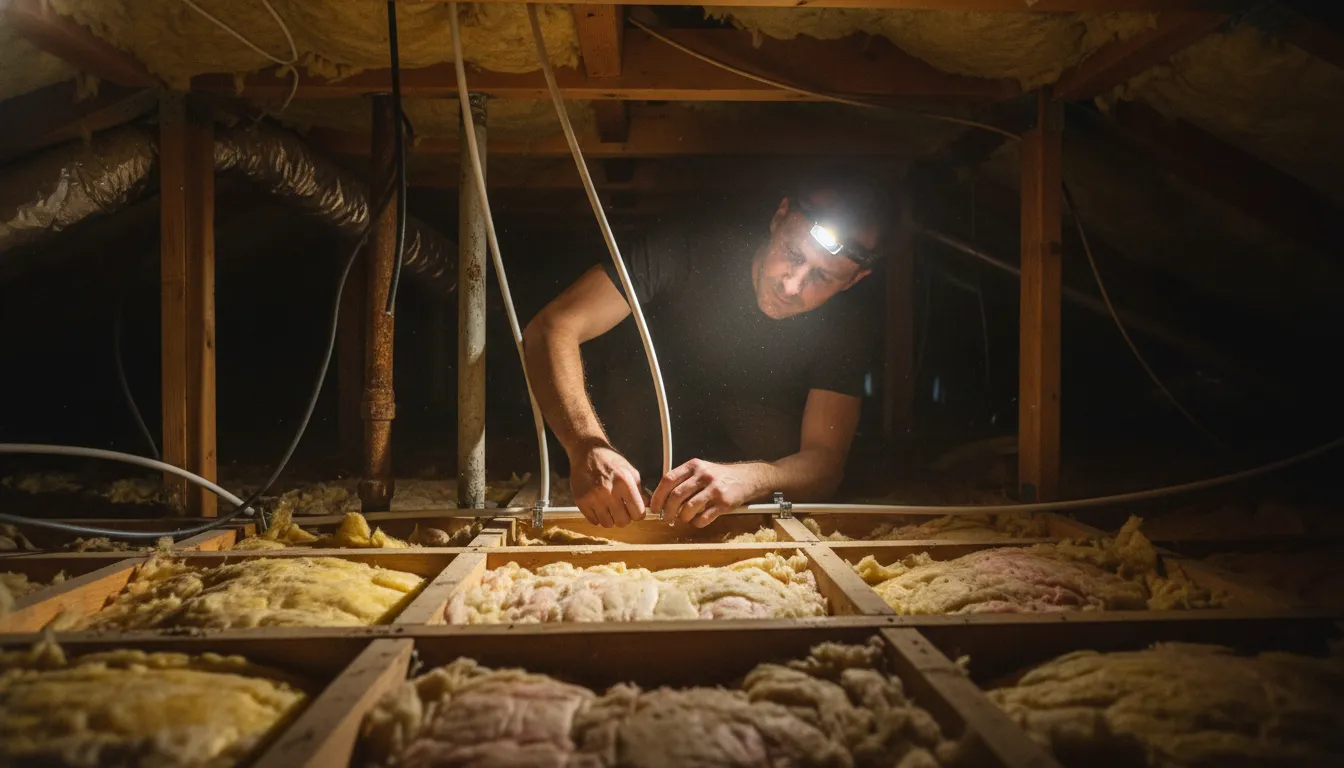
Find the Best Repiping Contractors for Your Business
No obligation • Fast responses • Nationwide coverage

Why you can trust Search a Plumber
Search a Plumber is a leading United States resource for finding and evaluating professional plumbing services. Our team researches licensing, experience, and customer feedback to create unbiased, fact-driven overviews. Companies cannot pay to change ratings or placement, ensuring homeowners get trustworthy information.
Search providers near you
Top Repiping Contractors in Woodland, California Ranked
A whole-home repiping project is a significant investment in your property's health, safety, and value. It involves replacing your home's aging or failing water supply and drain lines with new, modern piping. This process is crucial for resolving persistent plumbing issues like low water pressure, discolored water, and leaks that stem from internal pipe corrosion. For Woodland homeowners, understanding the scope, materials, and process of a repipe is the first step toward finding a qualified local professional to restore the integrity of your plumbing system.
Top Rank Plumbing
Sacramento, CA
Top Rank Plumbing is a family-operated plumbing company serving Sacramento, CA. They provide a wide range of residential and commercial plumbing services including drain cleaning, hydro jetting, sewer camera inspections, water heater repair and installation, leak detection, repiping, gas line installation, and sewer line repair. Their licensed and insured technicians use advanced tools to deliver solutions tailored to each property. The company offers 24/7 emergency plumbing services and same-day scheduling to address urgent plumbing needs promptly.
Paradise Plumbing Pros
4100 Wayside Ln # 100, Carmichael, CA 95608
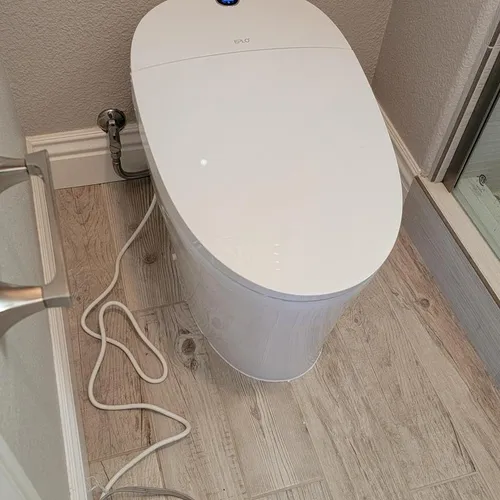
Paradise Plumbing Pros is a plumbing service provider based in Sacramento, CA, offering a wide range of residential plumbing solutions. Their services include sewer camera inspections, water heater repair and installation, tankless water heater services, water softener installation, drain cleaning, hydro jetting, sewer line repair, leak detection, repiping, gas line installation, toilet repair, and garbage disposal repair. They are equipped to handle complex plumbing issues with expertise and advanced equipment, including hydro jetting to clear blockages and camera inspections to diagnose sewer line problems. Paradise Plumbing Pros provides 24/7 emergency plumbing services to ensure timely assistance whenever needed. The company is known for its skilled and certified plumbers who deliver comprehensive solutions with attention to detail and transparency.
Ducks Plumbing Heating Air
Sacramento, CA
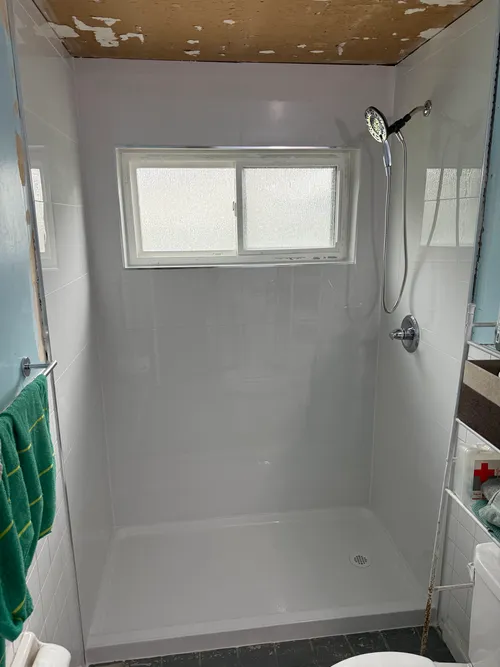
Ducks Plumbing Heating Air provides plumbing, HVAC, and bathroom remodeling services in Sacramento, CA. They serve the greater Sacramento area including Elk Grove, Roseville, Citrus Heights, Davis, and Folsom. Their plumbing services cover sewer camera inspections, water heater repairs, water softener installations, drain cleaning, hydro jetting, sewer line repairs including trenchless methods, repiping, gas line installations, and repairs for toilets and garbage disposals. The company also offers heating and air conditioning installation and repair, as well as full bathroom remodels. Ducks Plumbing Heating Air emphasizes affordable services with attention to detail for homeowners throughout the region.
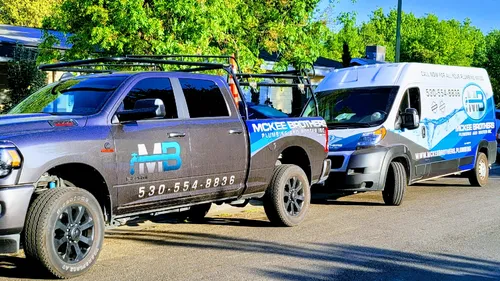
McKee Brothers Plumbing and Rooter Inc
555 Kentucky Ave suite 1, Woodland, CA 95695
McKee Brothers Plumbing and Rooter Inc is a plumbing company serving Sacramento, CA, and nearby areas. They offer a wide range of plumbing services including sewer camera inspections, water heater repair and installation, water softener installation, drain cleaning, sewer line repair, leak detection, and repiping. With over 20 years of experience, their team handles both residential and commercial plumbing needs. They provide 24/7 emergency plumbing services to address urgent issues at any time. Their expertise includes complete repiping projects and water purification services, ensuring plumbing systems operate efficiently and safely. McKee Brothers Plumbing and Rooter Inc is known for its comprehensive plumbing solutions and around-the-clock availability in the Sacramento area.

5 Star Plumbing
4616 Roseville Rd, North Highlands, CA 95660
5 Star Plumbing is a licensed and insured plumbing company serving Sacramento, CA. They offer a wide range of residential plumbing services including sewer camera inspections, water heater repair and installation, drain cleaning, hydro jetting, sewer line repair, leak detection, repiping, gas line installation, toilet repair, and garbage disposal repair. With over 8 years of experience, their team is equipped to handle both routine maintenance and emergency plumbing needs. They provide upfront quotes, a lifetime guarantee on their work, and emphasize thorough inspections to prevent property damage. 5 Star Plumbing also offers 24/7 emergency services to address urgent plumbing issues promptly.
Understanding the Need for a Whole-House Repipe
Over time, the pipes hidden within your walls and under your floors can deteriorate. In many Woodland homes, especially those built several decades ago, this is not a matter of if but when. The most common triggers for considering a full pipe replacement are systemic failures that go beyond a simple fix.
Key signs your home may need repiping include:
- Discolored Water: Brown, yellow, or rusty water is a classic indicator of corroding galvanized steel or old copper pipes 1.
- Persistently Low Water Pressure: Mineral buildup and corrosion inside pipes severely restrict water flow.
- Frequent Leaks: If you're constantly patching pinhole leaks, it often signals the entire pipe system is failing 2.
- Pipe Age: Plumbing systems using galvanized steel have a lifespan of 40-50 years. If your home is older, the pipes are likely at the end of their service life 3.
Addressing these issues with a full repipe isn't just about stopping leaks; it's about ensuring clean water, reliable pressure, and preventing potential water damage to your home's structure for decades to come.
The Repiping Process: A Step-by-Step Overview
A professional repiping job is a multi-stage project managed by experienced plumbers. Knowing what to expect can help you prepare your home and family for the work.
1. Inspection and Planning The process begins with a thorough assessment. A licensed plumber will evaluate your current system, identify all problem areas, and map out the new pipe runs. This is when you'll discuss material options (like PEX or copper) and develop a detailed plan for the project.
2. Gaining Access and Removal To reach the old pipes, plumbers must create strategic access points by cutting small openings in drywall or ceilings. After shutting off the main water supply, the old supply and drain lines are carefully removed 4.
3. Installation of New Piping The new network of pipes is installed according to modern codes. This includes securing pipes properly, making all connections watertight, and ensuring the system is balanced for even pressure throughout the home.
4. Pressure Testing and Inspection Before closing up walls, the new system is pressurized with air or water to test for leaks. This critical step ensures the installation is sound and will perform reliably 5.
5. Finishing and Cleanup Once the plumbing passes inspection, the access holes are patched, and drywall repair begins. A reputable service will leave your home clean, with all debris removed and your new water system ready for use 6.
Choosing the Right Pipe Material for Your Home
The choice of material is a major decision in any pipe replacement project, affecting cost, longevity, and performance. Today's homeowners in Woodland typically choose from these options:
- PEX (Cross-linked Polyethylene): This flexible, plastic tubing has become the go-to choice for many repipes. It's highly resistant to scale and corrosion, easier and faster to install with fewer fittings, and is generally more affordable than copper. Its flexibility allows it to expand, making it more resistant to freezing bursts 7.
- Copper: The traditional, time-tested material. Copper pipes are extremely durable, have a long lifespan, and can handle high heat. They are, however, more expensive both in material cost and labor due to the soldering required for joints. They are also susceptible to theft from vacant properties 8 9.
- CPVC (Chlorinated Polyvinyl Chloride): A rigid plastic pipe often used as an alternative to copper. It's less expensive and resistant to corrosion, but can become brittle over time and is not as commonly used for whole-house repipes as PEX in new installations 10.
- PVC/ABS: These rigid plastics are standard for Drain, Waste, and Vent (DWV) lines-the pipes that carry wastewater away. They are cost-effective, durable, and not used for pressurized drinking water supply 11.
Your plumber can advise on the best material for your specific home, budget, and local water conditions.
Find the perfect repiping contractors for your needs
Get personalized recommendations and expert advice
What Determines the Cost and Timeline?
The total investment for a repipe in Woodland varies widely based on several factors unique to your property.
Primary Cost Factors:
- Home Size and Layout: A larger home with more bathrooms and a complex layout requires more materials and labor. A multi-story home is typically more involved than a single-story ranch.
- Scope of Work: Are you replacing just the hot and cold water supply lines, or does the project also include the drain, waste, and vent (DWV) system? A full-system repipe is more extensive.
- Pipe Material: As discussed, copper is generally more expensive than PEX.
- Accessibility: Pipes hidden behind finished walls and ceilings require more time to access and repair afterward, increasing costs.
- Local Labor Rates: Costs in the greater Sacramento region, including Woodland, reflect local market conditions.
Given these variables, whole-house repiping in California can range from $5,000 to over $20,000, with many complete projects for average-sized homes falling between $6,000 and $15,000 12 13. It's essential to get detailed, written estimates from several licensed contractors.
Project Timeline: A typical whole-house repipe is not an overnight job. It requires careful work. For an average home, the plumbing work itself often takes 2 to 5 days. However, the total project timeline extends to account for drywall repair, texturing, and painting, which can bring the total to one to three weeks from start to final cleanup 14. Your plumber should provide a clear schedule.
Benefits Beyond Fixing Leaks
While stopping leaks is the immediate goal, the advantages of a new plumbing system are far-reaching:
- Improved Water Quality: Eliminate rust and sediment from old pipes for cleaner, better-tasting water.
- Consistent Water Pressure: Enjoy strong, reliable water flow from every faucet and showerhead.
- Increased Home Value: A modern, leak-free plumbing system is a strong selling point.
- Reduced Risk of Water Damage: Proactively replacing failing pipes prevents catastrophic leaks that can ruin drywall, flooring, and personal belongings.
- Enhanced Efficiency: New pipes have less friction and buildup, which can contribute to minor savings on water heating costs.
Preparing for a Repiping Project
A little preparation can make the process smoother for everyone:
- Clear the Work Areas: Move furniture, decorations, and stored items away from walls where plumbers will need access.
- Plan for Water Outages: You will be without water for periods during the work. Your plumber will give you notice for longer outages.
- Discuss Living Arrangements: The noise, dust, and lack of water can be disruptive. Some families choose to stay elsewhere during the core plumbing phase.
- Secure Permits: A reputable, licensed plumbing contractor will handle all necessary permits and inspections with the local building department, which is a non-negotiable step for a job of this scale.
Frequently asked questions
Sources
Footnotes
-
Everything You Need To Know About Repiping A House - https://canyonhillsplumbing.com/everything-you-need-to-know-about-repiping-a-house/ ↩
-
Whole-Home Repiping in Woodland, CA | Hall's Plumbing - https://www.hallsplumbing.net/repiping-water/ ↩
-
Epoxy Pipe Lining vs Repiping: Which Is Right For Your Home - https://www.integrityrepipe.com/epoxy-pipe-lining-vs.-repiping-which-is-right-for-your-home/ ↩
-
What Is Involved With Repiping A House? - HELP Plumbing - https://333help.com/blog/what-is-involved-with-repiping-a-house/ ↩
-
Whole-House Repiping: Step-by-Step Guide - https://www.veteranplumbing.us/whole-house-repiping-step-by-step-guide/ ↩
-
What Is Involved in Repiping a House? - Apollo HVAC & Plumbing - https://gotoapollo.com/2024/03/06/what-is-involved-in-repiping-a-house/ ↩
-
How Much to Repipe a House: A Comprehensive Cost Guide - https://www.benjaminfranklinplumbing.com/league-city/blog/2024/december/how-much-to-repipe-a-house-a-comprehensive-cost-guide/ ↩
-
Whole-Home Repiping (Copper & PEX) | Super Brothers - https://www.superbrothers.com/repipe/ ↩
-
How Much to Repipe a House? - https://reliantplumbing.com/plumbing/pipe-repairs/whole-house-repipe-cost/ ↩
-
Everything You Need To Know About Repiping A House - https://canyonhillsplumbing.com/everything-you-need-to-know-about-repiping-a-house/ ↩
-
Comprehensive Guide to Whole House Repiping: Discover When, Why, and How - Absolute Airflow - https://www.absoluteairflow.com/comprehensive-guide-to-whole-house-repiping/ ↩
-
How Much Does It Cost to Repipe a House in California - https://cycloneplumbingusa.com/how-much-does-it-cost-to-repipe-a-house-in-california/ ↩
-
How Much Does It Cost to Repipe a House in the Bay Area? - https://total-uc.com/how-much-does-it-cost-to-repipe-a-house/ ↩
-
Whole House Repiping Services Santa Clara, CA - https://www.ejplumbing.com/plumbing-services/piping-repiping/ ↩