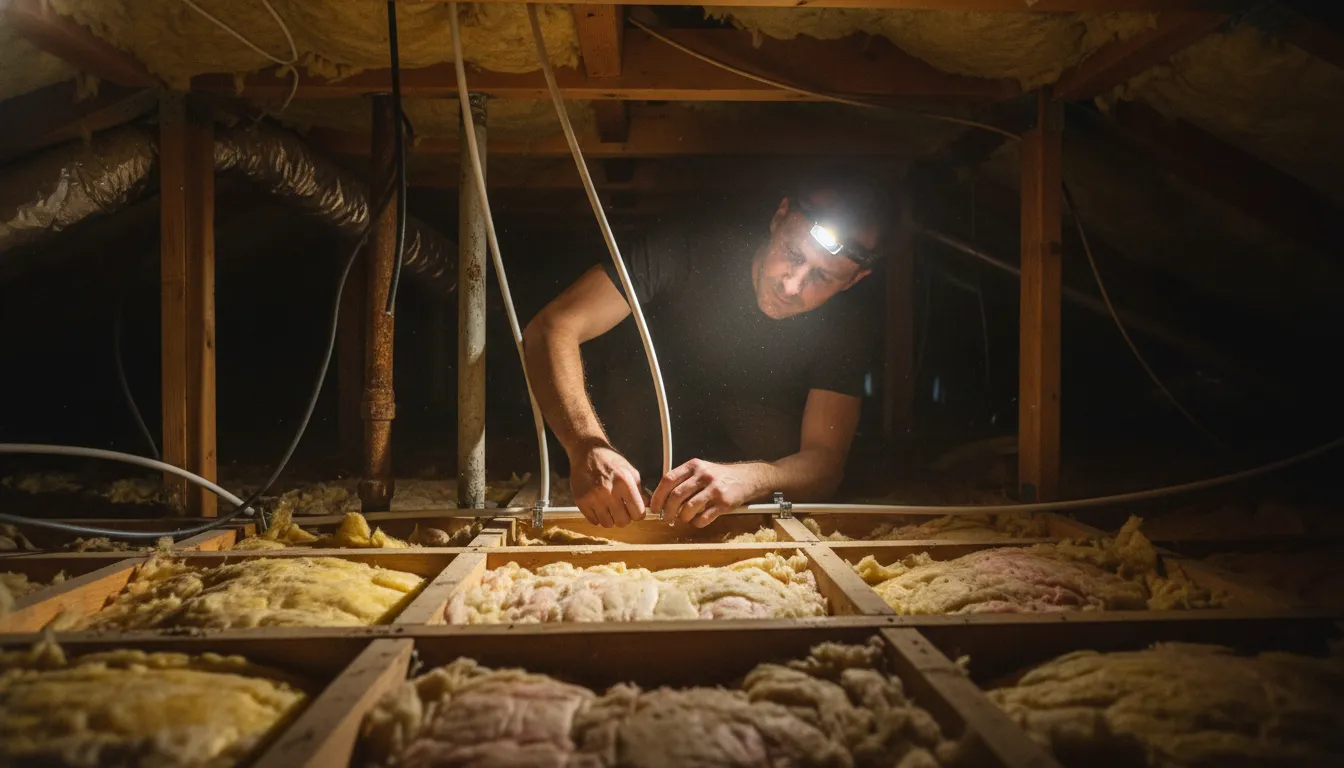
Find the Best Repiping Contractors for Your Business
No obligation • Fast responses • Nationwide coverage

Why you can trust Search a Plumber
Search a Plumber is a leading United States resource for finding and evaluating professional plumbing services. Our team researches licensing, experience, and customer feedback to create unbiased, fact-driven overviews. Companies cannot pay to change ratings or placement, ensuring homeowners get trustworthy information.
Search providers near you
Top Repiping Contractors in South San Francisco, California Ranked
If you're a homeowner in South San Francisco, you know that maintaining your property is key to preserving its value and your peace of mind. One of the most significant, yet often overlooked, systems is the network of pipes hidden behind your walls. A whole-house repiping project involves replacing your home's aging or failing water supply lines with new, modern materials. This isn't just about fixing leaks; it's about ensuring reliable water pressure, improving water quality, and protecting your home from costly water damage. For residents in South City, navigating this major plumbing upgrade can feel daunting. This guide will walk you through the entire process, from recognizing the signs you need new pipes to understanding costs and timelines, helping you make an informed decision for your home.
Roto-Rooter Plumbing & Water Cleanup
1780 Whipple Rd Ste 203G, Union City, CA 94587
Roto-Rooter Plumbing & Water Cleanup provides comprehensive plumbing services in San Jose, CA, specializing in residential and commercial plumbing solutions. Their offerings include sewer and drain cleaning, water heater repair and installation, leak detection, gas line installation, and trenchless sewer repair. The company is equipped to handle emergency plumbing situations with 24/7 availability, ensuring prompt response to issues like burst pipes and sewer backups. With extensive experience and advanced technology, Roto-Rooter addresses complex plumbing challenges efficiently. They also offer floodwater cleanup and mold remediation services, supporting property restoration after water damage. Serving the San Jose area and nearby communities, Roto-Rooter is a licensed and insured provider known for its broad range of plumbing capabilities and emergency service availability.
Service Pros Plumbers, Inc.
1320 Willow Pass Rd, Concord, CA 94520
Service Pros Plumbers, Inc. is a family-owned plumbing company serving Oakland, CA, with over 25 years of experience. They provide a wide range of plumbing services for residential and commercial customers, including water heater repair and installation, drain cleaning, sewer line replacement with trenchless options, leak detection, and gas line installation. Their licensed plumbers also offer whole-house repiping to improve water pressure and system efficiency. Service Pros Plumbers offers 24/7 emergency plumbing services to address urgent issues such as burst pipes and clogged drains promptly.
Dan's Plumbing & Sewer Service
15 Woodland Ave Suite B, San Rafael, CA 94901
Dan's Plumbing & Sewer Service is a family-owned plumbing company serving Oakland, CA, and surrounding Marin County areas. They offer a range of plumbing services including water heater repair and installation, leak detection, and repiping. With over 12 years in business and 22 years of combined experience, they focus on providing knowledgeable and dependable plumbing solutions tailored to local needs. Their expertise includes addressing complex plumbing issues and system upgrades, supported by a strong commitment to customer satisfaction.
Roto-Rooter Plumbing & Water Cleanup
1070 Marina Village Pkwy UNIT 202, Alameda, CA 94501
Roto-Rooter Plumbing & Water Cleanup provides comprehensive plumbing services in San Francisco, CA, specializing in residential and commercial plumbing solutions. Their offerings include sewer and drain cleaning, water heater repair and installation, leak detection, sewer line repair using trenchless methods, and emergency flood cleanup. The company uses advanced equipment like hydro-jetting to address complex plumbing issues efficiently. Serving Alameda and nearby counties, Roto-Rooter is available 24/7 for emergency plumbing needs, ensuring prompt response to urgent situations.
Plumbing Care Inc
2415 San Ramon Valley Blvd #4365, San Ramon, CA 94583
Plumbing Care Inc provides commercial and residential plumbing services in San Jose, CA, and the broader San Francisco Bay and Sacramento areas. They offer a wide range of services including water heater installation and repair, tankless water heater services, water softener installation, leak detection, repiping, drain cleaning, and garbage disposal repair. The company is experienced in handling slab repairs, spot repairs, and emergency plumbing needs. Plumbing Care Inc has completed over 75,000 jobs and serves multiple counties including Alameda, Contra Costa, Placer, and Sacramento.
What is Whole-House Repiping?
Whole-house repiping, also known as re-piping or a full plumbing replacement, is the comprehensive process of removing and replacing all the water supply pipes in your home. This includes the hot and cold water lines that run from your main water shut-off valve to every faucet, toilet, shower, and appliance. It does not typically include the larger drain, waste, and vent (DWV) pipes, unless specified. The goal is to replace outdated materials like galvanized steel or aging copper with modern, durable options, effectively giving your home a brand-new circulatory system for its water.
This major plumbing service is often undertaken when the existing pipe system is at the end of its useful life, plagued by persistent leaks, or causing issues with water quality and pressure. For many South San Francisco homes, especially those built several decades ago, repiping is not a matter of if but when. A successful pipe replacement project restores the integrity and efficiency of your home's most essential utility.
Signs You May Need a Plumbing Replacement
How do you know if your South San Francisco home is a candidate for a full re-pipe? Waiting for a pipe to burst is not the ideal strategy. Proactive homeowners watch for these key warning signs that your piping system is failing:
- Discolored Water: The most common indicator is rusty, brown, or yellow water coming from your taps, especially when you first turn them on in the morning. This is a sign of internal corrosion in galvanized steel or old iron pipes. You might even see small rust flakes in your sink or bathtub. 1
- Persistently Low Water Pressure: A gradual or sudden drop in water pressure throughout your home often points to mineral deposits and corrosion that have built up inside the pipes, severely restricting water flow.
- Frequent or Unexplained Leaks: If you're constantly patching pinhole leaks in your copper pipes or dealing with leaks at the joints of old plumbing, the entire system is likely compromised. One repair often leads to another as the water pressure shifts to other weak points. 2
- Visible Corrosion: Check the pipes in your basement, crawlspace, or under sinks. If you see significant rust, green patina on copper (indicating advanced corrosion), or signs of moisture around fittings, the integrity of the pipes is in question.
Ignoring these signs can lead to catastrophic water damage, mold growth, and much higher repair bills down the line. A professional assessment from a licensed plumber can confirm whether a spot repair or a full replacement is the most cost-effective long-term solution.
The Repiping Process: A Step-by-Step Overview
Understanding what happens during a pipe replacement can alleviate much of the anxiety surrounding the project. A professional plumbing team will manage a coordinated process designed to be as efficient and non-disruptive as possible.
- Initial Assessment and Planning: A licensed plumber will conduct a thorough inspection of your home's existing plumbing system. They will identify the pipe materials, map the current layout, assess wall and floor access points, and discuss your options. This is when you'll receive a detailed quote and plan.
- Preparation and Water Shutoff: Before work begins, you'll be advised on how to prepare your home, such as moving furniture and clearing access areas. The plumber will locate and shut off the main water supply to the house. Temporary water solutions might be arranged, but expect to be without running water for periods during the active plumbing work.
- Removal of Old Pipes: The team will cut and remove the old water supply lines. In many cases, especially with PEX installation, new lines can be run alongside old ones initially to minimize downtime before the final switchover. The old galvanized or corroded copper pipes are then fully extracted.
- Installation of New Plumbing: New supply lines are measured, cut, and installed according to the planned layout. This is the core phase where your new piping system takes shape, connecting the main line to all fixtures.
- Pressure Testing and Inspection: Once the new network is installed, the system is pressurized with air or water and meticulously checked for any leaks. This critical step ensures everything is sealed perfectly before the walls are closed up. A city inspector may also visit to approve the work if permits were required.
- Finishing and Restoration: After the plumbing passes inspection, the water is turned back on. The plumber will then patch the access holes made in the drywall, restore fixtures, clean up the work area, and ensure everything is functioning correctly. 3
Find the perfect repiping contractors for your needs
Get personalized recommendations and expert advice
Choosing the Right Pipe Material for Your Home
The choice of material for your new plumbing is one of the most important decisions in the repiping process. It affects cost, longevity, and performance. Here are the most common options used in South San Francisco repiping projects:
- PEX (Cross-Linked Polyethylene): This has become the go-to material for modern residential repiping. PEX tubing is flexible, allowing it to be run long distances with fewer fittings, which reduces potential leak points. It's highly resistant to scale and chlorine corrosion, doesn't corrode like metal, and can expand slightly if water freezes, making it more burst-resistant. 4 5 Installation is generally faster and less invasive than with rigid pipes, which can significantly lower labor costs. For most homeowners, PEX offers an excellent balance of durability, safety, and value.
- Copper: The long-time standard for water lines, copper is known for its durability and long lifespan (50+ years). It has natural antimicrobial properties and can withstand high heat. However, copper is much more expensive than PEX, both in material costs and due to the more labor-intensive soldering process required for installation. 6 7 It's also susceptible to a form of corrosion called pitting in certain water conditions. Many homeowners choose copper for its proven track record, though the premium cost is a significant factor.
- CPVC (Chlorinated Polyvinyl Chloride): A rigid plastic pipe that was popular before the rise of PEX. CPVC is cheaper than copper and resistant to corrosion. However, it becomes brittle over time and can be prone to cracking if frozen or mishandled. It requires solvent welding (gluing) at each joint.
- PVC: Primarily used for drain, waste, and vent (DWV) lines due to its size and durability for non-pressurized applications, PVC is seldom used for interior water supply lines in whole-house repiping.
Your plumber can advise on the best material for your specific home, budget, and local water conditions. In the Bay Area, PEX and copper are the most frequently discussed options.
What to Expect: Timeline and Costs in South San Francisco
Two of the most pressing questions for any homeowner are "How long will it take?" and "How much will it cost?"
Project Timeline: A whole-house repiping project in a typical South San Francisco home usually takes between 5 to 7 days for the core plumbing work. 8 9 However, the total timeline can range from a few days for a small, straightforward home to two or three weeks for a larger, multi-story residence with complex layouts or limited access. 10 The duration depends on the size of the home, the chosen pipe material (PEX is generally faster to install than copper), the number of fixtures, and how easily the plumbers can access the walls. Be prepared for scheduled periods without water during the workday.
Cost Breakdown: Repiping is a significant investment in your property. In California, and particularly in the Bay Area, costs are on the higher end of the national scale due to labor rates and living costs. You can expect a broad range from $5,000 to over $30,000, with many South San Francisco projects falling between $10,000 and $20,000+.11 12 13
Several key factors influence the final price:
- Home Size & Number of Fixtures: A 3-bedroom, 2-bath home will cost less than a 5-bedroom, 4-bath home with multiple kitchens.
- Pipe Material: Copper repiping can be 50-100% more expensive than a PEX system due to the cost of the metal and the additional labor. 14 15
- Wall Access & Complexity: If pipes are easily accessible through an unfinished basement or crawlspace, costs are lower. If plumbers need to cut into numerous finished walls and ceilings, the project requires more labor and subsequent drywall repair.
- Included Services: Some quotes are for "plumber's rough-in" only, meaning they install the pipes but leave the wall repair and painting to you. Others are turn-key, including patching, texturing, and painting the access holes. Always clarify what is included.
- Permits & Inspections: Required permits for repiping add to the overall cost but are essential for ensuring the work is done to code and for your home's insurance and resale value.
Getting multiple detailed, written estimates from licensed, insured, and well-reviewed local plumbing contractors is the best way to understand the market rate for your specific project.
Preparing for Your Repiping Project
A little preparation can make the process smoother for everyone involved.
- Clear the Way: Move furniture, rugs, and personal items away from walls where plumbers will need access, especially in bathrooms, kitchens, and utility rooms.
- Plan for Water Outages: Your plumber will give you a schedule for water shut-offs. Fill pitchers or bottles with drinking water, and consider scheduling the work when it's least disruptive to your household routine.
- Discuss Dust and Containment: Repiping can generate dust from drywall cutting. Talk to your contractor about how they will use drop cloths and containment barriers to protect your floors and belongings.
- Ask About Restoration: Be clear on who is responsible for the final restoration-the patching, texturing, and painting of walls. If it's not included in the plumbing quote, you'll need to line up a drywall contractor separately.
Frequently asked questions
Sources
Footnotes
-
The Complete Home Repiping & Sheetrock Restoration of Plumbing Express - https://plumbingexpress.com/home-repiping/repipe-process/ ↩
-
Whole House Repiping Services Santa Clara, CA - https://www.ejplumbing.com/plumbing-services/piping-repiping/ ↩
-
Whole-House Repiping: Step-by-Step Guide - https://www.veteranplumbing.us/whole-house-repiping-step-by-step-guide/ ↩
-
Comprehensive Guide to Whole House Repiping: Discover When, Why, and How - Absolute Airflow - https://www.absoluteairflow.com/comprehensive-guide-to-whole-house-repiping/ ↩
-
Plumbing Installation 101: All You Need to Know | TRADESAFE - https://trdsf.com/blogs/news/plumbing-installation ↩
-
How Much Does It Cost to Repipe a House? - CPI Service - https://cpiservice.com/blog/how-much-does-repiping-cost/ ↩
-
What Are the 4 Types of Plumbing? - https://www.powerproplumbing.com/blog/what-are-the-4-types-of-plumbing ↩
-
What Is Involved With Repiping A House? - HELP Plumbing - https://333help.com/blog/what-is-involved-with-repiping-a-house/ ↩
-
Learn How Long It Takes to Repipe a Home | Cozy Services - https://www.cozyhvac.net/learn-how-long-it-takes-to-repipe-a-home/ ↩
-
How Much to Repipe a House: A Comprehensive Cost Guide - https://www.benjaminfranklinplumbing.com/league-city/blog/2024/december/how-much-to-repipe-a-house-a-comprehensive-cost-guide/ ↩
-
How Much Does It Cost to Repipe a House in California - https://cycloneplumbingusa.com/how-much-does-it-cost-to-repipe-a-house-in-california/ ↩
-
How Much Does it Cost to Repipe a House in California? - https://wisemonkeyrepipe.com/how-much-does-it-cost-to-repipe-a-house-in-california/ ↩
-
How Much Does It Cost to Repipe a House in the Bay Area? - https://total-uc.com/how-much-does-it-cost-to-repipe-a-house/ ↩
-
House Repiping Cost Breakdown - Vaquero Plumbing - https://vaqueroplumbing.com/house-repiping-cost-breakdown/ ↩
-
Replacing Old Pipes: 2025 Costs, Options, and What to Expect - https://modernize.com/plumbing/systems/water-supply/replacing-old-pipes ↩