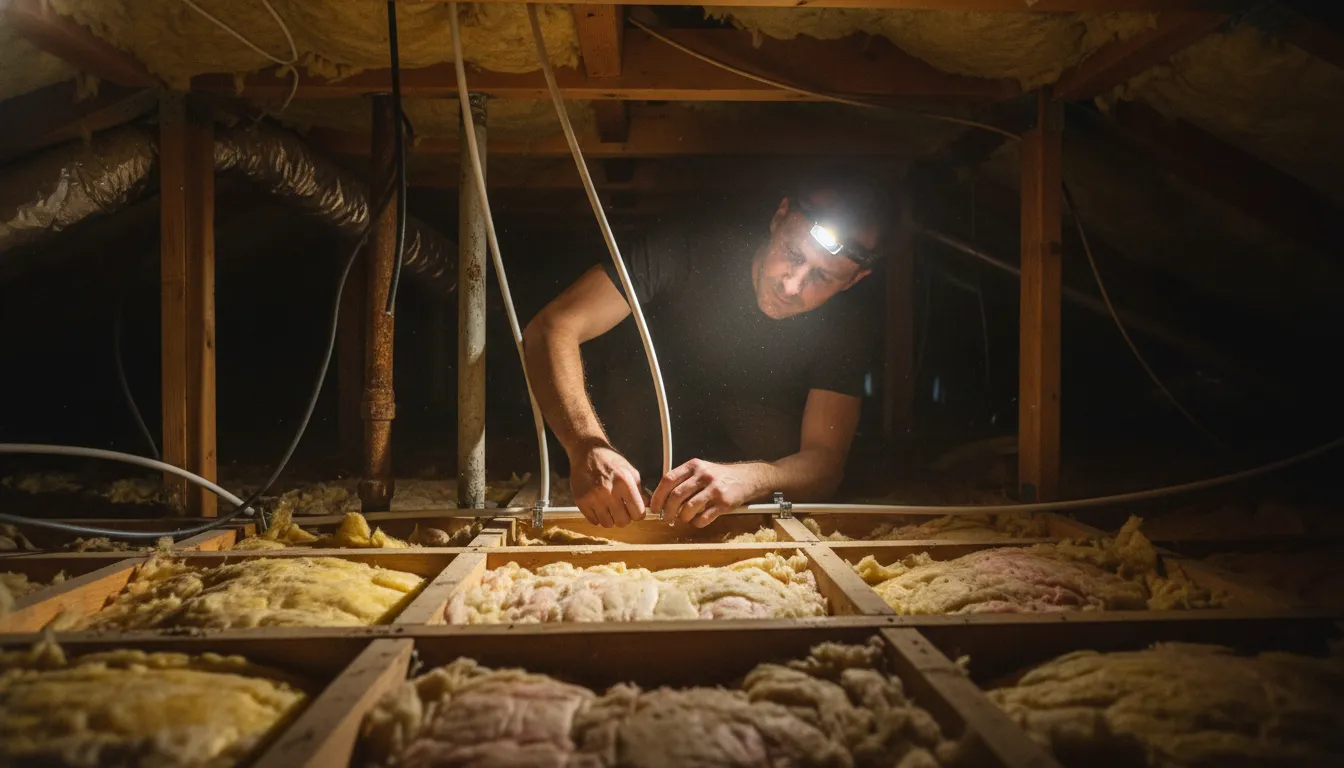
Find the Best Repiping Contractors for Your Business
No obligation • Fast responses • Nationwide coverage

Why you can trust Search a Plumber
Search a Plumber is a leading United States resource for finding and evaluating professional plumbing services. Our team researches licensing, experience, and customer feedback to create unbiased, fact-driven overviews. Companies cannot pay to change ratings or placement, ensuring homeowners get trustworthy information.
Search providers near you
Top Repiping Contractors in Pittsburg, California Ranked
A whole-house repiping project is a significant but often necessary investment to ensure the long-term safety, efficiency, and reliability of your home's water supply and drainage systems. Over time, pipes made of materials like galvanized steel or even copper can corrode, develop leaks, and restrict water flow, leading to water damage, low water pressure, and potential health concerns. This guide is designed to help Pittsburg homeowners understand the complete process of residential repiping, from recognizing the signs you need it to selecting materials and navigating the project. You can use the information here to make informed decisions and connect with qualified local professionals who can assess your specific situation.
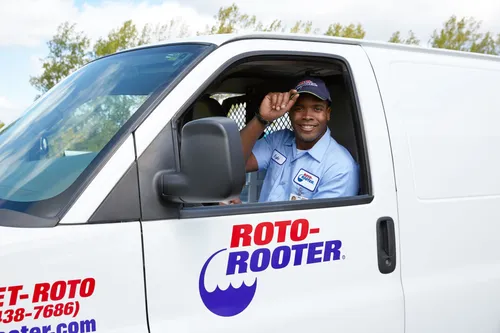
Roto-Rooter Plumbing & Water Cleanup
1780 Whipple Rd Ste 203G, Union City, CA 94587
Roto-Rooter Plumbing & Water Cleanup provides comprehensive plumbing services in San Jose, CA, specializing in residential and commercial plumbing solutions. Their offerings include sewer and drain cleaning, water heater repair and installation, leak detection, gas line installation, and trenchless sewer repair. The company is equipped to handle emergency plumbing situations with 24/7 availability, ensuring prompt response to issues like burst pipes and sewer backups. With extensive experience and advanced technology, Roto-Rooter addresses complex plumbing challenges efficiently. They also offer floodwater cleanup and mold remediation services, supporting property restoration after water damage. Serving the San Jose area and nearby communities, Roto-Rooter is a licensed and insured provider known for its broad range of plumbing capabilities and emergency service availability.
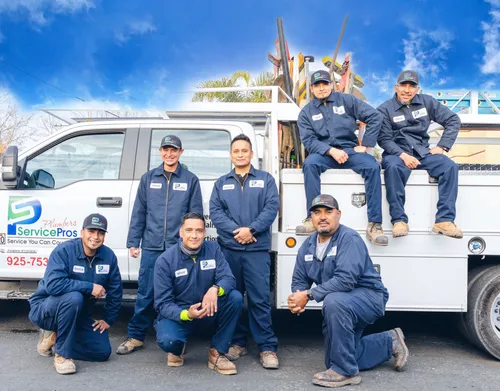
Service Pros Plumbers, Inc.
1320 Willow Pass Rd, Concord, CA 94520
Service Pros Plumbers, Inc. is a family-owned plumbing company serving Oakland, CA, with over 25 years of experience. They provide a wide range of plumbing services for residential and commercial customers, including water heater repair and installation, drain cleaning, sewer line replacement with trenchless options, leak detection, and gas line installation. Their licensed plumbers also offer whole-house repiping to improve water pressure and system efficiency. Service Pros Plumbers offers 24/7 emergency plumbing services to address urgent issues such as burst pipes and clogged drains promptly.
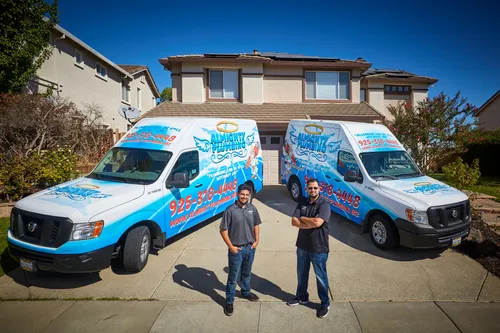
Almighty Plumbing
1309 Mokelumne Dr, Antioch, CA 94531
Almighty Plumbing is a family-owned and operated plumbing company serving Oakland, CA, and the greater East Bay area. They provide a wide range of plumbing services including water heater repair and installation, tankless water heater services, water softener installation, drain cleaning, sewer line repair, repiping, and garbage disposal repair. The company also specializes in bathroom remodeling and water filtration system installation. With a focus on honest, fair service tailored to customer needs, Almighty Plumbing offers multi-year warranties on repairs and installations. They also provide emergency plumbing services to address urgent issues promptly.
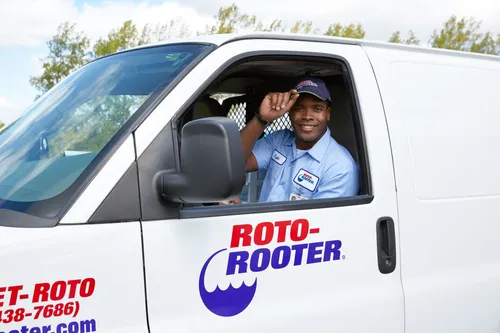
Roto-Rooter Plumbing & Water Cleanup
1070 Marina Village Pkwy UNIT 202, Alameda, CA 94501
Roto-Rooter Plumbing & Water Cleanup provides comprehensive plumbing services in San Francisco, CA, specializing in residential and commercial plumbing solutions. Their offerings include sewer and drain cleaning, water heater repair and installation, leak detection, sewer line repair using trenchless methods, and emergency flood cleanup. The company uses advanced equipment like hydro-jetting to address complex plumbing issues efficiently. Serving Alameda and nearby counties, Roto-Rooter is available 24/7 for emergency plumbing needs, ensuring prompt response to urgent situations.
Plumbing Care Inc
2415 San Ramon Valley Blvd #4365, San Ramon, CA 94583
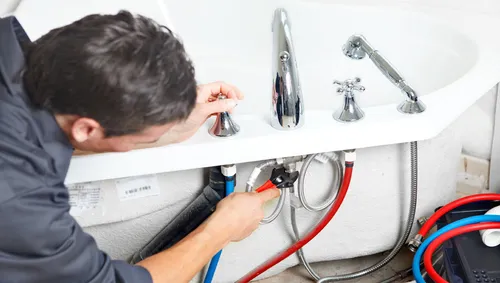
Plumbing Care Inc provides commercial and residential plumbing services in San Jose, CA, and the broader San Francisco Bay and Sacramento areas. They offer a wide range of services including water heater installation and repair, tankless water heater services, water softener installation, leak detection, repiping, drain cleaning, and garbage disposal repair. The company is experienced in handling slab repairs, spot repairs, and emergency plumbing needs. Plumbing Care Inc has completed over 75,000 jobs and serves multiple counties including Alameda, Contra Costa, Placer, and Sacramento.
Recognizing the Signs You Need a Repipe
Knowing when to consider a full pipe replacement can save you from costly emergency repairs and property damage. While a single leak might be a localized issue, systemic problems often point to failing plumbing throughout the home. Key indicators include persistent low water pressure at multiple fixtures, discolored water (often brown or rusty), visible signs of leaks or corrosion on pipes, and recurring pinhole leaks. In older Pittsburg homes, galvanized steel pipes are particularly prone to internal rust buildup, which severely restricts flow. If you're experiencing a combination of these issues, it's a strong signal that a comprehensive repiping assessment is warranted.
The Repiping Process: A Step-by-Step Overview
A professional whole-house repipe is a meticulous process that goes far beyond simply swapping out old pipes for new ones. Understanding the steps involved can help you prepare for the project's scope and timeline.
1. Inspection and Comprehensive Planning The process begins with a thorough inspection by a licensed plumber. They will assess the condition, material, and layout of your existing plumbing, often using cameras for drain lines. This evaluation determines the full scope of work, identifies the best pathways for new pipes, and helps in selecting the most suitable replacement materials. This planning phase also includes securing the necessary permits from the City of Pittsburg to ensure all work meets California and local plumbing codes.
2. Creating Access and Demolition Unlike new construction, pipes in an existing home are hidden behind walls, under floors, and above ceilings. To reach them, strategic access points must be created. This involves cutting openings in drywall, which can be a messy and disruptive phase. A professional team will work to minimize the number and size of these access holes, but homeowners should prepare for significant interior disruption and the need to move furniture and cover belongings.
3. Removal of Old Piping Once access is established, the old water supply and sometimes drain/waste lines are systematically disconnected and removed. This is often when the extent of corrosion or damage in galvanized or old copper pipes becomes fully visible. Proper disposal of the old materials is part of a professional service.
4. Installation of New Plumbing System This is the core of the project. New supply lines for hot and cold water are run throughout the home, connecting to all fixtures (sinks, toilets, showers, appliances). The installation method depends heavily on the material chosen, with flexible options like PEX allowing for faster runs with fewer fittings. Drain lines may also be replaced if they are compromised 1.
5. Rigorous Pressure Testing and Inspection Before any walls are closed up, the new system is rigorously pressure-tested to check for leaks. Water is turned on at the main valve, and every fixture and connection is checked. A final inspection by the city may be required at this stage to sign off on the permit 2 3.
6. Patching, Repair, and Cleanup After the system passes all tests, the restoration phase begins. The access holes in your walls, ceilings, and floors are patched, textured, and made ready for repainting. A reputable contractor will leave your home clean, with all debris removed and your water system fully operational 4.
Choosing the Right Pipe Material for Your Home
The choice of material is a critical decision in any repiping project, affecting cost, longevity, and installation time. Here are the most common options used in Pittsburg homes today.
PEX (Cross-Linked Polyethylene) PEX has become the leading choice for residential repiping, especially in retrofit situations. Its flexibility allows it to be snaked through walls and floors with far fewer connections than rigid pipe, reducing potential leak points and speeding up installation. It is highly resistant to scale and corrosion, performs well in both hot and cold water applications, and is typically the most cost-effective option in terms of both materials and labor 5.
Copper Copper has a long history of reliability and durability, often lasting 50 years or more. It is resistant to bacteria and can handle high heat. However, it is significantly more expensive than PEX, both for the material itself and due to the more labor-intensive installation process requiring soldering. It remains a solid, premium choice for homeowners prioritizing a traditional, long-lasting material 6.
CPVC (Chlorinated Polyvinyl Chloride) CPVC is a rigid plastic pipe used for hot and cold water supply lines. It is less expensive than copper and is glued together with solvent cement. While it can be a budget-friendly option, it may become brittle over time and is generally considered less durable than PEX or copper in the long run 7.
Find the perfect repiping contractors for your needs
Get personalized recommendations and expert advice
Understanding Project Timelines and Disruption
A common question from homeowners is, "How long will this take?" For a typical 1-3 bedroom home in Pittsburg, the active plumbing work for a whole-house repipe can often be completed within 1 to 2 weeks 8. However, the total project timeline can extend to several weeks when factoring in the planning, permitting, and-most notably-the drywall repair and repainting phase. The level of disruption is substantial; you will have periods without running water, workers in your home, and areas blocked off. Planning for this temporary inconvenience is key, and a clear schedule from your contractor will help you manage daily life during the project.
Cost Factors for Repiping in Pittsburg
The cost of a full repipe is highly variable, with a general range for a 1-3 bedroom home falling between $5,000 and $30,000 or more when including wall repairs 9 10. This wide range is due to several key factors:
- Home Size and Layout: A larger, multi-story home with more bathrooms will naturally cost more than a small single-story house.
- Pipe Material: As discussed, material choice has a major impact. PEX can be 50% or more cheaper initially than copper due to lower material costs and faster installation.
- Labor: This is typically the largest cost component, often accounting for 70% or more of the total project cost. Skilled, licensed labor is essential for a quality, code-compliant job 11 12.
- Accessibility: Homes with easy-to-access crawl spaces or basements are less expensive to repipe than those where pipes are embedded in concrete slabs or behind difficult walls.
- Permits and Fixtures: Permit fees and the decision to upgrade fixtures (like adding new shower valves) during the project will add to the final cost 13.
Preparing for Your Repiping Project
Good preparation can make the process smoother for everyone involved. Before work begins, discuss a detailed plan with your contractor. This includes establishing a work schedule, identifying water shut-off times, and protecting your belongings. You should plan to clear out cabinets under sinks, remove items from walls in work areas, and cover furniture and floors. Arrange for alternative water access if needed, and consider your household's routine-you may want to plan meals that don't require extensive kitchen use or make arrangements during the noisiest demolition phases.
Frequently asked questions
Sources
Footnotes
-
Whole-Home Repiping: The Permanent Fix for Leaks - Paws Plumbing - https://www.pawsplumbing.com/blog/whole-home-repiping/ ↩
-
Whole-House Repiping: Step-by-Step Guide - https://www.veteranplumbing.us/whole-house-repiping-step-by-step-guide/ ↩
-
What Is Involved With Repiping A House? - HELP Plumbing - https://333help.com/blog/what-is-involved-with-repiping-a-house/ ↩
-
What Is Involved in Repiping a House? - Apollo HVAC & Plumbing - https://gotoapollo.com/2024/03/06/what-is-involved-in-repiping-a-house/ ↩
-
Comprehensive Guide to Whole House Repiping: Discover When, Why, and How - Absolute Airflow - https://www.absoluteairflow.com/comprehensive-guide-to-whole-house-repiping/ ↩
-
How Much to Repipe a House: A Comprehensive Cost Guide - https://www.benjaminfranklinplumbing.com/league-city/blog/2024/december/how-much-to-repipe-a-house-a-comprehensive-cost-guide/ ↩
-
House Repiping Cost 2022: How Much To Repipe Your Home? - https://www.superbrothers.com/house-repiping-cost-2022-how-much-to-repipe-your-home/ ↩
-
Whole House Repiping Services Santa Clara, CA - https://www.ejplumbing.com/plumbing-services/piping-repiping/ ↩
-
How Much Does It Cost to Repipe a House in California - https://cycloneplumbingusa.com/how-much-does-it-cost-to-repipe-a-house-in-california/ ↩
-
How Much Does it Cost to Repipe a House in California? - https://wisemonkeyrepipe.com/how-much-does-it-cost-to-repipe-a-house-in-california/ ↩
-
How to Prepare for a Whole-House Repiping - Ray The Plumber - https://raytheplumber.com/uncategorized/how-to-prepare-for-a-whole-house-repiping/ ↩
-
House Repiping Cost Breakdown - Vaquero Plumbing - https://vaqueroplumbing.com/house-repiping-cost-breakdown/ ↩
-
What Is Repiping? A Comprehensive Guide | CPI Service - https://cpiservice.com/blog/what-is-repiping/ ↩