Find the Best Repiping Contractors for Your Business
No obligation • Fast responses • Nationwide coverage

Why you can trust Search a Plumber
Search a Plumber is a leading United States resource for finding and evaluating professional plumbing services. Our team researches licensing, experience, and customer feedback to create unbiased, fact-driven overviews. Companies cannot pay to change ratings or placement, ensuring homeowners get trustworthy information.
Search providers near you
Top Repiping Contractors in Milpitas, California Ranked
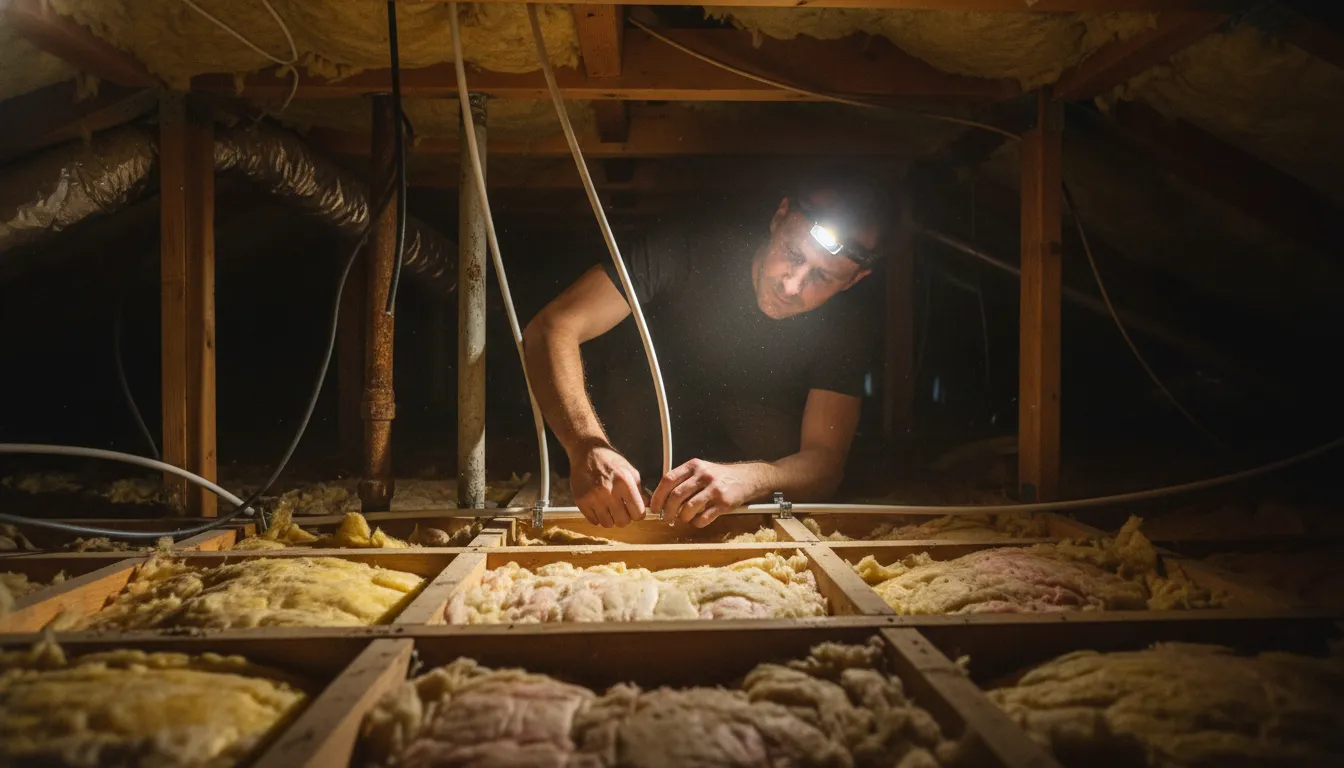
A whole-house repiping project is a significant but often essential upgrade for your home's plumbing system. It involves replacing all the old, failing water supply pipes with new, modern materials like PEX or copper. This process is crucial for restoring water pressure, improving water quality, and preventing costly leaks and water damage. If you're in Milpitas and experiencing signs of aging pipes, this guide will help you understand the process, materials, and considerations for finding a qualified professional to handle your pipe replacement.
Roto-Rooter Plumbing & Water Cleanup
1780 Whipple Rd Ste 203G, Union City, CA 94587
Roto-Rooter Plumbing & Water Cleanup provides comprehensive plumbing services in San Jose, CA, specializing in residential and commercial plumbing solutions. Their offerings include sewer and drain cleaning, water heater repair and installation, leak detection, gas line installation, and trenchless sewer repair. The company is equipped to handle emergency plumbing situations with 24/7 availability, ensuring prompt response to issues like burst pipes and sewer backups. With extensive experience and advanced technology, Roto-Rooter addresses complex plumbing challenges efficiently. They also offer floodwater cleanup and mold remediation services, supporting property restoration after water damage. Serving the San Jose area and nearby communities, Roto-Rooter is a licensed and insured provider known for its broad range of plumbing capabilities and emergency service availability.
Pure Plumbing Solutions
645 E McGlincy Ln, Campbell, CA 95008
Pure Plumbing Solutions is a plumbing company serving San Jose, CA, with over 20 years of experience. They specialize in water heater repair and installation, including both traditional and tankless systems, as well as leak detection, repiping, and general plumbing repairs. Their services focus on restoring reliable water flow and improving home plumbing efficiency using modern materials and precise repair techniques.
Almaden Valley Plumbing
San Jose, CA
Almaden Valley Plumbing is a plumbing service provider based in San Jose, CA. They offer a range of plumbing services including water heater installation and repair, leak detection, and repiping for both residential and commercial properties. With over 30 years of experience, their licensed technicians handle everything from minor leaks to major plumbing emergencies. Almaden Valley Plumbing serves multiple neighborhoods in San Jose, including Willow Glen, Japantown, and Evergreen. They also provide plumbing maintenance to help extend the lifespan of plumbing systems and prevent costly repairs.
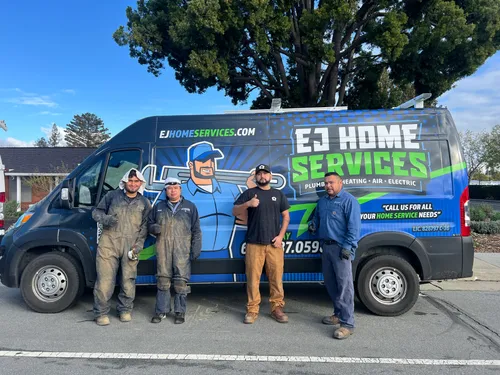
EJ Plumbing & Water Heaters
1170 Martin Ave, Santa Clara, CA 95050
EJ Plumbing & Water Heaters is a family-owned plumbing and electrical service provider located in San Jose, CA. Serving the Silicon Valley area, they offer a wide range of residential plumbing services including water heater repair and installation, drain cleaning, hydro jetting, trenchless sewer repair, leak detection, repiping, and toilet repair. Their team also provides electrical services such as panel upgrades, lighting installation, and generator setup. With over 20 years of industry experience, EJ Plumbing & Water Heaters handles both routine maintenance and complex repairs. They offer emergency services when available to address urgent plumbing or electrical issues.

United Plumbing & Water Heaters
1159 Sonora Ct, Sunnyvale, CA 94086
United Plumbing & Water Heaters provides a wide range of plumbing services in San Jose, CA. They specialize in water heater repair, installation, and replacement for gas, tankless, and electric heat pump models. Their services also include drain cleaning, sewer line repair, leak detection, repiping, toilet repair, and garbage disposal repair. The company serves both residential and commercial clients, offering comprehensive plumbing solutions tailored to local needs. United Plumbing & Water Heaters is known for addressing plumbing issues with thorough inspections and preventative recommendations to extend system life.
Signs You May Need a Whole-House Repipe
How do you know if your home needs a complete pipe overhaul? While a single leak might be a localized repair, widespread issues often point to systemic failure. In older Milpitas homes, two types of problematic pipes are common: galvanized steel and polybutylene. Galvanized pipes, used in many mid-20th century builds, corrode from the inside out, restricting water flow. Polybutylene pipes, popular from the late 1970s to mid-1990s, become brittle and prone to sudden failure.
Look for these key indicators:
- Consistently Low Water Pressure: A gradual or sudden drop in pressure at multiple fixtures is a classic sign of internal pipe corrosion or scale buildup.
- Discolored Water: Brown, yellow, or reddish water, especially when you first turn on the tap, indicates rust and sediment from corroding pipes.
- Frequent Leaks: If you're constantly patching pinhole leaks in different areas, the entire pipe system is likely compromised.
- Visible Corrosion: Check pipes in your basement, crawl space, or under sinks. Flaking, rust stains, or mineral deposits on pipe fittings are clear visual cues.
The Repiping Process: A Step-by-Step Overview
A full home repipe is a structured project that requires careful planning and execution. Understanding the steps can help you prepare for the work in your home.
1. Inspection and Planning A professional plumber will first conduct a thorough assessment of your existing system. They will identify the pipe materials, map the current layout, and pinpoint all problem areas. This stage is crucial for creating an efficient plan for the new pipe routing, minimizing the need for excessive wall and floor access 1.
2. Access and Removal Once a plan is in place, the plumbers will strategically cut access holes in drywall, ceilings, or floors to reach the old pipes. After shutting off the main water supply and draining the system, the old supply and drain lines are carefully removed.
3. New Installation This is the core of the project. The new network of pipes is installed. Modern plumbers often use a "home-run" system with PEX, where a single line runs from a central manifold to each fixture, reducing connections and potential leak points. All new lines are secured and connected to your home's fixtures and water heater 2.
4. Testing and Finishing Before closing up walls, the new system undergoes a rigorous pressure test to ensure there are no leaks. Once confirmed, the plumbers will patch the access holes in your walls and ceilings, repair floors, and conduct a final cleanup to restore your home 3 4 5.
Choosing the Right Piping Material
The choice of material for your new plumbing is a major decision that affects cost, longevity, and the installation process. Here are the most common options used in Milpitas repiping projects.
- PEX (Cross-linked Polyethylene): This is the most popular choice for modern repiping. PEX is flexible, allowing it to be snaked through walls with fewer access holes, which reduces demolition and repair work. It's resistant to scale and corrosion, freeze-resistant, and generally more cost-effective than copper. It's primarily used for hot and cold water supply lines 6.
- Copper: The traditional gold standard for durability and longevity. Copper pipes can last 50+ years and are resistant to bacteria. However, they are more expensive both in material cost and labor, as installation requires soldering. The price of copper itself is also subject to market fluctuations 7.
- CPVC (Chlorinated Polyvinyl Chloride): A rigid plastic pipe that is glued together. It's a cost-effective option that is often used for drain, waste, and vent (DWV) lines, and can be used for supply lines as well. It is less flexible than PEX and requires more fittings 8.
Most contemporary whole-house repiping jobs in the Bay Area utilize PEX for its balance of performance, ease of installation, and value.
What to Expect: Project Timeline and Living Arrangements
A whole-house repipe is not a one-day job. The timeline depends heavily on the size of your home, its layout, and the complexity of the installation.
- Typical Duration: For an average single-family home in Milpitas, you can expect the physical plumbing work to take between 5 days to 2 weeks. Factors that extend the timeline include multi-story construction, difficult-to-access crawl spaces, and a higher number of bathrooms.
- Water Service: Your water will be shut off for significant portions of the project. Reputable plumbers will coordinate with you to restore water to critical fixtures like a bathroom or kitchen sink at the end of each workday when possible.
- Living Through the Project: While some homeowners choose to stay elsewhere, it is possible to live in your home during a repipe. Be prepared for noise, dust, and workers in your space. Clear communication with your plumbing team about daily schedules and access is key.
Find the perfect repiping contractors for your needs
Get personalized recommendations and expert advice
Understanding the Investment: Cost Factors in Milpitas
The cost of repiping a house is a significant investment in your property's infrastructure and value. In the Bay Area, prices reflect high labor costs and living expenses. Here's a breakdown of what influences the final price.
- House Size and Layout: The square footage and number of stories are primary cost drivers. More bathrooms, kitchens, and wet bars mean more fixtures and longer pipe runs.
- Pipe Material: As mentioned, a copper repipe will be substantially more expensive than a PEX system due to material costs and more labor-intensive installation 9 10.
- Accessibility: Homes with easy-to-access crawl spaces or unfinished basements are less expensive to repipe than slab-foundation homes, where pipes are embedded in concrete.
- Wall Repair: The quote should include patching and repairing the access holes. The extent of this work depends on how many holes were needed and your wall materials (drywall, plaster, etc.).
Cost Ranges: For a Milpitas home, total costs can range from $5,000 to $30,000 or more 11 12. A typical 1,500 square foot home using PEX might fall in the $6,000 to $8,000 range, with costs climbing for larger homes, complex layouts, or the use of copper 13. It's essential to get detailed, written estimates from several licensed, insured plumbers that break down material, labor, and repair costs.
Preparing for Your Repiping Project
Taking a few steps before work begins can make the process smoother for everyone involved.
- Get Multiple Estimates: Obtain at least three detailed bids from established, licensed plumbing contractors in the Milpitas area. Compare their scope of work, materials, timelines, and warranties.
- Verify Credentials: Ensure the plumber is licensed by the California Contractors State License Board (CSLB) and carries both liability insurance and workers' compensation.
- Clear the Work Areas: Move furniture, decorations, and other belongings away from walls where plumbers will need access. This protects your items and gives the crew room to work efficiently.
- Discuss Logistics: Talk with the project manager about start/end times each day, where equipment will be stored, and how to communicate during the project.
Frequently asked questions
Sources
Footnotes
-
Comprehensive Guide to Whole House Repiping - Absolute Airflow - https://www.absoluteairflow.com/comprehensive-guide-to-whole-house-repiping/ ↩
-
What Is Involved in Repiping a House? - Apollo HVAC & Plumbing - https://gotoapollo.com/2024/03/06/what-is-involved-in-repiping-a-house/ ↩
-
Whole House Repiping Services Santa Clara, CA - https://www.ejplumbing.com/plumbing-services/piping-repiping/ ↩
-
Whole-House Repiping: Step-by-Step Guide - https://www.veteranplumbing.us/whole-house-repiping-step-by-step-guide/ ↩
-
Everything You Need To Know About Repiping A House - https://canyonhillsplumbing.com/everything-you-need-to-know-about-repiping-a-house/ ↩
-
How Much Does It Cost to Repipe a House in California - https://cycloneplumbingusa.com/how-much-does-it-cost-to-repipe-a-house-in-california/ ↩
-
Pipe Repair vs Whole-Home Repiping in San Jose, CA - https://www.mcplumbing.com/blog/2024/march/pipe-repair-vs-whole-home-repiping-which-do-i-ne/ ↩
-
Whole-Home Repiping (Copper & PEX) | Super Brothers - https://www.superbrothers.com/repipe/ ↩
-
Repiping a House: What's Involved & How Much it Costs | R.J. Tilley - https://www.rjtilley.com/blog/2022/january/repiping-a-house-what-s-involved-how-much-it-cos/ ↩
-
House Repiping Cost Breakdown - Vaquero Plumbing - https://vaqueroplumbing.com/house-repiping-cost-breakdown/ ↩
-
How Much Does it Cost to Repipe a House in California? - https://wisemonkeyrepipe.com/how-much-does-it-cost-to-repipe-a-house-in-california/ ↩
-
How Much Does It Cost to Repipe a House in the Bay Area? - https://total-uc.com/how-much-does-it-cost-to-repipe-a-house/ ↩
-
Milpitas Plumbing Service Costs & Prices - ProMatcher Cost Report - https://plumbers.promatcher.com/cost/milpitas-ca-plumbers-costs-prices.aspx ↩