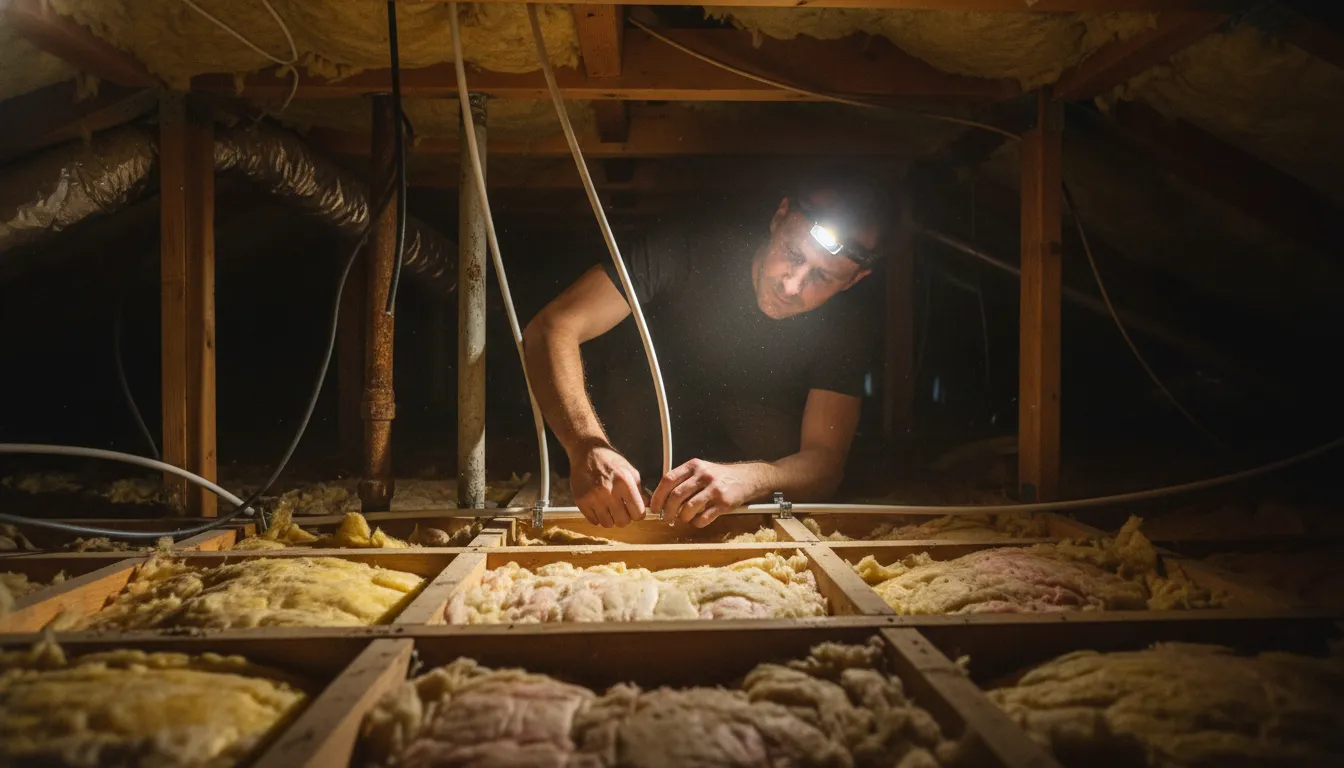
Find the Best Repiping Contractors for Your Business
No obligation • Fast responses • Nationwide coverage

Why you can trust Search a Plumber
Search a Plumber is a leading United States resource for finding and evaluating professional plumbing services. Our team researches licensing, experience, and customer feedback to create unbiased, fact-driven overviews. Companies cannot pay to change ratings or placement, ensuring homeowners get trustworthy information.
Search providers near you
Top Repiping Contractors in La Habra, California Ranked
A whole-house repiping project is a significant but often necessary upgrade for La Habra homes, especially those built before the 1970s. This process involves replacing your home's entire network of water supply pipes, which can fail due to age, corrosion, or material defects. A successful repipe ensures reliable water pressure, improves water quality, and protects your property from catastrophic leaks. This guide will help you understand the process, materials, and considerations for finding a qualified professional to handle this critical job for your home.

All City Plumbing, Air & Electrical
5612 E La Palma Ave, Anaheim, CA 92807
All City Plumbing, Air & Electrical is a full-service plumbing, HVAC, and electrical provider located in Anaheim, CA. They offer a wide range of services including water heater repair and installation, drain cleaning, hydro jetting, sewer line repair, leak detection, repiping, and toilet repair. Their team is licensed, bonded, and insured, with technicians who are ACE Certified and available 24/7 for emergency plumbing and HVAC needs. With over 13 years of experience serving Anaheim and surrounding areas, they use advanced technology to ensure efficient and reliable service.
Dymek's Freedom Plumbing, Inc
2921 E Miraloma Ave #17, Anaheim, CA 92806
Dymek's Freedom Plumbing, Inc is a plumbing service provider based in Anaheim, CA, offering a wide range of residential and commercial plumbing solutions. Their services include sewer camera inspections, water heater installation and repair, drain cleaning, hydro jetting, trenchless sewer repair, leak detection, repiping, and garbage disposal repairs. They utilize advanced technology such as electronic slab leak detection and sewer video inspection to diagnose and address plumbing issues efficiently. With over 25 years of experience, the company emphasizes old-fashioned values combined with modern technology and is available 24/7 for emergency plumbing needs.

Jim & Sons Plumbing & Rooter
9345 Narnia Dr, Riverside, CA 92503
Jim & Sons Plumbing & Rooter is a family-owned plumbing company serving Riverside, CA, and the surrounding Inland Empire region. Since 1983, they have provided residential and commercial plumbing services including water heater repair and installation, drain cleaning, sewer line repair, leak detection, repiping, gas line installation, and garbage disposal repair. They specialize in trenchless sewer repair techniques such as pipe bursting and cured-in-place lining, which allow sewer line renewal without excavation, preserving landscaping and minimizing environmental impact. The company offers same-day service and is fully licensed and insured.

Merry Plumbing
1465 San Marino Ave, San Marino, CA 91108
Merry Plumbing is a well-established plumbing company serving Los Angeles, CA, and nearby areas including Pasadena, San Marino, and Glendora. With 79 years in business since 1946, they provide a wide range of plumbing services such as sewer camera inspection, water heater repair and installation, drain cleaning, hydro jetting, sewer line repair, leak detection, and repiping. Their team is equipped to handle both residential and commercial plumbing needs with modern tools and on-site parts availability. Merry Plumbing emphasizes clear, upfront estimates and has built a reputation for thorough and dependable service over many decades.
Carlson Plumbing Pros
17150 Newhope St Suite 301-302, Fountain Valley, CA 92708
Carlson Plumbing Pros is a licensed plumbing company serving Santa Ana, CA, and the broader Orange County area. They offer a wide range of plumbing services including water heater repair, water softener installation, drain cleaning, sewer line repair, leak detection, repiping, and gas line installation. With over 20 years of experience, they provide skilled plumbing solutions and are equipped to handle emergencies with 24/7 availability.
Understanding the Need for a Full Repipe
Over time, the plumbing inside your walls can deteriorate. In La Habra, many older homes were originally plumbed with galvanized steel pipes. These pipes are prone to rusting from the inside out, which gradually restricts water flow and can lead to discolored water and low pressure 1. Even copper pipes, while durable, can develop pinhole leaks due to water chemistry or installation issues. If you're experiencing frequent leaks, a noticeable drop in water pressure, or rusty water from multiple faucets, it's a strong indicator that your piping system is failing and a complete re-piping may be the most cost-effective long-term solution 2 3.
A partial fix might seem tempting, but it often leads to more problems. Patching one section puts additional stress on the old pipes elsewhere, potentially causing another leak soon after. A whole-house repiping provides a comprehensive, lasting fix that modernizes your home's entire water distribution system, offering peace of mind and often increasing property value.
The Repiping Process: A Step-by-Step Overview
A professional repiping job is a multi-stage project that requires careful planning and execution. Here's what you can generally expect from start to finish.
1. Initial Assessment and Planning The process begins with a thorough inspection by a licensed plumber. They will assess the current pipe layout, identify the materials, and determine the best path for the new lines. This stage is crucial for creating an accurate plan and estimate. The plumber will often need to cut small exploratory holes in walls to understand the existing routing and plan for minimal demolition.
2. Preparation and Demolition Before work begins, you'll need to clear areas around walls and in basements or crawl spaces. The crew will protect your floors and furniture. They then strategically open access points in walls and ceilings to reach the old pipes. The goal is to be as minimally invasive as possible, but some drywall removal is inevitable.
3. Removal of Old Piping The old water lines are systematically shut off, disconnected, and removed. This can be a messy process, as decades of sediment and corrosion may be disturbed. All old materials are properly disposed of.
4. Installation of New Pipes This is the core of the project. The new piping material (PEX or copper) is run through the walls, floors, and ceilings, connecting from the main water shut-off to every fixture (sinks, toilets, showers, appliances). Skilled technicians often "fish" flexible lines through walls to use existing holes, reducing the need for large openings 4.
5. Testing and Inspection Once installed, the entire new system is pressurized with air or water and meticulously checked for leaks at every connection. This pressure test is critical to ensure the integrity of the installation before walls are closed up 5 6.
6. System Flush and Fixture Reconnection After passing the pressure test, the system is flushed to clear any debris. Your faucets, toilets, and other fixtures are then reconnected to the new supply lines.
7. Drywall Repair and Restoration Finally, the access holes in your walls and ceilings are patched, textured, and painted to match the surrounding area. A quality repiping company will either handle this restoration in-house or coordinate with trusted drywall contractors to return your home to its pre-construction state.
Find the perfect repiping contractors for your needs
Get personalized recommendations and expert advice
Choosing Your Piping Material: PEX vs. Copper
The two most common materials for modern repiping projects are PEX and copper. Each has its advantages, and the best choice depends on your budget, home layout, and long-term goals.
PEX (Cross-Linked Polyethylene) PEX has become the leading choice for residential repiping, especially in retrofit situations like those common in La Habra. Its flexibility is its biggest asset; it can bend around corners, which means fewer fittings and joints (potential leak points) are required. It's also highly resistant to scale and corrosion, and it won't develop pinhole leaks like copper sometimes can. Installation is faster and typically requires less wall demolition, which translates to lower labor costs. For these reasons, PEX is generally the more cost-effective option overall 7.
Copper Copper piping has a long history of reliability and is known for its durability and long lifespan. It can withstand higher temperatures and has a proven track record over decades. However, it is more expensive both in material costs and installation labor. Installing copper is more labor-intensive, as it requires soldering each joint, and the rigid pipes often necessitate more wall openings to navigate corners 8. Some homeowners and local codes may still prefer copper for its traditional value.
Timeline: How Long Does a Repipe Take?
For a typical single-family home in La Habra, you should plan for the active plumbing work to take anywhere from 2 to 5 days 9. Several factors influence the timeline:
- Home Size and Complexity: A 1,500-square-foot single-story home will take less time than a large, multi-story home with multiple bathrooms.
- Accessibility: Homes with easy access via basements, crawl spaces, or attics allow for faster work than slab-foundation homes where pipes are embedded in concrete.
- Crew Size: A larger, experienced crew can complete the job more efficiently.
- Material Choice: PEX installations are generally faster than copper due to the flexibility and joining methods.
Remember to factor in additional time for the drywall repair and painting after the plumbing is complete and tested. A reputable contractor will provide a clear schedule upfront 10.
Cost Considerations for Repiping in La Habra
The cost to repipe a house is a significant investment, but it protects your much larger investment-your home. Prices vary widely based on the factors mentioned above. For a standard home, total costs can range from a few thousand dollars to well over $20,000, with many projects falling in the $6,000 to $15,000 range 11.
The choice of material is the largest cost driver. As a general rule, a PEX repipe can be 30-50% less expensive than a copper repipe for the same home. For example, repiping a 1,500 sq ft home with PEX might average between $4,000 and $6,000, while the same home with copper could cost $8,000 to $10,000 or more12 13. Always get multiple detailed, written estimates that include the cost of plumbing labor, materials, permits, and drywall restoration.
Key Benefits of a Whole-House Repipe
Beyond stopping leaks, a full pipe replacement offers tangible improvements to your daily life and home's health:
- Improved Water Pressure & Flow: Remove the rust and scale buildup from old pipes and enjoy full, strong water pressure at every fixture.
- Better Water Quality: New pipes mean no more rust, sediment, or metallic taste in your drinking and cooking water.
- Prevention of Water Damage: Proactively eliminating old, failing pipes prevents the potential for catastrophic leaks that can cause tens of thousands of dollars in structural and mold damage.
- Increased Home Value: A newly repiped home is a strong selling point, indicating to potential buyers that a major, costly system has been updated and is worry-free for years to come.
- Eligibility for Home Insurance: Some insurers may require updated plumbing for older homes or offer better rates after a repipe.
Frequently asked questions
Sources
Footnotes
-
Repiping La Habra, CA | Full Lifetime Warranty - Repipe1 - https://repipe1.com/repipe-services/la-habra/ ↩
-
Whole House Repiping Services Santa Clara, CA - https://www.ejplumbing.com/plumbing-services/piping-repiping/ ↩
-
Repiping - https://a-1totalserviceplumbing.com/residential-services/plumbing/repiping/ ↩
-
What Is Involved With Repiping A House? - HELP Plumbing - https://333help.com/blog/what-is-involved-with-repiping-a-house/ ↩
-
Whole-House Repiping: Step-by-Step Guide - https://www.veteranplumbing.us/whole-house-repiping-step-by-step-guide/ ↩
-
What Is Involved in Repiping a House? - Apollo HVAC & Plumbing - https://gotoapollo.com/2024/03/06/what-is-involved-in-repiping-a-house/ ↩
-
How Much Does It Cost to Repipe a House? - CPI Service - https://cpiservice.com/blog/how-much-does-repiping-cost/ ↩
-
Comprehensive Guide to Whole House Repiping: Discover When, Why, and How - Absolute Airflow - https://www.absoluteairflow.com/comprehensive-guide-to-whole-house-repiping/ ↩
-
How Long Does It Take To Repipe A Home? - https://www.inandoutplumbing.com/how-long-does-it-take-to-repipe-a-home ↩
-
Repipe House Cost 2023: Average Expenses & Factors - https://www.superbrothers.com/repipe-house-cost-2023-average-expenses-factors/ ↩
-
How Much Does It Cost to Repipe a House in California - https://cycloneplumbingusa.com/how-much-does-it-cost-to-repipe-a-house-in-california/ ↩
-
House Repiping Cost Breakdown - Vaquero Plumbing - https://vaqueroplumbing.com/house-repiping-cost-breakdown/ ↩
-
How Much Does it Cost to Repipe a House in California? - https://wisemonkeyrepipe.com/how-much-does-it-cost-to-repipe-a-house-in-california/ ↩