Find the Best Repiping Contractors for Your Business
No obligation • Fast responses • Nationwide coverage

Why you can trust Search a Plumber
Search a Plumber is a leading United States resource for finding and evaluating professional plumbing services. Our team researches licensing, experience, and customer feedback to create unbiased, fact-driven overviews. Companies cannot pay to change ratings or placement, ensuring homeowners get trustworthy information.
Search providers near you
Top Repiping Contractors in Highland, California Ranked
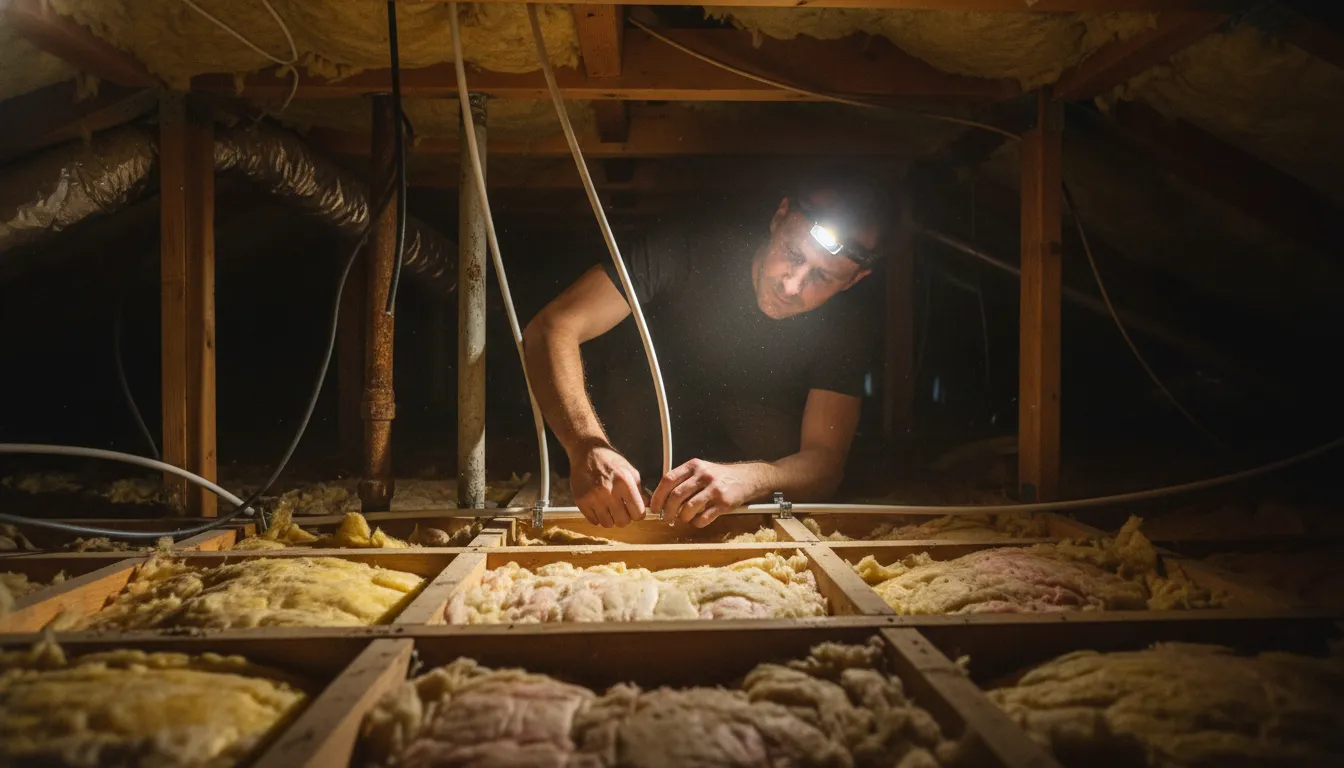
A whole-home repiping project is a significant investment in your property's health, safety, and value. It involves replacing all the aging or failing water supply and drain lines within your walls and under your floors with new, modern piping. In Highland, where homes may have original plumbing from various eras, this service is crucial for preventing leaks, improving water pressure, and ensuring clean water delivery. This guide will help you understand the process, materials, and considerations for a full plumbing system replacement, connecting you with the information needed to find qualified local professionals for your project.
Jim & Sons Plumbing & Rooter
9345 Narnia Dr, Riverside, CA 92503
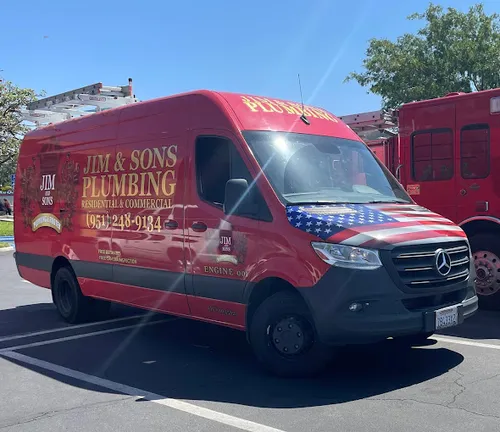
Jim & Sons Plumbing & Rooter is a family-owned plumbing company serving Riverside, CA, and the surrounding Inland Empire region. Since 1983, they have provided residential and commercial plumbing services including water heater repair and installation, drain cleaning, sewer line repair, leak detection, repiping, gas line installation, and garbage disposal repair. They specialize in trenchless sewer repair techniques such as pipe bursting and cured-in-place lining, which allow sewer line renewal without excavation, preserving landscaping and minimizing environmental impact. The company offers same-day service and is fully licensed and insured.

Rooter 66 Plumbing
522 W 1st St Suite #I, Rialto, CA 92376
Rooter 66 Plumbing is a family-run plumbing company serving Riverside, CA, and surrounding areas since 2012. They provide a range of plumbing services including water heater repair and installation, drain cleaning, repiping, and toilet repair. The company offers extended hours on weekdays and bilingual services with Spanish-speaking technicians. Rooter 66 Plumbing backs its repairs with a one-year warranty covering parts and labor and emphasizes clear communication and customer education throughout the repair process.
Elite Plumbing Pros
6139 Zircon Wy, Riverside, CA 92503
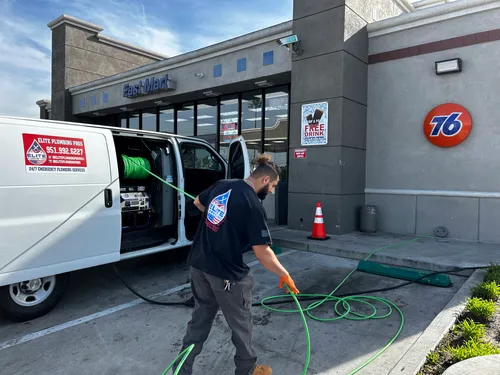
Elite Plumbing Pros provides a wide range of plumbing services in Riverside, CA, including water heater repair and installation, drain cleaning, sewer line repair, leak detection, and repiping. They offer 24/7 emergency plumbing services and specialize in hydro jetting to clear tough clogs and improve water flow. With years of experience, Elite Plumbing Pros serves both residential and commercial clients, focusing on durable and professional workmanship.
Essential Plumbing Services LLC - Best Plumber in Redlands, CA
Riverside, CA
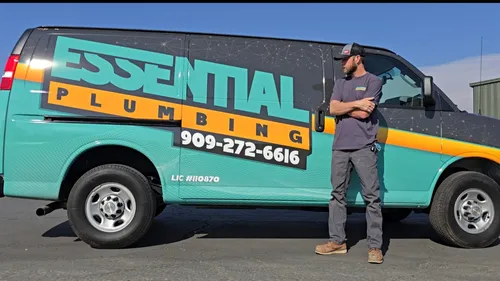
Essential Plumbing Services LLC - Best Plumber in Redlands, CA provides a wide range of plumbing solutions in Riverside, CA. Their services include water heater installation and repair, drain cleaning, leak detection, repiping, sewer lining, and hydro jetting. The company serves both residential and commercial clients and offers emergency after-hours service. Essential Plumbing Services focuses on comprehensive plumbing care, addressing everything from fixture repairs to slab leaks with certified professionals. They emphasize their role in supporting community health and safety through reliable plumbing work.
Bad Drains Plumbing
5172 Arlington Ave ste 4870, Riverside, CA 92504
Bad Drains Plumbing provides a wide range of plumbing services in Riverside, CA, including sewer camera inspections, water heater repair and installation, drain cleaning, sewer line repair, leak detection, repiping, and gas line installation. They handle both residential and commercial plumbing needs with advanced tools and licensed professionals. The company offers thorough drain and sewer solutions, plumbing repairs and installations, and safe gas and water system services. Serving Riverside and several neighboring cities, Bad Drains Plumbing is known for reliable, honest work completed efficiently and with care.
Why Consider a Full Plumbing System Replacement?
Older plumbing systems, particularly those using galvanized steel or even aging copper, are prone to a host of problems. Corrosion and mineral buildup inside galvanized pipes severely restrict water flow, leading to frustratingly low water pressure at your faucets and showerheads. These pipes are also susceptible to rusting through, which can cause hidden leaks inside walls that lead to costly water damage and mold growth. For homes with polybutylene piping-a material used extensively from the late 1970s to mid-1990s that is now known to fail-a proactive repipe is often a matter of when, not if 1. A complete re-piping eliminates these risks, providing peace of mind and often resulting in noticeably better water quality and pressure.
The Step-by-Step Repiping Process
A professional whole-house repipe is a meticulously planned operation. Understanding the stages can help Highland homeowners prepare for the project timeline and scope.
1. Inspection and Planning The process begins with a thorough assessment. A licensed plumber will evaluate your current plumbing system, identify the existing pipe materials, and map out the layout. This planning phase is when decisions about the new piping material (like PEX or copper) and the best access routes are made. The plumber will also handle securing any necessary permits from local Highland or San Bernardino County authorities, which are required for this scale of work.
2. Preparation Homeowners play a key role in preparation. You'll need to clear out cabinets under sinks, remove items from walls where work will occur, and provide clear access to the water heater and main shut-off valve. The plumbing crew will lay down protective coverings on floors and may set up containment for dust in work areas.
3. Access and Removal To reach the old plumbing lines, plumbers must create strategic access points by cutting into drywall or plaster in walls and sometimes ceilings. This step is done with the intent of minimizing damage, but it is a necessary part of the process. The old water supply and drain lines are then carefully disconnected and removed from the home.
4. Installation of New Piping This is the core of the project. New supply lines-carrying hot and cold water-are run from the main shut-off to every fixture (sinks, toilets, showers, appliances). New drain, waste, and vent (DWV) lines are also installed. All new piping is properly secured with hangers and supports to prevent movement and noise 2.
5. Pressure Testing and Inspection Before any walls are closed up, the new system is rigorously tested. The water supply lines are pressurized to a level higher than normal household pressure to check for any leaks. Drain lines are checked for proper flow and venting. A city or county inspector will often visit at this stage to approve the work before it is covered up 3 4 5.
6. Finishing and Restoration Once the plumbing passes inspection, the plumbers will reconnect all fixtures-toilets, sinks, faucets-and ensure everything is working correctly. The final step involves patching the access holes in the drywall. While many plumbing companies offer basic patching, you may need to coordinate with a drywall contractor for a seamless finish and repainting 6.
Find the perfect repiping contractors for your needs
Get personalized recommendations and expert advice
Choosing the Right Piping Material
The choice of material for your new pipes is one of the most important decisions, affecting cost, longevity, and performance.
PEX (Cross-linked Polyethylene) PEX has become the dominant choice for residential water supply repiping, and for good reason. Its flexibility allows it to be snaked through walls and around obstacles with far fewer fittings than rigid pipe, which reduces potential leak points and speeds up installation 7. It is also highly resistant to scale and corrosion, and its slight ability to expand makes it more forgiving if water inside freezes. For Highland and California's seismic activity, PEX's flexibility is a notable advantage. It is generally the most cost-effective option, both in material and labor 8 9.
Copper Copper piping is the traditional, time-tested standard known for its durability and long service life of 50 years or more. It is resistant to bacteria and can withstand high heat. However, it is significantly more expensive than PEX, both for the material itself and due to the more labor-intensive installation process requiring soldering at every joint. Some homeowners and local codes still prefer copper for its proven track record.
PVC/ABS for Drain Lines For the drain, waste, and vent (DWV) portion of your system, plumbers almost exclusively use plastic pipes like PVC (white) or ABS (black). These materials are lightweight, inexpensive, highly resistant to corrosion from household wastes, and easy to install with solvent welding. Modern DWV installations often use long-sweep fittings instead of sharp elbows to improve flow and reduce clogs.
What Determines the Timeline and Cost?
Project Timeline A whole-house repipe in Highland is not a one-day job. For an average single-family home, the active plumbing work typically takes between 2 to 5 days 10. The total project duration can extend to a week or more when factoring in the time for inspections and drywall repair. Factors that lengthen the timeline include the home's square footage, the complexity of the layout (multi-story homes take longer), and the extent of finished walls that need careful access.
Understanding the Investment The cost for a full plumbing replacement in Highland, CA, represents a wide range, typically from $5,000 to over $30,00011. California labor and material costs are generally higher than the national average. The final price depends on several key variables:
- Home Size & Layout: More bathrooms, kitchens, and stories mean more pipe and labor.
- Pipe Material: As discussed, a copper repipe system costs more than a PEX system.
- Accessibility: Homes with easy-to-access crawlspaces or unfinished basements are less expensive to repipe than those with pipes buried in concrete slabs or behind extensive finished walls.
- Labor: This is the largest component, often accounting for up to 70% of the total project cost 12.
- Finishing Work: The quote should clarify what level of drywall patching and repair is included.
Signs You May Need a Repipe
How do you know if your Highland home needs this major service? Look for these common indicators:
- Discolored Water: Brown or rusty water, especially when first turning on the tap, is a classic sign of corroding galvanized pipes.
- Consistently Low Water Pressure: Reduced flow throughout the house, not just at one fixture, often points to interior pipe corrosion.
- Frequent Leaks: If you're repeatedly fixing pinhole leaks in copper pipes or joints, the entire system may be failing.
- Visible Corrosion: Check the pipes near your water heater or under sinks. Flaking, rust, or green patina on copper are bad signs.
- Outdated Materials: If you know your home has galvanized steel or polybutylene pipes, planning a proactive replacement is wise.
Frequently asked questions
Sources
Footnotes
-
Comprehensive Guide to Whole House Repiping: Discover When, Why, and How - Absolute Airflow - https://www.absoluteairflow.com/comprehensive-guide-to-whole-house-repiping/ ↩
-
How Much to Repipe a House: A Comprehensive Cost Guide - https://www.benjaminfranklinplumbing.com/league-city/blog/2024/december/how-much-to-repipe-a-house-a-comprehensive-cost-guide/ ↩
-
Whole-House Repiping: Step-by-Step Guide - https://www.veteranplumbing.us/whole-house-repiping-step-by-step-guide/ ↩
-
How Much to Repipe a House: Understanding Costs and ... - https://www.benjaminfranklinplumbing.com/league-city/blog/2025/march/how-much-to-repipe-a-house-understanding-costs-and-factors/ ↩
-
What Is Involved in Repiping a House? - Apollo HVAC & Plumbing - https://gotoapollo.com/2024/03/06/what-is-involved-in-repiping-a-house/ ↩
-
What to Expect During a Whole-House Repiping - https://environmentmasters.com/what-to-expect-during-a-whole-house-repiping/ ↩
-
PEX vs Copper Pipes | Ask This Old House - https://www.youtube.com/watch?v=9bLwiF3hWUA ↩
-
Whole-Home Repiping (Copper & PEX) | Super Brothers - https://www.superbrothers.com/repipe/ ↩
-
Pros and Cons of PEX Pipes - https://www.youtube.com/watch?v=PQDIj0T-6BQ ↩
-
What Is Involved With Repiping A House? - HELP Plumbing - https://333help.com/blog/what-is-involved-with-repiping-a-house/ ↩
-
How Much Does it Cost to Repipe a House in California? - https://wisemonkeyrepipe.com/how-much-does-it-cost-to-repipe-a-house-in-california/ ↩
-
How Much Does It Cost to Repipe a House in California - https://cycloneplumbingusa.com/how-much-does-it-cost-to-repipe-a-house-in-california/ ↩