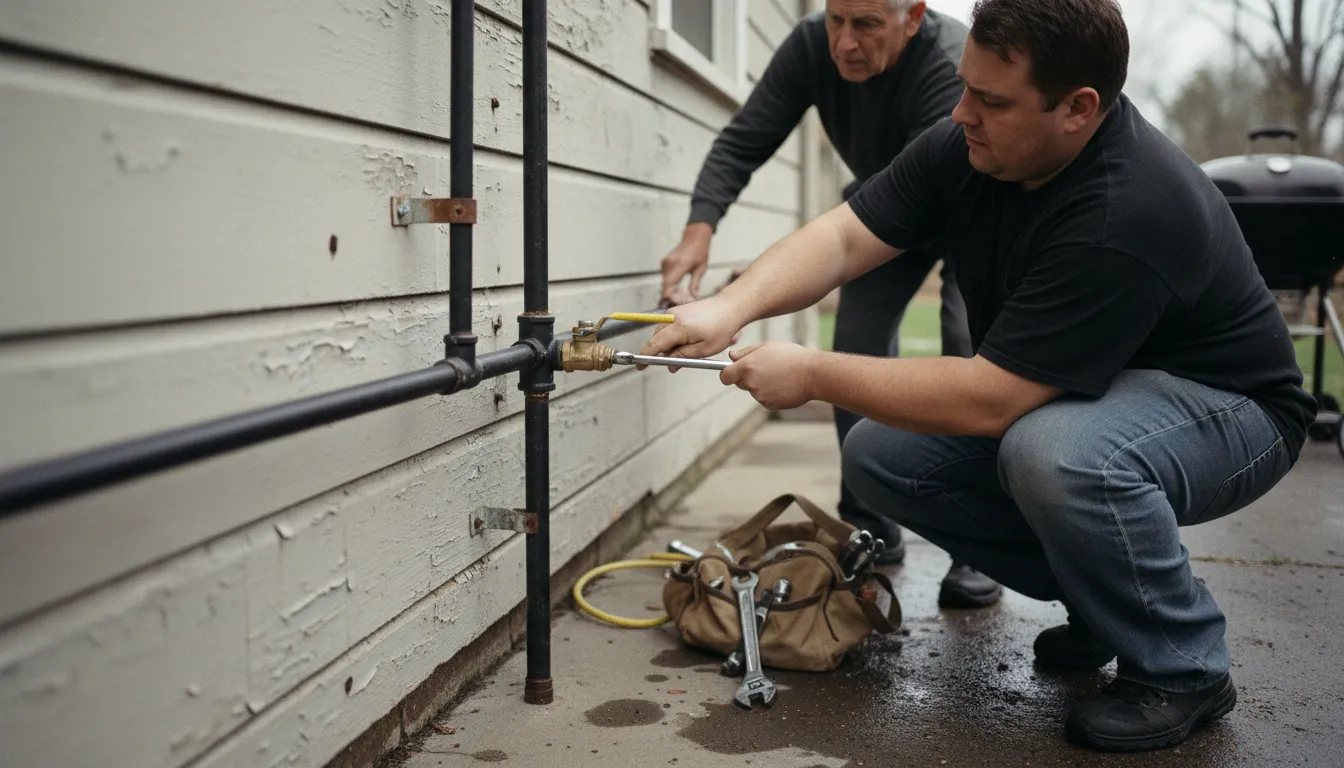
Find the Best Gas Line Plumbing Companies for Your Business
No obligation • Fast responses • Nationwide coverage

Why you can trust Search a Plumber
Search a Plumber is a leading United States resource for finding and evaluating professional plumbing services. Our team researches licensing, experience, and customer feedback to create unbiased, fact-driven overviews. Companies cannot pay to change ratings or placement, ensuring homeowners get trustworthy information.
Search providers near you
Top Gas Line Plumbing Companies in West Allis, Wisconsin Ranked
Gas line installation and repair is a critical service for safely connecting your home or business to natural gas for heating, cooking, and other appliances. Proper gas line work is essential for safety, efficiency, and compliance with local and state regulations. This guide provides an overview of the process, requirements, and key considerations for finding qualified professionals in West Allis to handle your gas piping needs.
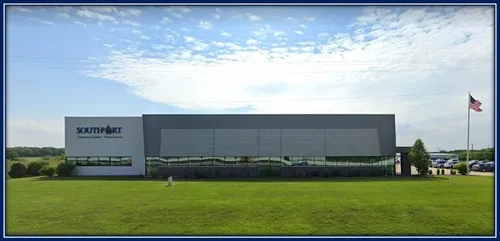
Southport Home Services
1343 S 27th St, Caledonia, WI 53108
Southport Home Services provides plumbing and HVAC services in Milwaukee, WI, and the greater Wisconsin areas including Wausau, Madison, and Caledonia. Their licensed plumbers handle a variety of tasks such as drain cleaning, sewer line repair, leak detection, gas line installation, and garbage disposal repair. The company also offers HVAC services including heating and cooling system maintenance, installation, and indoor air quality solutions like humidity control and HEPA filtration. Established in 2005, Southport Home Services combines plumbing and HVAC expertise to improve home comfort and efficiency.
Knight Plumbing, Inc.
4270 S Howell Ave, Milwaukee, WI 53207
Knight Plumbing, Inc. is a family-owned plumbing company serving Milwaukee, WI, and nearby communities. Since 2001, they have provided a wide range of plumbing services including water heater repair and installation, drain cleaning, sewer line repair, hydro jetting, sump pump repair, leak detection, and gas line installation. Their team uses modern technology such as video camera inspections to diagnose issues accurately and efficiently. With over 20 years of experience, Knight Plumbing emphasizes quality workmanship and respectful service. They offer same-day appointments and maintain a well-stocked inventory to minimize wait times for repairs and replacements.
Jeff's Custom Care Plumbing
Milwaukee, WI
Jeff's Custom Care Plumbing is a locally owned plumbing company serving Milwaukee, WI, and Southeast Wisconsin. With over 20 years of experience, they offer a wide range of services including water heater repair and installation, water softener installation, sump pump repair, drain cleaning, leak detection, repiping, gas line installation, and garbage disposal repair. The company is known for licensed technicians and upfront pricing, ensuring clear communication and reliable workmanship. Jeff's Custom Care Plumbing has built longstanding relationships with clients by focusing on customer satisfaction and professional service.
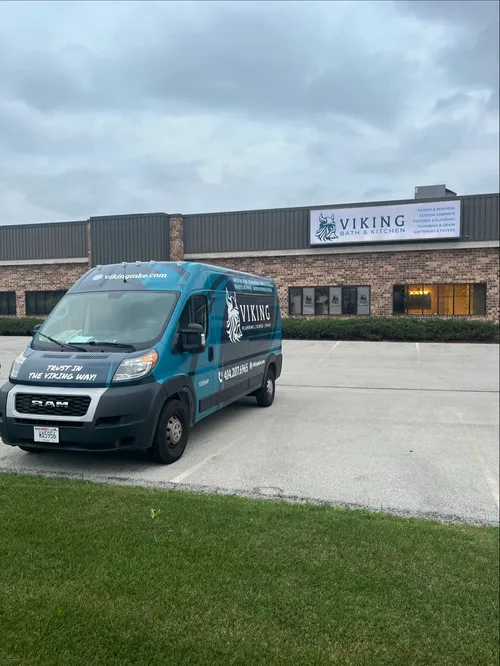
Viking Plumbing
6968 South 13th Street, Oak Creek, WI 53154
Viking Plumbing is a licensed and insured plumbing contractor serving Milwaukee, WI. They provide a wide range of plumbing services including sewer camera inspections, water heater repair and installation, water softener installation, sewer line repair, repiping, gas line installation, toilet repair, and garbage disposal repair. With over 25 years of experience, Viking Plumbing offers expertise in both residential and commercial plumbing projects. Their capabilities include comprehensive plumbing solutions such as gas piping repairs and water filtration system installations. The company emphasizes quality workmanship and clear communication throughout each project.
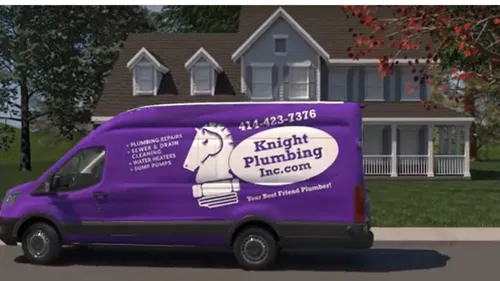
Knight Plumbing, Inc.
3613 N Doctor M.L.K. Jr Dr, Milwaukee, WI 53212
Knight Plumbing, Inc. is a family-owned plumbing company serving Milwaukee, WI, and surrounding areas since 2001. They offer a wide range of plumbing services including sewer camera inspections, water heater repair and installation, sump pump repair, drain cleaning, hydro jetting, sewer line repair, leak detection, repiping, gas line installation, and garbage disposal repair. Their team uses modern technology such as video camera inspections to diagnose and address plumbing issues efficiently. With over 20 years of experience, Knight Plumbing emphasizes honesty, integrity, and respectful service to both residential and commercial customers.
Understanding Gas Line Work in West Allis
Gas line services encompass the installation of new gas piping systems, the repair of existing lines, and the extension of lines for new appliances. In West Allis, this work is governed by strict codes and requires professional expertise due to the inherent dangers of natural gas, which is flammable and can pose serious health risks if leaked. Whether you're building an addition, installing a new gas range, or addressing a suspected leak, understanding the local landscape is the first step.
The process is not a simple DIY project. It involves navigating permit applications, adhering to specific material standards, and passing rigorous safety inspections. The goal is always a secure, leak-free system that delivers gas safely to your appliances for years to come. This guide will walk you through what to expect when you need gas line services in our community.
Permits and Regulations: The Legal Framework
In West Allis, most gas line installation and repair work requires a permit from the City of West Allis Building Inspection Division. This is a non-negotiable step for ensuring public safety and code compliance.
- When is a Permit Required? Permits are required for the installation, replacement, or alteration of gas piping. This includes running a new line for a fireplace, stove, or furnace, as well as repairing sections of existing pipe. Minor homeowner repairs, such as replacing a gas range connector hose, may not require a permit, but it's always best to check with the city first 1.
- Who Can Pull a Permit? Typically, the licensed contractor performing the work will obtain the permit. For owner-occupied, single-family homes, a homeowner may apply for a permit for minor repairs, but for any significant gas piping work, using a licensed professional is strongly advised and often legally required.
- Governing Codes: All gas line work in Wisconsin must comply with the state-adopted building codes, which include the International Fuel Gas Code (IFGC). These codes specify everything from the type of pipe used to the required depth for burial and the methods for pressure testing.
Skipping the permit process can lead to failed inspections, fines, and most dangerously, an unsafe installation that could lead to a gas leak or explosion.
The Professional Installation Process
A professional gas line installation by a certified technician follows a meticulous, multi-step process designed for safety and longevity.
- Permit Application and Plan Review: The process begins with your contractor submitting an application and any necessary plans to the City of West Allis for review and permit issuance 2.
- Trenching and Path Preparation: For underground lines, trenches are dug to the code-specified depth, which protects the pipe from damage and frost. The path from the meter to the appliance is carefully planned.
- Piping Installation: Approved piping materials, such as black iron pipe or Corrugated Stainless Steel Tubing (CSST), are installed. CSST is flexible and often used for running lines through walls and tight spaces, but it must be properly bonded and grounded to prevent electrical hazards.
- Making Connections: The new piping is securely connected to the gas meter (on the house side) and to the appliance shut-off valve. All connections use approved fittings and thread sealant.
- Pressure Testing (The Critical Step): Before the gas is turned on, the entire new section of pipe is pressurized with air or an inert gas and monitored for pressure drop, which indicates a leak. This test is mandatory and will be verified by the city inspector.
- Final Inspection and Approval: A city inspector visits the site to visually inspect the workmanship and review the pressure test results. Only after the inspector signs off is the system approved for use 3.
Find the perfect gas line plumbing companies for your needs
Get personalized recommendations and expert advice
Safety Protocols: Non-Negotiable Best Practices
Gas line work is where cutting corners can have catastrophic consequences. Adhering to strict safety protocols is paramount.
- Professional Installation Only: The single most important safety step is hiring a licensed, insured, and experienced professional. They have the training to handle combustible gas safely and the knowledge to meet all code requirements.
- Comprehensive Leak Detection: Professionals use electronic gas leak detectors and soap solution tests (bubble tests) on every connection during and after installation. The distinctive odorant added to natural gas is a backup for homeowners, not a primary detection method for installers.
- Material and Code Compliance: Using the correct, approved materials and following code to the letter prevents future failures. For example, certain types of pipe cannot be used underground, and CSST requires specific installation techniques to be safe 4.
- Awareness of Risks: Non-compliant work can lead to gas leaks, which pose risks of fire, explosion, and health issues like carbon monoxide poisoning if gas appliances are not venting properly 5.
Costs and Responsibilities
Understanding who does what-and what it might cost-helps in planning your project.
- Utility vs. Homeowner Responsibility: A key division of labor exists at the gas meter. We Energies, the local utility, is responsible for installing and maintaining the service line that runs from the street main to your gas meter 6. As the property owner, you are responsible for all gas piping from the meter into your home and to each appliance 6.
- Factors Influencing Cost: The cost for gas line installation or repair in West Allis varies widely. Major factors include:
- Length and Complexity: How far does the new line need to run? Does it require drilling through foundations or navigating finished walls?
- Materials: The type and diameter of pipe needed.
- Accessibility: Easy access to crawl spaces vs. difficult trenching through rocky soil.
- Permit and Inspection Fees: These are separate costs added to the project.
- The Importance of Quotes: Due to these variables, the only way to get an accurate price is to obtain detailed quotes from licensed local professionals. They can assess the specific challenges of your property and provide a comprehensive estimate 7.
Choosing a Qualified Gas Line Specialist in West Allis
When searching for a contractor for your gas piping project, look for these essential qualifications:
- Proper Licensing: Ensure they hold a valid Wisconsin plumbing or HVAC license that includes gas line work.
- Insurance: Verify they carry both liability insurance and workers' compensation.
- Local Experience: A company familiar with West Allis inspectors and local code nuances will ensure a smoother process.
- Positive Reviews and References: Check online reviews and ask for references from past gas line projects.
- Detailed Estimates: A reputable pro will provide a written, detailed quote that outlines the scope of work, materials to be used, and a breakdown of costs.
Final Considerations for Your Project
Whether you're upgrading an old system or installing gas for the first time, remember that gas line work is an investment in safety and functionality. The upfront cost of hiring a certified professional pales in comparison to the potential cost of a gas-related incident. By following the proper channels-securing permits, hiring qualified experts, and insisting on thorough inspections-you ensure your home's gas system is reliable and safe for your family.
Frequently asked questions
Sources
Footnotes
-
Do I need a Building Permit? - City of De Pere - https://www.deperewi.gov/topic/index.php?topicid=506&structureid=133 ↩
-
City of West Allis Building Permits - https://www.westalliswi.gov/page/building-permits ↩
-
Plumbing Permits - https://www.swshdwi.gov/o/cwa/page/plumbing-permits ↩
-
CSST safety concerns - https://www.ahit.com/home-inspection-career-guide/csst-safety-concerns-ahit-instructor-answers-questions/ ↩
-
Gas Line Repair & Maintenance in Milwaukee, WI - West Allis Heating - https://westallisheating.com/gas-line/gas-line-repair/ ↩
-
Installation Details | We Energies - https://www.we-energies.com/services/switch/installation-details ↩ ↩2
-
Gas Line Installation Services in Milwaukee, WI & nearby areas - https://westallisheating.com/gas-line/gas-line-installation/ ↩