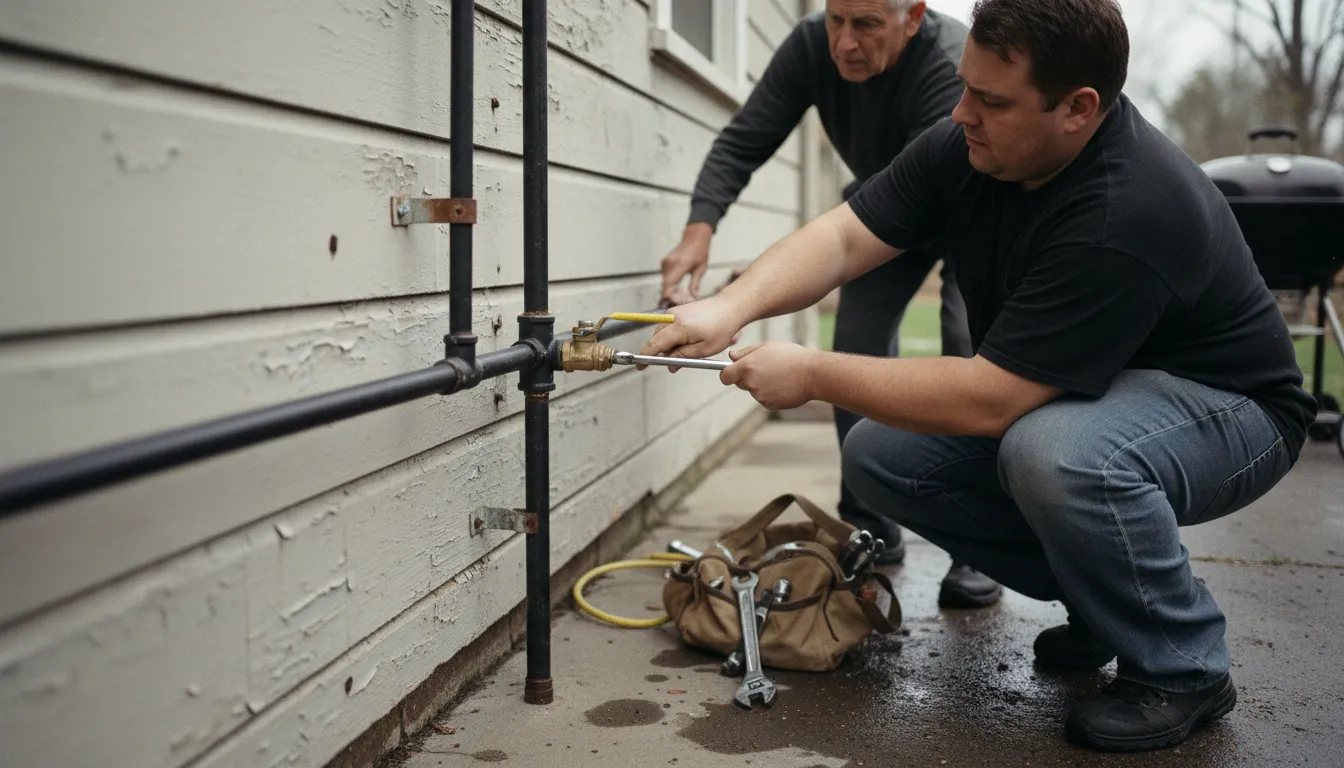
Find the Best Gas Line Plumbing Companies for Your Business
No obligation • Fast responses • Nationwide coverage

Why you can trust Search a Plumber
Search a Plumber is a leading United States resource for finding and evaluating professional plumbing services. Our team researches licensing, experience, and customer feedback to create unbiased, fact-driven overviews. Companies cannot pay to change ratings or placement, ensuring homeowners get trustworthy information.
Search providers near you
Top Gas Line Plumbing Companies in Milwaukee, Wisconsin Ranked
Installing or repairing a gas line is a critical home improvement project that directly impacts your safety and comfort. Whether you're adding a gas fireplace, upgrading an appliance, or addressing a leak, proper gas piping work requires strict adherence to local codes and professional expertise. This guide explains the essential steps, regulations, and considerations for gas line projects in Milwaukee, helping you understand the process and connect with qualified local specialists to ensure your project is completed safely and to code.
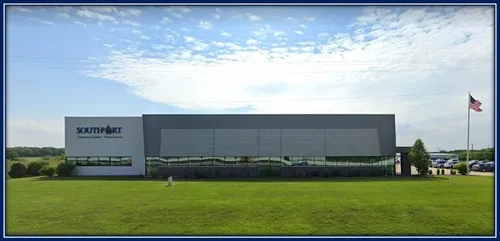
Southport Home Services
1343 S 27th St, Caledonia, WI 53108
Southport Home Services provides plumbing and HVAC services in Milwaukee, WI, and the greater Wisconsin areas including Wausau, Madison, and Caledonia. Their licensed plumbers handle a variety of tasks such as drain cleaning, sewer line repair, leak detection, gas line installation, and garbage disposal repair. The company also offers HVAC services including heating and cooling system maintenance, installation, and indoor air quality solutions like humidity control and HEPA filtration. Established in 2005, Southport Home Services combines plumbing and HVAC expertise to improve home comfort and efficiency.
Knight Plumbing, Inc.
4270 S Howell Ave, Milwaukee, WI 53207
Knight Plumbing, Inc. is a family-owned plumbing company serving Milwaukee, WI, and nearby communities. Since 2001, they have provided a wide range of plumbing services including water heater repair and installation, drain cleaning, sewer line repair, hydro jetting, sump pump repair, leak detection, and gas line installation. Their team uses modern technology such as video camera inspections to diagnose issues accurately and efficiently. With over 20 years of experience, Knight Plumbing emphasizes quality workmanship and respectful service. They offer same-day appointments and maintain a well-stocked inventory to minimize wait times for repairs and replacements.
Jeff's Custom Care Plumbing
Milwaukee, WI
Jeff's Custom Care Plumbing is a locally owned plumbing company serving Milwaukee, WI, and Southeast Wisconsin. With over 20 years of experience, they offer a wide range of services including water heater repair and installation, water softener installation, sump pump repair, drain cleaning, leak detection, repiping, gas line installation, and garbage disposal repair. The company is known for licensed technicians and upfront pricing, ensuring clear communication and reliable workmanship. Jeff's Custom Care Plumbing has built longstanding relationships with clients by focusing on customer satisfaction and professional service.
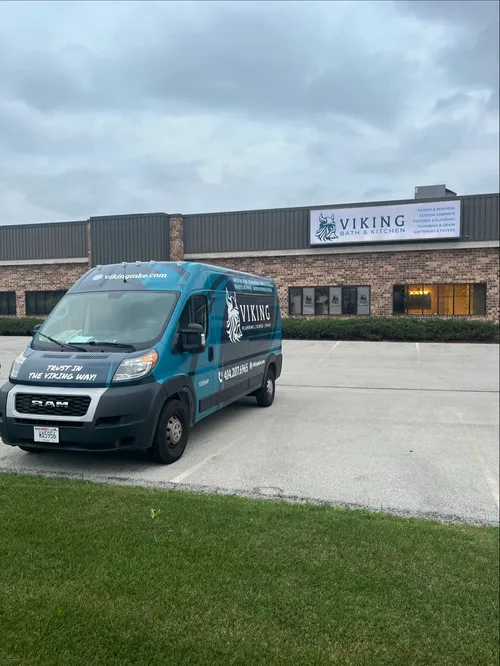
Viking Plumbing
6968 South 13th Street, Oak Creek, WI 53154
Viking Plumbing is a licensed and insured plumbing contractor serving Milwaukee, WI. They provide a wide range of plumbing services including sewer camera inspections, water heater repair and installation, water softener installation, sewer line repair, repiping, gas line installation, toilet repair, and garbage disposal repair. With over 25 years of experience, Viking Plumbing offers expertise in both residential and commercial plumbing projects. Their capabilities include comprehensive plumbing solutions such as gas piping repairs and water filtration system installations. The company emphasizes quality workmanship and clear communication throughout each project.
Knight Plumbing, Inc.
3613 N Doctor M.L.K. Jr Dr, Milwaukee, WI 53212
Knight Plumbing, Inc. is a family-owned plumbing company serving Milwaukee, WI, and surrounding areas since 2001. They offer a wide range of plumbing services including sewer camera inspections, water heater repair and installation, sump pump repair, drain cleaning, hydro jetting, sewer line repair, leak detection, repiping, gas line installation, and garbage disposal repair. Their team uses modern technology such as video camera inspections to diagnose and address plumbing issues efficiently. With over 20 years of experience, Knight Plumbing emphasizes honesty, integrity, and respectful service to both residential and commercial customers.
Understanding Milwaukee's Gas Line Regulations
All gas piping work in the City of Milwaukee is governed by a combination of state and local codes designed for maximum safety. The primary regulations are the Wisconsin Plumbing Code (SPS 382-384) and the National Fuel Gas Code (NFPA 54). These codes dictate everything from the type of pipe used to the required depth for burial and the proper methods for pressure testing.
The City of Milwaukee's Department of Neighborhood Services (DNS) is the authority having jurisdiction. A gas piping permit is mandatory for nearly all installation and repair work 1. This isn't just a formality; it's a crucial safety step. The permit process triggers a plan review by the Development Center to ensure your project's design meets all code requirements before any work begins, followed by mandatory inspections during and after installation 2.
The Step-by-Step Process for a Gas Line Project
1. Planning and Permitting
The first step is developing a detailed plan. For anything beyond a simple repair, you or your contractor will need to submit plans to the DNS Development Center for review. The city provides specific worksheets and checklists for this purpose, requiring details on pipe sizing, materials, appliance locations, and the routing of both underground and interior piping. Once approved, you'll receive your permit, which must be posted on-site.
2. Calling 811 (Digger's Hotline)
Before any shovel hits the ground, you are legally required to call 811 at least three business days prior to digging. This free service contacts all relevant utilities, who will send locators to mark the approximate path of buried lines-including gas, electric, water, and communications-in your yard 3 4. This step is non-negotiable for safety and to avoid costly and dangerous strikes.
3. Trenching and Installation
For underground lines, trenching must follow strict rules. The minimum burial depth for steel pipe in Milwaukee is 18 inches. When digging near marked utility lines, you must use hand tools to avoid damaging them. Approved piping materials include traditional black iron pipe or more flexible Corrugated Stainless Steel Tubing (CSST). Where pipes pass through foundation walls or exit the ground, special protective sleeves and coatings are required to prevent corrosion 5.
4. Pressure Testing and Inspections
Once the pipe is installed but before it's connected to any appliance, a pressure test is conducted. Typically, the system is pressurized with air to at least 10 pounds per square inch (psi) and must hold that pressure without dropping for a minimum of 15 minutes 6 7. This test proves the integrity of all joints and fittings. A city inspector will witness this final test and check the entire installation for code compliance before authorizing the utility to turn the gas on 8.
5. The Utility Connection
It's important to understand the division of responsibility. The homeowner (or contractor) is responsible for the "customer-owned" piping, which runs from the outlet of the gas meter to your appliances. The service line that runs from the main in the street to your meter is owned and maintained by We Energies. Any work on that segment must be coordinated directly with the utility.
Find the perfect gas line plumbing companies for your needs
Get personalized recommendations and expert advice
Key Safety Considerations for Milwaukee Homes
Milwaukee's climate presents specific challenges for gas infrastructure. The annual freeze-thaw cycles can cause ground movement that stresses buried pipes, making proper installation depth and technique vital 9. Corrosion is another concern, particularly where pipes transition from underground to above-ground, requiring protective coatings and dielectric unions to prevent rust 9.
Always be alert for signs of a gas leak, which include the distinctive rotten-egg odor added to natural gas, hissing sounds near a line, or dead patches of vegetation in your yard above a buried pipe 10 11. If you suspect a leak, leave the area immediately and call 911 and We Energies from a safe distance.
For these reasons, using a licensed and insured professional is not just a recommendation-it's a necessity for safety and legal compliance. Licensed plumbers or gas fitters have the training to navigate the permit process, understand the local code nuances, and perform work that will pass rigorous city inspections.
Material Choices: Black Iron vs. CSST
Two primary materials are used for residential gas lines:
- Black Iron Pipe: The traditional choice, known for its durability and strength. It requires more labor to install due to threading and fitting, especially in tight spaces, but is universally accepted and highly reliable.
- Corrugated Stainless Steel Tubing (CSST): A flexible, yellow-jacketed tubing that is easier and faster to install, as it can snake through walls and joists with fewer fittings. It must be properly bonded and grounded to mitigate the risk of lightning-induced damage.
Your choice will depend on the project's complexity, local code allowances, and your contractor's recommendation. Both are approved for use when installed according to manufacturer instructions and code.
Cost Factors for Gas Line Work in Milwaukee
The cost of running a new gas line or repairing an existing one varies widely based on several factors:
- Scope & Complexity: A simple above-ground line for a kitchen range is far less involved than trenching 50 feet across a yard to a new detached garage.
- Materials: The choice between black iron and CSST can affect material costs.
- Labor & Trenching: Excavation is often the most labor-intensive part of an underground project. Difficult soil, landscaping, or hardscape (like concrete patios) that needs to be cut and restored will increase costs.
- Permits: The City of Milwaukee charges permit fees based on the job's valuation.
While every project is unique, some cost estimation data suggests a range for materials and labor. For instance, installation costs in Milwaukee can be estimated in a range from approximately $17.60 to $32.24 per linear foot 12. A typical project, such as running a line 50 feet to a new appliance, might have a total project cost in the range of $1,400 to $2,000 or more, which would include labor, materials, potential demolition/restoration, and permit fees 12 13. Always get detailed, written estimates from multiple licensed professionals for your specific situation.
Frequently asked questions
Sources
Footnotes
-
Frequently Asked Questions - CivicPlus.CMS.FAQ - https://www.rpvca.gov/faq.aspx?TID=40 ↩
-
Plumbing & Gas Piping Plan Review Checklist - City of Milwaukee - https://city.milwaukee.gov/ImageLibrary/Groups/dnsAuthors/permits/Documents/Plumbing--Gas-Piping-Plan-Review-Checklist-2025-04-08.pdf ↩
-
Customer-Owned Natural Gas Piping - Wisconsin Public Service - https://www.wisconsinpublicservice.com/safety/customer-owned-natural-gas-piping ↩
-
Installation Details | We Energies - https://www.we-energies.com/services/switch/installation-details ↩
-
Plumbing and Gas Piping Plan Review Information - City of Milwaukee - https://city.milwaukee.gov/DNS/planning/Plumbingplanreview_1-2013.pdf ↩
-
Expectations During a New Gas Line Installation for Your Home? - https://magnificentplumbing.com/new-gas-line-installation-for-your-home/ ↩
-
Gas Piping Specification Worksheet | City of Milwaukee - https://city.milwaukee.gov/ImageLibrary/Groups/dnsAuthors/permits/Documents/Gas-Piping-Specification-Worksheet-2025-4-08.pdf ↩
-
Plumbing Inspection - https://city.milwaukee.gov/DNS/Inspections_Sections/plumbing ↩
-
Gas Line Safety and Maintenance in Wisconsin | Southport - https://southportheating.com/gas-line-safety-and-maintenance-in-wisconsin/ ↩ ↩2
-
Gas Line Repair in Milwaukee, WI - Knight Plumbing, Inc. - https://www.knightplumbinginc.com/plumbing-services/gas-line-plumbing/ ↩
-
Gas Line Repair in Milwaukee, WI - Feltner Sewer & Drain - https://feltnersewerdraininc.com/services/gas-line-repair/ ↩
-
Cost to install gas line in Milwaukee, WI - Handoff AI Estimating - https://www.handoff.ai/construction-costs/install-gas-line/milwaukee-wi ↩ ↩2
-
Milwaukee Building and Trade Permit Guide - PermitFlow - https://www.permitflow.com/blog/milwaukee-building-permit ↩