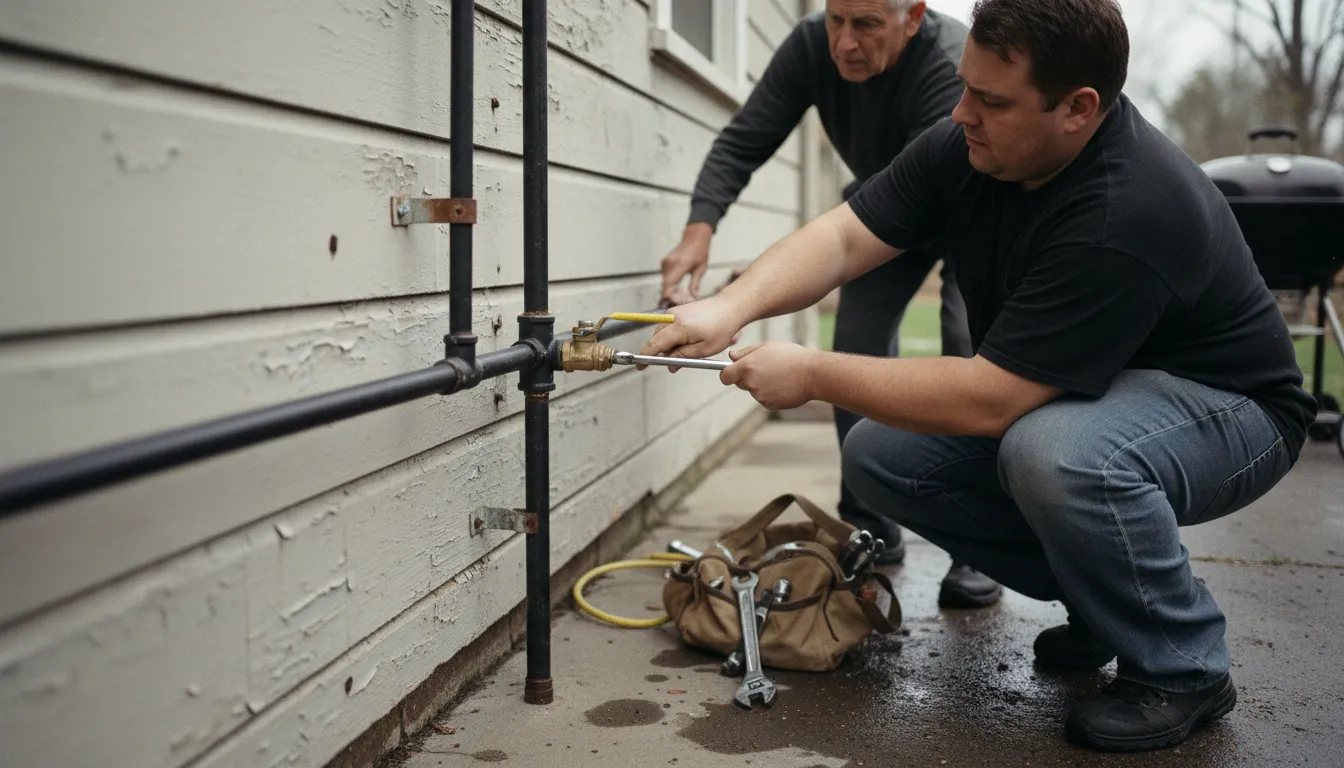
Find the Best Gas Line Plumbing Companies for Your Business
No obligation • Fast responses • Nationwide coverage

Why you can trust Search a Plumber
Search a Plumber is a leading United States resource for finding and evaluating professional plumbing services. Our team researches licensing, experience, and customer feedback to create unbiased, fact-driven overviews. Companies cannot pay to change ratings or placement, ensuring homeowners get trustworthy information.
Search providers near you
Top Gas Line Plumbing Companies in Kyle, Texas Ranked
Connecting your home or business to natural gas requires professional expertise and strict adherence to safety codes. Gas line installation and repair involves running pipes from the main utility line to your appliances, ensuring a safe and reliable fuel supply for heating, cooking, and more. This guide explains the critical process, local requirements, and safety considerations for Kyle residents, helping you understand what to expect when you need to find qualified local professionals for this specialized work.
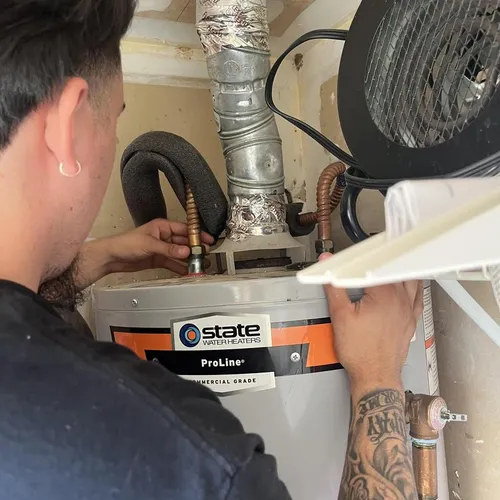
Austin's Greatest Plumbing
2210 Melissa Oaks Ln, Austin, TX 78744
Austin's Greatest Plumbing offers a wide range of plumbing services in Austin, TX, including sewer camera inspections, water heater installation and repair, drain cleaning, leak detection, and gas line installation. They use advanced technology such as video camera inspections to accurately diagnose plumbing issues and provide solutions like whole house repiping and slab leak repair. The company provides 24/7 emergency plumbing services to handle urgent problems like burst pipes and significant leaks, ensuring timely assistance whenever needed.
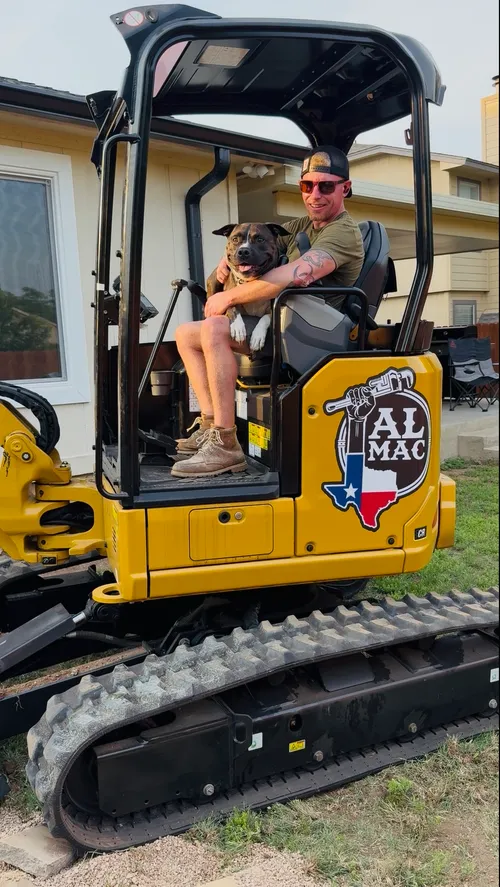
Al Mac Plumbing & Gas, LLC
10415 Old Manchaca Rd #205, Austin, TX 78748
Al Mac Plumbing & Gas, LLC is a locally owned plumbing and gas service provider based in Austin, TX. They offer a range of services including leak detection and gas line installation, handling both minor repairs and major projects. Their licensed team emphasizes quality workmanship and clear communication to ensure customer confidence in their work.
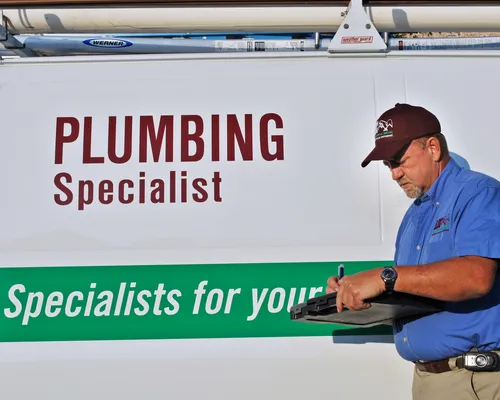
ABC Home & Commercial - Plumbing Services Department
9475 US-290, Austin, TX 78724
ABC Home & Commercial - Plumbing Services Department provides a wide range of plumbing services in Austin, TX. Their licensed plumbers handle everything from clogged drains, leak detection, and toilet repairs to water heater installation and gas line work. They use video technology for sewer camera inspections to accurately diagnose issues. ABC offers 24/7 emergency plumbing services to address urgent problems any time of day or night. Their plumbing services are supervised by a licensed Master Plumber and backed by a one-year guarantee on parts and labor, along with a Comfort Guarantee for emergency situations.
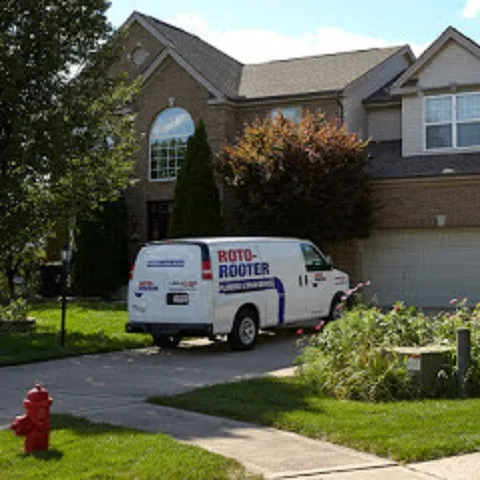
Roto-Rooter Plumbing & Water Cleanup of New Braunfels
1111 N Walnut Ave Ste 202, New Braunfels, TX 78130
Roto-Rooter Plumbing & Water Cleanup of New Braunfels offers a wide range of plumbing services for residential and commercial clients in San Antonio, TX. Their expertise includes sewer and drain cleaning, water heater repair and installation, sump pump repair, leak detection, and trenchless sewer line repair. The company is equipped to handle emergencies 24/7, providing same-day service for urgent plumbing issues such as burst pipes, sewer backups, and water heater failures. With a history dating back to 1935, Roto-Rooter combines decades of experience with advanced technology to serve the local community effectively.
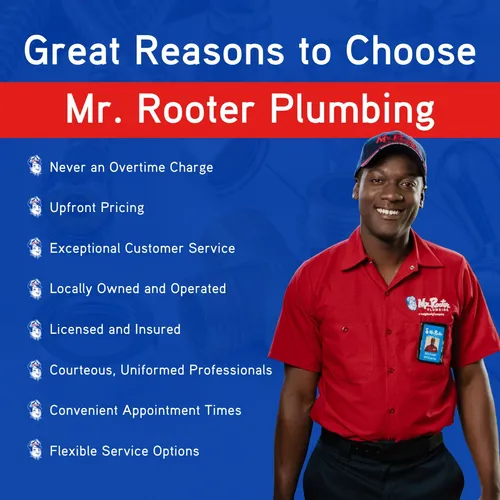
Mr. Rooter Plumbing of New Braunfels
863 I-35 Suite I, New Braunfels, TX 78130
Mr. Rooter Plumbing of New Braunfels offers a wide range of plumbing services including drain cleaning, hydro jetting, sewer line repair, water heater installation and repair, leak detection, and gas line installation. Serving San Antonio, TX, and surrounding areas such as Canyon Lake and Seguin, they provide both residential and commercial plumbing solutions. The company is backed by a national brand with over 50 years of experience and is fully licensed and insured. They also offer 24/7 emergency plumbing services and warranty their parts and labor under the Neighborly Done Right Promise®.
Understanding Gas Piping Systems
A residential gas piping system is a network of pipes that delivers natural gas or propane from the utility meter to various appliances like furnaces, water heaters, stoves, and fireplaces. The system must be designed to handle specific pressure levels and be completely leak-free. In Texas, the materials used are strictly regulated; common types include rigid black iron pipe and more flexible Corrugated Stainless Steel Tubing (CSST). Each material has its applications, installation methods, and safety requirements, which is why using a licensed professional is non-negotiable.
The Legal and Safety Framework in Kyle
All gas line work in Kyle is governed by state and local plumbing codes designed to prevent leaks, explosions, and carbon monoxide poisoning. The cornerstone of this framework is the permit process.
The Permit is Mandatory: By law, no gas line work can begin until a permit is issued by the City of Kyle Building Services department. This isn't just bureaucracy; it's a vital safety check. The permit ensures your project is reviewed for code compliance before any pipe is laid.
Who Can Do the Work: Only a State of Texas Licensed Responsible Master Plumber (RMP) can apply for the permit and perform the installation or repair. This license signifies the plumber has the required training and insurance to handle combustible gases safely. Hiring an unlicensed individual for gas work is illegal and extremely dangerous.
The Inspection Process: After the licensed plumber completes the installation and performs a pressure test, a city inspector from Building Services will visit your property. They verify the work meets all code requirements and that the pressure test passed. Only after this inspection is approved will your gas utility company connect or activate the meter.
Step-by-Step: The Professional Installation Process
A professional gas line installation follows a meticulous sequence to ensure safety and longevity.
- Planning and Design: The RMP will design the pipe route from the meter to the appliances, considering distance, appliance BTU demands, and the simplest path. A critical part of planning is calling 811 to have all public underground utilities marked before any digging begins.
- Permitting: The RMP submits the project details to the City of Kyle Building Services and secures the required permit.
- Excavation: Trenches are dug for underground lines. Burial depth is specified by code (often at least 12 inches deep) to protect the pipe from damage.
- Pipe Installation: The plumber installs the approved pipe material (black iron or CSST), using the correct fittings, risers, and appliance shut-off valves. Special care is taken to protect CSST from potential lightning strikes.
- Pressure Testing: This is the most critical safety step. The plumber seals the system and pressurizes it with air or inert gas, then monitors the pressure gauge for any drop, which would indicate a leak. This test proves the integrity of the entire new installation before gas is ever introduced.
- City Inspection: The inspector reviews the installation, checks the pressure test results, and ensures code compliance.
- Backfill and Meter Connection: Once the inspection passes, trenches can be filled. The gas company is then notified to make the final connection at the meter.
Recognizing and Responding to Gas Line Issues
Gas leaks are serious emergencies. Knowing the signs can save lives.
- Smell: Natural gas is odorless, but a sulfur-like "rotten egg" odorant is added so leaks can be detected. If you smell this inside, it's a primary warning sign.
- Sound: A hissing or whistling sound near a gas line or appliance can indicate escaping gas.
- Visual Clues: Dead or discolored vegetation in an otherwise green yard over a buried line can signal a leak. A white cloud, mist, or blowing dust near a line is also a cause for concern.
If you suspect a leak:
- Do not use electrical switches, phones, or anything that could create a spark.
- Evacuate everyone from the house immediately.
- Call 911 or your gas utility's emergency line from a safe distance away from the home.
For non-emergency repairs or if an appliance is not functioning correctly, contact a licensed RMP. They have specialized tools, like gas leak detectors, to diagnose and safely fix problems such as faulty fittings, corroded pipes, or damaged appliance connectors 1.
Find the perfect gas line plumbing companies for your needs
Get personalized recommendations and expert advice
Factors Influencing Gas Line Project Costs
The cost for gas line services in Kyle can vary widely based on several factors. While only a detailed quote from a licensed plumber can provide an accurate price, understanding these elements helps explain the range.
- Scope of Work: A simple hookup for a new gas stove is far less involved than running a new main line to a home or installing a line for a pool heater across a large yard. Major repairs to existing lines also vary in complexity.
- Pipe Material and Length: The cost of black iron pipe differs from CSST, and the total length of pipe needed is a major driver of material costs 2.
- Labor and Excavation: The complexity of the run (through walls, under slabs, long trenches) impacts labor hours. Excavation costs depend on trench length, depth, and soil conditions 3 4.
- Permits and Inspections: The City of Kyle charges fees for gas permits and inspections, which are a necessary part of the project cost 5.
- Professional Expertise: The rates of a licensed, insured, and experienced Master Plumber reflect their training and the liability of working with gas. This is not an area to seek the cheapest bid.
Given these variables, projects can range from a few hundred dollars for a straightforward appliance connection to several thousand dollars for a comprehensive new residential gas line installation.
Choosing the Right Professional in Kyle
Your safety depends on hiring the right contractor. Here's how to vet professionals for your gas piping project:
- Verify the License: Confirm the plumber holds a current Texas Responsible Master Plumber (RMP) license. You can ask for their license number and verify it.
- Check for Permits: A reputable professional will always pull the required permit from the City of Kyle Building Services. Be wary of anyone who suggests skipping this step to "save you money" 6 7.
- Ask About Experience: Inquire about their specific experience with gas line installations and repairs, and if they are familiar with local Kyle codes and inspectors.
- Get Detailed Estimates: Obtain written estimates that break down costs for materials, labor, permits, and excavation. Ensure it specifies the pipe material to be used.
- Ask About Insurance: Ensure they carry both liability insurance and worker's compensation coverage.
Maintaining Your Gas System
Once installed, your gas lines require minimal maintenance but ongoing vigilance.
- Annual Appliance Checkups: Have a qualified technician service your furnace, water heater, and other gas appliances annually to ensure they are operating efficiently and safely.
- Know Your Shut-Off Valve: Locate the main gas shut-off valve and know how to turn it off in an emergency.
- Monitor for Changes: Be alert to the smell of gas, hissing sounds, or any physical damage to exposed piping.
- Call Before You Dig: Always call 811 at least two business days before any digging project in your yard, no matter how small, to avoid striking and damaging a buried gas line 8.
Frequently asked questions
Sources
Footnotes
-
Gas Line Repair North Texas - Knee Deep Plumbing - https://kneedeepplumbingtx.com/repair-residential-gas-lines-north-texas/ ↩
-
Understanding the Types of Gas Lines in Your Home - https://gps-plumbing.com/pro-tips/types-of-gas-lines-in-your-home/ ↩
-
Gas Line Installation Cost: 2023 Guide - Super Brothers - https://www.superbrothers.com/gas-line-installation-cost-2023-guide/ ↩
-
Gas Line Installation Brownwood, TX | Piping Service - https://midwayplumbing.com/gas-line/gas-line-installation-brownwood-tx ↩
-
A Complete Guide to Gas Line Installation: Tips and Safety Precautions - https://gaeberly.com/gas-line-installation/ ↩
-
Building Services and Permits | City of Kyle - https://www.cityofkyle.gov/doing-business/building-services-and-permits/ ↩
-
How to Install Natural Gas Lines Safely and Correctly - https://bluegasexpress.com/how-to-install-natural-gas-lines/ ↩
-
FAQ Homeowners Gas Permit - Victoria, TX - https://www.victoriatx.gov/DocumentCenter/View/4349/FAQ-Homeowners-Gas-Permit ↩