Find the Best Gas Line Plumbing Companies for Your Business
No obligation • Fast responses • Nationwide coverage

Why you can trust Search a Plumber
Search a Plumber is a leading United States resource for finding and evaluating professional plumbing services. Our team researches licensing, experience, and customer feedback to create unbiased, fact-driven overviews. Companies cannot pay to change ratings or placement, ensuring homeowners get trustworthy information.
Search providers near you
Top Gas Line Plumbing Companies in Austin, Texas Ranked
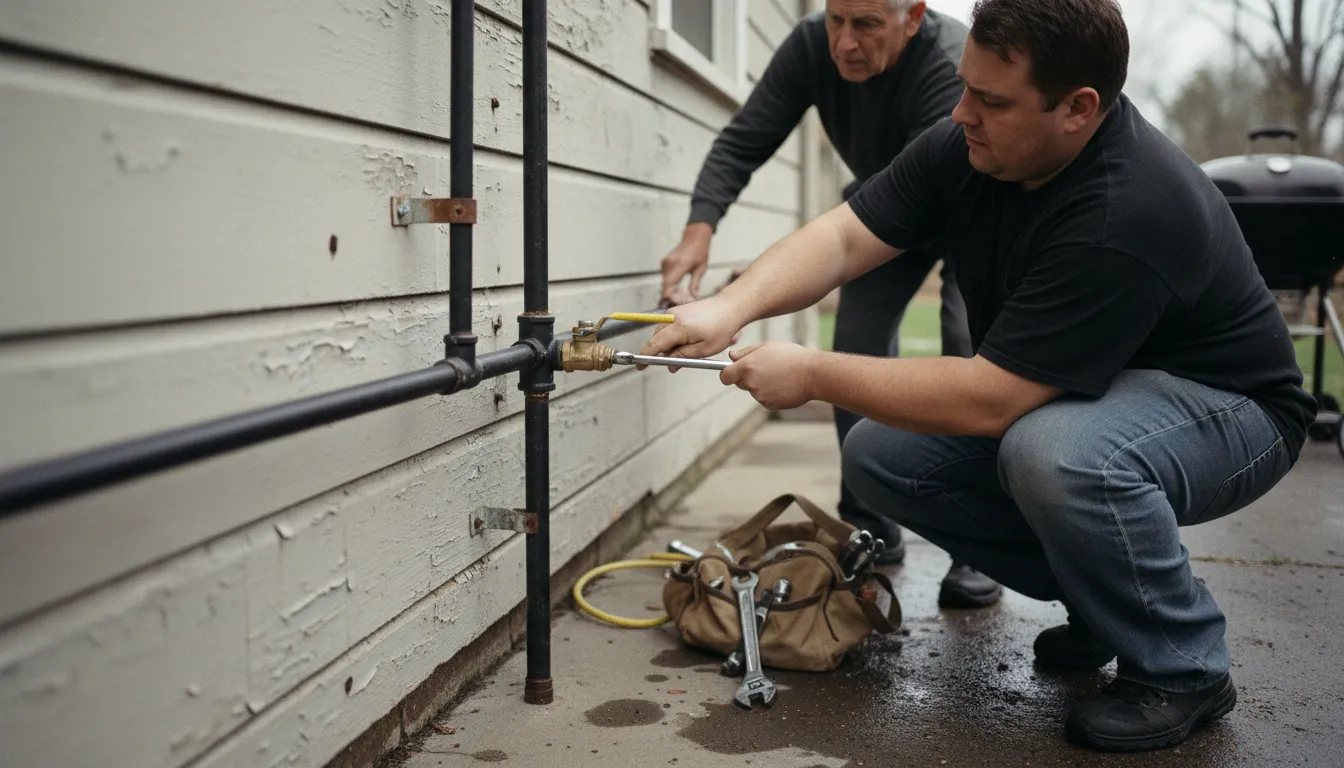
Installing or repairing a gas line is a critical project that directly impacts the safety and functionality of your home. Whether you're adding a gas stove, fireplace, or outdoor kitchen, proper gas piping work requires strict adherence to local codes and professional expertise. This guide will help you understand the process, regulations, and what to look for when finding qualified professionals in Austin for your gas line needs.
Austin's Greatest Plumbing
2210 Melissa Oaks Ln, Austin, TX 78744
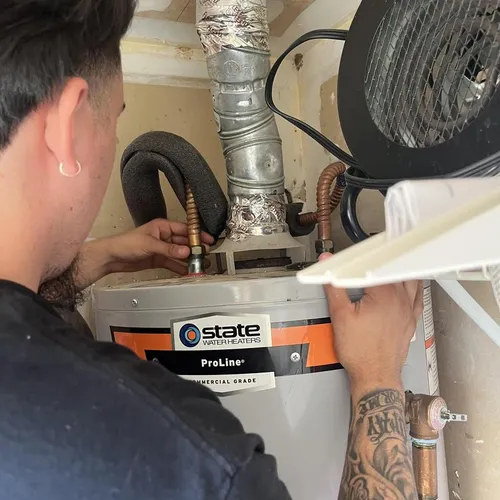
Austin's Greatest Plumbing offers a wide range of plumbing services in Austin, TX, including sewer camera inspections, water heater installation and repair, drain cleaning, leak detection, and gas line installation. They use advanced technology such as video camera inspections to accurately diagnose plumbing issues and provide solutions like whole house repiping and slab leak repair. The company provides 24/7 emergency plumbing services to handle urgent problems like burst pipes and significant leaks, ensuring timely assistance whenever needed.
Al Mac Plumbing & Gas, LLC
10415 Old Manchaca Rd #205, Austin, TX 78748
Al Mac Plumbing & Gas, LLC is a locally owned plumbing and gas service provider based in Austin, TX. They offer a range of services including leak detection and gas line installation, handling both minor repairs and major projects. Their licensed team emphasizes quality workmanship and clear communication to ensure customer confidence in their work.
Eagle Eye Plumbing
104 Saviano Rd, Hutto, TX 78634
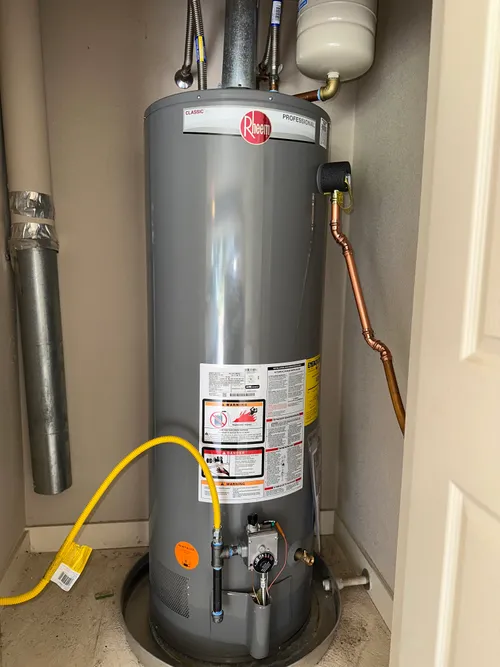
Eagle Eye Plumbing is a plumbing service provider based in Austin, TX, offering a range of services including leak detection, water heater repair and installation, drain cleaning, gas line installation, and water softener installation. The company serves the Austin area as well as nearby communities such as Hutto, Taylor, Georgetown, and Pflugerville. Founded and led by Chris Martinez, a U.S. military veteran with seven years of experience, Eagle Eye Plumbing operates with a focus on precision and integrity. The business provides 24/7 emergency plumbing services to address urgent needs at any time.

Crows Plumbing Service
1500 Chisholm Trail Rd suite 100, Round Rock, TX 78681
Crows Plumbing Service is a family-owned plumbing company serving Austin, TX, and nearby areas with over 20 years of experience. They provide a wide range of plumbing services including water heater repair and installation, water softener installation, drain cleaning, hydro jetting, sewer line repair, leak detection, gas line installation, toilet repair, and garbage disposal repair. Their team is skilled in handling both residential and commercial plumbing needs, offering same-day service to address urgent issues. One of their notable capabilities is hydro jetting, which effectively clears stubborn blockages in drains and sewer lines. Established in 2007, Crows Plumbing Service combines local expertise with a service warranty for added customer assurance.
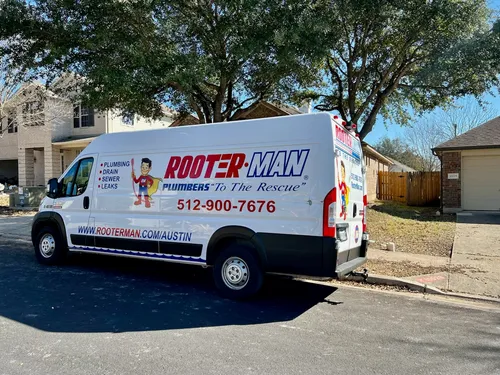
Rooter-Man Plumbing Austin TX
15503 Patrica St, Austin, TX 78728
Rooter-Man Plumbing Austin TX provides a wide range of plumbing services in Austin, TX, including sewer camera inspections, water heater repair and installation, drain cleaning, hydro jetting, sewer line repair, gas line installation, and toilet repair. With over 50 years of experience and a presence across the US and Canada since 1997, Rooter-Man offers expert solutions such as high-pressure water jetting to clear main drain lines and video inspections to locate pipe issues efficiently. The company also offers emergency services on weekends and holidays to address urgent plumbing needs.
Understanding Austin's Gas Line Regulations
All gas line work in Austin is governed by the City of Austin Development Services Department and must comply with the International Building Code (IBC) and International Residential Code (IRC). The primary goal of these regulations is safety. Natural gas is highly combustible, and improper installation can lead to dangerous leaks, fires, or explosions. Therefore, the city mandates a formal process of permits and inspections that cannot be bypassed.
A plumbing permit is mandatory for any new gas line installation, repair, or modification. There are no exemptions for gas work in Austin. You or your licensed plumbing contractor must apply for this permit before any work begins. For emergency repairs, the city does offer an emergency permit process, but this still requires official approval and follow-up inspections 1. Attempting gas piping work without a permit can result in fines, failed inspections, and the requirement to redo all work at your own expense.
The Permit and Inspection Process
Navigating the city's requirements is a key part of any gas line project. Here's a step-by-step overview:
- Permit Application: A licensed master plumber typically pulls the permit. The application is submitted to the City of Austin, detailing the scope of work 2.
- Rough-In Inspection: After the gas pipe is installed but before it is covered (e.g., buried or enclosed within a wall), you must call for a rough-in inspection. A city inspector will check the piping material, routing, and connections. Crucially, this inspection includes a pressure test.
- Pressure Test: The installer must perform a low-pressure air test on the system. The code requires pressurizing the line to at least 10 PSI and holding it for a minimum of 15 minutes with no pressure drop 3. This test proves the integrity of the entire run of pipe and all fittings before the gas is ever introduced.
- Final Inspection: Once the system is complete, appliances are connected, and the trench is backfilled (for underground lines), a final inspection is requested. Only after this inspection passes will the city authorize the gas utility to set the meter or restore gas service.
Find the perfect gas line plumbing companies for your needs
Get personalized recommendations and expert advice
Materials and Installation Methods
Choosing the right material for your gas piping is dictated by code and installation location.
- Above Ground: Inside your home or in exposed locations, black iron pipe is the standard. It's durable, fire-resistant, and all connections are threaded for security.
- Underground: For burying a gas line in your yard, polyethylene (PE) plastic pipe is commonly used. It's resistant to corrosion. Code requires that a tracer wire be buried alongside the plastic pipe so future crews can locate it with a metal detector 4. Alternatively, coated or wrapped steel pipe may be used in certain situations.
Installation often involves trenching or directional boring. Trenching is excavating a direct ditch to lay the pipe, while directional boring allows the pipe to be pulled underground with minimal surface disruption, which is useful under driveways or landscaping 5. The trench must be deep enough to protect the pipe from damage (typically 12-18 inches). Austin's notorious clay soil can make excavation challenging and more costly.
Cost Considerations for Gas Line Work
The cost of running a gas line in Austin is highly variable. While you might see average estimates ranging from $16 to $30 or more per linear foot6 7, this is just a starting point. Your final price depends on:
- Trenching Complexity: Digging through rocky soil or Austin clay significantly increases labor and equipment costs.
- Length of Run: The total distance from the meter to the appliance.
- Materials: The type and diameter of pipe required.
- Labor & Professional Fees: The rates of the licensed master plumber performing the work.
- Permit & Inspection Fees: City fees for processing and inspections.
- Appliance Connections: The complexity of connecting to the final appliance (e.g., a fireplace vs. a pool heater).
For significant savings, some homeowners opt for a hybrid approach: they dig the trench themselves according to the plumber's specifications (depth, route), and the professional handles the pipe installation, connections, pressure test, and inspections. This can cut down on high hourly equipment and labor rates.
Safety First: Leak Detection and Emergency Response
Gas safety cannot be overstated. Know the signs of a leak:
- Smell: Natural gas is odorless, but utilities add a distinctive "rotten egg" smell (mercaptan) as a warning.
- Sound: A hissing or whistling noise near a gas line.
- Sight: Bubbles in standing water, dirt blowing from a hole in the ground, or dead vegetation in an otherwise green area.
If you suspect a leak:
- Evacuate the area immediately. Do not use electrical switches, phones, or anything that could create a spark.
- Call 911 from a safe distance.
- Call your gas company (e.g., Texas Gas Service) to report the leak.
For non-emergency concerns or planned work, always hire a professional. Licensed plumbers have the training and tools for critical tasks like pressure testing, making safe connections at the meter and appliances, and ensuring full code compliance 8.
The Professional's Role vs. Homeowner Tasks
A successful project involves clear roles:
- Professional Plumber's Responsibilities: Designing the system layout, obtaining the permit, installing the pipe and shutoff valves, performing the mandatory pressure test, scheduling and being present for city inspections, and making the final connections to appliances.
- Potential Homeowner Tasks (for cost savings): Digging and prepping the trench to the plumber's specs, and backfilling the trench once the pipe has passed its rough-in inspection 9 10.
This division of labor ensures the safety-critical elements are handled by a licensed expert while allowing for some sweat equity to manage overall project costs.
Frequently asked questions
Sources
Footnotes
-
Emergency Permits | AustinTexas.gov - https://www.austintexas.gov/emergency-permits ↩
-
Apply for a Standalone Permit - AustinTexas.gov - https://www.austintexas.gov/page/apply-standalone-permit ↩
-
5.6.2 - gas plumbing systems test requirements - AustinTexas.gov - https://www.austintexas.gov/edims/document.cfm?id=349262 ↩
-
Plumbing Gas Yard Line Inspection Checklist - AustinTexas.gov - https://austintexas.gov/sites/default/files/files/Development_Services/COM_PlumbingGasYardLineInspectionChecklist.pdf ↩
-
Procedures for Gas Line or Gas Test Inspections - https://www.texascitytx.gov/DocumentCenter/View/131/Procedures-for-Gas-Line-or-Gas-Test-Inspections-PDF ↩
-
Gas Line Installation - Quality Plumbing - https://qualityplumbing.cc/gas-line-installation-what-homeowners-need-to-know/ ↩
-
Cost to install gas line in Austin, TX - Handoff AI Estimating - https://www.handoff.ai/construction-costs/install-gas-line/austin-tx ↩
-
Gas Piping Repair in Austin, TX: #1 Trusted Experts - https://plumbingoutfitters.com/gas-piping-repair-in-austin-tx/ ↩
-
Running Natural Gas Line Underground: The Ultimate Guide - https://alrooterplumbing.com/running-natural-gas-line-underground/ ↩
-
Special Specification 7027 Natural Gas Pipeline - https://ftp.dot.state.tx.us/pub/txdot-info/cmd/cserve/specs/2014/spec/ss7027.pdf ↩