Find the Best Gas Line Plumbing Companies for Your Business
No obligation • Fast responses • Nationwide coverage

Why you can trust Search a Plumber
Search a Plumber is a leading United States resource for finding and evaluating professional plumbing services. Our team researches licensing, experience, and customer feedback to create unbiased, fact-driven overviews. Companies cannot pay to change ratings or placement, ensuring homeowners get trustworthy information.
Search providers near you
Top Gas Line Plumbing Companies in Woodbridge, New Jersey Ranked
Installing or repairing a gas line is a critical home improvement project that directly impacts the safety and functionality of your property. Whether you're adding a gas fireplace, connecting a new range, or addressing a leak, this work involves high-pressure fuel lines that require precision and strict adherence to local codes. In Woodbridge, this process is governed by specific township regulations and safety protocols. This guide will help you understand the essential steps, from securing the proper permits to hiring a qualified professional, ensuring your project is completed safely and legally.
Above and Beyond Plumbing and Heating LLC
5 Van Winkle Rd, Pine Brook, NJ 07058
Above and Beyond Plumbing and Heating LLC is a plumbing and heating service provider based in New York, NY. They offer a wide range of services including water heater repair and installation, water softener installation, drain cleaning, sewer line repair, leak detection, repiping, gas line installation, toilet repair, and garbage disposal repair. The company is known for its 24-hour emergency plumbing services, ensuring help is available whenever needed. They also specialize in boiler installation and repair, and install water filtration and softening systems to improve water quality. With over a decade of experience, Above and Beyond Plumbing and Heating LLC serves New York and surrounding areas, providing tailored solutions to meet specific plumbing and heating needs.
Angler Plumbing, Heating & Drain Cleaning LLC
598 Hickory Ave, Saddle Brook, NJ 07663
Angler Plumbing, Heating & Drain Cleaning LLC is a family- and veteran-owned business serving New York, NY, and Bergen County, NJ. They provide a wide range of plumbing, heating, and drain services including water heater installation and repair, sump pump maintenance, gas line installation, and drain cleaning. Their licensed master plumber offers a one-year warranty on parts, labor, and materials, and the company is known for its safety-first approach and fully stocked trucks. With over 22 years of experience, Angler Plumbing also offers emergency services with weekend and evening appointments available upon request.
Affordable Plumbing and Leak Repair
New York, NY
Affordable Plumbing and Leak Repair provides a wide range of plumbing services in New York, NY, including water heater repair and installation, drain cleaning, leak detection, repiping, and gas line installation. They serve Staten Island and surrounding areas such as Queens, The Bronx, Brooklyn, and Jersey City. The company offers emergency plumbing services to address urgent issues like burst pipes and clogged drains. Their team is equipped to handle various plumbing needs, including dryer and washer hookups, with a focus on preventing future problems through quality repairs and installations.
A&E NYC Plumbing
40 Fulton St, New York, NY 10038
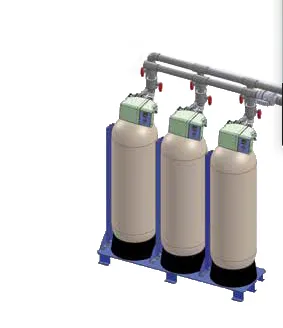
A&E NYC Plumbing offers a wide range of plumbing services in New York, NY, including water heater repair and installation, drain cleaning, sewer line repair, leak detection, and gas line installation. They also handle faucet and toilet repairs, garbage disposal maintenance, and repiping projects. The company is licensed and insured, providing both residential and commercial plumbing solutions with a focus on safety and technical expertise. Their team is experienced in managing complex plumbing systems and offers free onsite estimates for more involved jobs.
Quix Plumbing Service
1254 Utica Ave, Brooklyn, NY 11203
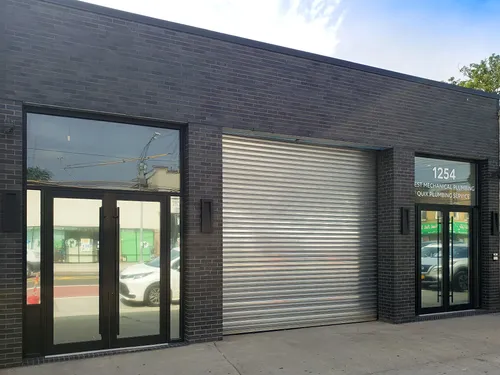
Quix Plumbing Service provides plumbing and gas line installation services in New York, NY, including Brooklyn, Queens, Bronx, and Manhattan. They handle a range of plumbing needs from emergency repairs to full system installations using advanced, non-invasive techniques. The company focuses on delivering precise and careful service tailored to both residential and commercial clients.
Understanding Gas Piping Work in Woodbridge
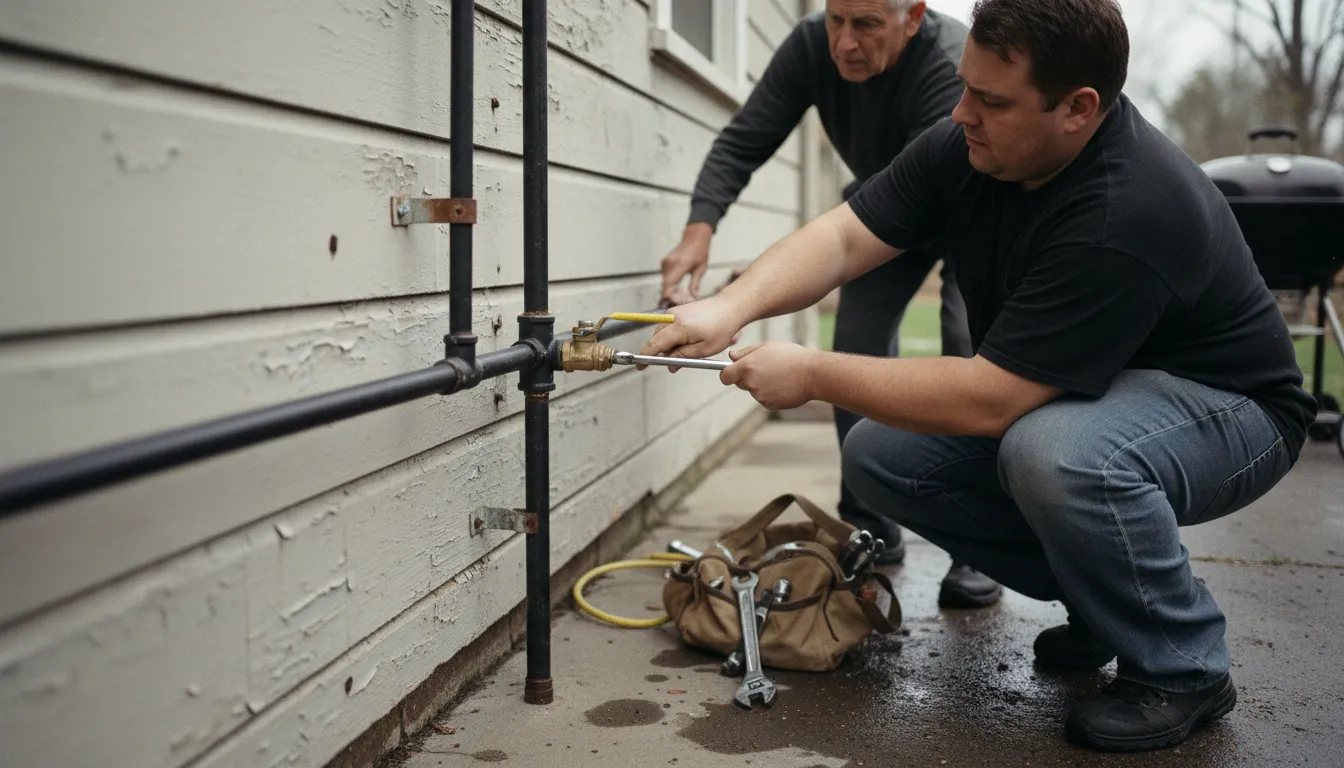
Gas line projects, often referred to as gas piping or fuel line work, are not typical DIY tasks. They involve planning a route, selecting the correct materials (like black iron or steel pipe), and executing connections that will safely deliver natural gas or propane to your appliances for years to come. The primary reason for stringent oversight is safety; a faulty installation can lead to dangerous leaks, fire hazards, or carbon monoxide poisoning. In Woodbridge, the Township Building Department enforces the New Jersey Uniform Construction Code (UCC) for all gas line installations and repairs, mandating that permits be pulled and inspections passed before the work is considered complete.
The scope of work can vary significantly. A simple repair might involve replacing a section of corroded pipe, while a full installation could mean running a new line from the meter to a newly built outdoor kitchen or garage apartment. Common reasons homeowners seek this service include:
- Installing a tankless water heater.
- Adding a gas line for a stove, dryer, or fireplace.
- Relocating an appliance during a kitchen remodel.
- Repairing a leak detected by smell or a gas company inspection.
The Permit Process: A Non-Negotiable Step
In Woodbridge, a building permit is required for nearly all gas line work, including new installations and major repairs or extensions. The permit process is designed to ensure the project plans comply with state and local safety codes before any work begins.
Who Can Apply? Typically, a licensed New Jersey master plumber must sign and file the permit application, specifically the Plumbing Subcode (F-130) form. Homeowners may apply for their own permit only if they will personally perform the work and reside in the dwelling. Given the risks, hiring a licensed professional is strongly advised.
Where and How to Apply: Permits are obtained through the Woodbridge Township Building Department located at 1 Main Street. The process involves submitting completed application forms, detailed plans of the proposed work, and paying the associated fees. According to township guidelines, fees are often calculated per gas outlet-for example, approximately $15 per outlet-plus any additional plumbing or building review fees. The review period can take up to 20 days, so factor this into your project timeline.
Required Inspections: Once the permit is issued and work commences, two key inspections are mandatory:
- Rough-In Inspection: This occurs after the new gas piping is installed but before it is concealed behind walls or covered in trenches. The inspector checks the pipe material, sizing, and routing.
- Final Inspection: After the system has passed a pressure test and all appliances are permanently connected, the final inspection is scheduled. A passing inspection often results in a yellow pressure test sticker being placed on the piping, and the inspector verifies that appliances like furnaces or boilers are correctly installed and ready for adjustment by the utility company.
To schedule these inspections, you must call the Woodbridge Building Department at (732) 602-6033 1.
The Step-by-Step Installation & Repair Procedure
A professional gas line project follows a meticulous sequence to ensure safety and compliance.
-
Planning and "Call Before You Dig" (811): The first step after planning the route is to call 811. New Jersey state law requires this free service to have all public underground utility lines (like water, sewer, and electric) marked on your property before any digging begins. This prevents catastrophic damage and keeps workers safe.
-
Excavation and Trenching: For new underground lines, a trench is dug along the planned route, taking care to avoid the marked public utilities and any private lines (e.g., sprinkler systems).
-
Pipe Installation: A licensed plumber will install the approved piping (black iron or steel is standard), using proper techniques for cutting, threading, and securing joints with pipe dope or tape designed for gas lines.
-
Pressure Testing: This is a critical safety check. The system is pressurized with air and monitored to ensure there are no leaks. This test is typically witnessed by the township inspector during the final inspection phase 2.
-
Backfilling and Connection: Once the pipe passes inspection, the trench can be carefully backfilled. The plumber then makes the final connections to the gas meter and the appliance(s), ensuring all fittings are secure.
-
Appliance Startup: The utility company (like PSE&G) often requires verification of a passed final inspection before they will set the meter or turn on the gas. The appliance itself should then be started and adjusted by a qualified technician.
Find the perfect gas line plumbing companies for your needs
Get personalized recommendations and expert advice
Critical Safety Protocols for Gas Work
Safety cannot be overstated when dealing with natural gas or propane lines.
- Use Licensed Professionals: Always hire a plumber licensed in New Jersey for gas fitting work. They carry the necessary insurance, bonding, and knowledge of current codes 3.
- Immediate Leak Response: Natural gas is odorized to smell like rotten eggs. If you detect this odor:
- Respect Utility Markings: The flags and paint from your 811 call indicate buried lines. Do not remove or ignore these markings until your project is complete.
- Appliance Requirement: For a new meter set, the gas company typically requires at least one major gas appliance (e.g., furnace, boiler, water heater) to be permanently installed and ready for service at the time of inspection 6 7.
Understanding Costs and Getting Quotes
The cost for gas line services in Woodbridge varies based on the project's complexity, length of pipe needed, accessibility, and labor rates. You can expect costs to encompass:
- Labor: For professional installation or repair.
- Materials: Pipe, fittings, valves, and protective coatings.
- Permits & Fees: Township permit fees (e.g., ~$15/outlet) and inspection costs 8 9.
- Site Work: Costs for trenching, restoration, or navigating obstacles.
For a simple appliance hookup, costs may be relatively modest, while running a new line across a large property will be more involved. It is highly recommended to obtain multiple detailed quotes from licensed, insured plumbers in the Woodbridge area 10. A reputable professional will provide a breakdown of costs and outline the permit process.
Choosing the Right Professional in Woodbridge
Selecting a contractor is your most important decision. Look for a plumber or gas fitter who:
- Holds an active New Jersey Master Plumber License.
- Has specific, verifiable experience with gas line installation and repair.
- Is familiar with Woodbridge Township's permit and inspection process.
- Provides clear, written estimates and contracts.
- Can supply references from past gas line projects in the area.
- Carries general liability insurance and workers' compensation coverage.
Checking online reviews and resources can help you create a shortlist of qualified local providers. Remember, the lowest bid is not always the best value when it comes to the long-term safety and reliability of your gas system.
Frequently asked questions
Sources
Footnotes
-
New Jersey Plumbing Permit Guide - PermitFlow - https://www.permitflow.com/blog/plumbing-permit-nj ↩
-
Gas Line Installation Cost: 2023 Guide - Super Brothers - https://www.superbrothers.com/gas-line-installation-cost-2023-guide/ ↩
-
Gas Line Installation and Repairs - Peace of Mind Plumbing & Heating - https://www.peaceofmindplumbingnj.com/guide-for-gas-line-installation-repairs-leak-detection ↩
-
Professional Gas Line Repair in New Jersey - https://www.brownshc.com/services/plumbing/gas-line-repair-and-installation/ ↩
-
NJNG Construction on Your Street - https://www.njng.com/my-home/construction-street.aspx ↩
-
Construction & Renovation Local Inspections - PSE&G - https://nj.pseg.com/businessandcontractorservices/constructionandrenovationservices/mandatorylocalinspections ↩
-
Planning a Residential Improvement - Woodbridge Township - https://www.twp.woodbridge.nj.us/DocumentCenter/View/679/Planning-A-Home-Improvement_-PDF- ↩
-
Township of Woodbridge, NJ Building and Housing - eCode360 - https://ecode360.com/35044185 ↩
-
Woodbridge Township Building and Trade Permit Guide - https://www.permitflow.com/blog/woodbridge-township-building-permit ↩
-
TOP 10 BEST Gas Line Installation in Woodbridge Township, NJ - https://m.yelp.com/search?find_desc=Gas+Line+Installation&find_loc=Woodbridge+Township%2C+NJ ↩