Find the Best Gas Line Plumbing Companies for Your Business
No obligation • Fast responses • Nationwide coverage

Why you can trust Search a Plumber
Search a Plumber is a leading United States resource for finding and evaluating professional plumbing services. Our team researches licensing, experience, and customer feedback to create unbiased, fact-driven overviews. Companies cannot pay to change ratings or placement, ensuring homeowners get trustworthy information.
Search providers near you
Top Gas Line Plumbing Companies in West Orange, New Jersey Ranked
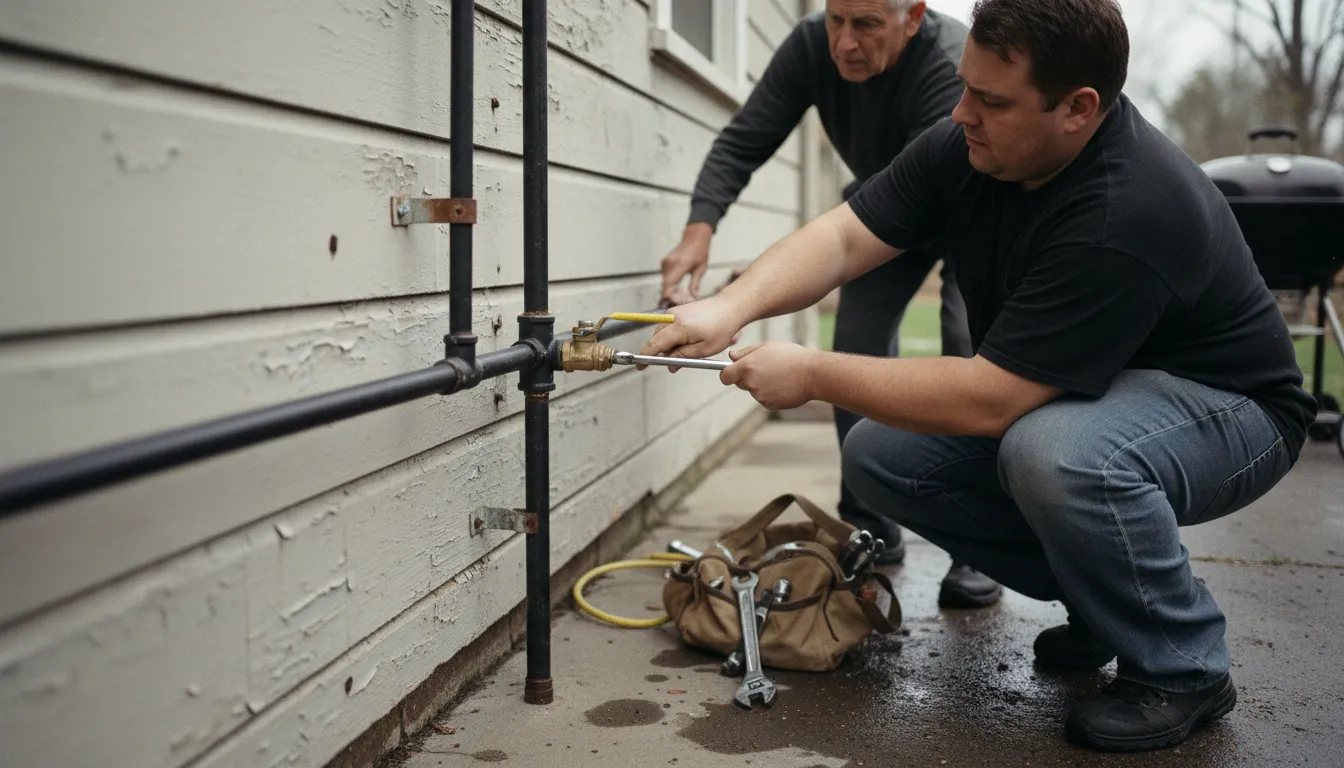
For homeowners in West Orange, ensuring the safe and reliable delivery of natural gas or propane to your appliances is a critical home system. Gas line installation and repair involves the professional placement, connection, and maintenance of the pipes that supply fuel to your furnace, water heater, stove, dryer, and fireplace. This work is governed by strict state and local safety codes and is not a DIY project. This guide will help you understand the process, requirements, and how to find qualified local professionals for your gas piping needs.
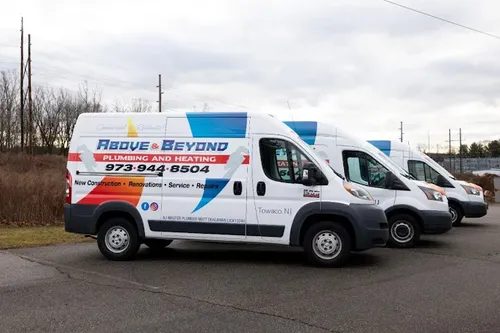
Above and Beyond Plumbing and Heating LLC
5 Van Winkle Rd, Pine Brook, NJ 07058
Above and Beyond Plumbing and Heating LLC is a plumbing and heating service provider based in New York, NY. They offer a wide range of services including water heater repair and installation, water softener installation, drain cleaning, sewer line repair, leak detection, repiping, gas line installation, toilet repair, and garbage disposal repair. The company is known for its 24-hour emergency plumbing services, ensuring help is available whenever needed. They also specialize in boiler installation and repair, and install water filtration and softening systems to improve water quality. With over a decade of experience, Above and Beyond Plumbing and Heating LLC serves New York and surrounding areas, providing tailored solutions to meet specific plumbing and heating needs.
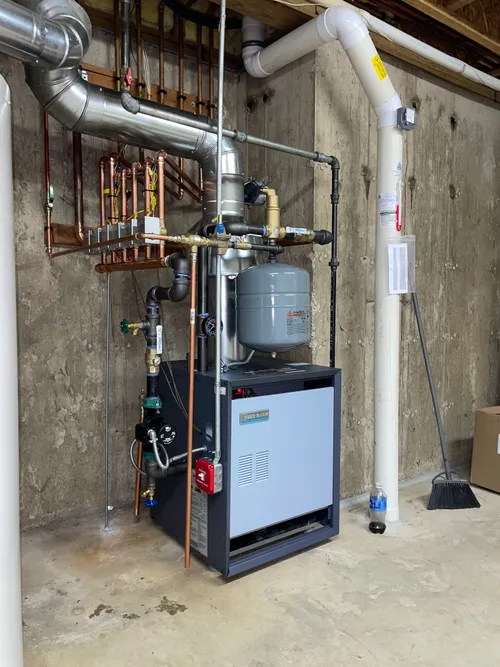
Angler Plumbing, Heating & Drain Cleaning LLC
598 Hickory Ave, Saddle Brook, NJ 07663
Angler Plumbing, Heating & Drain Cleaning LLC is a family- and veteran-owned business serving New York, NY, and Bergen County, NJ. They provide a wide range of plumbing, heating, and drain services including water heater installation and repair, sump pump maintenance, gas line installation, and drain cleaning. Their licensed master plumber offers a one-year warranty on parts, labor, and materials, and the company is known for its safety-first approach and fully stocked trucks. With over 22 years of experience, Angler Plumbing also offers emergency services with weekend and evening appointments available upon request.
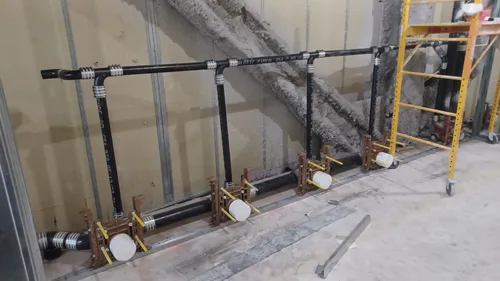
Affordable Plumbing and Leak Repair
New York, NY
Affordable Plumbing and Leak Repair provides a wide range of plumbing services in New York, NY, including water heater repair and installation, drain cleaning, leak detection, repiping, and gas line installation. They serve Staten Island and surrounding areas such as Queens, The Bronx, Brooklyn, and Jersey City. The company offers emergency plumbing services to address urgent issues like burst pipes and clogged drains. Their team is equipped to handle various plumbing needs, including dryer and washer hookups, with a focus on preventing future problems through quality repairs and installations.
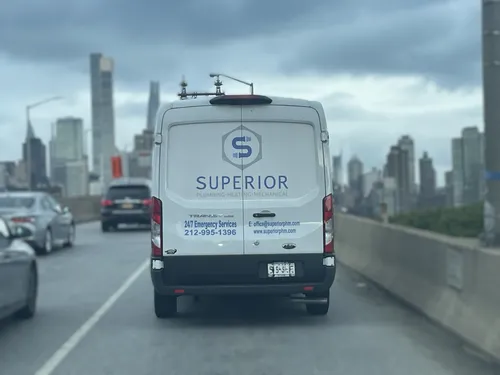
Superior Plumbing, Heating, & Mechanical, LLC
New York, NY
Superior Plumbing, Heating, & Mechanical, LLC is a family-owned business serving New York, NY, and surrounding areas including the five boroughs, Long Island, and Westchester County. Since 2003, they have provided commercial plumbing, heating, and mechanical services to building owners, managers, and engineers. Their licensed team offers a range of services such as drain cleaning, leak detection, gas line installation, toilet repair, backflow prevention, and water leak detection. They are certified for gas piping and backflow testing and provide 24/7 emergency and scheduled maintenance services to ensure building systems operate efficiently and comply with local codes.
A&E NYC Plumbing
40 Fulton St, New York, NY 10038
A&E NYC Plumbing offers a wide range of plumbing services in New York, NY, including water heater repair and installation, drain cleaning, sewer line repair, leak detection, and gas line installation. They also handle faucet and toilet repairs, garbage disposal maintenance, and repiping projects. The company is licensed and insured, providing both residential and commercial plumbing solutions with a focus on safety and technical expertise. Their team is experienced in managing complex plumbing systems and offers free onsite estimates for more involved jobs.
Understanding Gas Line Services
Gas line work encompasses a range of specific tasks, all requiring a licensed professional. Whether you're installing a new gas stove, running a line to a fire pit, or repairing a suspected leak, the core principle is safety. A certified gas fitter or plumber will handle everything from the initial assessment and permit acquisition to the final pressure test and municipal inspection. Using the correct materials-like black iron pipe or Corrugated Stainless Steel Tubing (CSST)-and adhering to precise installation standards prevents dangerous leaks and ensures your home's fuel system operates efficiently for years.
Why Proper Installation is Non-Negotiable
The consequences of faulty gas work can be severe, ranging from carbon monoxide poisoning to fire or explosion. New Jersey, and West Orange specifically, enforces rigorous codes to mitigate these risks. A proper installation includes correct pipe sizing to ensure adequate gas flow to appliances, secure threaded or flared connections, proper support and protection of piping, and correct venting for combustion appliances. Professionals also perform a mandatory pressure test, using air or nitrogen, to confirm the entire system is sealed before it is ever connected to the gas supply.
The West Orange Permit and Inspection Process
One of the most important aspects of any gas line project in West Orange is navigating the local regulatory requirements. This process is in place for your safety and is managed by your contractor.
When is a Permit Required?
In West Orange, a building permit is required for the installation, alteration, or extension of any gas piping. This applies to new construction, adding an appliance like a gas range, or even relocating an existing line. The permit ensures the planned work is reviewed for code compliance before it begins. Your licensed contractor will typically handle the application process with the West Orange Building Department, submitting the necessary plans and paying the associated fees 1.
The Role of Municipal Inspection
After the licensed professional completes the gas piping work, it cannot be covered up or put into use until it has been inspected and approved by the township. A municipal inspector, often from the building department, will visit your property to verify that the installation meets all aspects of the New Jersey Uniform Construction Code (UCC) and local amendments. They will check materials, support, bonding (for CSST), and may witness a pressure test. Only after receiving this final approval is the job officially complete. Homeowners should be aware that scheduling these inspections can sometimes cause delays, particularly during busy seasons 2.
Key Steps in a Professional Gas Line Project
Understanding the steps involved can help you know what to expect when you hire a professional for gas pipe installation or repair.
1. Site Assessment and Planning: A technician will evaluate your needs, the route from the gas meter or propane tank to the appliance, and identify any obstacles. They will determine the correct pipe size and materials needed.
2. Calling 811: This is a crucial safety and legal step. Before any digging occurs, your contractor must call New Jersey's "Call Before You Dig" hotline (811) to have all public underground utility lines marked. This prevents accidentally striking an electric, water, or other gas line.
3. Trenching and Excavation: For exterior lines, a trench must be dug to the code-specified depth, which is often between 18 to 36 inches deep in New Jersey to protect the pipe from frost and damage. The work may involve manual digging or mechanical trenching depending on the length and soil conditions.
4. Pipe Installation and Connection: The approved piping (black iron or CSST) is laid in the trench or routed through the home's structure. All connections are meticulously made using proper techniques-threading and dope for iron pipe, specialized flaring tools for CSST. The pipe is properly supported and protected.
5. Pressure Testing and Inspection: Before the trench is backfilled or walls are closed up, the system is pressurized with air or an inert gas and monitored for drops that indicate a leak. This test is often performed for the municipal inspector.
6. Final Connection and Backfill: Once the system passes inspection, it can be connected to the gas source and the appliance. Exterior trenches are then carefully backfilled.
Find the perfect gas line plumbing companies for your needs
Get personalized recommendations and expert advice
Safety Considerations for West Orange Homeowners
Your awareness is a key layer of safety beyond professional installation.
- Recognize the Smell: Natural gas is odorless, but a chemical called mercaptan is added to give it a distinctive "rotten egg" smell. If you detect this odor inside your home, leave immediately, avoid creating sparks (don't flip light switches), and call 911 or your gas company from a safe distance outside 3.
- Carbon Monoxide (CO) Detectors: Any home with gas appliances must have working CO detectors installed on every level and near sleeping areas. This colorless, odorless gas is a byproduct of combustion and is lethal.
- Appliance Venting: Never block or tamper with the exhaust flue or vent of a gas furnace, water heater, or boiler. Proper venting is essential to expel combustion gases safely outside.
- Use Licensed Professionals Only: Always verify that the individual or company you hire holds a current New Jersey State license for plumbing or gas fitting. This is your assurance they have the training to work safely and know the codes 4.
Common Types of Gas Piping Materials
The two most common materials used in residential gas line work are:
- Black Iron Pipe: The traditional standard, known for its durability and safety. It is used for both indoor and outdoor applications. Installation is labor-intensive, requiring precise threading and assembly. It is highly resistant to damage and is often required for the final connection to an appliance.
- Corrugated Stainless Steel Tubing (CSST): A flexible, yellow-jacketed tubing that is easier and faster to install, especially in retrofit situations where running rigid pipe is challenging. It must be properly bonded and grounded to mitigate the risk of damage from lightning strikes. Its use is governed by specific code provisions.
Your contractor will select the appropriate material based on the application, local code, and the specific details of your project.
Factors Influencing Project Complexity and Cost
The cost for gas line services in West Orange varies significantly because no two projects are alike. Understanding the variables helps explain the price range.
- Project Scope: A simple hookup for a new stove a few feet from an existing valve is far less involved than running a new line 50 feet across a yard to a new patio kitchen.
- Trenching Requirements: The need for, and difficulty of, excavation is a major cost driver. Digging through rocky soil, under driveways, or around complex landscaping adds time and labor.
- Materials and Length: The cost of black iron pipe, CSST, fittings, and valves, plus the total linear footage needed, directly impacts the price.
- Permits and Inspections: The town of West Orange charges fees for building permits, which are part of the project cost.
- Appliance Connection: The type of appliance (furnace, tankless water heater, fire feature) and the complexity of its final connection can affect the price.
While prices can range from several hundred dollars for a basic hookup to several thousand for a long, complex run with trenching, the most accurate way to determine cost is to get detailed estimates from licensed local professionals 5 6.
Frequently asked questions
Sources
Footnotes
-
FAQs • How much do building permits cost? - West Orange, NJ - https://www.westorange.org/FAQ.aspx?QID=156 ↩
-
New Jersey Plumbing Permit Guide - https://www.permitflow.com/blog/plumbing-permit-nj ↩
-
Gas Line Installation: Essential Guide for Homeowners - https://www.salisburyut.com/the-basics-of-understanding-gas-line-installation-what-to-know-as-a-homeowner/ ↩
-
FAQs • Do I need a permit to replace my water heater? - West Orange, NJ - https://www.westorange.org/FAQ.aspx?QID=158 ↩
-
Gas Line Installation & Repair | Safe, Licensed Service - https://msiplumbingandremodeling.com/gas-lines/ ↩
-
Expert Gas Line Installation & Repair Services in Texas | Safe, Certified, and Reliable Gas Line Solutions by Christmas Air Conditioning & Plumbing - https://christmasair.com/plumbing-services/gas-line-installation-repair-services/ ↩