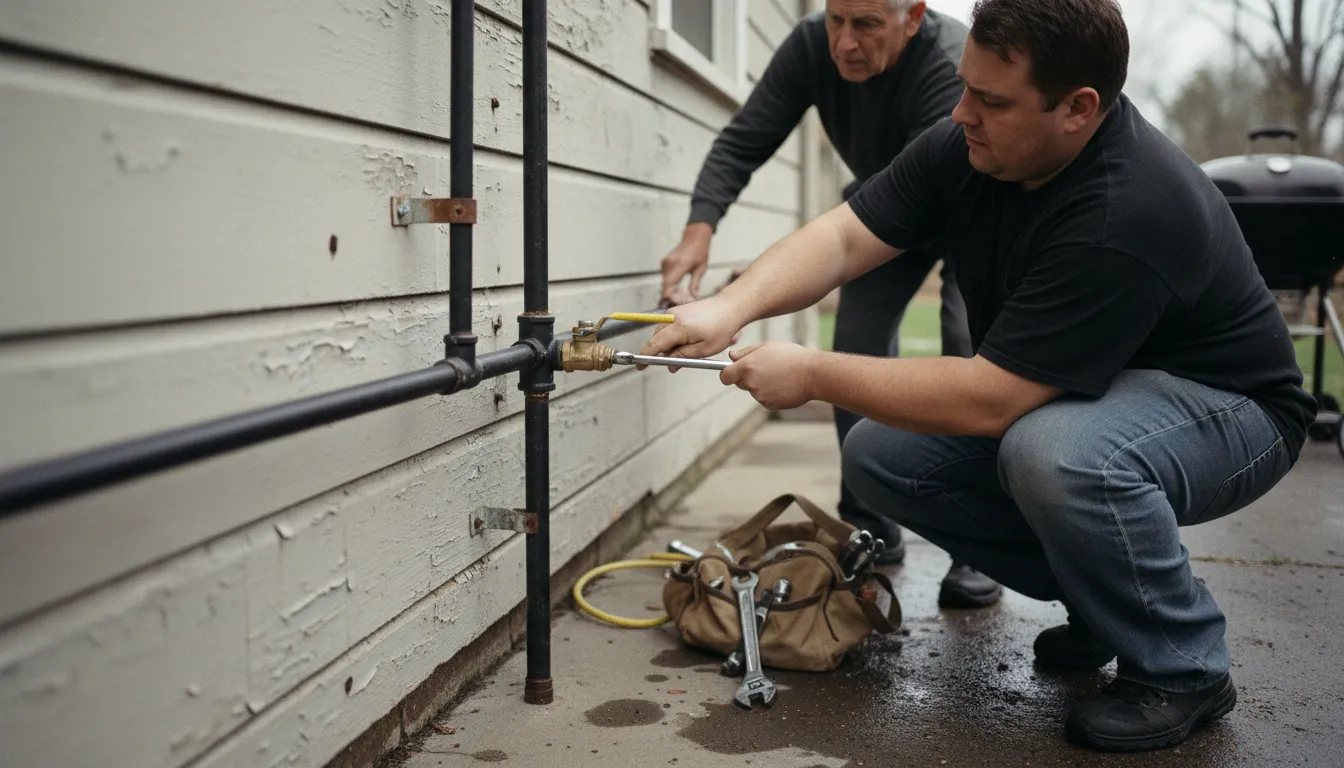
Find the Best Gas Line Plumbing Companies for Your Business
No obligation • Fast responses • Nationwide coverage

Why you can trust Search a Plumber
Search a Plumber is a leading United States resource for finding and evaluating professional plumbing services. Our team researches licensing, experience, and customer feedback to create unbiased, fact-driven overviews. Companies cannot pay to change ratings or placement, ensuring homeowners get trustworthy information.
Search providers near you
Top Gas Line Plumbing Companies in Wayne, New Jersey Ranked
Installing or repairing a gas line is a critical home improvement project that directly impacts the safety and functionality of your property. Whether you're adding a gas fireplace, upgrading an appliance, or addressing a leak, this work requires professional expertise and strict adherence to local codes. This guide will help you understand the process, regulations, and safety considerations for gas line services in Wayne, so you can make informed decisions when seeking qualified local professionals.
Above and Beyond Plumbing and Heating LLC
5 Van Winkle Rd, Pine Brook, NJ 07058
Above and Beyond Plumbing and Heating LLC is a plumbing and heating service provider based in New York, NY. They offer a wide range of services including water heater repair and installation, water softener installation, drain cleaning, sewer line repair, leak detection, repiping, gas line installation, toilet repair, and garbage disposal repair. The company is known for its 24-hour emergency plumbing services, ensuring help is available whenever needed. They also specialize in boiler installation and repair, and install water filtration and softening systems to improve water quality. With over a decade of experience, Above and Beyond Plumbing and Heating LLC serves New York and surrounding areas, providing tailored solutions to meet specific plumbing and heating needs.
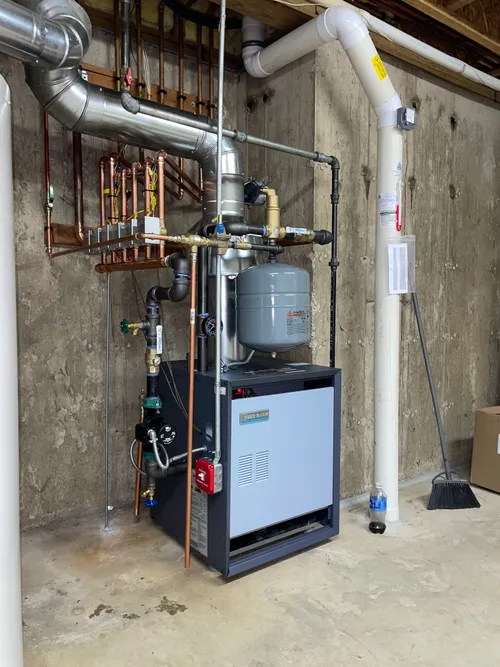
Angler Plumbing, Heating & Drain Cleaning LLC
598 Hickory Ave, Saddle Brook, NJ 07663
Angler Plumbing, Heating & Drain Cleaning LLC is a family- and veteran-owned business serving New York, NY, and Bergen County, NJ. They provide a wide range of plumbing, heating, and drain services including water heater installation and repair, sump pump maintenance, gas line installation, and drain cleaning. Their licensed master plumber offers a one-year warranty on parts, labor, and materials, and the company is known for its safety-first approach and fully stocked trucks. With over 22 years of experience, Angler Plumbing also offers emergency services with weekend and evening appointments available upon request.
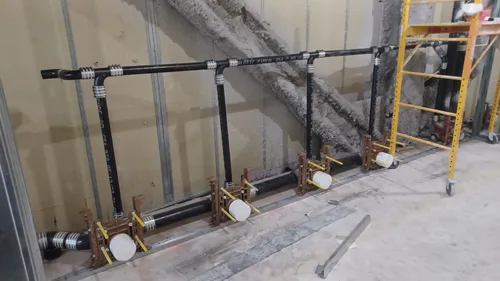
Affordable Plumbing and Leak Repair
New York, NY
Affordable Plumbing and Leak Repair provides a wide range of plumbing services in New York, NY, including water heater repair and installation, drain cleaning, leak detection, repiping, and gas line installation. They serve Staten Island and surrounding areas such as Queens, The Bronx, Brooklyn, and Jersey City. The company offers emergency plumbing services to address urgent issues like burst pipes and clogged drains. Their team is equipped to handle various plumbing needs, including dryer and washer hookups, with a focus on preventing future problems through quality repairs and installations.
Superior Plumbing, Heating, & Mechanical, LLC
New York, NY
Superior Plumbing, Heating, & Mechanical, LLC is a family-owned business serving New York, NY, and surrounding areas including the five boroughs, Long Island, and Westchester County. Since 2003, they have provided commercial plumbing, heating, and mechanical services to building owners, managers, and engineers. Their licensed team offers a range of services such as drain cleaning, leak detection, gas line installation, toilet repair, backflow prevention, and water leak detection. They are certified for gas piping and backflow testing and provide 24/7 emergency and scheduled maintenance services to ensure building systems operate efficiently and comply with local codes.
A&E NYC Plumbing
40 Fulton St, New York, NY 10038
A&E NYC Plumbing offers a wide range of plumbing services in New York, NY, including water heater repair and installation, drain cleaning, sewer line repair, leak detection, and gas line installation. They also handle faucet and toilet repairs, garbage disposal maintenance, and repiping projects. The company is licensed and insured, providing both residential and commercial plumbing solutions with a focus on safety and technical expertise. Their team is experienced in managing complex plumbing systems and offers free onsite estimates for more involved jobs.
Understanding Gas Line Services
Gas line installation and repair involves working with the pipes that deliver natural gas or propane to your appliances, such as your furnace, water heater, stove, or dryer. This is not a DIY project. The risks associated with natural gas-including leaks, fires, and explosions-make it imperative to hire a licensed professional. In Wayne, this means working with a New Jersey-licensed plumber or contractor who is certified to handle gas piping. These experts ensure that every connection is secure, the materials are appropriate, and the entire system meets or exceeds state and local safety standards.
Common reasons for needing gas line work include:
- New Appliance Installation: Adding a gas range, tankless water heater, or outdoor kitchen.
- System Expansion: Running a new line to an addition, garage, or patio.
- Repairs: Fixing leaks, corrosion, or damage to existing piping.
- Replacements: Upgrading old black iron pipes with newer, more flexible materials like Corrugated Stainless Steel Tubing (CSST).
The Permit Process in Wayne Township
Before any work begins, you must secure the proper permits. The Township of Wayne's Building and Code Enforcement Department oversees all permits for plumbing and gas work. A permit is required for adding, altering, or extending any gas line, as well as for work on gas-burning appliances like furnaces and water heaters 1 2.
The permitting process serves as a crucial safety check. It ensures your project plan is reviewed for code compliance and that the work will be inspected at key stages by a township official. The general steps are:
- Plan Submission: Your licensed contractor will typically handle this, submitting detailed plans of the proposed gas line work.
- Permit Application & Fee: An application is filed with the required fee, which varies based on the project's scope.
- Scheduled Inspections: Inspections are mandatory at critical phases-most commonly after the piping is installed but before it is covered by walls or backfilled in a trench. A final inspection provides the official sign-off.
- Final Approval: Once the work passes all inspections, you receive final approval, confirming the system is safe for use.
Skipping the permit process can lead to unsafe conditions, fines, and complications when selling your home. Always verify that your professional will pull the necessary Wayne Township permits.
Step-by-Step: Professional Gas Line Installation
A professional gas line installation follows a meticulous sequence to ensure safety and longevity. Here's what you can expect when a qualified technician works on your property:
1. Call 811 for Utility Marking This is the non-negotiable first step. At least three business days before any digging, you or your contractor must call 811. This free service alerts all local utility companies, who will send locators to mark the approximate location of underground public lines with colored flags and paint. Gas lines are marked in yellow 3 4. This prevents accidental strikes that could cause injury, service outages, or costly repairs.
2. Design and Route Planning The technician will plan the route from the gas meter or source to the new appliance. Factors include trench depth (often 18-24 inches for residential lines to protect from frost and surface activity), avoiding obstacles, and choosing the right pipe material (traditional black iron or flexible CSST).
3. Excavation (Trenching) For outdoor or underground lines, a trench is dug along the planned route. Professionals will hand-dig within two feet of any marked utility lines to avoid damage.
4. Pipe Installation The gas pipe is laid in the trench or run through interior spaces. All connections are made using proper fittings, pipe dope, or thread sealant designed for gas. Pipes must be properly supported and protected.
5. Pressure Testing Before the line is connected to the appliance or backfilled, the installer conducts a pressure test. This involves sealing the system and pressurizing it with air to check for any drops that indicate a leak. This is a critical quality assurance step5 6.
6. Township Inspection At this point, with the piping installed and tested but not covered, the contractor will call for the required Wayne Township inspection.
7. Backfill and Final Connection Once the inspection passes, the trench can be backfilled. The final step is connecting the new line to the appliance, checking for leaks at the connection with a gas leak detector solution, and ensuring the appliance operates correctly.
Find the perfect gas line plumbing companies for your needs
Get personalized recommendations and expert advice
Critical Safety Practices for Gas Lines
Safety is paramount when dealing with natural gas. Homeowners should be aware of both preventive measures and emergency signs.
Recognize the Signs of a Leak:
- The "Rotten Egg" Smell: Natural gas is odorless, but a distinctive sulfur-like odor (mercaptan) is added so leaks can be detected. If you smell this inside, evacuate immediately.
- Hissing Sounds: A hissing or whistling noise near a gas line or appliance can indicate a significant leak.
- Dead Vegetation: Unexplained dead or discolored plants in an otherwise green yard can signal an underground leak.
- Bubbles in Water: If you suspect a leak near a pipe, applying soapy water to a connection may reveal bubbles forming.
What to Do in a Suspected Emergency:
- Evacuate everyone from the house immediately. Do not use electrical switches, phones, or anything that could create a spark.
- Call 911 from a safe distance away from the home.
- Call your gas company. For Wayne residents, this is likely New Jersey Natural Gas (NJNG).
Preventive Safety:
- Always Use Licensed Pros: Never attempt gas work yourself. Verify your contractor's NJ state license.
- Respect Utility Markings: Never remove or ignore the flags and paint from 811. They are your guide to safe digging.
- Install Carbon Monoxide Detectors: Any home with gas appliances must have working CO detectors on every level.
Factors Influencing Gas Line Project Costs
The cost for gas line installation or repair in Wayne can vary widely based on several factors. While only a detailed quote from a licensed professional can provide an accurate price, understanding these elements helps set expectations7 8 9.
- Labor: This is a significant portion of the cost, covering the expertise, time, and insurance of the licensed plumber or gas fitter.
- Permit Fees: These are set by Wayne Township and are required for the legal completion of the project.
- Materials: The type and amount of pipe needed (black iron vs. CSST), along with fittings, valves, and the gas meter itself if an upgrade is required.
- Excavation: If a long trench needs to be dug, costs for digging equipment, labor, and restoration of the landscape will apply.
- Project Scope & Complexity: A simple repair of a small leak is far less expensive than running a new 50-foot line from the meter to a new backyard grill station. The number of appliances connected, obstacles (like driveways or decks), and accessibility all affect the final price.
Frequently asked questions
Sources
Footnotes
-
New Jersey Plumbing Permit Guide - https://www.permitflow.com/blog/plumbing-permit-nj ↩
-
FAQs • Do I need a permit to replace my water heater? - West Orange, NJ - https://www.westorange.org/FAQ.aspx?QID=158 ↩
-
NJNG Construction on Your Street - https://www.njng.com/my-home/construction-street.aspx ↩
-
Call Before You Dig - New Jersey Natural Gas - https://www.njng.com/safety/dig.aspx ↩
-
How to Install Natural Gas Lines Safely and Correctly - https://bluegasexpress.com/how-to-install-natural-gas-lines/ ↩
-
Natural Gas Line Installation: A Step-by-Step Guide - https://www.superbrothers.com/natural-gas-line-installation-a-step-by-step-guide/ ↩
-
A Complete Guide to Gas Line Installation: Tips and Safety Precautions - https://gaeberly.com/gas-line-installation/ ↩
-
Gas Line Installation Cost: 2023 Guide - Super Brothers - https://www.superbrothers.com/gas-line-installation-cost-2023-guide/ ↩
-
Gas Line Installation and Repairs - https://www.peaceofmindplumbingnj.com/guide-for-gas-line-installation-repairs-leak-detection ↩