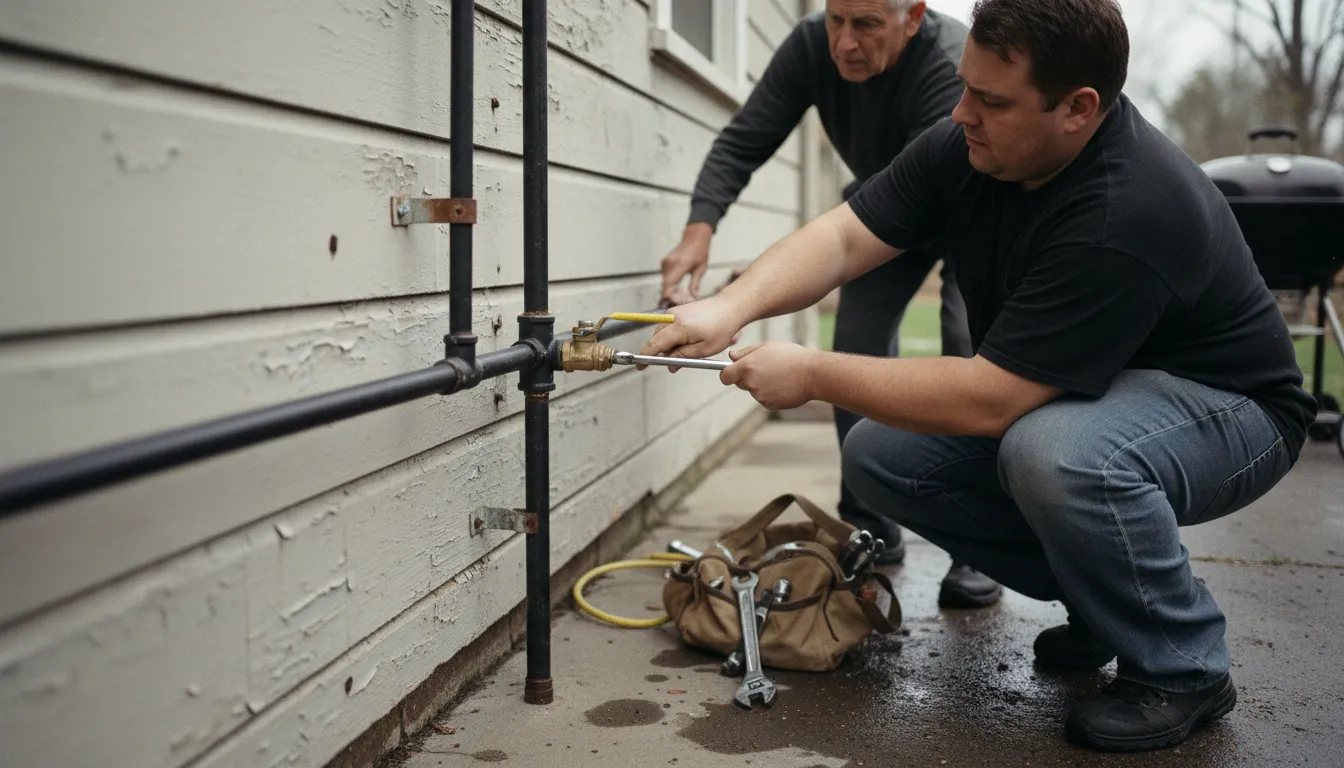
Find the Best Gas Line Plumbing Companies for Your Business
No obligation • Fast responses • Nationwide coverage

Why you can trust Search a Plumber
Search a Plumber is a leading United States resource for finding and evaluating professional plumbing services. Our team researches licensing, experience, and customer feedback to create unbiased, fact-driven overviews. Companies cannot pay to change ratings or placement, ensuring homeowners get trustworthy information.
Search providers near you
Top Gas Line Plumbing Companies in Toms River, New Jersey Ranked
Gas line work is a critical component of home safety and functionality, involving the installation, repair, and maintenance of pipes that deliver natural gas to appliances like furnaces, water heaters, stoves, and dryers. In Toms River, this work is governed by strict state and local codes to ensure safety, especially in coastal environments. This guide helps you understand the process, requirements, and how to find qualified local professionals for your gas piping needs.
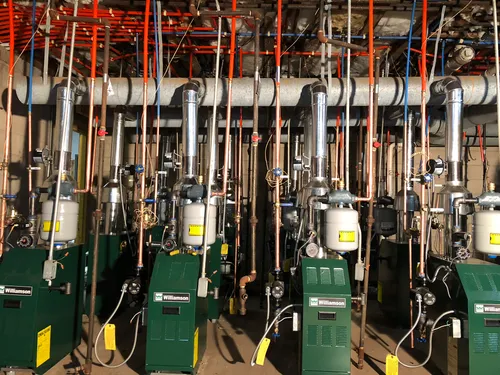
Understanding Gas Line Services
Gas line services encompass a range of tasks, from running new lines for a kitchen renovation or pool heater to repairing leaks in existing systems. Given the inherent dangers of natural gas, including the risk of fire, explosion, and carbon monoxide poisoning, this is not a DIY project. Proper gas piping requires precise planning, quality materials, and adherence to a multi-step process involving permits, inspections, and coordination with the local utility company, PSE&G.
For Toms River homeowners, common projects include:
- New Installations: Connecting a new appliance, such as a gas stove, fireplace, or outdoor kitchen.
- Line Extensions: Adding a branch line to serve an addition like a new bathroom or laundry room.
- Repairs: Fixing leaks, corrosion, or damage to existing pipes.
- Replacements: Upgrading old, undersized, or non-compliant piping systems.
- Capping: Safely sealing off an unused gas line.
The Toms River Gas Line Process: Permits, Inspections, and PSE&G
A successful gas line project in Toms River follows a defined sequence. Skipping steps or failing to obtain proper approvals can result in failed inspections, utility refusal to set a meter, and serious safety hazards.
1. Planning and Permitting
The process begins with a licensed professional assessing your needs. They will plan the route, calculate the correct pipe size based on the total load of your appliances, and determine the best materials. Before any work starts, a permit must be obtained from the Toms River Township Construction Department 1. This is mandatory for new lines, major repairs, or connecting new appliances like a furnace or water heater 2. Your contractor typically handles this.
2. Installation and Trenching
For underground gas lines, this phase involves trenching-digging a trench to the required depth (often 18-24 inches) with proper bedding material. The plumber will then install the approved piping. In Toms River's coastal climate, using corrosion-resistant materials is especially important 3.
3. Pressure Testing and Inspection
Once the pipe is installed but before it's connected to the meter or appliances, it must undergo a pressure test. The line is capped and pressurized with air to check for leaks. A local municipal inspector must witness this test. Upon passing, the inspector will affix a yellow "piping pressure test" sticker to the meter location, a crucial step for PSE&G 4.
4. Utility Coordination and Final Connection
The utility company, PSE&G, plays a key role. They will not set a gas meter until they have verification that the local inspection has passed 5. Once the meter is set, your licensed plumber can make the final connections to your appliances, ensuring everything is properly sealed and operational.
Find the perfect gas line plumbing companies for your needs
Get personalized recommendations and expert advice
Key Considerations for Toms River Homeowners
The Non-Negotiable Need for a Licensed Professional
Hiring a licensed, insured plumber with specific experience in gas line work is the most important decision you'll make. They understand the nuances of the New Jersey Uniform Construction Code (UCC), local Toms River amendments, and PSE&G requirements. Their expertise ensures the system is safe, efficient, and will pass inspection, protecting your home and family from gas leaks and ensuring appliances function correctly.
Leak Detection and Emergency Response
Natural gas is odorless, but a sulfur-like "rotten egg" smell (mercaptan) is added as a warning. If you smell gas:
- Do not operate light switches, phones, or any electrical device.
- Do not use open flames.
- Evacuate the area immediately.
- Call 911 and PSE&G from a safe distance. Professionals use specialized electronic gas leak detectors to pinpoint leaks that are not obvious, a critical service for ongoing safety 6 7.
Material Selection and Coastal Durability
The right piping material is vital for longevity. Common types include:
- Black Iron Pipe: Traditional, durable, and widely accepted for both indoor and outdoor use. It often requires protective coating in coastal areas to resist salty air corrosion.
- CSST (Corrugated Stainless Steel Tubing): Flexible, yellow-coated tubing that can be easier to install in tight spaces. It must be properly bonded and grounded according to code. Your contractor will select the appropriate, code-approved material for your specific application and environment.
Understanding Gas Line Service Costs
Costs for gas line projects in Toms River vary widely based on scope, materials, and labor. The figures below are general estimates; always get a detailed, written quote from your contractor.
- Capping an Unused Gas Line: A relatively simple job, typically costing between $75 and $150.
- Pressure Testing: Essential for inspection, with a range of $75 to $500 depending on the system's complexity.
- Repairing Damaged Pipe: Material costs can average $6 to $7 or more per linear foot, plus labor for excavation and installation.
- Complete Leak Repair or New Installation: This is where costs can escalate, ranging from $120 for a minor fix to $5,000 or more for extensive new runs, deep trenching, or complex repairs 8 9.
The final price is influenced by the length of the run, trenching difficulty (e.g., rocky soil, paved surfaces), required permits, and the specific appliances being connected.
Finding a Qualified Gas Line Specialist in Toms River
When searching for a professional, look for a licensed New Jersey master plumber with proven experience in gas piping. They should be familiar with Toms River Township's permit office and inspection protocols. A reputable contractor will provide a clear plan, pull all necessary permits, coordinate with PSE&G, and guarantee their work for both safety and code compliance. Asking for references and proof of insurance is always a prudent step.
Frequently asked questions
Sources
Footnotes
-
Building Permit & Construction Inspection Process | Toms ... - https://tomsrivertownship.com/260/Building-Permit-Construction-Inspection- ↩
-
FAQs • Do I need a permit to replace my water heater? - West Orange, NJ - https://www.westorange.org/FAQ.aspx?QID=158 ↩
-
Gas Line Installation - Rapid Repair Services - https://www.rapidrepairservicesapp.com/gas-line-installation ↩
-
Gas line inspection - The Mission Plumbing - https://www.missionplumbingnj.com/copy-of-water-line-repair ↩
-
Construction & Renovation Local Inspections - PSE&G - https://nj.pseg.com/businessandcontractorservices/constructionandrenovationservices/mandatorylocalinspections ↩
-
Professional Gas Line Repair in New Jersey - https://www.brownshc.com/services/plumbing/gas-line-repair-and-installation/ ↩
-
Gas Line Installation | MyGuy Plumbing LLC - https://www.myguyplumbingnj.com/services/gas-lines/ ↩
-
Gas Piping Toms River, NJ - Pantheon Plumbing & Heating - https://pantheonplumbingandheating.com/gas-piping-toms-river-nj/ ↩
-
Gas Line Repair and Replacement Costs [2026 Data] | Angi - https://www.angi.com/articles/average-gas-line-repair-and-installation-costs.htm ↩