Find the Best Gas Line Plumbing Companies for Your Business
No obligation • Fast responses • Nationwide coverage

Why you can trust Search a Plumber
Search a Plumber is a leading United States resource for finding and evaluating professional plumbing services. Our team researches licensing, experience, and customer feedback to create unbiased, fact-driven overviews. Companies cannot pay to change ratings or placement, ensuring homeowners get trustworthy information.
Search providers near you
Top Gas Line Plumbing Companies in Piscataway, New Jersey Ranked
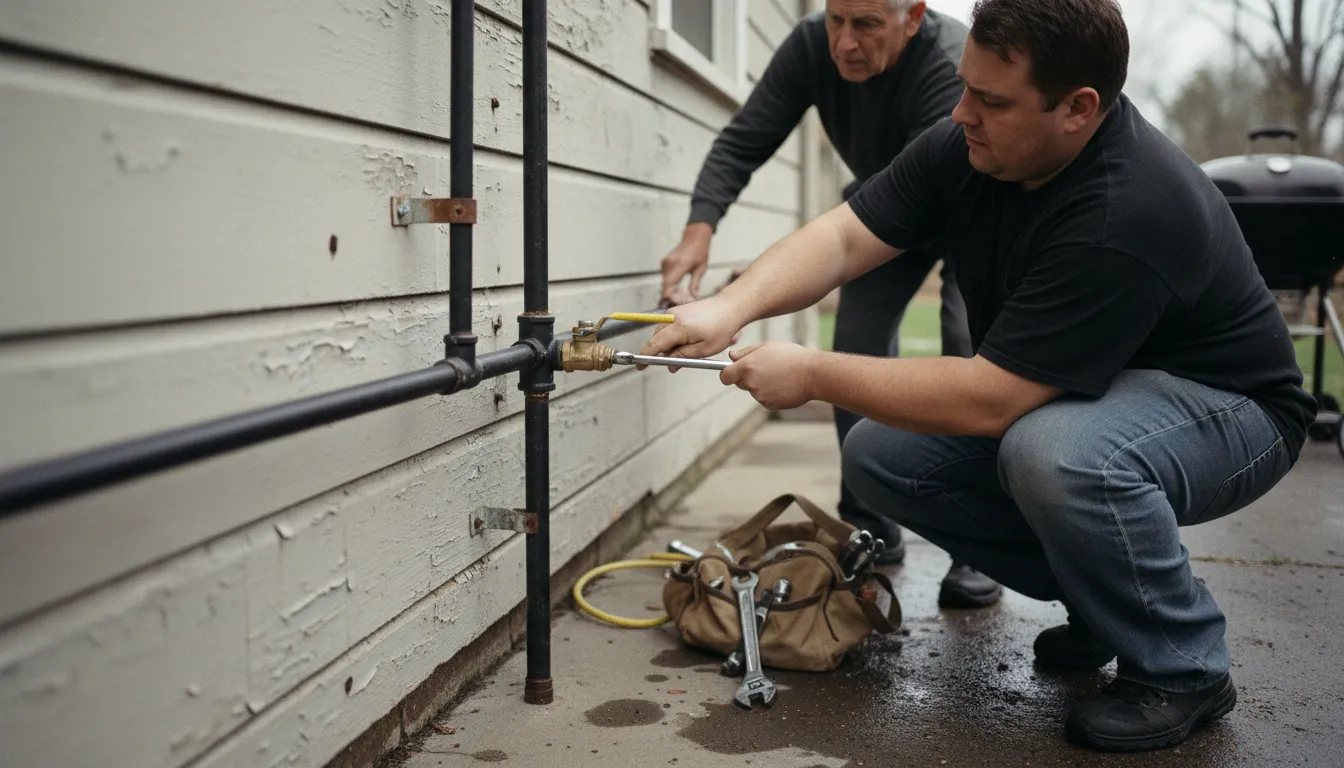
Installing or repairing a gas line is a critical home project that directly impacts the safety and functionality of your property. This work involves running new piping for appliances like stoves, dryers, or furnaces, or repairing existing lines to address leaks or upgrades. In Piscataway, this is not a DIY task; it requires licensed professionals who understand local codes, secure the necessary permits, and perform rigorous safety testing. This guide will help you understand the process, regulations, and what to look for when finding qualified specialists for your gas piping needs.
Above and Beyond Plumbing and Heating LLC
5 Van Winkle Rd, Pine Brook, NJ 07058
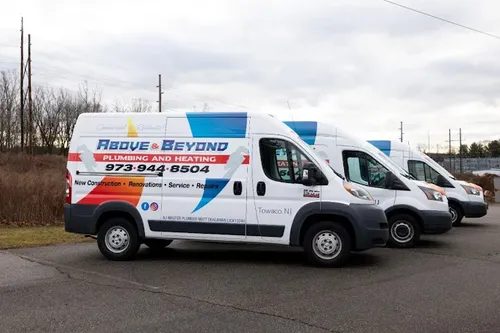
Above and Beyond Plumbing and Heating LLC is a plumbing and heating service provider based in New York, NY. They offer a wide range of services including water heater repair and installation, water softener installation, drain cleaning, sewer line repair, leak detection, repiping, gas line installation, toilet repair, and garbage disposal repair. The company is known for its 24-hour emergency plumbing services, ensuring help is available whenever needed. They also specialize in boiler installation and repair, and install water filtration and softening systems to improve water quality. With over a decade of experience, Above and Beyond Plumbing and Heating LLC serves New York and surrounding areas, providing tailored solutions to meet specific plumbing and heating needs.
Affordable Plumbing and Leak Repair
New York, NY
Affordable Plumbing and Leak Repair provides a wide range of plumbing services in New York, NY, including water heater repair and installation, drain cleaning, leak detection, repiping, and gas line installation. They serve Staten Island and surrounding areas such as Queens, The Bronx, Brooklyn, and Jersey City. The company offers emergency plumbing services to address urgent issues like burst pipes and clogged drains. Their team is equipped to handle various plumbing needs, including dryer and washer hookups, with a focus on preventing future problems through quality repairs and installations.
A&E NYC Plumbing
40 Fulton St, New York, NY 10038
A&E NYC Plumbing offers a wide range of plumbing services in New York, NY, including water heater repair and installation, drain cleaning, sewer line repair, leak detection, and gas line installation. They also handle faucet and toilet repairs, garbage disposal maintenance, and repiping projects. The company is licensed and insured, providing both residential and commercial plumbing solutions with a focus on safety and technical expertise. Their team is experienced in managing complex plumbing systems and offers free onsite estimates for more involved jobs.
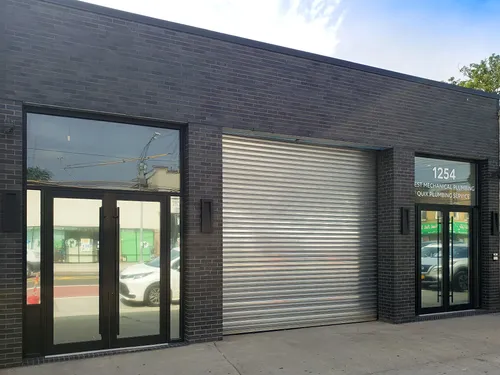
Quix Plumbing Service
1254 Utica Ave, Brooklyn, NY 11203
Quix Plumbing Service provides plumbing and gas line installation services in New York, NY, including Brooklyn, Queens, Bronx, and Manhattan. They handle a range of plumbing needs from emergency repairs to full system installations using advanced, non-invasive techniques. The company focuses on delivering precise and careful service tailored to both residential and commercial clients.
Force Plumbing and Heating LLC
158 NJ-36, Hazlet, NJ 07730
Force Plumbing and Heating LLC is a family-owned plumbing and heating contractor serving New York, NY, and surrounding areas. They offer a wide range of services including water heater repair and installation, drain cleaning, and gas line installation. The company is certified as Navien Service Specialists and partners with Moen to provide advanced Smart Water technology installations. They are fully licensed and qualified to handle gas line repair, replacement, and installation, ensuring safety and compliance with local regulations. Force Plumbing and Heating LLC also provides emergency after-hours repair services for urgent plumbing and heating issues.
Understanding Gas Line Work in Piscataway
Gas line installation and repair, often referred to as gas piping or fuel gas work, is governed by strict state and local safety codes. In New Jersey, all work on natural gas or propane systems must be performed by a licensed professional plumber. This ensures that every connection, valve, and foot of pipe is installed correctly to prevent dangerous leaks. For Piscataway homeowners, this means any project-from hooking up a new gas grill to extending a line for a kitchen renovation-must be planned with compliance and safety as the top priorities.
The process is more involved than standard plumbing. It integrates trenching, precise pipe fitting, pressure testing, and coordination with the local building department. The goal is to create a safe, reliable, and code-compliant system that will serve your home for years.
The Critical Role of Permits and Inspections
One of the most important aspects of gas line projects in Piscataway is navigating the permit and inspection process. This is a non-negotiable step for your safety and legal compliance.
When is a Permit Required?
A permit is almost always required for adding, altering, or extending gas piping, or when connecting a new appliance like a furnace, stove, or water heater. Even repairing a significant section of existing line typically needs official approval. The permit process ensures your project plans are reviewed and the final work is inspected against the New Jersey Uniform Construction Code (UCC) and the International Fuel Gas Code (IFGC) 1.
The Permit Process in Piscataway
The authority for this process is the Piscataway Township Construction Department, specifically the Building Sub-Code Division2. Here's how it generally works:
- Application: Your licensed plumbing contractor will typically handle the permit application on your behalf, submitting the required plans and details of the proposed work.
- Review & Issuance: The township reviews the application for code compliance before issuing the permit.
- Inspections: The contractor must schedule mandatory inspections at key stages. A common sequence includes a rough-in inspection after the piping is installed but before walls are closed or trenches are backfilled, and a final inspection after all connections are made and the system has passed a pressure test 3.
- Approval: Once the final inspection passes, the work is officially approved and documented.
Never hire a contractor who suggests skipping permits. It's a red flag that can lead to unsafe work, fines, and problems when you sell your home.
Step-by-Step: The Gas Line Installation Process
A professional gas line installation follows a meticulous sequence. Understanding these steps can help you communicate effectively with your chosen specialist.
1. Planning and Utility Location
Every project begins with a site assessment. The contractor will determine the optimal route from the gas meter to the new appliance. The single most important safety step before any digging occurs is calling 811, New Jersey's free utility location service. This ensures underground electric, water, and communication lines are marked to prevent dangerous and costly strikes.
2. Trenching or Drilling
For outdoor runs, a trench must be dug to bury the new gas line at the proper depth. Trenching costs can range from $5 to $12 per linear foot, depending on soil conditions and obstacles. In some cases, to avoid disrupting driveways, sidewalks, or landscaping, contractors may use Horizontal Directional Drilling (HDD), a trenchless method that bores a path underground. This technique is more complex but minimizes surface restoration.
3. Piping and Connection
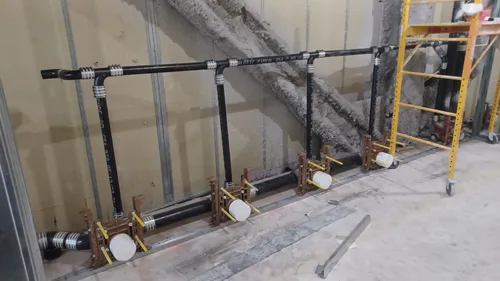
Approved piping materials like black iron steel or flexible Corrugated Stainless Steel Tubing (CSST) are installed in the trench or through the drilled path. The contractor will make secure connections at the meter and the appliance, installing essential shut-off valves at key points for safety and future maintenance.
4. Pressure Testing and Inspection
Before the trench is backfilled, the entire new section of pipe is pressurized with air or an inert gas and monitored for any drop in pressure, which would indicate a leak. This test is often witnessed by the township inspector during the rough-in inspection.
5. Backfill, Restoration, and Final Check
Once the pipe passes its pressure test, the trench is carefully backfilled. The surface-whether sod, concrete, or pavement-is restored as agreed. After the appliance is connected, a final check ensures everything is operating safely before the final inspection is called in4.
Find the perfect gas line plumbing companies for your needs
Get personalized recommendations and expert advice
Safety, Licensing, and Code Compliance
Safety is the paramount concern with any fuel gas project. New Jersey law mandates that only licensed plumbers are authorized to work on gas lines. This licensing proves they have the training to handle the unique hazards of natural gas, including proper pipe sizing, ventilation requirements, and leak detection.
Work must adhere to the NJ Uniform Construction Code (UCC) and the International Fuel Gas Code (IFGC), which dictate everything from the type of pipe used to the required distance from electrical panels. A reputable professional will be fluent in these codes and build compliance into every phase of the job, using proper safety gear and techniques.
Cost Considerations for Gas Line Projects
Costs for gas line installation and repair in Piscataway vary widely based on the project's complexity, length of the run, and materials required. Here's a breakdown of typical cost factors:
- Labor: Licensed plumbers may charge between $45 and $200+ per hour, though many projects are quoted as a flat fee.
- Trenching/Drilling: As noted, expect $5 to $12 per linear foot for standard trenching. Trenchless HDD methods will incur additional costs.
- Materials: The cost of black iron pipe, CSST tubing, fittings, valves, and appliance connectors adds to the total.
- Permit Fees: These are paid to Piscataway Township and are usually factored into the contractor's quote.
As a general estimate, a simple, short run to connect a gas stove or dryer might range from $500 to $1,000+. More complex projects, like running a new line to a distant fireplace or garage, or installing a line for a whole-home generator, can cost significantly more5 6. The most reliable way to understand your project's cost is to obtain detailed estimates from licensed local professionals.
Choosing the Right Professional in Piscataway
Your choice of contractor is your primary safety mechanism. Look for a plumber who:
- Holds a valid New Jersey Master Plumber license.
- Has specific, verifiable experience with gas piping and fuel gas systems.
- Is familiar with Piscataway Township's permit process and handles it for you.
- Provides clear, written estimates that detail labor, materials, permit fees, and restoration.
- Can provide references from past gas line projects.
- Carries ample liability and workers' compensation insurance.
Always ask for proof of licensing and insurance before work begins. A trustworthy professional will be transparent and happy to provide this information.
Frequently asked questions
Sources
Footnotes
-
Building Permits and Inspections - New Jersey Business - NJ.gov - https://business.nj.gov/pages/building-permits-and-inspections ↩
-
Frequently Asked Questions - Piscataway Township - https://www.piscatawaynj.org/departments/community_development/contruction_and_building_sub-code_division/frequently_asked_questions.php ↩
-
New Jersey Plumbing Permit Guide - https://www.permitflow.com/blog/plumbing-permit-nj ↩
-
Gas Line Installation & Repair | Safe, Licensed Service - https://msiplumbingandremodeling.com/gas-lines/ ↩
-
Gas Line Services - Service Professionals - New Jersey - https://service-professionals.com/plumbing-services/gas-lines/ ↩
-
How Much Does It Cost to Install a Gas Line? [2025 Data] - https://www.homeadvisor.com/cost/plumbing/install-or-repair-gas-pipes/ ↩