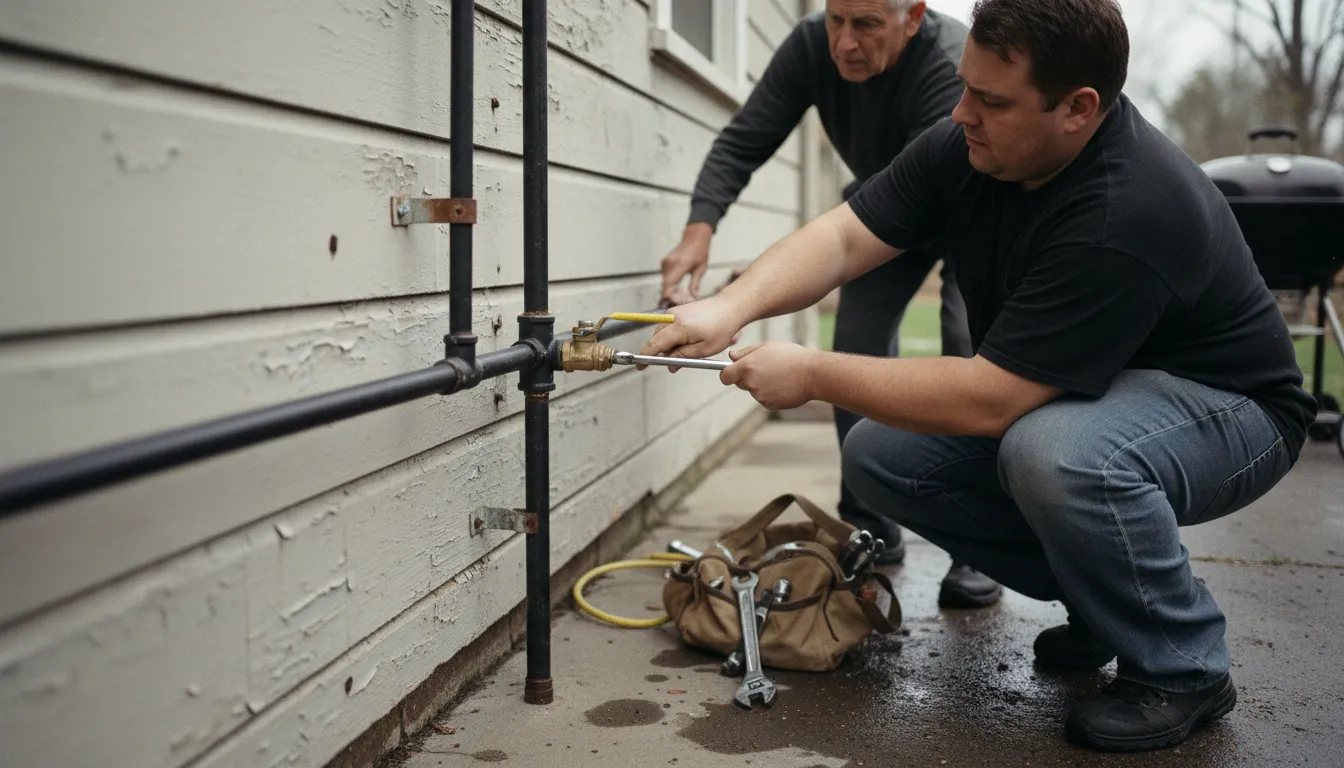
Find the Best Gas Line Plumbing Companies for Your Business
No obligation • Fast responses • Nationwide coverage

Why you can trust Search a Plumber
Search a Plumber is a leading United States resource for finding and evaluating professional plumbing services. Our team researches licensing, experience, and customer feedback to create unbiased, fact-driven overviews. Companies cannot pay to change ratings or placement, ensuring homeowners get trustworthy information.
Search providers near you
Top Gas Line Plumbing Companies in Parsippany-Troy Hills, New Jersey Ranked
Installing or repairing a gas line is a critical project that directly impacts the safety and functionality of your Parsippany home. Proper gas piping is essential for powering appliances like furnaces, water heaters, stoves, and dryers efficiently and safely. This guide explains the local requirements, processes, and safety considerations to help you navigate your project and connect with qualified, licensed professionals in the area.
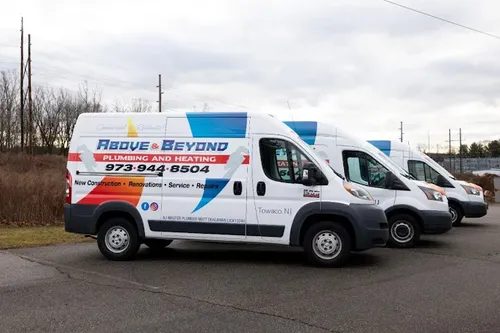
Above and Beyond Plumbing and Heating LLC
5 Van Winkle Rd, Pine Brook, NJ 07058
Above and Beyond Plumbing and Heating LLC is a plumbing and heating service provider based in New York, NY. They offer a wide range of services including water heater repair and installation, water softener installation, drain cleaning, sewer line repair, leak detection, repiping, gas line installation, toilet repair, and garbage disposal repair. The company is known for its 24-hour emergency plumbing services, ensuring help is available whenever needed. They also specialize in boiler installation and repair, and install water filtration and softening systems to improve water quality. With over a decade of experience, Above and Beyond Plumbing and Heating LLC serves New York and surrounding areas, providing tailored solutions to meet specific plumbing and heating needs.
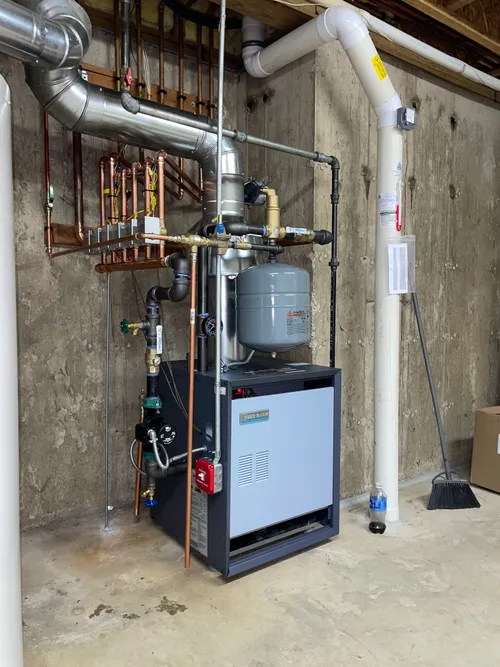
Angler Plumbing, Heating & Drain Cleaning LLC
598 Hickory Ave, Saddle Brook, NJ 07663
Angler Plumbing, Heating & Drain Cleaning LLC is a family- and veteran-owned business serving New York, NY, and Bergen County, NJ. They provide a wide range of plumbing, heating, and drain services including water heater installation and repair, sump pump maintenance, gas line installation, and drain cleaning. Their licensed master plumber offers a one-year warranty on parts, labor, and materials, and the company is known for its safety-first approach and fully stocked trucks. With over 22 years of experience, Angler Plumbing also offers emergency services with weekend and evening appointments available upon request.
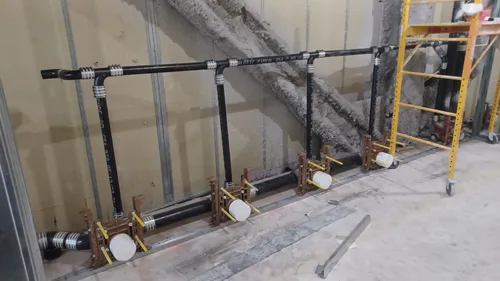
Affordable Plumbing and Leak Repair
New York, NY
Affordable Plumbing and Leak Repair provides a wide range of plumbing services in New York, NY, including water heater repair and installation, drain cleaning, leak detection, repiping, and gas line installation. They serve Staten Island and surrounding areas such as Queens, The Bronx, Brooklyn, and Jersey City. The company offers emergency plumbing services to address urgent issues like burst pipes and clogged drains. Their team is equipped to handle various plumbing needs, including dryer and washer hookups, with a focus on preventing future problems through quality repairs and installations.
A&E NYC Plumbing
40 Fulton St, New York, NY 10038
A&E NYC Plumbing offers a wide range of plumbing services in New York, NY, including water heater repair and installation, drain cleaning, sewer line repair, leak detection, and gas line installation. They also handle faucet and toilet repairs, garbage disposal maintenance, and repiping projects. The company is licensed and insured, providing both residential and commercial plumbing solutions with a focus on safety and technical expertise. Their team is experienced in managing complex plumbing systems and offers free onsite estimates for more involved jobs.
Poseidon Plumbing
795 Susquehanna Ave, Franklin Lakes, NJ 07417
Poseidon Plumbing is a full-service plumbing company based in New Jersey with branches in Franklin Lakes and Mountain Lakes. They offer a wide range of plumbing services including water heater repair and installation, water softener installation, drain cleaning, hydro jetting, repiping, gas line installation, and toilet repair. Serving Northern New Jersey, including Essex, Morris, and Bergen counties, they provide solutions for both residential repairs and new construction projects. Their capabilities include advanced hydro jetting for effective drain cleaning. Poseidon Plumbing is available 24/7 for emergency plumbing services.
Understanding Gas Line Work in Parsippany
Gas line installation and repair involves running pipes from the main utility supply to the various appliances in your home. In Parsippany-Troy Hills, this work is strictly regulated by the New Jersey Uniform Construction Code (UCC) and enforced by the local Building & Construction Department. Whether you're adding a gas stove, replacing an old line, or installing a new furnace connection, the process requires meticulous planning, approved materials, and multiple safety checks. The primary goal is to ensure a leak-free, code-compliant system that protects your household from the dangers of natural gas or propane leaks.
The Critical Role of Permits and Inspections
One of the most important aspects of any gas piping project in Parsippany is securing the proper permits and passing mandatory inspections. This is not merely bureaucratic red tape; it's a vital layer of safety oversight.
Why Permits are Non-Negotiable The Township of Parsippany-Troy Hills requires a construction permit for virtually any work involving gas lines, including new installations, repairs, replacements, and appliance hookups. The permit process ensures that your project plans are reviewed for compliance with state and local building codes before any work begins. A licensed New Jersey plumber typically handles the permit application, which involves submitting detailed plans and specifications on standard state forms like the F-100 (Construction Permit) and the F-130 (Plumbing Subcode Section). Homeowners may apply for permits on their own residence if they are qualified, but due to the complexity and risk, using a licensed professional is strongly advised.
The Inspection Process for Safety Once a permit is issued and the work is completed, it must be inspected. The key inspection for gas piping is the pressure test, where the entire sealed system is tested with air or water (hydrostatic test) to verify there are no leaks. This inspection is mandatory before walls are closed up or trenches are backfilled. Only after the system passes this test will it be approved for use. Skipping permits and inspections is illegal and extremely dangerous, risking gas leaks, fire, explosion, and voiding your homeowner's insurance.
Step-by-Step: The Gas Line Installation Process
A professional gas line project follows a structured sequence to ensure safety and longevity.
- Planning and Design: A licensed plumber will assess your needs, determine the correct pipe sizing based on appliance demand (BTU load), and create a routing plan. This plan must detail the type of pipe, all fittings, and the exact path from the meter to each appliance.
- Material Selection: Only approved materials can be used. Common choices include traditional black iron pipe or more flexible Corrugated Stainless Steel Tubing (CSST). The plumber will select the appropriate material for the application, whether it's running through walls, underground, or in a basement.
- Installation: For outdoor lines, this may involve trenching to the proper depth (as per local code). The pipe is carefully routed, secured with proper hangers, and connected using precisely threaded or flared fittings. Each connection point is a potential leak source, so craftsmanship is paramount.
- Appliance Connection: The new or existing gas line is finally connected to the appliance valve using an approved flexible connector, ensuring the proper seal and clearance.
- Testing and Verification: As mentioned, the entire system undergoes a rigorous pressure test administered by the installer and later verified by the township inspector.
Find the perfect gas line plumbing companies for your needs
Get personalized recommendations and expert advice
Safety Must Be the Top Priority
Working with natural gas is inherently hazardous. The emphasis on licensing, permits, and inspections all stem from the critical need for safety.
- Always Hire a Licensed Professional: In New Jersey, only a state-licensed plumber can legally perform most gas line work. They have the training to handle combustible gas safely and the knowledge of the complex state and local codes 1. Always verify a contractor's license and insurance.
- Leak Detection and Prevention: A properly installed system should never leak. However, installing carbon monoxide (CO) detectors on every level of your home, especially near sleeping areas, is a crucial backup safety measure. If you ever smell gas (a rotten egg odor), hear a hissing sound, or your CO detector alarms, leave the house immediately and call 911 and your gas utility from outside 2.
- Quality of Materials: Never cut corners on pipe or fittings. Using unapproved or substandard materials can lead to premature corrosion, cracks, and catastrophic failures 3.
Understanding Costs and Fees
The total cost of a gas line project in Parsippany varies widely based on the scope-such as the length of the run, number of appliances, difficulty of the route (e.g., tunneling under a driveway), and the type of pipe used. Labor and material costs are the primary drivers.
It's helpful to understand the separate component of township permit fees, which are required and non-negotiable. According to the Parsippany fee schedule, typical permit costs for gas work include 4:
- Gas Piping System (New): Approximately $65.
- Gas Appliance Hookups: Fees are often per appliance, such as around $30 for a dryer or stove, and around $75 for a furnace, boiler, or water heater 5 6.
These are fees paid to the township for plan review and inspections. They are separate from, and in addition to, the contractor's charges for labor, materials, and their time to pull the permit. A reputable plumber will provide a detailed estimate that breaks down all expected costs.
Choosing the Right Professional for Your Project
Your choice of contractor is the most important decision you'll make. Look for a plumber who specializes in gas services and demonstrates a clear understanding of Parsippany's specific protocols.
Key questions to ask:
- "Can you provide your New Jersey state plumbing license number?"
- "Will you handle pulling all required permits from the Parsippany Building Department?"
- "How do you schedule and coordinate the required inspections?"
- "Can you provide references from recent gas line projects in the area?"
A trustworthy professional will welcome these questions and have straightforward answers. They will insist on permits and view inspections as a standard part of a job well done, not an inconvenience.
Common Gas Line Projects in Local Homes
Parsippany residents often undertake these specific gas piping projects:
- Kitchen Remodels: Adding a gas line for a new range or cooktop is a popular upgrade for cooking enthusiasts.
- Laundry Room Updates: Switching from an electric to a gas dryer requires a new gas line and vent.
- Heating System Upgrades: Installing a new high-efficiency gas furnace or boiler involves significant gas piping work.
- Outdoor Living: Running a gas line for an outdoor grill, fire pit, or patio heater.
- Emergency Repairs: Addressing leaks, corroded pipes, or damage from excavation.
Each of these projects follows the same fundamental safety and permitting principles outlined here.
Frequently asked questions
Sources
Footnotes
-
Building & Construction - Parsippany, NJ - https://www.parsippany.net/Departments/building--construction ↩
-
Gas Line Installation and Repairs - https://www.peaceofmindplumbingnj.com/guide-for-gas-line-installation-repairs-leak-detection ↩
-
New Jersey Plumbing Permit Guide - PermitFlow - https://www.permitflow.com/blog/plumbing-permit-nj ↩
-
Foot by Foot: Understanding Gas Line Installation Costs - https://jollyplumbing.com/gas-line-installation-cost-per-foot/ ↩
-
Township of Parsippany-Troy Hills, NJ Fees Compilation - https://ecode360.com/5109863 ↩
-
Gas Line Installation & Repair Service in Colorado | Cooper - https://www.coopergreenteam.com/plumbing/gas-piping ↩