Find the Best Gas Line Plumbing Companies for Your Business
No obligation • Fast responses • Nationwide coverage

Why you can trust Search a Plumber
Search a Plumber is a leading United States resource for finding and evaluating professional plumbing services. Our team researches licensing, experience, and customer feedback to create unbiased, fact-driven overviews. Companies cannot pay to change ratings or placement, ensuring homeowners get trustworthy information.
Search providers near you
Top Gas Line Plumbing Companies in North Brunswick, New Jersey Ranked
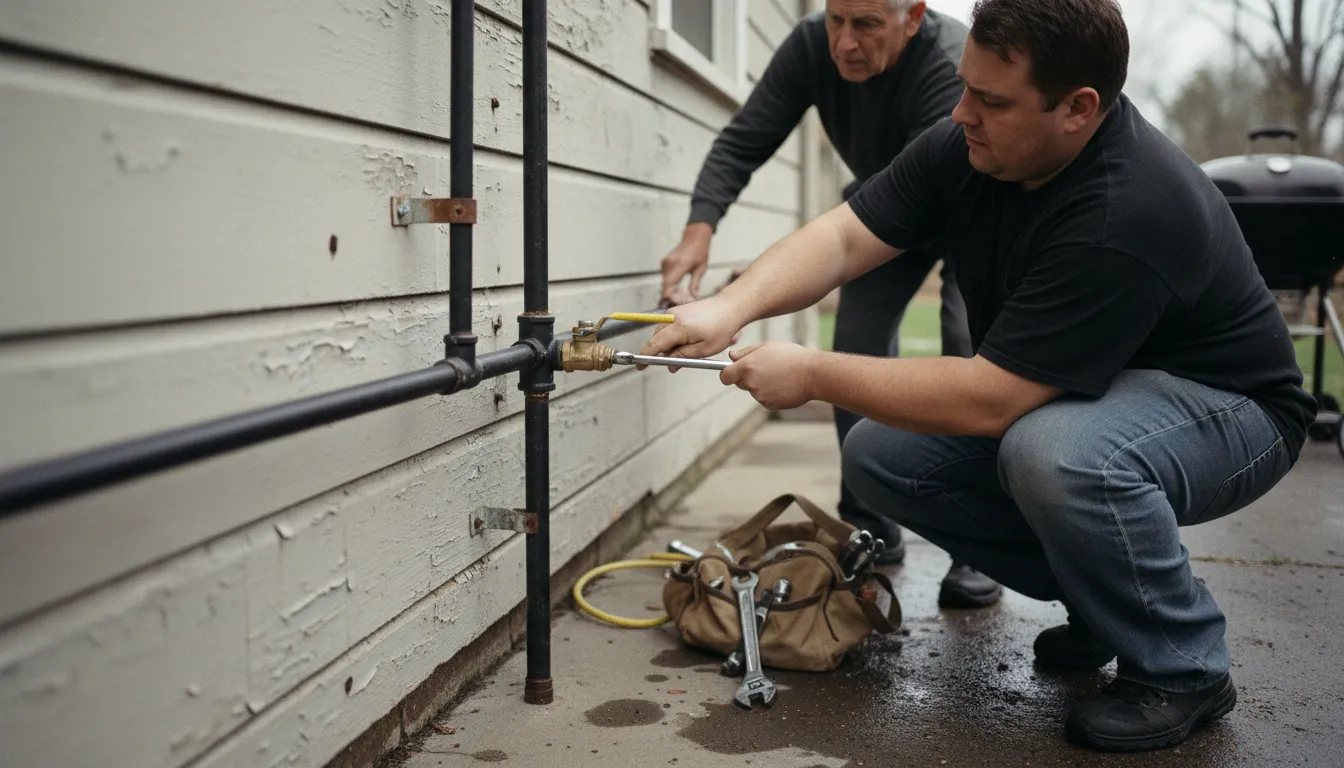
Installing or repairing a gas line is a critical home improvement project that directly impacts the safety, efficiency, and functionality of your property. Whether you're adding a gas stove, furnace, or outdoor kitchen, proper gas line work ensures reliable fuel delivery to your appliances. In North Brunswick, this process is governed by strict state and local codes to protect homeowners and the community. This guide will help you understand the essential steps, regulations, and considerations for finding qualified professionals to handle your gas piping needs.
Above and Beyond Plumbing and Heating LLC
5 Van Winkle Rd, Pine Brook, NJ 07058
Above and Beyond Plumbing and Heating LLC is a plumbing and heating service provider based in New York, NY. They offer a wide range of services including water heater repair and installation, water softener installation, drain cleaning, sewer line repair, leak detection, repiping, gas line installation, toilet repair, and garbage disposal repair. The company is known for its 24-hour emergency plumbing services, ensuring help is available whenever needed. They also specialize in boiler installation and repair, and install water filtration and softening systems to improve water quality. With over a decade of experience, Above and Beyond Plumbing and Heating LLC serves New York and surrounding areas, providing tailored solutions to meet specific plumbing and heating needs.
Affordable Plumbing and Leak Repair
New York, NY
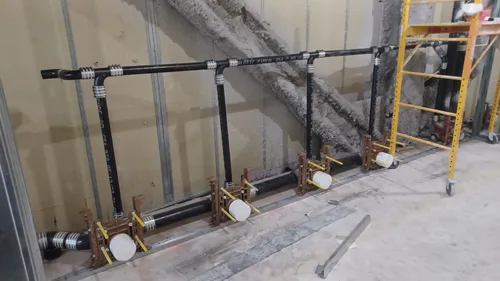
Affordable Plumbing and Leak Repair provides a wide range of plumbing services in New York, NY, including water heater repair and installation, drain cleaning, leak detection, repiping, and gas line installation. They serve Staten Island and surrounding areas such as Queens, The Bronx, Brooklyn, and Jersey City. The company offers emergency plumbing services to address urgent issues like burst pipes and clogged drains. Their team is equipped to handle various plumbing needs, including dryer and washer hookups, with a focus on preventing future problems through quality repairs and installations.
Force Plumbing and Heating LLC
158 NJ-36, Hazlet, NJ 07730
Force Plumbing and Heating LLC is a family-owned plumbing and heating contractor serving New York, NY, and surrounding areas. They offer a wide range of services including water heater repair and installation, drain cleaning, and gas line installation. The company is certified as Navien Service Specialists and partners with Moen to provide advanced Smart Water technology installations. They are fully licensed and qualified to handle gas line repair, replacement, and installation, ensuring safety and compliance with local regulations. Force Plumbing and Heating LLC also provides emergency after-hours repair services for urgent plumbing and heating issues.
Lesco Plumbing, Heating & Cooling
Newark, NJ
Lesco Plumbing, Heating & Cooling is a plumbing and HVAC company based in Newark, NJ, serving Northern New Jersey including Morris, Essex, Passaic, and Union counties. They provide a range of services such as water heater repair and installation, drain cleaning, sewer line repair, leak detection, repiping, and gas line installation. Established in 2003, Lesco Plumbing, Heating & Cooling has over 20 years of experience in the industry. They also offer HVAC services including furnace and air conditioner repair and replacement.
C&F Plumbing
12 Baldwin Ln Suite 12B, Mountain Lakes, NJ 07046
C&F Plumbing offers a wide range of plumbing services in New York, NY, including sewer camera inspections, water heater installation and repair, drain cleaning with hydro jetting, leak detection, repiping, gas line installation, and toilet repair. They also provide water treatment solutions such as water softener installation and handle sewage pump and boiler services. The company uses advanced tools like drain cameras to diagnose issues accurately and offers comprehensive sewer line repairs and replacements. C&F Plumbing serves both residential and commercial clients and emphasizes expert service from certified contractors. Their service area includes multiple communities in New Jersey, reflecting a broad regional presence.
Understanding Gas Line Services
Gas line installation involves running a new pipe from your home's main gas supply to a specific appliance. This could be for a new construction project, an addition like a pool heater, or upgrading an appliance from electric to gas. Gas line repair addresses issues like leaks, corrosion, or damage to existing piping. Both services require a deep understanding of pressure requirements, material specifications, and local safety codes. For any work involving natural gas or propane systems, hiring a licensed professional is not just recommended-it's a legal and safety imperative in New Jersey.
North Brunswick Regulations and Permits
All gas line work in North Brunswick requires proper permitting and inspection. This is non-negotiable and is designed to ensure every installation meets the New Jersey Uniform Construction Code for safety.
- Permit Requirement: You must obtain a construction permit (typically an F-100 form) from the North Brunswick Township Construction Department before any work begins. This applies to new gas lines, extensions, and connections for appliances like furnaces, water heaters, stoves, dryers, and fireplaces.
- The Inspection Process: The municipality employs licensed inspectors who will check the work at critical stages. A common requirement is a pressure test, where the new piping is sealed and tested to hold pressure, proving there are no leaks. After passing, the inspector will often affix a yellow "piping pressure test" sticker to the meter.
- Utility Coordination: North Brunswick is served by utility companies like PSE&G or New Jersey Natural Gas (NJNG). Before any digging occurs, you are legally required to call 811. This free service will have public underground utility lines marked on your property with color-coded flags or paint, preventing dangerous and costly strikes 1 2.
The Step-by-Step Installation Process
A professional gas line project follows a meticulous sequence to ensure safety and compliance.
- Call 811: This is always the first step. Wait for the utility markers to indicate the location of public gas, electric, water, and communication lines.
- Professional Design & Planning: A licensed plumber or gas fitter will assess your needs, calculate the required BTU load for your new appliance, and determine the correct pipe size and material. For underground lines, flexible polyethylene (PE) pipe is commonly used.
- Permit Acquisition: Your contractor will usually pull the necessary permits from the North Brunswick Construction Department, though this responsibility should be confirmed upfront 3.
- Excavation & Trenching: Careful digging follows the planned route, respecting the 811 markings. The depth and method are dictated by code to protect the pipe.
- Pipe Installation: The gas pipe is laid in the trench or run through interior spaces (using rigid black iron pipe indoors). All fittings, risers (where the pipe comes above ground), and connections must be to code.
- Pressure Testing & Inspection: The system is pressurized and monitored. A municipal inspector checks the test and the overall installation before it is approved 4.
- Final Connections: Once the pipe passes inspection, the utility company or your contractor can set the meter (if new) and make the final connection to the appliance. Note that for a meter set, the appliance must be in place and permanent electric service is typically required 5.
Critical Safety Information
Gas line work involves inherent risks. Adhering to these safety rules is paramount.
- Never DIY: Gas line installation and repair is not a do-it-yourself project. The risks of fire, explosion, and carbon monoxide poisoning are too high. Always hire a licensed, insured professional 6.
- Respond Immediately to Leaks: Natural gas is odorized to smell like rotten eggs. If you detect this odor, hear a hissing sound, or see dead vegetation near a gas line, evacuate the area immediately and call 911 or your gas utility from a safe distance.
- Understand Appliance Requirements: Any new gas appliance connection requires a permit and inspection. This ensures the appliance is properly vented and the gas line is correctly sized to handle the load 7.
Find the perfect gas line plumbing companies for your needs
Get personalized recommendations and expert advice
Cost Considerations for Gas Piping
The cost of gas line work in North Brunswick is highly variable, but understanding the factors can help you budget effectively. A common industry estimate is between $15 and $25 or more per linear foot, but this is just a starting point 8 9.
Key factors that influence the final price include:
- Length and Path: A simple, short run from an existing line to a nearby stove will cost significantly less than a long trench across your yard to a new pool heater or outdoor kitchen.
- Excavation Complexity: Digging through soft soil is easier and cheaper than breaking through concrete driveways, navigating dense tree roots, or working in tight crawl spaces.
- Materials and Labor: The type and diameter of pipe, along with the fittings and shut-off valves required, affect material costs. Labor includes trenching, installation, pressure testing, and coordinating inspections.
- Permit Fees: The Township of North Brunswick charges fees for construction permits, which will be an additional cost on top of the contractor's quote 10.
Choosing the Right Professional
Selecting a qualified contractor is your most important decision. Look for a licensed plumber or gas fitter with specific experience in gas line projects. They should be familiar with North Brunswick's permit process and inspection requirements. Always verify their insurance and ask for references from similar local projects. A reputable professional will handle the 811 call, pull permits, and schedule all necessary inspections, providing you with a clear timeline and detailed contract.
Maintaining Your Gas System
Once your new gas line is installed, periodic awareness is key. Be mindful of any changes like the smell of gas, hissing noises, or visible corrosion on exposed pipes. Keep the area around your gas meter and appliance connections clear of debris, vegetation, and flammable materials. Schedule regular maintenance for your gas appliances (furnace, water heater) with a qualified technician, who can also visually check accessible gas connections during the service call.