Find the Best Gas Line Plumbing Companies for Your Business
No obligation • Fast responses • Nationwide coverage

Why you can trust Search a Plumber
Search a Plumber is a leading United States resource for finding and evaluating professional plumbing services. Our team researches licensing, experience, and customer feedback to create unbiased, fact-driven overviews. Companies cannot pay to change ratings or placement, ensuring homeowners get trustworthy information.
Search providers near you
Top Gas Line Plumbing Companies in New Brunswick, New Jersey Ranked
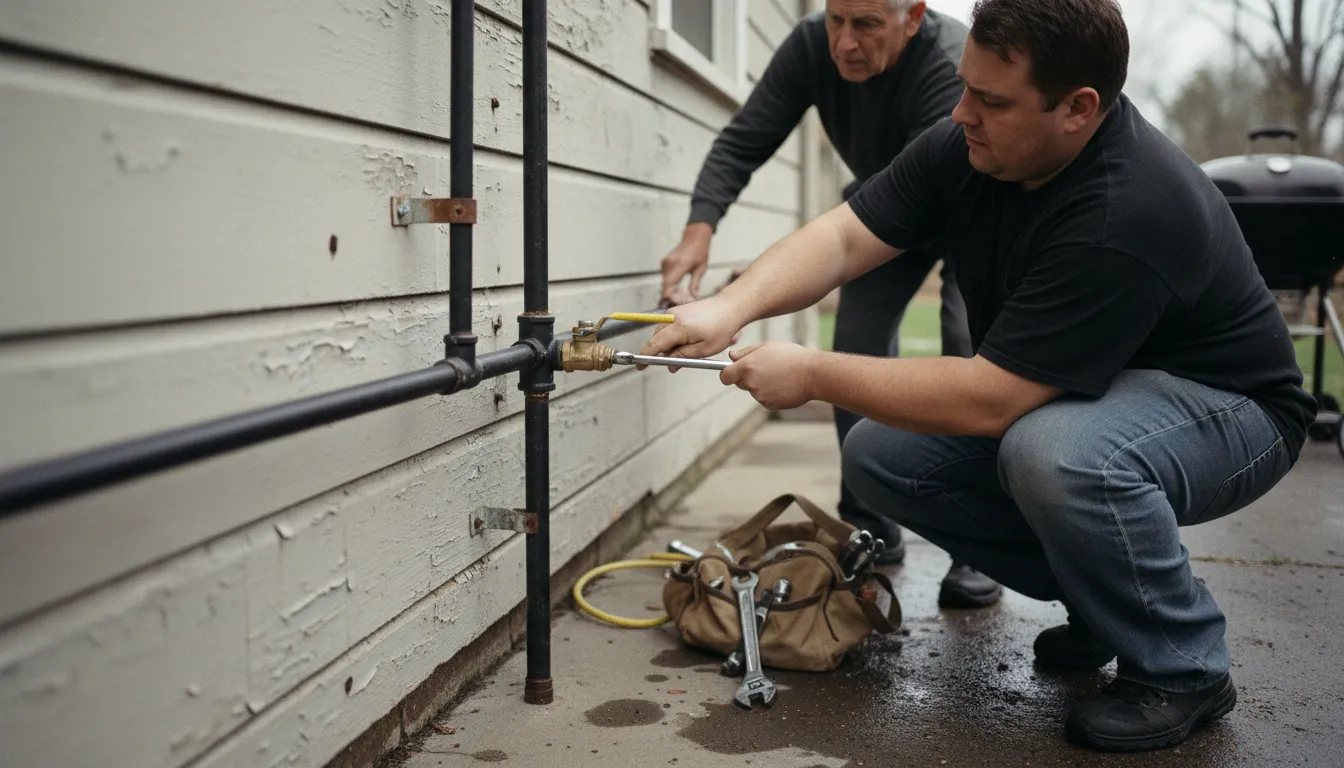
Installing or repairing a gas line is a critical home project that requires specialized knowledge and strict adherence to safety codes. This work involves running pipes to connect appliances like stoves, water heaters, or dryers to the natural gas supply. It's essential to hire a licensed professional, as improper installation can lead to dangerous leaks, fire hazards, or carbon monoxide poisoning. For New Brunswick residents, this guide outlines the local process, costs, and key steps to help you understand what's involved and how to find qualified local experts for your gas piping needs.
Above and Beyond Plumbing and Heating LLC
5 Van Winkle Rd, Pine Brook, NJ 07058
Above and Beyond Plumbing and Heating LLC is a plumbing and heating service provider based in New York, NY. They offer a wide range of services including water heater repair and installation, water softener installation, drain cleaning, sewer line repair, leak detection, repiping, gas line installation, toilet repair, and garbage disposal repair. The company is known for its 24-hour emergency plumbing services, ensuring help is available whenever needed. They also specialize in boiler installation and repair, and install water filtration and softening systems to improve water quality. With over a decade of experience, Above and Beyond Plumbing and Heating LLC serves New York and surrounding areas, providing tailored solutions to meet specific plumbing and heating needs.
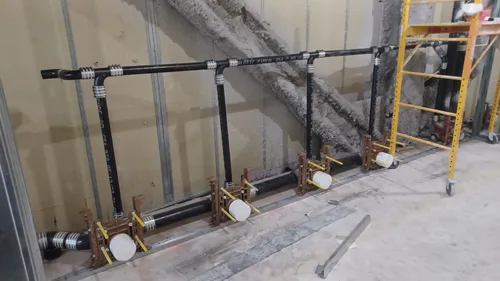
Affordable Plumbing and Leak Repair
New York, NY
Affordable Plumbing and Leak Repair provides a wide range of plumbing services in New York, NY, including water heater repair and installation, drain cleaning, leak detection, repiping, and gas line installation. They serve Staten Island and surrounding areas such as Queens, The Bronx, Brooklyn, and Jersey City. The company offers emergency plumbing services to address urgent issues like burst pipes and clogged drains. Their team is equipped to handle various plumbing needs, including dryer and washer hookups, with a focus on preventing future problems through quality repairs and installations.
A&E NYC Plumbing
40 Fulton St, New York, NY 10038
A&E NYC Plumbing offers a wide range of plumbing services in New York, NY, including water heater repair and installation, drain cleaning, sewer line repair, leak detection, and gas line installation. They also handle faucet and toilet repairs, garbage disposal maintenance, and repiping projects. The company is licensed and insured, providing both residential and commercial plumbing solutions with a focus on safety and technical expertise. Their team is experienced in managing complex plumbing systems and offers free onsite estimates for more involved jobs.
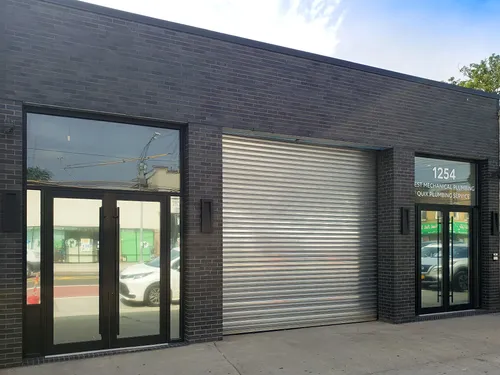
Quix Plumbing Service
1254 Utica Ave, Brooklyn, NY 11203
Quix Plumbing Service provides plumbing and gas line installation services in New York, NY, including Brooklyn, Queens, Bronx, and Manhattan. They handle a range of plumbing needs from emergency repairs to full system installations using advanced, non-invasive techniques. The company focuses on delivering precise and careful service tailored to both residential and commercial clients.
Force Plumbing and Heating LLC
158 NJ-36, Hazlet, NJ 07730
Force Plumbing and Heating LLC is a family-owned plumbing and heating contractor serving New York, NY, and surrounding areas. They offer a wide range of services including water heater repair and installation, drain cleaning, and gas line installation. The company is certified as Navien Service Specialists and partners with Moen to provide advanced Smart Water technology installations. They are fully licensed and qualified to handle gas line repair, replacement, and installation, ensuring safety and compliance with local regulations. Force Plumbing and Heating LLC also provides emergency after-hours repair services for urgent plumbing and heating issues.
Understanding Gas Line Work in New Brunswick
Gas line installation and repair, often referred to as gas piping work, is a regulated trade for good reason. Natural gas is a safe and efficient fuel when handled correctly, but it demands respect for established protocols. In New Brunswick, all such work falls under state and local building codes, which are enforced to protect your home and community. Whether you're adding a gas stove to your kitchen, running a line for a new fireplace, or addressing a suspected leak, the process is more than just connecting pipes-it's a series of planned steps involving permits, inspections, and certified craftsmanship.
The City of New Brunswick Construction Department oversees the permitting process for this work. A licensed New Jersey plumber will typically handle the application, though homeowners can apply for permits for work on their own single-family dwellings. Crucially, your utility provider, PSE&G, has mandatory inspection requirements that must be met before they will set or reconnect your gas meter.
The Step-by-Step Process for Gas Piping Projects
A successful gas line project follows a clear sequence. Skipping steps or cutting corners is not an option with something as potentially hazardous as natural gas.
1. Planning and Design
Before any digging begins, a professional will assess your needs. This includes mapping the route from the gas meter to the new appliance, calculating the required BTU load to ensure proper pipe sizing, and selecting the appropriate materials-typically rigid black iron pipe or flexible Corrugated Stainless Steel Tubing (CSST) 1. Proper planning prevents future issues with appliance performance or pressure drops.
2. The Critical "Call Before You Dig" Step
This is a non-negotiable safety and legal requirement. You or your contractor must call 811 at least three business days before excavation. This free service dispatches utility crews to mark the location of all public underground lines (gas, water, electric, etc.) on your property. You must then respect a "tolerance zone" (typically 2 feet on either side of the marks) when digging to avoid catastrophic strikes 2 3.
3. Securing Permits
With a plan in place, your licensed plumber will submit the necessary paperwork to the New Brunswick Construction Department. This includes the standard Construction Permit (NJ F-100 form) and the Plumbing Subcode Technical Section (F-130) 4. Starting work without a permit can result in fines, failed inspections, and problems when selling your home.
4. Excavation and Installation
Once permits are posted and lines are marked, trenching can begin for underground runs. The new gas piping is then carefully installed, with all joints properly sealed using pipe dope or approved tape. Pipes must be securely supported and protected from corrosion 5. The line is connected to the meter on one end and the appliance shut-off valve on the other.
5. Pressure Testing and Inspection
This is the most important safety step. The entire new section of pipe is pressurized with air or an inert gas and monitored for any drop in pressure, which indicates a leak. In New Brunswick, PSE&G requires the installing plumber to affix a yellow "piping pressure test" sticker to the meter after a successful test. A municipal inspector will also check the work for code compliance before it is approved.
6. Final Connection and Appliance Hookup
After the system passes inspection, PSE&G will perform a final check and set the meter. The plumber can then make the final connection to the appliance, ensure all fittings are tight, and verify that the appliance is operating correctly and safely.
Find the perfect gas line plumbing companies for your needs
Get personalized recommendations and expert advice
Safety Protocols and Best Practices
Adhering to safety guidelines isn't just about following rules-it's about protecting your household.
- Always Use a Licensed Professional: Gas line work is not a DIY project. New Jersey licenses plumbers for a reason: they understand the complex codes governing pipe sizing, material types, venting, and safe installation practices 6.
- Mandatory Leak Testing: A pressure test is required by code after any new installation or major repair. Never assume a connection is good; it must be proven 7 8.
- Install Carbon Monoxide Detectors: Any home with gas appliances must have working CO detectors on every level and near sleeping areas. This is a critical backup safety measure 9.
- Know the Signs of a Leak: Be familiar with the smell of rotten eggs (the odorant added to gas), the sound of hissing, or dead vegetation along a gas line path outside. If you suspect a leak, leave the area immediately and call your gas company from a safe distance 10.
Understanding Costs for Gas Line Services in New Brunswick
Pricing for gas piping services can vary based on the project's complexity, the length of the run, accessibility, and local labor rates. The figures below are general estimates to help you budget; your licensed professional will provide a precise quote after assessing your specific situation.
- New Gas Line Installation: For a basic installation to a single appliance (like a kitchen stove or dryer), homeowners can expect costs to range from $500 to $2,000.
- Cost Per Linear Foot: A common way to estimate longer runs is by the foot. Installing or moving a gas line typically costs between $15 and $25 per linear foot11 12.
- Gas Leak Repair: Repair costs are highly variable, depending on the leak's location and severity. Simple fixes might start around $120, while repairs requiring extensive excavation or pipe replacement can reach $5,000.
- Capping an Unused Gas Line: If you're removing an appliance and need to safely seal off a line, this service usually costs between $75 and $15013.
Choosing the Right Professional for Your Project
Selecting a contractor is your most important decision. Look for a plumber who is:
- Licensed in New Jersey: Verify their state license is current and in good standing.
- Insured: Ensure they carry both liability and worker's compensation insurance.
- Local Experience: Familiarity with New Brunswick inspectors and PSE&G's specific sticker requirement streamlines the process 14.
- Transparent with Quotes: A reputable pro will provide a detailed written estimate that outlines labor, materials, and permit fees.
- Focused on Safety: They should willingly discuss their safety procedures, testing protocols, and the importance of calling 811.
Frequently asked questions
Sources
Footnotes
-
Expectations During a New Gas Line Installation for Your Home? - https://magnificentplumbing.com/new-gas-line-installation-for-your-home/ ↩
-
NJNG Construction on Your Street - https://www.njng.com/my-home/construction-street.aspx ↩
-
Essential Guide to Gas Line Installation: Tips and Safety ... - https://gaeberly.com/gas-line-installation/ ↩
-
Construction and Permits - New Brunswick - https://www.cityofnewbrunswick.org/residents/services/permits___licensing.php ↩
-
Essentials of Gas Piping: Installation and Safety Guidelines - https://tulsafintube.com/essentials-of-gas-piping-installation-and-safety-guidelines/ ↩
-
New Jersey Plumbing Permit Guide - PermitFlow - https://www.permitflow.com/blog/plumbing-permit-nj ↩
-
How to Install Natural Gas Lines Safely and Correctly - https://bluegasexpress.com/how-to-install-natural-gas-lines/ ↩
-
Expert Gas Piping Installation & Repair in Landisville, NJ - https://eogservice.com/plumbing/gas-piping-service ↩
-
How to Install a Gas Line: Safety Tips and Best Practices? - https://www.tnstandard.com/gas-line-installation-safety-tips-and-best-practices/ ↩
-
Natural Gas Safety and You - South Jersey Gas - https://southjerseygas.com/SJG/media/pdf/Bill%20Inserts/02_2023-SJG-Safety-Insert-English-2022-V3_1.pdf ↩
-
Gas Line Installation Cost: 2023 Guide - Super Brothers - https://www.superbrothers.com/gas-line-installation-cost-2023-guide/ ↩
-
How Much Do Gas Line Installation or Repairs Cost? [2026 Data] - https://www.angi.com/articles/what-average-cost-85-run-natural-gas-line.htm ↩
-
Gas Line Repair and Replacement Costs [2026 Data] | Angi - https://www.angi.com/articles/average-gas-line-repair-and-installation-costs.htm ↩
-
Construction & Renovation Local Inspections - PSE&G - https://nj.pseg.com/businessandcontractorservices/constructionandrenovationservices/mandatorylocalinspections ↩