Find the Best Gas Line Plumbing Companies for Your Business
No obligation • Fast responses • Nationwide coverage
Why you can trust Search a Plumber
Search a Plumber is a leading United States resource for finding and evaluating professional plumbing services. Our team researches licensing, experience, and customer feedback to create unbiased, fact-driven overviews. Companies cannot pay to change ratings or placement, ensuring homeowners get trustworthy information.
Search providers near you
Top Gas Line Plumbing Companies in Irvington, New Jersey Ranked
Installing or repairing a gas line is a critical project that directly impacts the safety and functionality of your home. This work involves running pipes to connect your property to the public natural gas main or servicing appliances like stoves, dryers, and furnaces. Due to the inherent risks of working with natural gas, these projects are strictly regulated and must be performed by licensed professionals. This guide will help you understand the process, regulations, and costs specific to Irvington, so you can make informed decisions when hiring a qualified specialist for your gas piping needs.
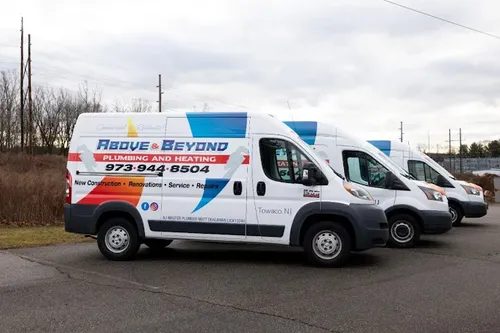
Above and Beyond Plumbing and Heating LLC
5 Van Winkle Rd, Pine Brook, NJ 07058
Above and Beyond Plumbing and Heating LLC is a plumbing and heating service provider based in New York, NY. They offer a wide range of services including water heater repair and installation, water softener installation, drain cleaning, sewer line repair, leak detection, repiping, gas line installation, toilet repair, and garbage disposal repair. The company is known for its 24-hour emergency plumbing services, ensuring help is available whenever needed. They also specialize in boiler installation and repair, and install water filtration and softening systems to improve water quality. With over a decade of experience, Above and Beyond Plumbing and Heating LLC serves New York and surrounding areas, providing tailored solutions to meet specific plumbing and heating needs.
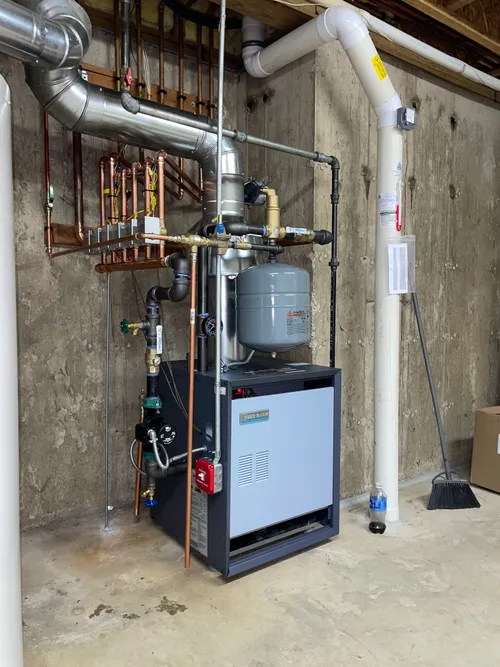
Angler Plumbing, Heating & Drain Cleaning LLC
598 Hickory Ave, Saddle Brook, NJ 07663
Angler Plumbing, Heating & Drain Cleaning LLC is a family- and veteran-owned business serving New York, NY, and Bergen County, NJ. They provide a wide range of plumbing, heating, and drain services including water heater installation and repair, sump pump maintenance, gas line installation, and drain cleaning. Their licensed master plumber offers a one-year warranty on parts, labor, and materials, and the company is known for its safety-first approach and fully stocked trucks. With over 22 years of experience, Angler Plumbing also offers emergency services with weekend and evening appointments available upon request.
Affordable Plumbing and Leak Repair
New York, NY
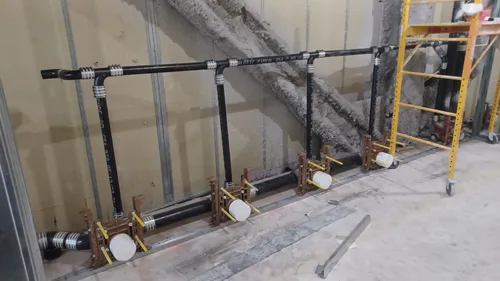
Affordable Plumbing and Leak Repair provides a wide range of plumbing services in New York, NY, including water heater repair and installation, drain cleaning, leak detection, repiping, and gas line installation. They serve Staten Island and surrounding areas such as Queens, The Bronx, Brooklyn, and Jersey City. The company offers emergency plumbing services to address urgent issues like burst pipes and clogged drains. Their team is equipped to handle various plumbing needs, including dryer and washer hookups, with a focus on preventing future problems through quality repairs and installations.
Superior Plumbing, Heating, & Mechanical, LLC
New York, NY
Superior Plumbing, Heating, & Mechanical, LLC is a family-owned business serving New York, NY, and surrounding areas including the five boroughs, Long Island, and Westchester County. Since 2003, they have provided commercial plumbing, heating, and mechanical services to building owners, managers, and engineers. Their licensed team offers a range of services such as drain cleaning, leak detection, gas line installation, toilet repair, backflow prevention, and water leak detection. They are certified for gas piping and backflow testing and provide 24/7 emergency and scheduled maintenance services to ensure building systems operate efficiently and comply with local codes.
A&E NYC Plumbing
40 Fulton St, New York, NY 10038
A&E NYC Plumbing offers a wide range of plumbing services in New York, NY, including water heater repair and installation, drain cleaning, sewer line repair, leak detection, and gas line installation. They also handle faucet and toilet repairs, garbage disposal maintenance, and repiping projects. The company is licensed and insured, providing both residential and commercial plumbing solutions with a focus on safety and technical expertise. Their team is experienced in managing complex plumbing systems and offers free onsite estimates for more involved jobs.
Understanding Gas Line Services
Gas line work encompasses more than just running a pipe. It's a multi-step process that ensures a safe, reliable, and code-compliant fuel supply to your appliances. Whether you're adding a gas stove to your kitchen, installing a tankless water heater, or repairing a leak in an existing line, the project involves careful planning, permits, and professional execution. In Irvington, all gas piping work requires adherence to state and local building codes, with mandatory inspections to protect your household and the community 1.
Why Professional Installation is Non-Negotiable
Natural gas is highly combustible, and even a small leak can lead to fire, explosion, or carbon monoxide poisoning. For this reason, gas line installation and repair is never a do-it-yourself project. Licensed plumbers and gas fitters have the specialized training, tools, and insurance required to handle these systems safely. They understand the precise requirements for pipe materials, joint sealing, pressure testing, and clearance from other utilities. Most importantly, they know how to navigate the required permits and coordinate with utility companies like PSE&G or New Jersey Natural Gas (NJNG) 2.
The Step-by-Step Process in Irvington
Following the correct sequence is essential for a successful and legal gas line project. Skipping steps can result in failed inspections, costly rework, or dangerous situations.
1. Planning and Permits
Before any digging begins, a detailed plan must be created. A professional will map the route from the street or existing meter to the new appliance, identifying potential conflicts with other underground utilities, landscaping, or structures. The contractor will then pull the necessary permits from the Irvington Construction Code office. For gas piping, the Township of Irvington lists a base permit fee of approximately $100, plus $25 for each additional gas line on the property.
2. Calling 811 for Public Line Marking
This is a critical and legally mandated safety step. At least three business days before excavation, you or your contractor must call 811, New Jersey's "Call Before You Dig" service. Utility companies will then visit your property to mark the location of their underground public lines-such as main gas pipes, water, and electric-with colored flags or paint. This prevents accidental strikes that could cause injury, service outages, or costly repairs 3 4.
3. Excavation and Trenching
Once public lines are marked, excavation can begin. The contractor will dig a trench for the new gas line. In New Jersey, gas lines are typically buried at a depth of 18 to 24 inches to protect them from surface activity and freezing. The trench must also avoid any privately installed lines, such as sewer laterals or sprinkler systems, which are not marked by 811.
4. Pipe Installation
The type of pipe used is dictated by code. Traditional black iron pipe is common for its durability, while Corrugated Stainless Steel Tubing (CSST) is a flexible alternative often used for running lines inside walls or through tight spaces. The pipe is laid in the trench and carefully connected, with all joints properly sealed.
5. Pressure Testing and Inspection
Before the gas can be turned on, the new piping system must pass a pressure test. The contractor will pressurize the sealed line with air and monitor it to ensure there are no leaks. In areas served by PSE&G, a mandatory local inspection must be scheduled. Once the system passes the test, the inspector will affix a yellow "piping pressure test" sticker to the house piping. This sticker is a prerequisite for the utility company to set or reconnect the meter 5.
6. Final Connection and Restoration
After passing inspection, the utility company (PSE&G or NJNG) will connect the meter. The contractor can then make the final connection to your appliance, light pilots, and ensure everything is operating correctly. Finally, the trench is backfilled and the landscape is restored as agreed upon in your contract.
Find the perfect gas line plumbing companies for your needs
Get personalized recommendations and expert advice
Key Safety Protocols and Regulations
Adhering to safety protocols isn't just about following rules-it's about preventing catastrophic events.
- Immediate Response to Gas Odor: Natural gas is odorless, but utilities add a distinctive rotten egg smell (mercaptan) for detection. If you smell gas inside or outside your home, leave the area immediately and call your gas utility (PSE&G or NJNG) from a safe distance. Do not operate light switches, phones, or anything that could create a spark 6.
- Respect the Markings: The flags and paint from 811 indicate the approximate location of underground utilities. Never remove these markings and avoid digging near them. The marks are typically valid for a set number of days, so plan your project accordingly.
- Clearance and Depth Requirements: Codes specify minimum distances (clearances) between gas lines and other utilities like electrical conduits or water pipes. The required burial depth (18-24 inches is standard) protects the line from damage. Your licensed professional will ensure all these requirements are met 7.
Cost Considerations for Gas Line Projects
The cost of gas line work in Irvington can vary widely based on the project's scope and complexity. It's important to get detailed, written estimates from several licensed professionals.
- Permit Fees: As noted, Irvington's fee structure starts at around $100 for the gas piping permit, plus $25 per additional line 8.
- New Line from Street: Running a new gas service line from the main in the street to your home is the most significant expense. Costs typically range from $2,000 to over $10,000, heavily dependent on the distance to the main, soil conditions, and obstacles like driveways or landscaping 9.
- Meter Set Fee: While the utility often covers the cost of setting a new meter, there can be fees ranging from $300 to $600 in some cases.
- Landscape Repair: Restoring your yard after trenching is a separate cost. Simple sod replacement may start around $300, but complex restoration involving patios, gardens, or irrigation systems can add thousands to the project total 10.
- Appliance Hookup: The cost to run a branch line from your meter or main interior line to a new appliance (like a stove or dryer) is less but still requires professional installation and permitting.
Always ensure your cost estimate includes all phases: planning, permits, excavation, materials, labor, pressure testing, inspection coordination, and final restoration.
Choosing the Right Professional in Irvington
Selecting a contractor is your most important decision. Look for a plumber or gas fitter who is:
- Licensed and Insured: They must hold a valid New Jersey license for plumbing and gas fitting and carry both liability and worker's compensation insurance.
- Local Experience: A professional familiar with Irvington's specific inspection process and utility requirements (PSE&G vs. NJNG) can navigate the project more efficiently.
- Transparent with Estimates and Permits: They should provide a detailed written estimate and be willing to pull all required permits in their name.
- Well-Reviewed: Check online reviews and ask for local references to gauge their reputation for safety, quality, and customer service.
Frequently asked questions
Sources
Footnotes
-
NJNG Construction on Your Street - https://www.njng.com/my-home/construction-street.aspx ↩
-
Professional Gas Line Repair in New Jersey - https://www.brownshc.com/services/plumbing/gas-line-repair-and-installation/ ↩
-
How to Install Natural Gas Lines Safely and Correctly - https://bluegasexpress.com/how-to-install-natural-gas-lines/ ↩
-
How Deep Are Gas Lines Buried? - J.D. Power - https://www.jdpower.com/cars/shopping-guides/how-deep-are-gas-lines-buried ↩
-
Construction & Renovation Local Inspections - PSE&G - https://nj.pseg.com/businessandcontractorservices/constructionandrenovationservices/mandatorylocalinspections ↩
-
Natural Gas Safety and You - South Jersey Gas - https://southjerseygas.com/SJG/media/pdf/Bill%20Inserts/02_2023-SJG-Safety-Insert-English-2022-V3_1.pdf ↩
-
Underground Gas Line - GasGuys.ca Inc. - https://www.gasguys.ca/underground-gas-lines/ ↩
-
Township of Irvington, NJ Construction Code, Uniform - https://ecode360.com/30529554 ↩
-
How Much Does It Cost to Install a Gas Line? [2025 Data] - https://www.homeadvisor.com/cost/plumbing/install-or-repair-gas-pipes/ ↩
-
How Much Does Gas Line Installation Cost? (2026) - HomeGuide - https://homeguide.com/costs/gas-line-installation-cost ↩