Find the Best Gas Line Plumbing Companies for Your Business
No obligation • Fast responses • Nationwide coverage

Why you can trust Search a Plumber
Search a Plumber is a leading United States resource for finding and evaluating professional plumbing services. Our team researches licensing, experience, and customer feedback to create unbiased, fact-driven overviews. Companies cannot pay to change ratings or placement, ensuring homeowners get trustworthy information.
Search providers near you
Top Gas Line Plumbing Companies in Hamilton, New Jersey Ranked
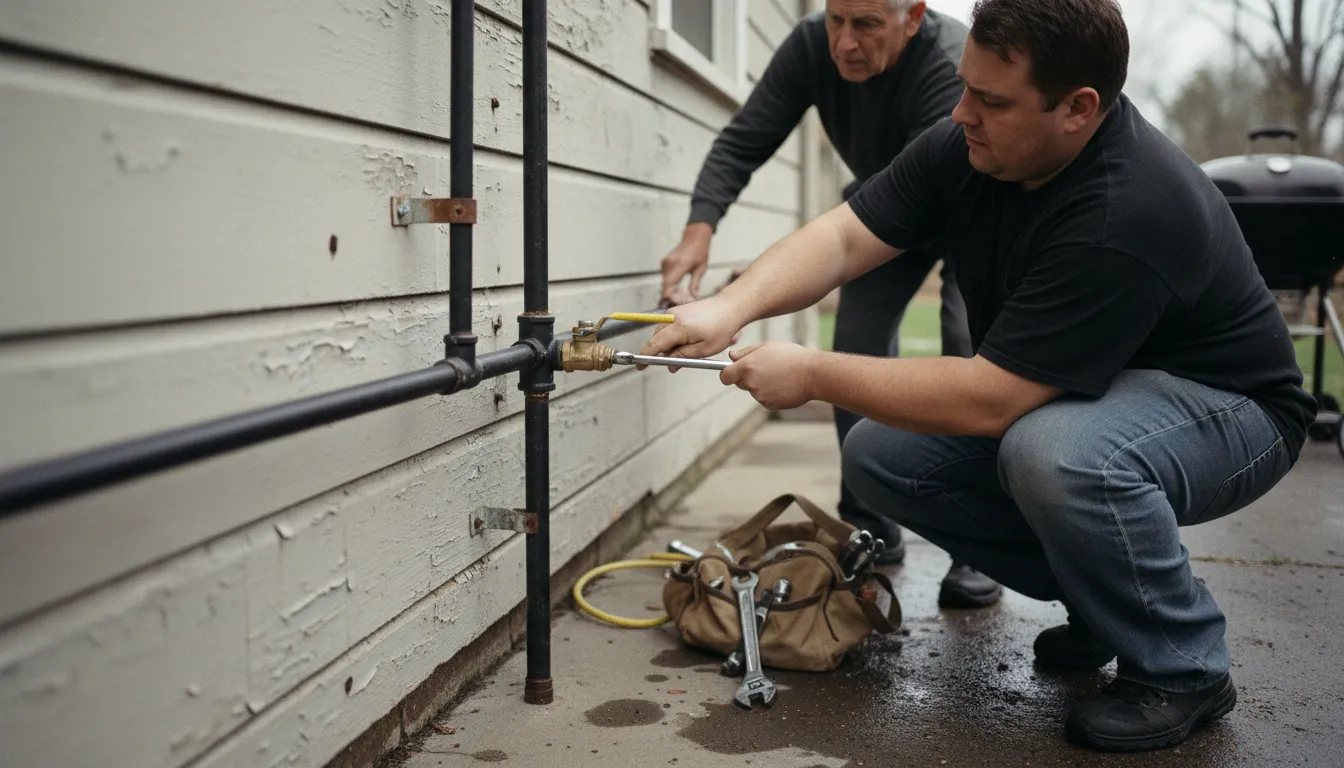
Installing or repairing a gas line is a critical home service that ensures the safe and reliable delivery of natural gas to your appliances. Proper gas piping work is essential for safety, efficiency, and compliance with state and local building codes. This guide provides detailed information on the process, regulations, and best practices for gas line services in Hamilton, helping you understand what to expect and how to find qualified local professionals for the job.
Bill Frusco Plumbing Heating and Air Conditioning
513 Horsham Rd, Horsham, PA 19044
Bill Frusco Plumbing Heating and Air Conditioning is a family-owned business serving Philadelphia, PA, and surrounding counties since 1967. They offer a wide range of plumbing, heating, and cooling services including sewer and drain cleaning, water heater installation, sump pump repair, gas line installation, and leak detection. The company is a Master Licensed Plumber and provides 24/7 emergency plumbing and HVAC services to both residential and commercial customers. Their expertise includes sewer line repair and water restoration services, supported by over 50 years of experience in the industry.
Mr. Rooter Plumbing of Glenside
114 Montgomery Ave, Oreland, PA 19075
Mr. Rooter Plumbing of Glenside provides plumbing services in Philadelphia, PA, including water heater repair and installation, drain cleaning, sewer line repair, leak detection, and gas line installation. They offer hydro jetting to clear tough drain blockages and maintain sewer lines. The company emphasizes clear pricing and workmanship backed by the Neighborly Done Right Promise®. Their licensed and insured plumbers serve residential needs with a focus on thorough inspections and customer communication.
Done Right Plumbing & Heating
1112 Alcott St, Philadelphia, PA 19149
Done Right Plumbing & Heating is a family-owned plumbing and heating company serving Philadelphia, PA. With over 40 years of experience spanning three generations, they provide a range of services including water heater repair, sump pump repair, drain cleaning, gas line installation, and curb trap excavation. The company is certified in ASSEE International Backflow Prevention Assembly Testing and offers whole-house rough-ins and underground water system installations for new construction and businesses. Done Right Plumbing & Heating is available 24/7 to handle emergency plumbing and heating needs.
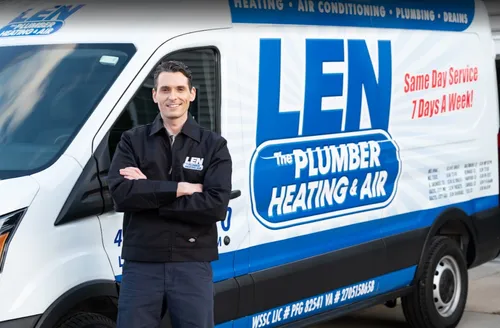
Len the Plumber Heating & Air, LLC
207 Witmer Rd, Horsham, PA 19044
Len the Plumber Heating & Air, LLC provides plumbing, heating, and air conditioning services in Philadelphia, PA, and the surrounding Pennsylvania and Delaware Valley areas. With over 25 years of experience, they offer a wide range of services including sewer camera inspections, water heater repair and installation, drain cleaning, sewer line repair, trenchless sewer repair, leak detection, gas line installation, and garbage disposal repair. The company is equipped to handle emergency plumbing and HVAC repairs 24/7, ensuring prompt response to urgent issues such as leaks, gas leaks, and HVAC system failures. Their team of 120 skilled technicians supports both routine maintenance and complex repairs, including video pipe inspections and trenchless sewer solutions.
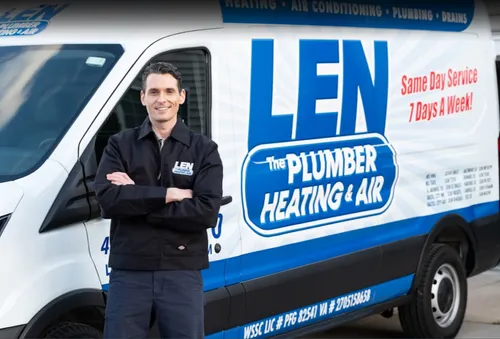
Len The Plumber Heating & Air, LLC
2091 Springdale Rd, Cherry Hill Township, NJ 08003
Len The Plumber Heating & Air, LLC provides comprehensive plumbing, HVAC, and drain services in Philadelphia, PA, and surrounding New Jersey counties. Their offerings include sewer camera inspections, water heater installation and repair, water softener installation, sump pump repair, drain cleaning, trenchless sewer repair, leak detection, repiping, gas line installation, and garbage disposal repair. The company uses video pipe inspections to accurately diagnose drain and sewer issues and offers trenchless sewer line repair as a minimally invasive solution. With over 25 years of experience, Len The Plumber Heating & Air operates 24/7, providing emergency plumbing and HVAC repairs to address urgent household problems.
Understanding Gas Line Services
Gas line installation and repair, often referred to as gas piping or gas fitting, involves working with the pipes that deliver natural gas from the utility meter to appliances like furnaces, water heaters, stoves, and fireplaces. This work is highly specialized due to the inherent risks associated with natural gas, which is flammable and can be hazardous if not handled correctly. In Hamilton, all such work must adhere to the New Jersey Uniform Construction Code (UCC) to ensure public safety.
Whether you're adding a gas fireplace, relocating a stove, or addressing a suspected leak, hiring a licensed professional is not just recommended-it's often legally required. These experts manage the entire process, from pulling the necessary permits to scheduling mandatory safety inspections with the township.
Hamilton Township Permits and Regulations
Before any gas line work begins in Hamilton, a permit must be obtained. This is a non-negotiable step designed to ensure all work meets strict safety standards.
- Permit Requirement: The Hamilton Township Construction Department requires permits for all gas line installations, repairs, and extensions. This applies whether you are running a new line for an appliance or fixing an existing one.
- Who Can Pull Permits: Typically, the permit is pulled by the licensed New Jersey plumbing contractor performing the work. Homeowners may pull permits for work on their own property, but given the complexity and risk, this is strongly discouraged for gas line projects 1.
- The Inspection Process: Once a permit is issued, the work will be subject to inspections by township officials. These inspections occur at key stages-such as after the pipe is run but before it is covered or connected-to verify that the materials and installation methods comply with code before the system is activated 2 3 4. Passing final inspection is crucial for legal compliance and your safety.
The Professional Installation Process
A proper gas line installation by a licensed professional follows a meticulous, safety-first sequence.
- Planning and Call 811: The process starts with planning the route from the meter to the appliance. Before any digging, state law requires you to call 811 or visit call811.com at least a few business days in advance. This free service marks the location of public underground utility lines to prevent accidental strikes, which can be dangerous and costly 5 6 7.
- Trenching and Bed Preparation: For buried lines, a trench is dug. Proper preparation involves removing sharp rocks and roots and creating a smooth, stable bed. Often, a 2-3 inch layer of sand or fine gravel is used to cradle the pipe and protect it from shifting soil or puncture 8.
- Pipe Selection and Routing: The installer will use approved piping material, such as black iron or Corrugated Stainless Steel Tubing (CSST), that is correctly sized for the gas demand of the appliance. The route will avoid areas under structures like garages and follow code-specified depths and clearances.
- Connection and Testing: The pipe is carefully connected to the gas meter and the appliance using proper fittings. The entire system is then pressurized and tested for leaks before the final connections are sealed and the trench is backfilled.
Find the perfect gas line plumbing companies for your needs
Get personalized recommendations and expert advice
Safety: Leak Detection and Emergency Response
Gas safety is paramount. Natural gas is odorless, but a sulfur-based compound (mercaptan) that smells like rotten eggs is added for easy detection.
- Signs of a Leak: The primary warning signs are the smell of rotten eggs or a hissing sound near a gas line or appliance.
- Immediate Action: If you suspect a leak:
- Do not use electrical switches, phones, or anything that could create a spark.
- Evacuate everyone from the home immediately.
- From a safe distance away, call your gas company's emergency line or 911.
- Do not return until professionals declare it safe 9.
- Prevention: The best prevention is professional installation and regular maintenance by licensed technicians. They have the tools and expertise to perform precise leak tests and ensure all fittings are secure.
Understanding Costs for Gas Line Work
The cost of gas line services in Hamilton varies significantly based on the project's scope and complexity. Prices are influenced by the length of the new pipe run, the difficulty of the installation (e.g., trenching through rocky soil, running lines through finished walls), and necessary materials.
- Minor Repairs: A simple repair, such as fixing a small section of accessible pipe behind a stove, may range from approximately $120 to $250.
- Moderate Repairs/Installs: Repairing or installing a line within a wall or crawl space, which may include drywall repair, can cost between $270 and $760.
- Major Projects: Installing a new gas line from the meter to an appliance or repairing a buried line that requires excavation and landscaping restoration is the most expensive. These projects typically range from $1,500 to $5,000 or more, depending on the distance and site conditions.
For a basic new line installation, average costs can start around $540 or more, but it's essential to get detailed, written estimates from licensed local professionals who will assess your specific situation 10.
Choosing the Right Professional in Hamilton
Given the safety and regulatory stakes, selecting the right contractor is critical. Always verify that the plumber or gas fitter holds a valid New Jersey state license. They should be fully insured and have extensive experience with local Hamilton Township codes and inspection protocols. A reputable professional will handle the permit process, call 811, and coordinate all required inspections seamlessly as part of their service. Be wary of any quotes that seem unusually low, as they may not include these essential steps or may use substandard materials.
Frequently asked questions
Sources
Footnotes
-
Expert Gas Piping Installation & Repair in Landisville, NJ - https://eogservice.com/plumbing/gas-piping-service ↩
-
New Jersey Plumbing Permit Guide - PermitFlow - https://www.permitflow.com/blog/plumbing-permit-nj ↩
-
Inspections - Construction | Hamilton Township, NJ - https://www.hamiltonnj.com/259/Inspections---Construction ↩
-
Gas Line Installation Cost: 2023 Guide - Super Brothers - https://www.superbrothers.com/gas-line-installation-cost-2023-guide/ ↩
-
NJNG Construction on Your Street - https://www.njng.com/my-home/construction-street.aspx ↩
-
Natural Gas Safety and You - South Jersey Gas - https://southjerseygas.com/SJG/media/pdf/Bill%20Inserts/02_2023-SJG-Safety-Insert-English-2022-V3_1.pdf ↩
-
How to Install Natural Gas Lines Safely and Correctly - https://bluegasexpress.com/how-to-install-natural-gas-lines/ ↩
-
Trench and Ducting Guide For customers who wish to pre -excavate ... - https://www.nationalgas.com/sites/default/files/documents/24763-General,%20Pre-excavation%20and%20Ducting%20Guide.pdf ↩
-
Gas Lines - NJR Home Services - https://www.njrhomeservices.com/gas-lines/ ↩
-
How Much Do Gas Line Installation or Repairs Cost? [2026 Data] - https://www.angi.com/articles/what-average-cost-85-run-natural-gas-line.htm ↩