Find the Best Gas Line Plumbing Companies for Your Business
No obligation • Fast responses • Nationwide coverage

Why you can trust Search a Plumber
Search a Plumber is a leading United States resource for finding and evaluating professional plumbing services. Our team researches licensing, experience, and customer feedback to create unbiased, fact-driven overviews. Companies cannot pay to change ratings or placement, ensuring homeowners get trustworthy information.
Search providers near you
Top Gas Line Plumbing Companies in Hackensack, New Jersey Ranked
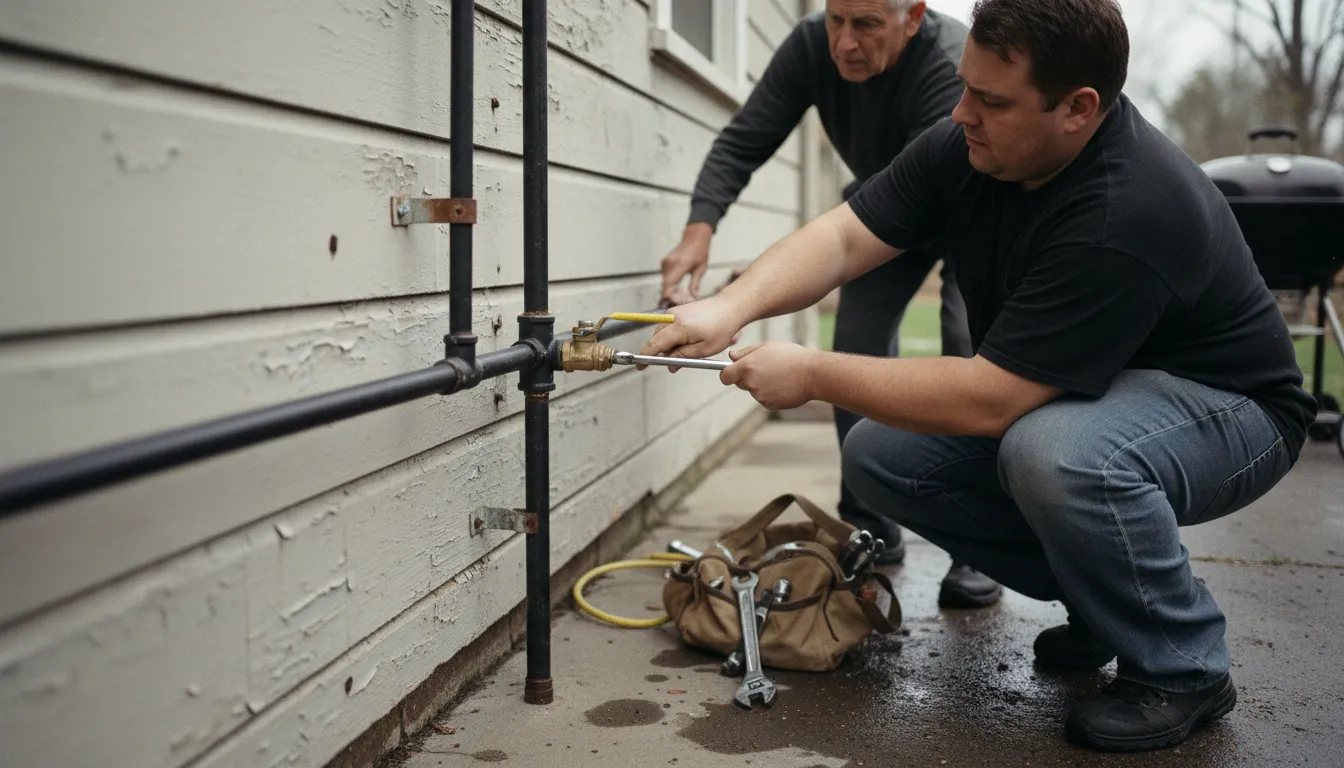
Installing or repairing a gas line is a critical home improvement project that directly impacts the safety and functionality of your home. Whether you're adding a gas stove, fireplace, or outdoor grill, proper gas piping work ensures reliable fuel delivery and prevents dangerous leaks. In Hackensack, this work is strictly regulated to protect residents and property. This guide explains the local process, safety requirements, and how to connect with qualified specialists who can handle your project from permit to final inspection.
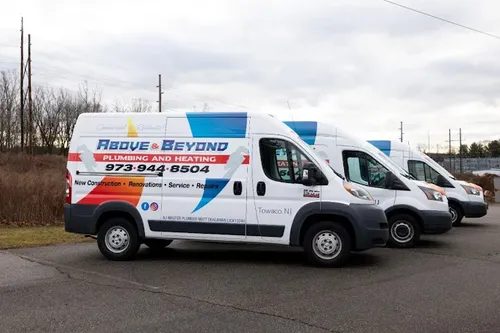
Above and Beyond Plumbing and Heating LLC
5 Van Winkle Rd, Pine Brook, NJ 07058
Above and Beyond Plumbing and Heating LLC is a plumbing and heating service provider based in New York, NY. They offer a wide range of services including water heater repair and installation, water softener installation, drain cleaning, sewer line repair, leak detection, repiping, gas line installation, toilet repair, and garbage disposal repair. The company is known for its 24-hour emergency plumbing services, ensuring help is available whenever needed. They also specialize in boiler installation and repair, and install water filtration and softening systems to improve water quality. With over a decade of experience, Above and Beyond Plumbing and Heating LLC serves New York and surrounding areas, providing tailored solutions to meet specific plumbing and heating needs.
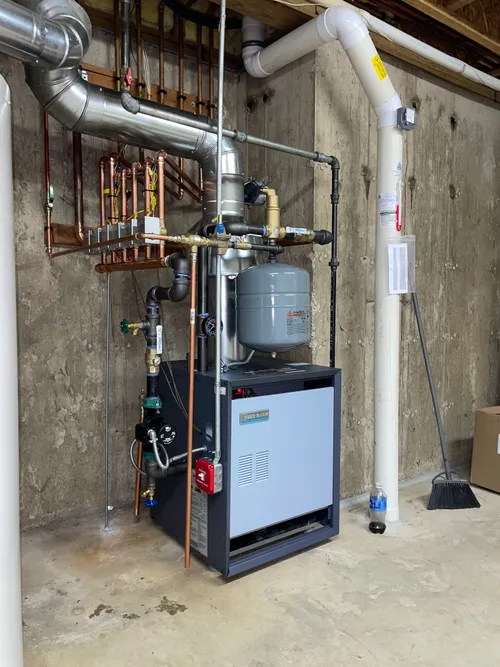
Angler Plumbing, Heating & Drain Cleaning LLC
598 Hickory Ave, Saddle Brook, NJ 07663
Angler Plumbing, Heating & Drain Cleaning LLC is a family- and veteran-owned business serving New York, NY, and Bergen County, NJ. They provide a wide range of plumbing, heating, and drain services including water heater installation and repair, sump pump maintenance, gas line installation, and drain cleaning. Their licensed master plumber offers a one-year warranty on parts, labor, and materials, and the company is known for its safety-first approach and fully stocked trucks. With over 22 years of experience, Angler Plumbing also offers emergency services with weekend and evening appointments available upon request.
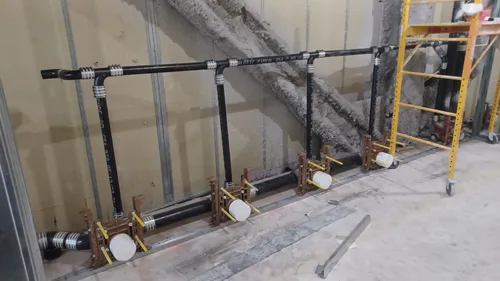
Affordable Plumbing and Leak Repair
New York, NY
Affordable Plumbing and Leak Repair provides a wide range of plumbing services in New York, NY, including water heater repair and installation, drain cleaning, leak detection, repiping, and gas line installation. They serve Staten Island and surrounding areas such as Queens, The Bronx, Brooklyn, and Jersey City. The company offers emergency plumbing services to address urgent issues like burst pipes and clogged drains. Their team is equipped to handle various plumbing needs, including dryer and washer hookups, with a focus on preventing future problems through quality repairs and installations.
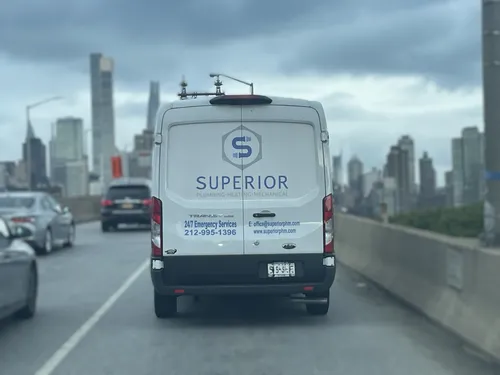
Superior Plumbing, Heating, & Mechanical, LLC
New York, NY
Superior Plumbing, Heating, & Mechanical, LLC is a family-owned business serving New York, NY, and surrounding areas including the five boroughs, Long Island, and Westchester County. Since 2003, they have provided commercial plumbing, heating, and mechanical services to building owners, managers, and engineers. Their licensed team offers a range of services such as drain cleaning, leak detection, gas line installation, toilet repair, backflow prevention, and water leak detection. They are certified for gas piping and backflow testing and provide 24/7 emergency and scheduled maintenance services to ensure building systems operate efficiently and comply with local codes.
A&E NYC Plumbing
40 Fulton St, New York, NY 10038
A&E NYC Plumbing offers a wide range of plumbing services in New York, NY, including water heater repair and installation, drain cleaning, sewer line repair, leak detection, and gas line installation. They also handle faucet and toilet repairs, garbage disposal maintenance, and repiping projects. The company is licensed and insured, providing both residential and commercial plumbing solutions with a focus on safety and technical expertise. Their team is experienced in managing complex plumbing systems and offers free onsite estimates for more involved jobs.
Understanding Gas Line Services
Gas line services encompass the installation of new piping systems and the maintenance or repair of existing ones. This work is not a simple DIY task; it involves designing a system that safely delivers natural gas or propane from the main supply to specific appliances like water heaters, furnaces, stoves, and fireplaces. A properly installed gas system provides efficient energy for your home, but it requires precision, specific materials, and adherence to strict state and local building codes to ensure there is no risk of combustion or carbon monoxide exposure.
In Hackensack, all gas piping work falls under the New Jersey Uniform Construction Code (UCC). This means every project, from a simple repair to a full new installation, typically requires a permit and must be performed or overseen by a licensed professional. The complexity arises from the need for correct pipe sizing, proper trenching depths for buried lines, secure connections, and rigorous pressure testing.
The Hackensack Permit and Inspection Process
Before any work begins, the proper permits must be secured. This is a non-negotiable step for safety and legal compliance.
Who Can Pull a Permit? In New Jersey, a licensed plumbing contractor must pull the permit for any gas line work. The only exception is if a homeowner is performing the work on their own single-family dwelling. However, due to the significant risks involved, hiring a licensed professional is strongly advised for all gas piping projects.
How to Apply: The City of Hackensack utilizes an online system called PermitFlow for construction permits. Your contractor will apply for a Construction Permit (Form F-100) and submit a specific Plumbing Subcode Technical Section (Form F-130). This form requires detailed information about the project, including the types of fixtures, pipe materials, and associated costs 1 2.
Required Inspections: Once the permit is issued and work is completed, the Hackensack Building Department will conduct inspections. These inspections are mandatory to verify that the installation complies with all safety provisions of the NJ UCC. The system will be checked for proper materials, secure fittings, correct pressure, and safe clearances. Passing inspection is your assurance that the work was done correctly and safely.
Key Steps in a Professional Gas Line Installation
A professional gas line installation by a licensed plumber follows a meticulous process. Here's what you can expect:
- System Design & Planning: The plumber will assess your needs, calculate the required gas load for your appliances, and design a system with correctly sized pipes. They will determine the best route from the gas source to the appliance(s), choosing between traditional black iron pipe or flexible Corrugated Stainless Steel Tubing (CSST) where appropriate.
- Utility Marking (Call Before You Dig): Before any excavation, New Jersey law requires calling 811 to have all public underground utilities (like water, electric, and cable lines) marked. This prevents accidental strikes during trenching.
- Trenching for Buried Lines: For outdoor lines running to a grill or pool heater, a trench must be dug. Safety codes specify minimum depths-often 18 to 24 inches deep to the top of the pipe-to protect the line from surface activities like gardening or lawn aeration.
- Piping Installation: The gas pipes are run, cut, and threaded (for iron pipe) or cut and fitted with specialized connectors (for CSST). Pipes must be properly supported and secured along their entire run.
- Pressure Testing: This is the most critical safety step. The entire newly installed section is sealed off and pressurized with air or an inert gas. The plumber monitors the pressure gauge for any drop, which would indicate a leak. All leaks must be found and sealed before proceeding.
- Final Connection & Appliance Hookup: Once the system passes its pressure test, it can be connected to the gas meter or supply. The plumber will then carefully connect each appliance, checking for leaks at each valve with a gas leak detector solution 3.
Find the perfect gas line plumbing companies for your needs
Get personalized recommendations and expert advice
Safety: The Non-Negotiable Priority
Gas line work is inherently hazardous. The primary risks are fire, explosion, and carbon monoxide poisoning from incomplete combustion. This is why licensing and code compliance are paramount.
- Always Hire Licensed Professionals: A New Jersey-licensed master plumber has the training and experience to navigate the codes, pull permits, and perform work that will pass inspection. They carry the necessary insurance to protect you and your property.
- Code Compliance is Safety: The NJ Uniform Construction Code dictates everything from the type of pipe and fittings used to the required distance from electrical sources. Following these codes isn't about bureaucracy; it's about proven safety standards.
- Immediate Response to Leaks: If you smell gas (a distinctive rotten egg odor) or hear a hissing sound near a gas line, leave the area immediately and call your gas company and a licensed plumber from a safe distance. Do not attempt repairs yourself 4.
Cost Considerations for Gas Line Projects
The cost of gas line work in Hackensack varies widely based on the project's scope, materials, and complexity. While only a detailed quote from a licensed professional can provide an accurate price, understanding general estimates can help with planning.
- Repairing Leaks: Fixing a leak at an accessible junction might cost between $120 and $250. If the leak is within a wall or in a hard-to-reach area, repair costs can range from $270 to $760 due to the added labor of accessing and patching the line.
- Installing New Buried Gas Lines: This is a more significant project. Running a new line from your house to an outdoor appliance like a grill or fire pit, which includes trenching, piping, and restoring the landscape, typically ranges from $1,500 to $5,000 or more. The final price depends heavily on the distance, soil conditions, and any obstacles like patios or tree roots that need to be navigated 5.
- Factors Influencing Price: Key cost drivers include the length and diameter of the pipe needed, the type of material (black iron vs. CSST), the difficulty of the run (through open basements vs. finished walls), local labor rates for licensed plumbers, and permit fees from the City of Hackensack.
Choosing the Right Specialist for Your Project
Selecting the right professional is your most important decision. Look for a plumbing contractor who:
- Holds a valid New Jersey Master Plumber License.
- Has specific, verifiable experience with gas piping and gas appliance hookups.
- Is familiar with the Hackensack Building Department and the PermitFlow online system.
- Provides detailed, written estimates that outline labor, materials, and permit costs.
- Can explain the process clearly and answer all your safety-related questions.
- Has positive reviews from past customers for similar gas line projects.
A reputable professional will handle the entire process seamlessly, from the initial design and permit application to the final inspection, giving you peace of mind that your home's gas system is safe, efficient, and built to last.
Frequently asked questions
Sources
Footnotes
-
New Jersey Plumbing Permit Guide - PermitFlow - https://www.permitflow.com/blog/plumbing-permit-nj ↩
-
Building, Housing & Land Use - The City Of Hackensack - https://www.hackensack.org/building-housing-and-land-use/ ↩
-
How to Install Natural Gas Lines Safely and Correctly - https://bluegasexpress.com/how-to-install-natural-gas-lines/ ↩
-
Gas Line Services - Service Professionals - New Jersey - https://service-professionals.com/plumbing-services/gas-lines/ ↩
-
How Much Does It Cost to Install a Gas Line? [2025 Data] - https://www.homeadvisor.com/cost/plumbing/install-or-repair-gas-pipes/ ↩