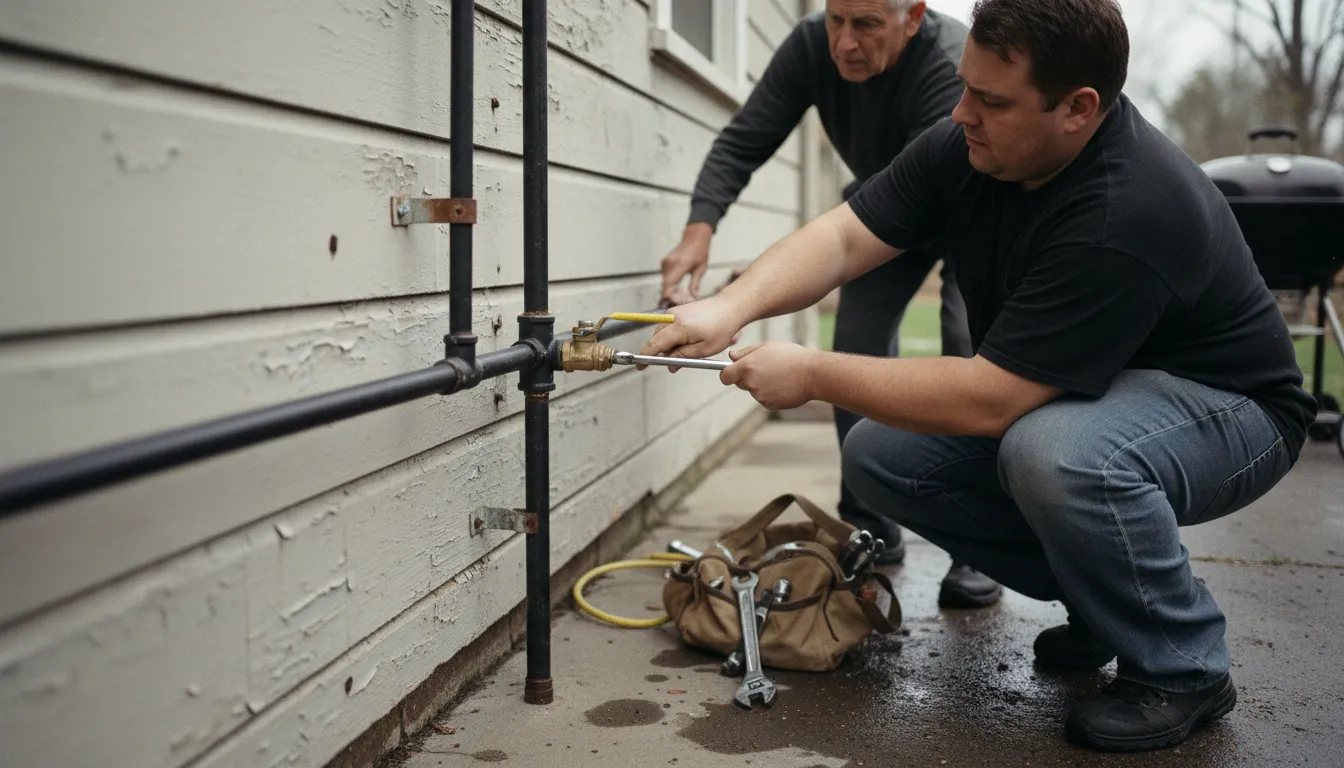
Find the Best Gas Line Plumbing Companies for Your Business
No obligation • Fast responses • Nationwide coverage

Why you can trust Search a Plumber
Search a Plumber is a leading United States resource for finding and evaluating professional plumbing services. Our team researches licensing, experience, and customer feedback to create unbiased, fact-driven overviews. Companies cannot pay to change ratings or placement, ensuring homeowners get trustworthy information.
Search providers near you
Top Gas Line Plumbing Companies in Gloucester, New Jersey Ranked
Installing or repairing a gas line is a critical home improvement project that directly impacts the safety and functionality of your home. Natural gas powers essential appliances like furnaces, water heaters, stoves, and fireplaces, but working with gas piping requires specialized expertise due to the inherent risks. For homeowners in Gloucester, navigating the local permit process and finding a qualified, licensed professional is the most important step. This guide provides essential information on the process, safety, regulations, and what to expect when you need gas line services in South Jersey.
Scarpignato Plumbing & Heating, LLC
507 Hastings Ave, Wallingford, PA 19086
Scarpignato Plumbing & Heating, LLC is a family-owned plumbing and heating company serving Philadelphia, PA, and nearby Delaware County communities since 2000. They offer a wide range of services including sewer camera inspections, water heater installation and repair, drain cleaning, hydro jetting, trenchless sewer repair, leak detection, repiping, gas line installation, and general plumbing maintenance. The company uses advanced equipment such as video camera inspection tools and trenchless pipe repair technology to handle complex plumbing issues efficiently. Owner Michael Scarpignato is a licensed master plumber with over 25 years of experience, ensuring expert service and multiple repair options tailored to customer needs. Emergency plumbing services are also available for urgent situations.
P&A Plumbing & Drain Cleaning
520 Bloomfield Ave, Drexel Hill, PA 19026
P&A Plumbing & Drain Cleaning is a family-owned plumbing company serving Philadelphia, PA, and surrounding counties including Delaware, Montgomery, and Chester. With over 20 years of experience, their licensed master plumbers provide a wide range of services for residential and commercial clients. They specialize in water heater installation and repair, drain cleaning, sewer line repair, gas line installation, and leak detection. The company uses advanced techniques such as hydro jetting for clearing drains and offers 24/7 emergency plumbing services to address urgent issues promptly.
Plumbing Problem Solvers
2352 W Thompson St Unit 1F, Philadelphia, PA 19121
Plumbing Problem Solvers is a locally rooted plumbing company serving homeowners and small businesses in Philadelphia, PA. They offer a wide range of plumbing services including sewer camera inspections, water heater repair and installation, water softener installation, drain cleaning, hydro jetting, sewer line repair, leak detection, gas line installation, and toilet repair. The company uses high-resolution camera inspections and state-of-the-art hydro jetting to diagnose and clear drain and sewer line issues effectively. Founded by John Pratt, who has deep family roots and extensive experience in plumbing, Plumbing Problem Solvers emphasizes dependable repairs, honest pricing, and clear communication.
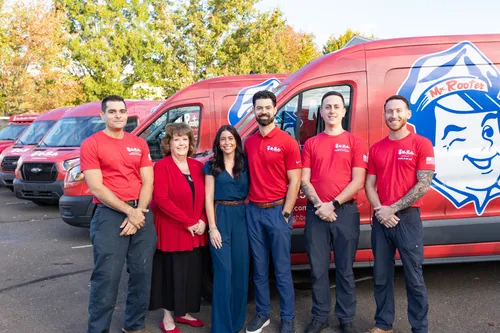
Mr. Rooter Plumbing of Glenside
114 Montgomery Ave, Oreland, PA 19075
Mr. Rooter Plumbing of Glenside provides plumbing services in Philadelphia, PA, including water heater repair and installation, drain cleaning, sewer line repair, leak detection, and gas line installation. They offer hydro jetting to clear tough drain blockages and maintain sewer lines. The company emphasizes clear pricing and workmanship backed by the Neighborly Done Right Promise®. Their licensed and insured plumbers serve residential needs with a focus on thorough inspections and customer communication.
IFixdit Plumbing & Drains
1755 N 13th St, Philadelphia, PA 19122
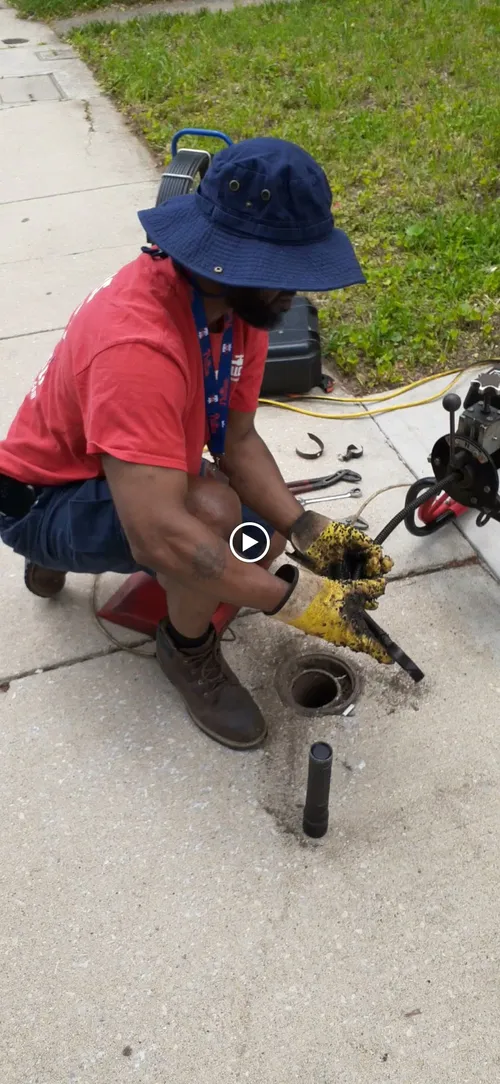
IFixdit Plumbing & Drains is a licensed and insured plumbing company serving Philadelphia, PA. They provide residential and commercial plumbing services including water heater repair and installation, drain cleaning, sewer line repair, leak detection, gas line installation, and toilet repair. The company emphasizes local experience and quality workmanship, with licensed master plumbers supervising all projects. IFixdit Plumbing & Drains uses top brand products and offers emergency services when needed.
Understanding Gas Line Services
Gas line work encompasses a range of services, from running a new line for a kitchen range to replacing an old, corroded pipe or repairing a leak in your system. Whether you're adding an appliance, renovating, or addressing a safety concern, this work involves the design, installation, testing, and connection of piping that carries natural gas from the utility meter to your appliances. Due to the flammable nature of the fuel, every aspect of gas piping-from material selection to final inspection-is governed by strict state and local building codes designed to prevent leaks and ensure safe operation for years to come.
The Gloucester & New Jersey Regulatory Landscape
Before any trench is dug or pipe is fitted, understanding the legal requirements is crucial. In New Jersey, all gas line installation, extension, or major repair work requires a permit under the NJ Uniform Construction Code. This is not a mere formality; it's a vital safety checkpoint.
- Permits: Your licensed plumber will typically handle the permit application, which involves submitting specific forms (like the F-100 or F-130) to the local Gloucester building department. The permit ensures your project plan complies with current safety codes.
- Inspections: A mandatory inspection by a municipal building official is required before the gas utility will activate or reconnect service. The inspector will verify the pipe material, joint integrity, pressure test results, and proper support. Passing this inspection is non-negotiable for a legal and safe installation.
- Who Can Do the Work: For safety and legal compliance, gas line work in New Jersey must be performed by a licensed plumber. The only exception is a homeowner performing work on their own single-family dwelling, though this is strongly discouraged given the extreme hazards involved 1 2.
The Step-by-Step Installation Process
A professional gas line project follows a meticulous sequence to ensure safety and code compliance from start to finish.
- Planning and "Call Before You Dig" (811): The first and most critical safety step is calling 811 at least three business days before any excavation. This free service dispatches utility companies to mark the location of all public underground lines (gas, water, electric) with flags or paint 3. It is a legal requirement and prevents catastrophic damage and injury. You or your contractor are responsible for marking any private lines, like sprinkler systems.
- Design and Material Selection: Your contractor will calculate the total BTU load of the appliances to be served to determine the correct pipe diameter. They will also plan the route and select approved materials: typically yellow polyethylene (PE) pipe for underground service lines and black iron or corrugated stainless steel tubing (CSST) for indoor runs.
- Excavation and Trenching: For new exterior lines, a trench is dug from the utility meter to the home's entry point. Depth requirements are strict to protect the pipe from damage and frost.
- Pipe Installation and Connection: The pipe is laid in the trench or mounted indoors, with all joints carefully made using appropriate techniques (heat fusion for PE, threaded, or flared fittings for metal pipe). It is then connected to the meter and the appliance shut-off valves.
- Pressure Testing: This is the most important quality control step. The entire new section of piping is sealed and pressurized with air or an inert gas to a level higher than normal operating pressure and monitored for any drop, which would indicate a leak. No project should proceed without a successful pressure test.
- Inspection and Backfill: After the pressure test passes, the municipal inspector is called to review the installation. Once approved, the trench can be backfilled and the system is ready for the utility company to activate the gas service 4.
Critical Safety Considerations
The risks associated with natural gas cannot be overstated. It is highly flammable, and leaks can lead to fire, explosion, or carbon monoxide poisoning.
- Professional Installation is Paramount: Always hire an insured, licensed plumber with specific experience in gas line work 5. Their expertise is your primary safety guarantee.
- Recognize a Gas Leak: Natural gas is odorless, but a sulfur-like "rotten egg" smell (mercaptan) is added as a warning. If you smell gas, hear a hissing sound, or see dead vegetation near a gas line, leave the area immediately and call your gas company or 911 from a safe distance 6.
- Ongoing Maintenance: Have your gas lines and appliances checked periodically as part of your home maintenance routine. Older pipes, especially, can be susceptible to corrosion.
Find the perfect gas line plumbing companies for your needs
Get personalized recommendations and expert advice
Cost Factors for Gas Line Projects in South Jersey
Costs can vary widely based on the project's scope and complexity. It's essential to get detailed, written estimates from several licensed professionals. Key factors influencing price include:
- Project Scope: A simple above-ground repair is far less expensive than running a new line 50 feet to an outdoor kitchen or pool heater.
- Length and Complexity: The primary cost driver is often the linear footage of new pipe needed. Prices for installation can range from $15 to $25 or more per linear foot, influenced by trenching difficulty, materials, and labor 7.
- Labor Rates: Plumber labor rates in the region typically range from $50 to $150+ per hour 8.
- Permit and Inspection Fees: These are separate line items that can add several hundred dollars to your total project cost.
- Repair vs. Installation: Repair costs are equally variable, ranging from $120 for a minor fitting fix to over $5,000 for a major leak that requires extensive excavation and pipe replacement 9.
The key takeaway is that while cost is a consideration, the quality of workmanship and adherence to safety codes are priceless when dealing with natural gas. Investing in a properly permitted and inspected job by a qualified Gloucester-area professional ensures peace of mind and long-term safety.
Choosing the Right Professional in Gloucester
Selecting your contractor is the most important decision you'll make. Look for a plumber who is:
- Licensed in New Jersey: Verify their license is current and in good standing.
- Insured: They should carry both liability and worker's compensation insurance.
- Experienced with Gas Lines: Ask specifically about their experience with projects similar to yours and their familiarity with Gloucester's inspection process.
- Transparent with Estimates and Permits: They should provide a detailed written estimate and clearly outline who will pull the required permits and schedule inspections. A reputable professional will welcome these questions and prioritize safety and code compliance above all else.
Frequently asked questions
Sources
Footnotes
-
New Jersey Plumbing Permit Guide - PermitFlow - https://www.permitflow.com/blog/plumbing-permit-nj ↩
-
Expert Gas Piping Installation & Repair in Landisville, NJ - https://eogservice.com/plumbing/gas-piping-service ↩
-
NJNG Construction on Your Street - https://www.njng.com/my-home/construction-street.aspx ↩
-
Essential Guide to Gas Line Installation: Tips and Safety Precautions - https://gaeberly.com/gas-line-installation/ ↩
-
Professional Gas Line Repair in New Jersey - https://www.brownshc.com/services/plumbing/gas-line-repair-and-installation/ ↩
-
Natural Gas Services South Jersey | HomeServe - https://www.homeservesj.com/plumbing/gas-lines/ ↩
-
How to Install Natural Gas Lines Safely and Correctly - https://bluegasexpress.com/how-to-install-natural-gas-lines/ ↩
-
Gas Line Installation Cost: 2023 Guide - Super Brothers - https://www.superbrothers.com/gas-line-installation-cost-2023-guide/ ↩
-
Gas Line Repair and Replacement Costs [2026 Data] | Angi - https://www.angi.com/articles/average-gas-line-repair-and-installation-costs.htm ↩