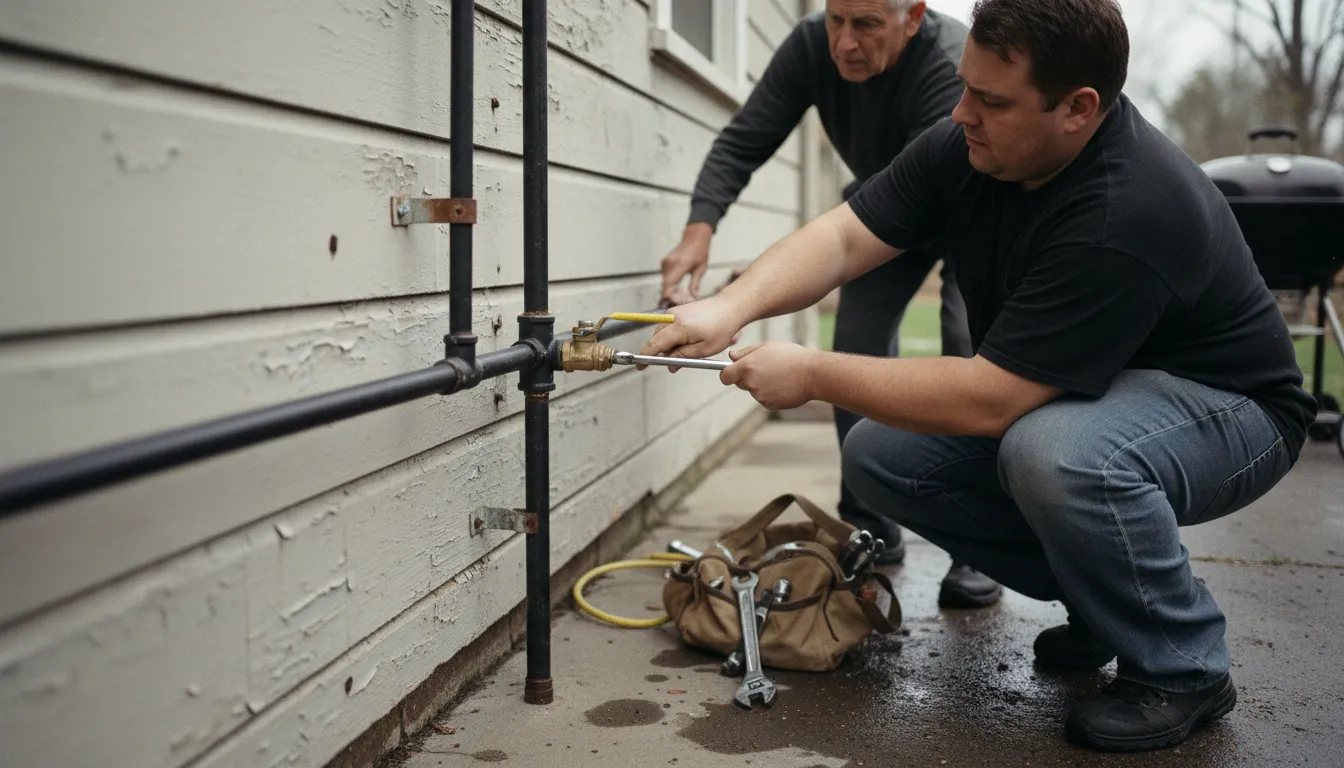
Find the Best Gas Line Plumbing Companies for Your Business
No obligation • Fast responses • Nationwide coverage

Why you can trust Search a Plumber
Search a Plumber is a leading United States resource for finding and evaluating professional plumbing services. Our team researches licensing, experience, and customer feedback to create unbiased, fact-driven overviews. Companies cannot pay to change ratings or placement, ensuring homeowners get trustworthy information.
Search providers near you
Top Gas Line Plumbing Companies in Bridgewater, New Jersey Ranked
Navigating gas line installation or repair is a critical task for any Bridgewater homeowner, requiring precision, safety, and strict adherence to local codes. Whether you're connecting a new gas stove, installing a fireplace, or addressing a leak, proper gas line work ensures the safe and efficient operation of your home's appliances. This guide will help you understand the local requirements, processes, and what to look for when seeking a qualified professional for your gas piping needs.
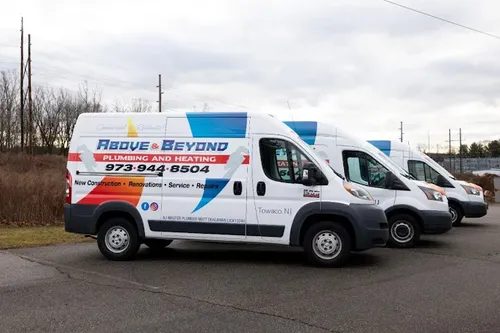
Above and Beyond Plumbing and Heating LLC
5 Van Winkle Rd, Pine Brook, NJ 07058
Above and Beyond Plumbing and Heating LLC is a plumbing and heating service provider based in New York, NY. They offer a wide range of services including water heater repair and installation, water softener installation, drain cleaning, sewer line repair, leak detection, repiping, gas line installation, toilet repair, and garbage disposal repair. The company is known for its 24-hour emergency plumbing services, ensuring help is available whenever needed. They also specialize in boiler installation and repair, and install water filtration and softening systems to improve water quality. With over a decade of experience, Above and Beyond Plumbing and Heating LLC serves New York and surrounding areas, providing tailored solutions to meet specific plumbing and heating needs.
Force Plumbing and Heating LLC
158 NJ-36, Hazlet, NJ 07730
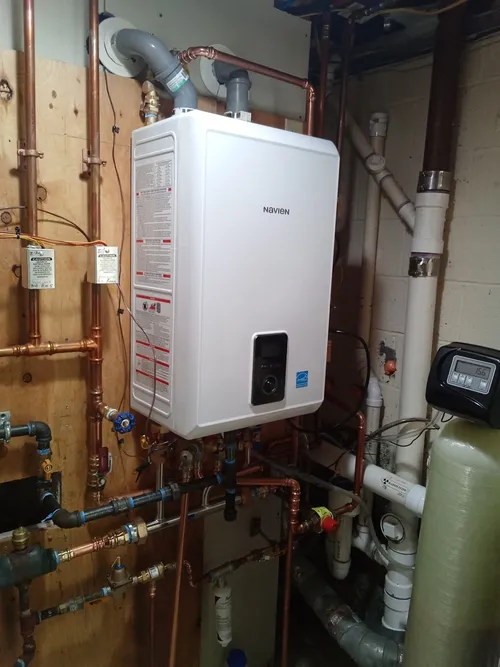
Force Plumbing and Heating LLC is a family-owned plumbing and heating contractor serving New York, NY, and surrounding areas. They offer a wide range of services including water heater repair and installation, drain cleaning, and gas line installation. The company is certified as Navien Service Specialists and partners with Moen to provide advanced Smart Water technology installations. They are fully licensed and qualified to handle gas line repair, replacement, and installation, ensuring safety and compliance with local regulations. Force Plumbing and Heating LLC also provides emergency after-hours repair services for urgent plumbing and heating issues.
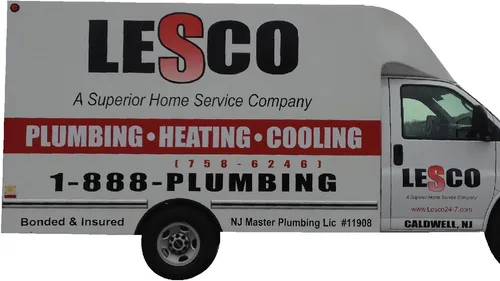
Lesco Plumbing, Heating & Cooling
Newark, NJ
Lesco Plumbing, Heating & Cooling is a plumbing and HVAC company based in Newark, NJ, serving Northern New Jersey including Morris, Essex, Passaic, and Union counties. They provide a range of services such as water heater repair and installation, drain cleaning, sewer line repair, leak detection, repiping, and gas line installation. Established in 2003, Lesco Plumbing, Heating & Cooling has over 20 years of experience in the industry. They also offer HVAC services including furnace and air conditioner repair and replacement.
C&F Plumbing
12 Baldwin Ln Suite 12B, Mountain Lakes, NJ 07046
C&F Plumbing offers a wide range of plumbing services in New York, NY, including sewer camera inspections, water heater installation and repair, drain cleaning with hydro jetting, leak detection, repiping, gas line installation, and toilet repair. They also provide water treatment solutions such as water softener installation and handle sewage pump and boiler services. The company uses advanced tools like drain cameras to diagnose issues accurately and offers comprehensive sewer line repairs and replacements. C&F Plumbing serves both residential and commercial clients and emphasizes expert service from certified contractors. Their service area includes multiple communities in New Jersey, reflecting a broad regional presence.
John Degrace Plumbing & Heating
267 River Rd, North Arlington, NJ 07031
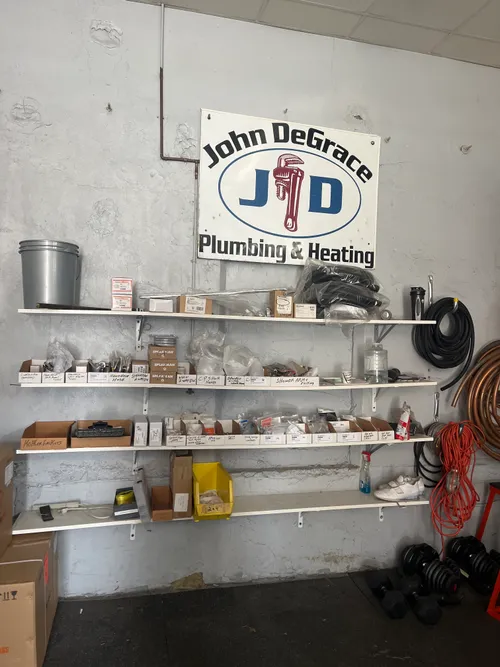
John Degrace Plumbing & Heating is a family-owned plumbing and heating service provider based in New York, NY, serving northern New Jersey. With over 25 years of experience, they offer a wide range of services including sewer camera inspections, water heater repair and installation, sump pump repair, drain cleaning, hydro jetting, sewer line repair, trenchless sewer repair, leak detection, repiping, and gas line installation. The company is known for its licensed and highly trained plumbers, a large parts warehouse, and a 24/7 availability for emergency plumbing and heating needs. Their capabilities include trenchless sewer repair and comprehensive boiler services, including oil to gas conversions.
Understanding Local Gas Line Requirements
In Bridgewater, all significant gas line work is regulated to ensure community safety. This includes installing new gas lines, extending existing ones, or altering piping to add appliances like furnaces, dryers, or outdoor grills. The Township mandates that such projects comply with the New Jersey Uniform Construction Code (UCC), which sets the standards for materials, installation methods, and safety testing.
The cornerstone of compliance is obtaining the proper permit. Most gas line projects require a construction permit from the Bridgewater Township Department of Code Enforcement. This process isn't just a formality; it involves a multi-departmental review by zoning, building, plumbing, and fire subcode officials to verify the planned work meets all safety and code requirements. This review can take up to 20 business days, so it's a key factor in your project timeline. Always confirm with your contractor that they are handling the permit application, as working without one can result in fines and complications when selling your home.
The Professional Installation Process
A proper gas line installation by a licensed professional follows a meticulous, safety-first sequence. It begins long before any pipe is laid, with a system design that calculates the correct pipe size (based on the BTU demand of your appliances) and maps the most efficient and code-compliant route from the meter to the appliance 1.
For indoor lines, the plumber will typically use rigid black iron pipe or flexible corrugated stainless steel tubing (CSST), which is often recognizable by its yellow plastic jacket. Every joint and fitting is meticulously assembled using pipe dope or approved tape to create a gas-tight seal. For outdoor buried lines, the process is more involved. A trench, usually 12 to 18 inches deep as per common NJ practice, must be excavated from the house to the connection point (e.g., for a gas grill or pool heater). This trenching adds significant labor and cost, especially if it must cross paved surfaces or established landscaping.
A non-negotiable step before the system is enclosed or the trench is backfilled is the pressure test. The sealed system is pressurized with air and monitored to ensure there is no drop, which would indicate a leak. This test is typically witnessed by a Township inspector. Only after passing inspection can the work be finalized and the gas utility, PSE&G, be contacted to establish or restore service.
Find the perfect gas line plumbing companies for your needs
Get personalized recommendations and expert advice
Key Safety Considerations for Homeowners
Gas line work is not a DIY project. The risks associated with improper installation-including gas leaks, fire, and explosion-are far too great. Your primary safety measure is hiring a licensed plumber who is experienced with New Jersey's specific gas codes and Bridgewater's local procedures.
Beyond hiring the right pro, be aware of these safety pillars:
- Material Quality: Only code-approved piping and fittings should be used. Substandard materials can corrode or fail.
- Leak Detection: In addition to the mandatory pressure test during installation, consider an annual safety check where a professional inspects connections and uses a gas leak detector.
- Shut-off Valves: Ensure every gas appliance has an accessible, individual shut-off valve. Know where your main gas shut-off valve is located.
- Post-Installation Vigilance: Be alert for the smell of rotten eggs (the odorant added to natural gas), hissing sounds near gas lines, or dead vegetation in a line over a buried pipe. If you suspect a leak, leave the area immediately and call 911 and PSE&G from a safe distance.
What to Expect: Pricing and Scope
Costs for gas line services in Bridgewater vary widely based on the project's complexity, length of pipe needed, and site accessibility. It's always wise to get detailed, written estimates from multiple licensed contractors.
- Simple Repairs or Appliance Hookups: For a straightforward task like replacing the flexible connector behind your kitchen stove or hooking up a new dryer, you might expect costs in the range of $120 to $250.
- Repairs to Hidden Lines: If a leak is detected within a wall, under a floor, or in a crawl space, accessing and repairing it increases the labor and cost, potentially ranging from $270 to $760.
- New Buried Gas Line Installation: This is the most significant investment. Running a new line to a fireplace, grill, or pool heater involves design, permits, trenching, piping, inspection, and restoration. Prices for this scope of work typically start around $1,500 and can easily exceed $5,000, depending on the distance and obstacles involved.
- Maintenance: An annual inspection and safety check of your gas appliances and lines is a prudent investment, often costing between $50 and $75 2.
Navigating Permits and Inspections in Bridgewater
Successfully managing the regulatory side is crucial for a smooth project. Your contractor should handle this, but understanding the steps empowers you as a homeowner.
- Pre-Application: Before applying, it's wise to contact PSE&G if you are adding a new or additional gas appliance to confirm service availability and requirements 3.
- Permit Application: Your contractor submits detailed plans and the permit application to the Bridgewater Code Enforcement Department. The review by various subcode officials ensures the plan meets all fire, building, and plumbing safety codes 4.
- Rough-In Inspection: Once the pipes are run and connected but before they are concealed behind walls or the trench is backfilled, the township inspector must visit to verify the installation matches the permitted plans and check the pressure test 5.
- Final Inspection: After the work is complete, appliances are connected, and any site restoration is done, a final inspection is often required to close out the permit.
Frequently asked questions
Sources
Footnotes
-
Gas Line Services in Bridgewater, NJ - https://www.copperheadplumbing.com/services/plumbing/gas-lines/ ↩
-
How Much Does It Cost to Install a Gas Line? [2025 Data] - https://www.homeadvisor.com/cost/plumbing/install-or-repair-gas-pipes/ ↩
-
New Jersey Plumbing Permit Guide - https://www.permitflow.com/blog/plumbing-permit-nj ↩
-
Department of Code Enforcement | Bridgewater Township - https://www.bridgewaternj.gov/department-of-code-enforcement/ ↩
-
Search results for "plumbing" - Bridgewater Township - http://bridgewaternj.gov/?s=plumbing ↩