Find the Best Gas Line Plumbing Companies for Your Business
No obligation • Fast responses • Nationwide coverage

Why you can trust Search a Plumber
Search a Plumber is a leading United States resource for finding and evaluating professional plumbing services. Our team researches licensing, experience, and customer feedback to create unbiased, fact-driven overviews. Companies cannot pay to change ratings or placement, ensuring homeowners get trustworthy information.
Search providers near you
Top Gas Line Plumbing Companies in Wake Forest, North Carolina Ranked
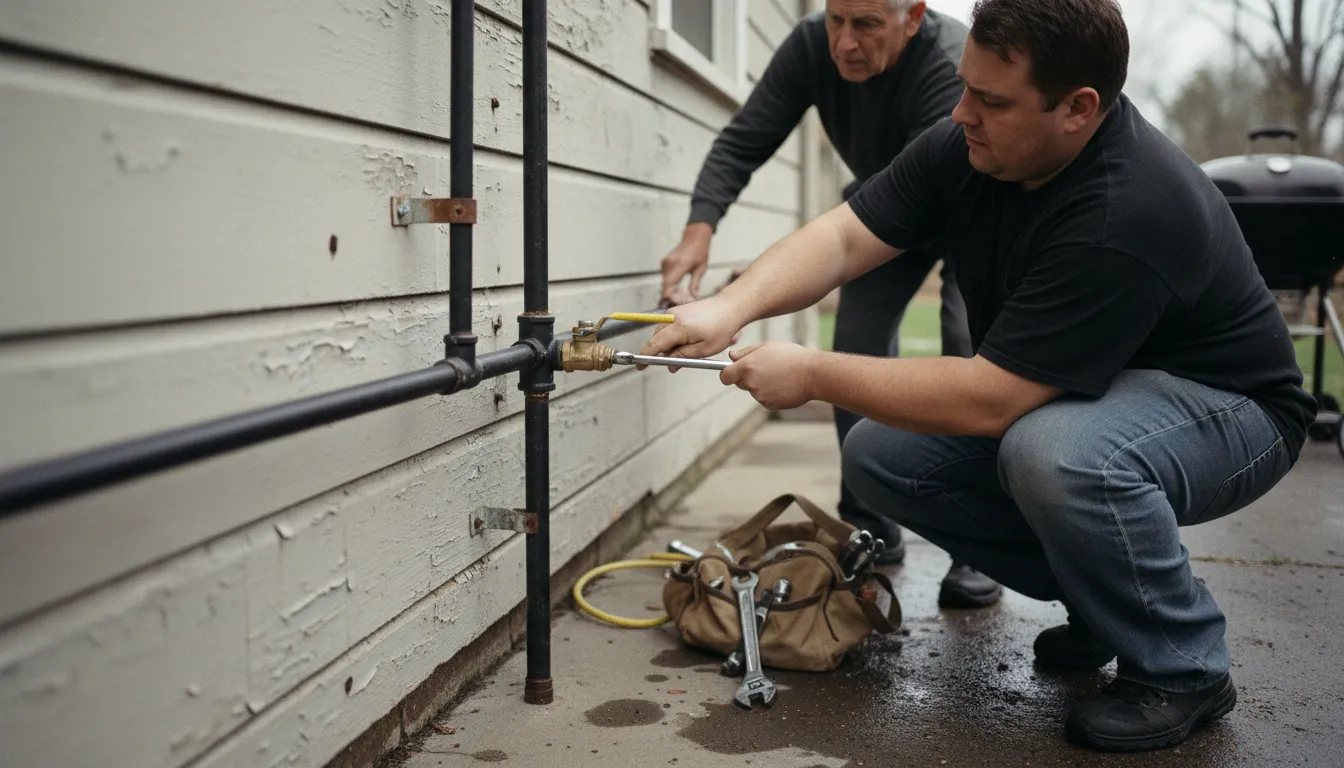
Installing or repairing a gas line is a critical home project that directly impacts the safety and functionality of your property. Whether you're adding a gas fireplace, connecting a new range, or fixing a leak, this work involves high-pressure fuel lines that must be handled with precision and strict adherence to codes. For homeowners in Wake Forest, navigating the local permit requirements and finding qualified, licensed professionals is essential. This guide provides a detailed overview of the process, costs, and regulations to help you plan your gas piping project confidently and safely.
Arcane Plumbing Solutions, LLC
Raleigh, NC
Arcane Plumbing Solutions, LLC is a plumbing contractor based in Apex, NC, serving the greater Raleigh area. With 30 years of experience, they offer a wide range of residential plumbing services including water heater repair and installation, tankless water heater services, repiping, leak detection, drain cleaning, gas line installation, and sewer camera inspections. Their certified technicians provide expert repairs and installations, specializing in Rinnai tankless water heaters and whole-home repiping to ensure durable plumbing systems. They also offer emergency services every weekend to address urgent plumbing needs promptly.
Harmon Plumbing
1408 Old Oxford Rd B, Durham, NC 27704
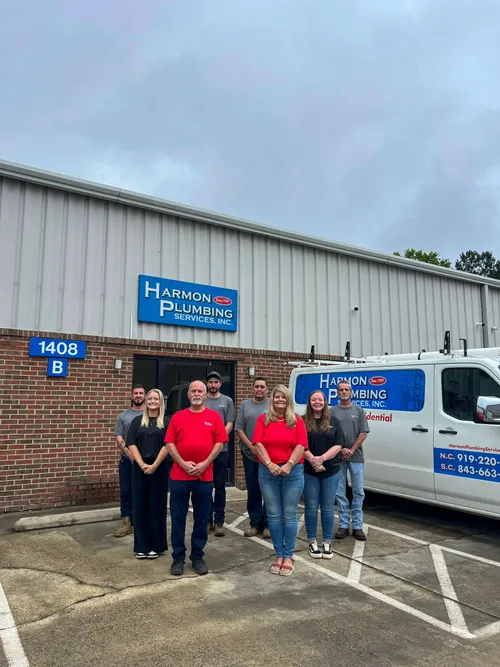
Harmon Plumbing is a family-owned plumbing company serving Durham, NC, and the greater Research Triangle area. Established in 1989, they offer a wide range of plumbing services including drain cleaning with camera inspections and hydro jetting, water heater installation and repair for traditional and tankless models, sewer line repair, leak detection, repiping, and gas line installation. They use modern technology to diagnose and resolve plumbing issues efficiently and provide 24/7 emergency services for gas leaks. With over 35 years of experience, Harmon Plumbing combines local knowledge with advanced solutions to meet residential and commercial plumbing needs.
Air Experts Heating & Cooling
7 Rupert Rd, Raleigh, NC 27603
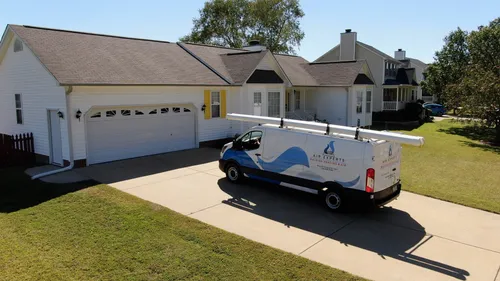
Air Experts Heating & Cooling is a licensed and insured HVAC and plumbing company serving Raleigh, NC. They provide a wide range of services including sewer camera inspections, water heater repair and installation, tankless water heater services, water softener installation, drain cleaning, leak detection, gas line installation, and toilet repair. With over 35 years of experience in the Triangle region, Air Experts offers comprehensive plumbing and HVAC solutions backed by their Super Seven Guarantee. They also provide 24/7 emergency service to address urgent needs promptly.
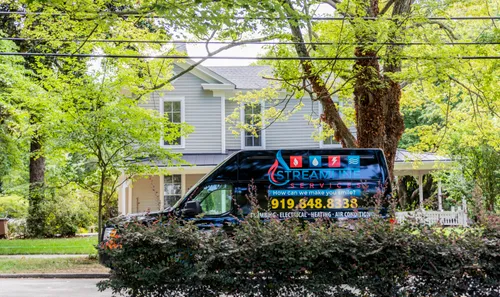
Streamline Services Plumbing, HVAC & Electrical
104 S Miami Blvd, Durham, NC 27703
Streamline Services Plumbing, HVAC & Electrical is a veteran-owned, fourth-generation plumbing company serving Raleigh, NC, and nearby communities including Durham, Chapel Hill, Cary, and Hillsborough. They offer a wide range of plumbing services such as water heater repair and installation, water softener and filtration system services, sump pump repair, leak detection, repiping, gas line installation, and fixture repairs. Their licensed plumbers handle both traditional and tankless water heaters and provide same-day service to address urgent plumbing needs. With deep family roots and a focus on integrity, Streamline Services combines experience with professional care to support residential plumbing systems across the region.
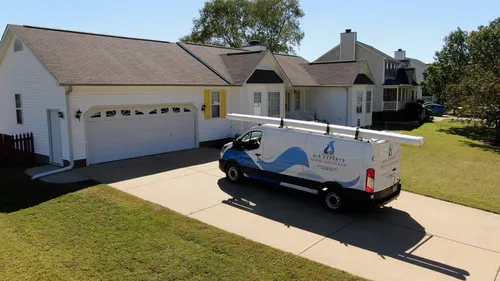
Air Experts Heating, Cooling and Plumbing
2730 Rowland Rd Suite 101, Raleigh, NC 27615
Air Experts Heating, Cooling and Plumbing is a licensed and insured provider serving Raleigh, NC, with over 35 years of experience. They offer a wide range of plumbing services including water heater repair and installation, tankless water heater services, water softener installation, drain cleaning, leak detection, gas line installation, and toilet repair. The company is known for its comprehensive HVAC and plumbing solutions, including advanced leak detection technology and water treatment systems. Air Experts also provides 24/7 emergency service to address urgent plumbing and HVAC needs.
Understanding Local Permit Requirements
In Wake Forest, nearly all gas line work requires a permit. This is not just bureaucratic red tape; it's a vital safety measure enforced by the Town of Wake Forest and Wake County to ensure installations meet the North Carolina Mechanical Code and other safety standards.
Key Permit Facts:
- Permit Type: You will typically need a Mechanical Permit for the installation, extension, or major repair of a gas line.
- Who Pulls the Permit: The licensed contractor performing the work is almost always responsible for obtaining the permit. This is a crucial point-a reputable professional will handle this process, as they must be licensed to do so.
- Required Documentation: Depending on the project's scope, you may need to submit approved site plans, truss layouts, or other documentation, especially for new construction or major additions 1.
- Inspections Are Mandatory: The permit process includes mandatory inspections. A rough-in inspection, which includes a pressure test of the lines before they are buried or enclosed, is standard. A final inspection is required after the line is connected to the appliance and before the gas service is restored.
Skipping the permit process can lead to unsafe conditions, fines, and significant problems when you try to sell your home. Always verify that your contractor is pulling the necessary permits from the Town of Wake Forest or Wake County Government.
The Step-by-Step Installation Process
A professional gas line installation follows a meticulous sequence to ensure safety and longevity. Understanding these steps can help you communicate effectively with your contractor.
- Planning and Design: This initial phase involves determining the new line's route from the meter or existing line to the appliance. A critical first step is calling 811 to have all public underground utilities marked, preventing dangerous and costly strikes during excavation.
- Permit Acquisition: Your licensed contractor will submit the application, plans, and fees to the local building department to obtain the Mechanical Permit 2.
- Trenching: For exterior lines, a trench is excavated to the depth required by code, which considers the local frost line and soil conditions. Proper trench sloping and bedding are essential for pipe protection.
- Pipe Installation: Approved piping material-such as black iron (steel) or Corrugated Stainless Steel Tubing (CSST)-is laid in the trench or run through interior spaces. It must be properly supported, and all fittings must be tightened to specification.
- Pressure Testing: Before the line is connected to the gas source, it is pressurized with air or nitrogen (not gas) and monitored for drops. This test, often witnessed by an inspector, confirms the integrity of all joints and connections.
- Backfilling and Final Connection: Once the pressure test passes inspection, the trench can be carefully backfilled. The contractor then makes the final connection to the appliance and the gas meter.
- Final Inspection: A town or county inspector performs a final review to ensure the complete installation complies with all codes before authorizing the gas utility to restore or activate service 3.
Critical Safety Standards and Codes
Gas line work is governed by a strict set of codes designed to prevent leaks, explosions, and carbon monoxide poisoning. In Wake Forest, installations must comply with:
- North Carolina Mechanical Code: This is the primary state code, particularly the sections covering Fuel Gas (H3 Class I).
- NFPA 54 (National Fuel Gas Code): This national standard is incorporated by reference and provides detailed requirements for materials, installation, and venting.
- Local Amendments: The Town of Wake Forest or Wake County may have additional local amendments or requirements 4 5.
Safety practices extend beyond the code book. Reputable professionals will use leak detection solutions (like soapy water) on every connection and recommend installing carbon monoxide and gas detectors in appropriate areas of the home.
Find the perfect gas line plumbing companies for your needs
Get personalized recommendations and expert advice
Material Choices: Black Iron vs. CSST
The two most common materials for residential gas lines in Wake Forest are black iron pipe and CSST. Each has its applications:
- Black Iron Pipe: This is traditional, thick-walled steel pipe. It is extremely durable and is often used for exposed runs (like in a basement or garage) and for the final connection to appliances. It requires more labor to install due to threading and fitting.
- Corrugated Stainless Steel Tubing (CSST): This is a flexible, yellow-jacketed tubing that can be snaked through walls and joists with far fewer fittings. It is generally faster and sometimes less expensive to install for long runs, but it must be properly bonded and grounded to prevent electrical damage that could lead to leaks.
Your licensed contractor will recommend the best material or combination of materials for your specific project based on code requirements, the installation path, and safety considerations.
Cost Considerations for Gas Line Projects
The cost of gas line installation and repair in Wake Forest can vary widely based on the project's complexity, length of the new line, materials used, and labor rates. It's important to budget for all components:
- Permit Fees: Wake County's fee schedule includes a base fee (around $75 for residential) plus additional costs, such as $0.25 per square foot for certain work, making permit costs a variable part of the budget 6.
- Materials: The cost of pipe, fittings, valves, and trenching supplies depends on the type and quantity needed.
- Labor: This is typically the largest variable. Licensed, insured professionals command rates that reflect their expertise and the risk involved in this specialized trade.
As a general range, based on local contractor estimates:
- Simple repairs or short appliance hookups might cost between $150 and $400+.
- Running a new line for a fireplace, grill, or generator can range from $500 to $2,000 or more, depending on the distance and obstacles involved 7 8.
The most reliable way to get an accurate estimate is to obtain detailed quotes from multiple licensed professionals serving Wake Forest. Resources like HomeAdvisor can help you find and vet local experts for this specific trade.
Choosing the Right Licensed Professional
This cannot be overstated: gas line work is not a DIY project. Hiring a properly licensed contractor is your single most important decision.
- Required License: In North Carolina, anyone performing gas piping work must hold a Fuel Piping License issued by the NC Department of Agriculture & Consumer Services 9.
- Insurance and Bonding: Verify that the contractor carries general liability insurance and workers' compensation to protect you and your property.
- Local Experience: A pro familiar with Wake Forest and Wake County inspectors will navigate the permit and inspection process smoothly, avoiding delays.
- Get Everything in Writing: A detailed contract should outline the scope of work, materials to be used, total cost, payment schedule, and timeline. It should also specify that the contractor will pull all required permits.
Frequently asked questions
Sources
Footnotes
-
How Many Inspections To Build A House? - CountyOffice.org - https://www.youtube.com/watch?v=1q7x8i0qsbE&t=5 ↩
-
Permits | Town of Wake Forest, NC - https://www.wakeforestnc.gov/inspections/permits ↩
-
Inspections | Town of Wake Forest, NC - https://www.wakeforestnc.gov/inspections ↩
-
Permits & Inspections - Wake County Government - https://www.wake.gov/departments-government/permits-inspections ↩
-
Commercial Permits & Inspections | Town of Wake Forest, NC - https://www.wakeforestnc.gov/inspections/commercial-permits-inspections ↩
-
Permits & Inspections Fee Schedule - Wake County Government - https://www.wake.gov/departments-government/permits-inspections/permits-inspections-fee-schedule ↩
-
Do I Need a Permit for Gas Line Work in North Carolina? - https://gasmastersnc.com/do-i-need-a-permit-for-gas-line-work-in-north-carolina/ ↩
-
Top-Rated Gas Pipings Experts in Wake Forest, NC | HomeAdvisor - https://www.homeadvisor.com/tloc/Wake-forest-NC/Gas-Piping/ ↩
-
Standards - Fuel Piping License - NC Department of Agriculture - https://www.ncagr.gov/divisions/standards/lp-gas/standards-fuel-piping-license ↩