Find the Best Gas Line Plumbing Companies for Your Business
No obligation • Fast responses • Nationwide coverage

Why you can trust Search a Plumber
Search a Plumber is a leading United States resource for finding and evaluating professional plumbing services. Our team researches licensing, experience, and customer feedback to create unbiased, fact-driven overviews. Companies cannot pay to change ratings or placement, ensuring homeowners get trustworthy information.
Search providers near you
Top Gas Line Plumbing Companies in Kannapolis, North Carolina Ranked
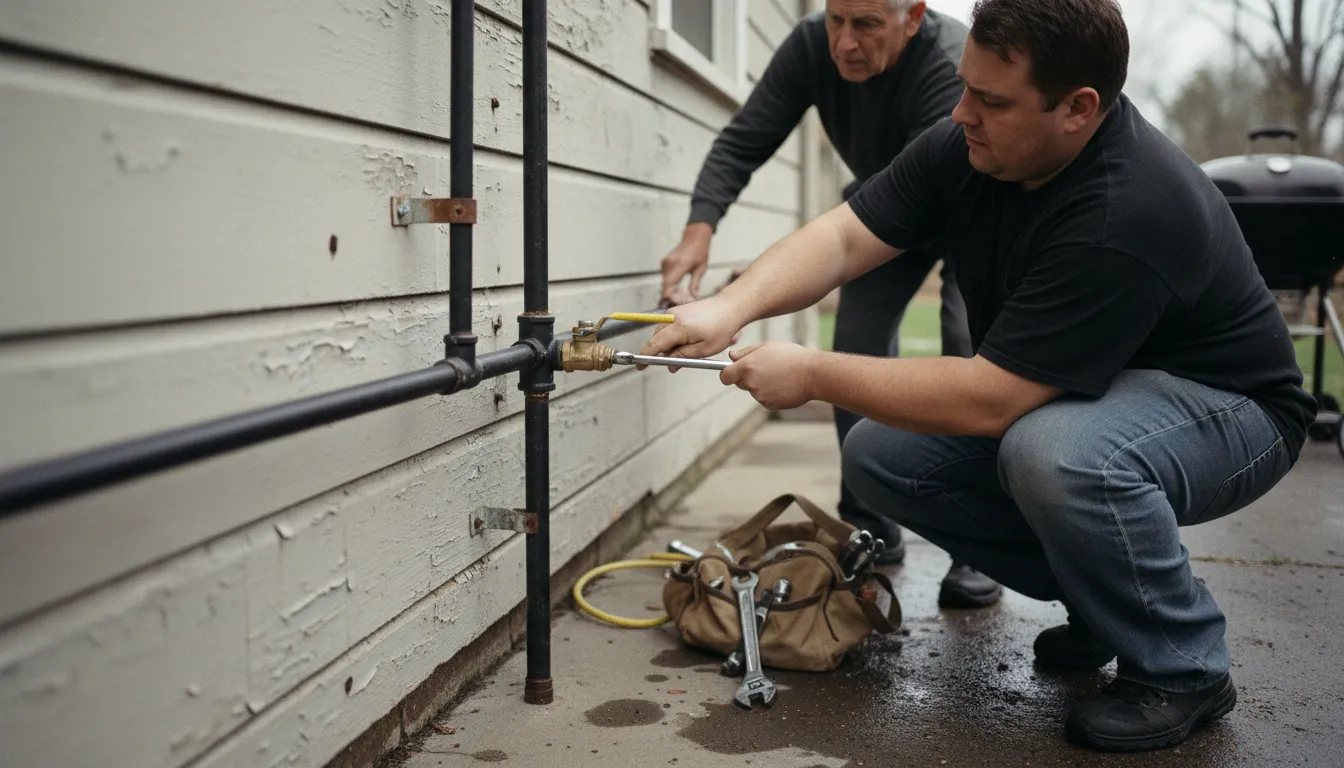
Installing or repairing a gas line is a critical home improvement project that directly impacts the safety and functionality of your property. Whether you're adding a gas fireplace, a new range, or an outdoor kitchen, or addressing a leak, proper gas line work requires specialized knowledge of materials, local building codes, and safe installation practices. This resource is designed to help Kannapolis homeowners understand the process, requirements, and key considerations for finding qualified professionals to handle this essential and hazardous work.
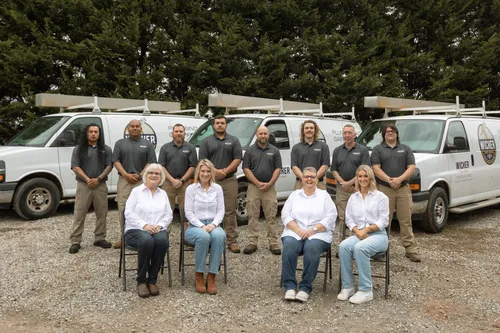
Wicker Trade Service Inc - Plumbing & Gas Piping
Charlotte, NC
Wicker Trade Service Inc - Plumbing & Gas Piping is a plumbing and gas piping company serving Charlotte, NC. Established in 2010, they offer a wide range of services including water heater installation and repair, tankless water heater installation, sewer line repair, gas line installation and repair, drain cleaning, hydro jetting, leak detection, repiping, and garbage disposal repair. Their certified technicians provide comprehensive plumbing and gas piping solutions for both residential and commercial clients. The company emphasizes safety and quality, particularly in their gas line services, and offers emergency plumbing repairs with 24/7 availability to address urgent issues promptly.
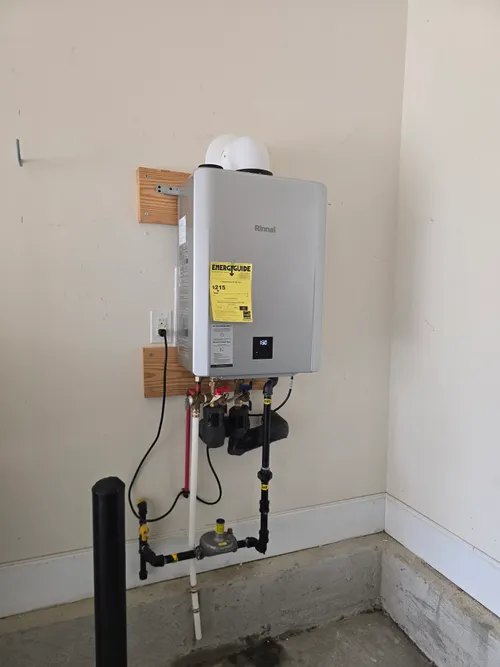
LG Plumbing & Drain Services LLC
Charlotte, NC
LG Plumbing & Drain Services LLC is a plumbing company based in Charlotte, NC, offering a wide range of plumbing and drain services. Their work includes leak detection, water heater repair and installation, drain cleaning, sewer line repair, sump pump services, gas line installation, and whole-house repiping. They use video pipe inspection as a key capability to diagnose plumbing issues. The company provides same-day service to address urgent plumbing needs.
Panic Plumbing
Charlotte, NC
Panic Plumbing is a locally owned and licensed plumbing company serving Charlotte, NC, and surrounding areas. They provide a wide range of residential and commercial plumbing services including drain cleaning, water heater installation and repair, sewer line and trenchless sewer repair, leak detection, gas line installation, and hydro jetting. With over 40 years of experience, Panic Plumbing offers comprehensive diagnostics and repairs, utilizing advanced equipment to ensure accurate problem identification and resolution. The company emphasizes thorough workmanship and safety in all projects.
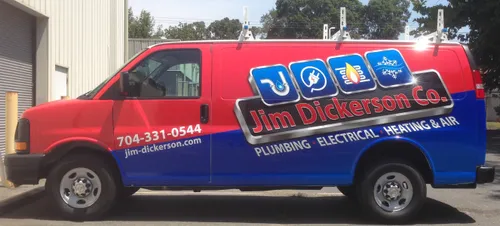
Jim Dickerson Plumbing, Electrical, Heating & Air
7832 Pence Rd, Charlotte, NC 28215
Jim Dickerson Plumbing, Electrical, Heating & Air has been serving Charlotte, NC, and nearby areas since 1977. They provide a wide range of home services including plumbing, electrical, heating, and air conditioning. Their plumbing services cover water heater repair and installation, including tankless models, drain cleaning, hydro jetting, sewer line repair, leak detection, repiping, and gas line installation. The company offers same-day service and has grown from a small operation to a large fleet of fully stocked trucks, emphasizing customer comfort and care.
Roto-Rooter Plumbing & Water Cleanup
363 Church St N Ste 260-I, Concord, NC 28025
Roto-Rooter Plumbing & Water Cleanup provides comprehensive plumbing services in Charlotte, NC, including residential and commercial plumbing, sewer line repair, drain cleaning, water heater installation and repair, and water softener services. The company is equipped to handle complex plumbing systems and offers specialized capabilities such as trenchless sewer repair and hydro jetting. With a strong local presence, Roto-Rooter understands the unique plumbing challenges in the area and offers 24/7 emergency plumbing services to address urgent issues promptly. Their team uses advanced equipment and techniques to ensure effective solutions for both routine maintenance and emergency repairs.
Understanding Gas Line Work in Kannapolis
Natural gas and propane are efficient fuels for heating, cooking, and other appliances, but the piping systems that deliver them must be installed with precision. In Kannapolis, all significant gas line installation or major repair work falls under the North Carolina Mechanical Code (specifically H3 Class I for fuel gas piping). This isn't just a recommendation-it's a legal requirement designed to prevent gas leaks, fires, and explosions. The work involves planning the pipe route, selecting approved materials like black iron or Corrugated Stainless Steel Tubing (CSST), and connecting everything to your gas meter and appliances safely.
The complexity of fuel gas piping means it is never a do-it-yourself project. State law requires that this work be performed by a licensed professional who holds the proper credentials, such as a Fuel Piping License from the NC Department of Agriculture or appropriate plumbing and mechanical licenses. These experts ensure the system is correctly sized for your appliance's BTU demands, uses the right fittings, and maintains proper clearances from electrical lines and other utilities.
The Critical Role of Permits and Inspections
One of the most important steps in any gas line project in Kannapolis is securing the proper permit from the City of Kannapolis Building Department. Your licensed contractor will handle this process, submitting detailed plans for approval 1. The permit fee typically ranges from $100 to $300 and is a non-negotiable part of a legal and safe installation.
The inspection that follows completion is equally vital. A city inspector will examine the work to verify compliance with all codes. This inspection focuses on several key safety checks:
- Pressure Testing: The entire new section of pipe is pressurized and monitored to ensure it holds without any drops, confirming there are no leaks.
- Leak Checks: All connections, valves, and fittings are tested with a gas leak detector solution or electronic sniffer.
- Material and Installation: The inspector verifies that approved pipe materials were used and that they are properly supported and protected.
- Clearances: The installation is checked for proper distances from ignition sources, electrical panels, and building openings.
Passing this final inspection is your official assurance that the work is safe. Never let a contractor suggest skipping the permit or inspection process; it is mandatory for new installations and major repairs and is your primary protection against substandard work.
The Step-by-Step Installation Process
A professional gas line installation follows a structured sequence to ensure safety and reliability from start to finish.
- Planning and Design: The contractor will assess your needs, calculate the total BTU load of the new appliances, and map the most efficient and code-compliant route from the gas meter to the appliance location.
- Permitting: As mentioned, the contractor files the application and plans with the local building department and waits for approval before any work begins.
- Excavation or Boring: This is how a path is created for the new pipe. Trenching involves digging an open trench, which costs between $5 and $15 per foot but is disruptive to landscaping. For running lines under driveways, sidewalks, or established gardens, Horizontal Directional Drilling (HDD) is used. This "trenchless" method costs $10 to $30 per foot but minimizes surface damage.
- Pipe Installation: The approved pipe (black iron for durability or flexible CSST for easier runs in tight spaces) is laid in the trench or pulled through the borehole.
- Connection and Testing: The pipe is connected to the meter and the new appliance shut-off valve. The system is then pressurized for a rigorous leak test, often left under test for a period specified by the inspector.
- Inspection: The city inspector performs the final review of the installed system.
- Restoration: Once approved, the trench is backfilled, and the contractor repairs any disturbed landscaping, concrete, or other surfaces. Be aware that landscape restoration can add significantly to the project cost, ranging from a few hundred dollars for simple sod replacement to $10,000 or more for complex hardscaping.
Key Safety and Hiring Considerations
Your priority must be safety. If you smell gas (a rotten egg odor) or hear a hissing sound near a gas line, leave the area immediately and call your gas utility company or 911 from a safe distance. Do not attempt to locate the leak yourself.
When hiring a professional, follow these essential guidelines:
- Verify Licensing: Always hire a contractor who is specifically licensed for fuel gas piping work in North Carolina. Ask to see their license and confirm it's in good standing 2 3.
- Check for Insurance: Ensure the company carries both liability insurance and workers' compensation to protect you and your property.
- Get Detailed Estimates: A reputable pro will provide a written estimate that breaks down costs for labor, materials, permits, and restoration. Be wary of vague or unusually low quotes.
- Understand Code Compliance: A qualified installer will be fluent in the NC Mechanical Code and local Kannapolis amendments. Their expertise in code adherence is what you are paying for 4.
Find the perfect gas line plumbing companies for your needs
Get personalized recommendations and expert advice
Understanding Project Costs
The total cost of a gas line project in Kannapolis depends on many variables, including length, complexity, and soil conditions. Here's a breakdown of common cost components based on current industry data:
- Line Installation (by foot): This is the core cost. Simple trenching runs $5-$15 per foot, while trenchless HDD boring costs $10-$30 per foot 5.
- Repair Costs: Fixing or replacing an existing line averages $15-$25 per foot, including materials and labor.
- Permit Fees: Budget between $100 and $300 for the required city permit.
- Appliance Hookup: Connecting the line to a specific appliance (like a range or dryer) typically adds a separate labor fee.
- Landscape Restoration: This is a highly variable cost. Factor in at least $300-$1,000 for basic lawn repair, but much more for replacing patios, decks, or irrigation systems 6.
- New Gas Meter: If you're extending gas service to a new location on your property, the utility may install a new meter. If there's a charge, it can range from $300 to $600 7.
Materials Used in Modern Gas Lines
Professionals typically use one of two primary materials for residential gas lines:
- Black Iron Pipe: The traditional choice, known for its durability and strength. It requires more labor to install due to its rigidity and need for threaded connections at every joint.
- Corrugated Stainless Steel Tubing (CSST): A flexible, yellow-jacketed tubing that has become very popular. It is easier and faster to install through walls and floor joists, often reducing labor time. It must be properly bonded and grounded to prevent electrical arcing risks 8.
Your contractor will recommend the best material based on your project's specific route, local code preferences, and the appliances being served.
Frequently asked questions
Sources
Footnotes
-
Do I Need a Permit for Gas Line Work in North Carolina? - https://gasmastersnc.com/do-i-need-a-permit-for-gas-line-work-in-north-carolina/ ↩
-
New Gas Line Installation Cost: Natural Gas Piping Supplies & ... - https://www.superbrothers.com/new-gas-line-installation-cost-natural-gas-piping-supplies-custom-piping/ ↩
-
Standards - Fuel Piping License - NC Department of Agriculture - https://www.ncagr.gov/divisions/standards/lp-gas/standards-fuel-piping-license ↩
-
Essential Guide to Gas Line Installation: Tips and Safety ... - https://gaeberly.com/gas-line-installation/ ↩
-
How Much Does It Cost to Install a Gas Line? [2025 Data] - https://www.homeadvisor.com/cost/plumbing/install-or-repair-gas-pipes/ ↩
-
Gas Line Repair and Replacement Costs [2026 Data] | Angi - https://www.angi.com/articles/average-gas-line-repair-and-installation-costs.htm ↩
-
How Much Does Gas Line Installation Cost? (2026) - https://homeguide.com/costs/gas-line-installation-cost ↩
-
How to Install Natural Gas Lines Safely and Correctly - https://bluegasexpress.com/how-to-install-natural-gas-lines/ ↩