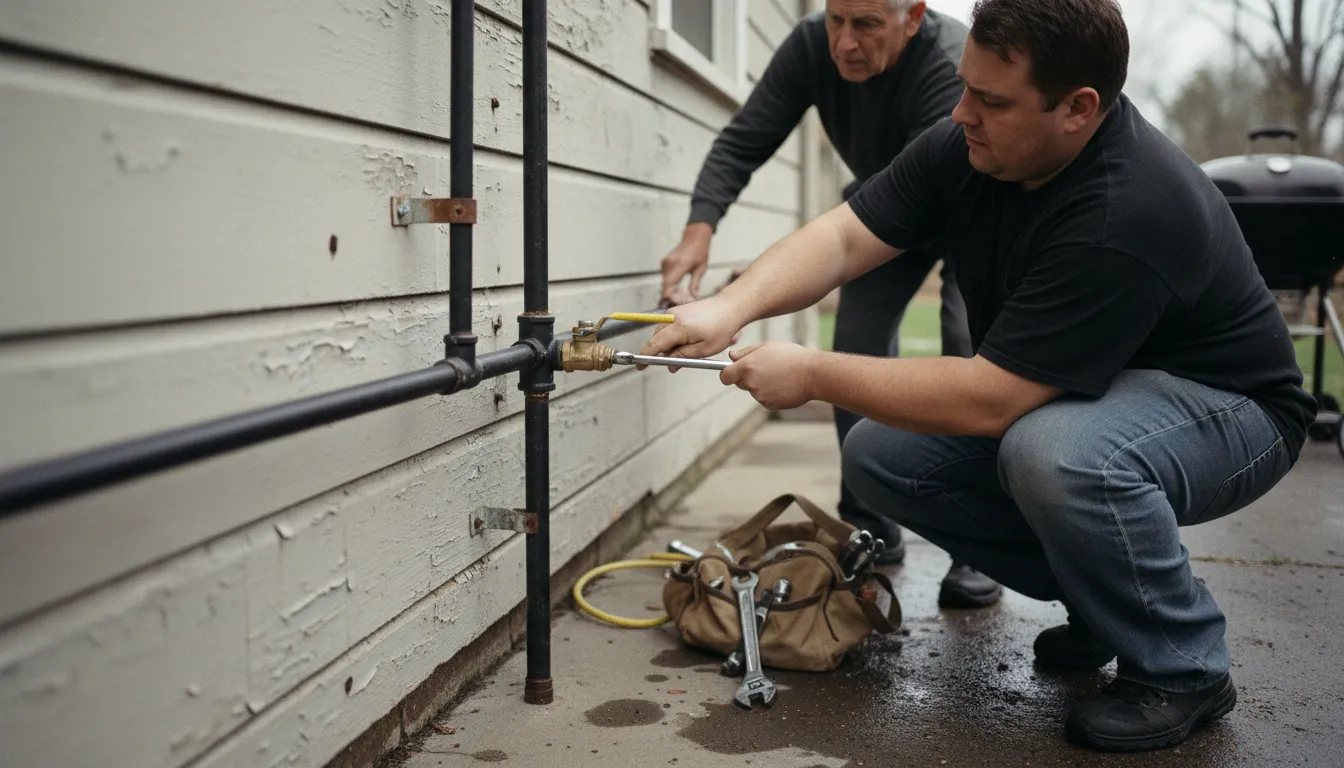
Find the Best Gas Line Plumbing Companies for Your Business
No obligation • Fast responses • Nationwide coverage

Why you can trust Search a Plumber
Search a Plumber is a leading United States resource for finding and evaluating professional plumbing services. Our team researches licensing, experience, and customer feedback to create unbiased, fact-driven overviews. Companies cannot pay to change ratings or placement, ensuring homeowners get trustworthy information.
Search providers near you
Top Gas Line Plumbing Companies in Gastonia, North Carolina Ranked
Installing or repairing a gas line is a critical home project that directly impacts your safety and comfort. Whether you're adding a gas stove, fireplace, or water heater, proper fuel piping ensures efficient, reliable service. In Gastonia, this work is regulated by local codes and requires a licensed professional. This guide explains the process, local requirements, and key considerations to help you plan your project and connect with qualified experts in the area.
Clavey Plumbing & Drains, LLC
Charlotte, NC
Clavey Plumbing & Drains, LLC is a family-owned plumbing company serving Charlotte, NC, and nearby areas including Waxhaw, Gastonia, and Indian Trail. They provide residential and commercial plumbing services such as water heater repair and installation, water softener installation, drain cleaning, sewer line repair, and gas line installation. With over 20 years of experience, the company uses advanced equipment to handle a variety of plumbing needs and ensures systems remain functional and efficient.
Wicker Trade Service Inc - Plumbing & Gas Piping
Charlotte, NC
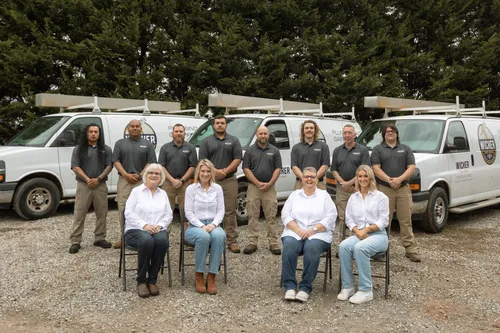
Wicker Trade Service Inc - Plumbing & Gas Piping is a plumbing and gas piping company serving Charlotte, NC. Established in 2010, they offer a wide range of services including water heater installation and repair, tankless water heater installation, sewer line repair, gas line installation and repair, drain cleaning, hydro jetting, leak detection, repiping, and garbage disposal repair. Their certified technicians provide comprehensive plumbing and gas piping solutions for both residential and commercial clients. The company emphasizes safety and quality, particularly in their gas line services, and offers emergency plumbing repairs with 24/7 availability to address urgent issues promptly.
Winn's Plumbing
3540 Toringdon Way Suite 200, Charlotte, NC 28277
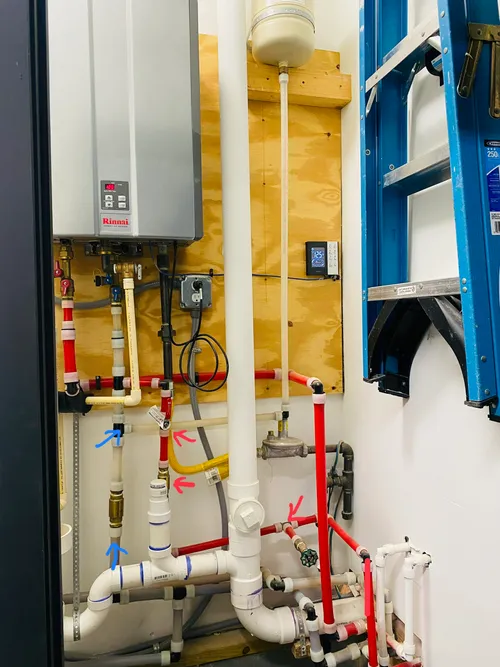
Winn's Plumbing is a family-owned plumbing company serving Charlotte, NC, and surrounding areas. With over 20 years of experience, they provide a range of services including water heater repair and installation, tankless water heaters, gas line installation, and drain cleaning. Their team is known for local expertise and attention to detail, ensuring proper diagnosis and solutions for plumbing issues before they escalate.
Full Spectrum Plumbing Services
150 B W Thomas Dr, Fort Mill, SC 29708
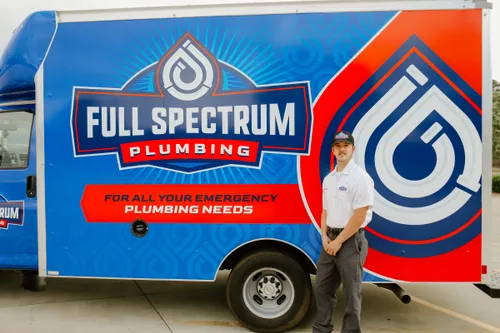
Full Spectrum Plumbing Services is a licensed plumbing contractor based in Fort Mill, SC, serving the local community and surrounding areas including Tega Cay, Indian Land, Riverview, and Baxter Village. With over 20 years of experience, they provide a wide range of plumbing services such as sewer line repair, tankless water heater installation, leak detection, repiping, and trenchless water line installation. Their team uses advanced equipment for tasks like camera inspections and hydro jetting to address drain and sewer issues efficiently. They also offer emergency plumbing and gas line services with same-day response available.
LG Plumbing & Drain Services LLC
Charlotte, NC
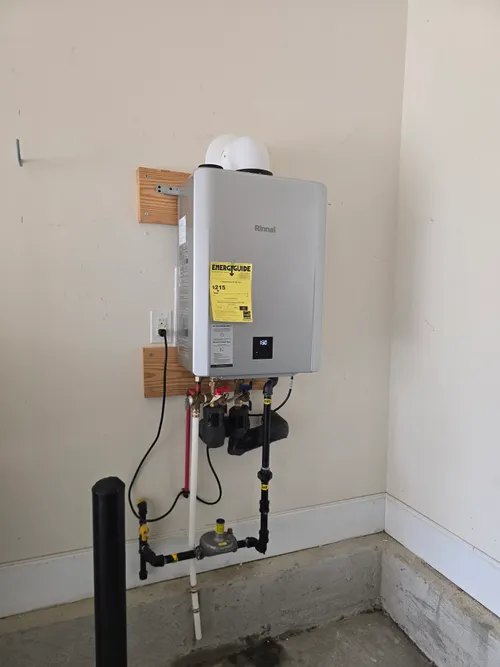
LG Plumbing & Drain Services LLC is a plumbing company based in Charlotte, NC, offering a wide range of plumbing and drain services. Their work includes leak detection, water heater repair and installation, drain cleaning, sewer line repair, sump pump services, gas line installation, and whole-house repiping. They use video pipe inspection as a key capability to diagnose plumbing issues. The company provides same-day service to address urgent plumbing needs.
Understanding Gas Line Work in Gastonia
Natural gas and propane systems provide energy for heating, cooking, and drying. Any new installation, extension, or repair to the gas piping network in your home is a specialized task. In North Carolina, state law requires this work to be performed by a contractor holding a specific Fuel Piping license from the NC Department of Agriculture. This ensures the technician has the training to handle combustible gas safely. Locally, the City of Gastonia also requires permits and inspections for most gas line projects to verify compliance with the state fuel gas code and local amendments.
The Gastonia Permit and Inspection Process
Before any work begins, your licensed professional will typically handle the permitting process. It's a crucial step for safety and legality.
- When is a Permit Required? Permits are generally required for installing new gas lines, relocating existing pipes, or making significant alterations to your fuel gas system. Simple appliance replacements using existing connections may not need one, but your contractor can confirm.
- How to Apply: Permits are obtained through the City of Gastonia's Building Inspections department. Applications and fee schedules are available on the city's website.
- Permit Fees: The city charges fees for permits, which often include a minimum cost. These fees help cover the cost of the mandatory review and inspection process 1.
- The Final Inspection: After the gas line installation or repair is complete, but before the system is activated, a city inspector must visit your property. They will check the work for proper materials, secure connections, correct pipe sizing, and overall code compliance 2. Passing this inspection is mandatory for your gas to be turned on or for the work to be considered complete.
Step-by-Step: A Professional Gas Line Installation
A proper gas line installation follows a meticulous sequence to ensure long-term safety and performance.
- Design and Planning: A licensed technician will assess your needs, calculate the total BTU demand of the new and existing appliances, and determine the correct pipe size and route. They will also call 811 to have underground utilities marked before any digging occurs.
- Securing Permits: As outlined above, your pro will pull the necessary local permits before breaking ground.
- Trenching (for underground runs): If the new line needs to run underground to a detached garage, outdoor kitchen, or pool heater, a trench must be dug. Trenching costs can range from $4 to $12 per linear foot, depending on soil conditions and depth requirements 3.
- Piping Installation: The contractor will install approved piping material, such as black iron pipe or flexible Corrugated Stainless Steel Tubing (CSST), following precise codes for support and protection.
- Connection and Testing: The new line is connected to the main gas supply meter and the appliance. A critical pressure test is then performed to check for any leaks before the system is approved for use.
- City Inspection: The work is reviewed by the Gastonia city inspector.
- Restoration: Once approved, the trench is backfilled, and any disturbed landscaping or hardscaping is restored.
Critical Safety Considerations for Homeowners
Gas line work is not a DIY project. The risks of explosion, fire, and carbon monoxide poisoning are too great.
- Always Hire Licensed Professionals: Verify your contractor holds an active NC Fuel Piping license. This is your primary assurance of their competency 4.
- Gas Shut-Off: The main gas supply to the house must be turned off before work commences.
- Mandatory Leak Testing: A professional pressure test is non-negotiable. It confirms the integrity of all new connections and the existing system 5.
- Carbon Monoxide Detectors: Install UL-listed CO detectors on every level of your home, especially near sleeping areas and gas appliances, as a final safety backup.
- Call Before You Dig: Always call 811 a few days before any planned excavation to have underground utility lines marked for free. This prevents dangerous and costly strikes 6.
Find the perfect gas line plumbing companies for your needs
Get personalized recommendations and expert advice
Understanding Costs for Gas Piping Projects
Costs in Gastonia vary significantly based on project complexity, materials, and the amount of labor required. The figures below are general estimates to help you budget.
- New Gas Line (Per Foot): Installing a new line often averages around $20 per linear foot for the piping and labor, not including trenching or wall/floor openings 7.
- Moving an Existing Line: Relocating a gas line can cost between $15 and $25 per foot, as it involves both disconnection and new installation 8.
- Appliance Hookups: Running a new line for a gas stove, dryer, or water heater typically starts around $600 or more for a standard 20-30 foot run 9.
- Buried Line Repair: Repairing or replacing a leaking underground line is a major project involving excavation. Costs typically range from $1,500 to over $5,000.
- Professional Inspection: Having your gas lines and appliances checked annually by a pro costs about $150 on average and is a wise investment in preventive safety 10.
Choosing the Right Materials
Your contractor will select the appropriate piping material based on the application. Traditional black iron pipe is durable and commonly used for exposed runs in basements or to appliances. CSST (the flexible yellow tubing) is often used for longer runs through walls and attics as it requires fewer fittings and can be easier to install in tight spaces 11 12. All materials must be approved for fuel gas use by relevant codes.
When to Consider Gas Line Repair or Replacement
Be alert to signs that your gas piping may need professional attention. A persistent smell of gas (like rotten eggs) is an emergency-leave the house immediately and call your gas company from a safe distance. Other reasons to call a pro include:
- Planning a kitchen remodel that involves moving your range.
- Adding a new gas fireplace, fire pit, or outdoor kitchen.
- Upgrading an electric water heater or dryer to a gas model.
- Noticing hissing sounds near gas pipes or appliances.
- Scheduling routine, periodic safety checks of your system.
For any gas line project in Gastonia, your first call should be to a licensed, local professional who understands the specific requirements of the City of Gastonia's Building Inspections department 13.
Frequently asked questions
Sources
Footnotes
-
ARTICLE IV. | Code of Ordinances | Gastonia, NC - Municode Library - https://library.municode.com/NC/Gastonia/codes/code_of_ordinances?nodeId=PTIICOOR_CH16MIHOSTBURE_ARTIVPLMESY_S16-102PLPEFE ↩
-
Do I Need a Permit for Gas Line Work in North Carolina? - https://gasmastersnc.com/do-i-need-a-permit-for-gas-line-work-in-north-carolina/ ↩
-
How Much Does Gas Line Installation Cost? - Bob Vila - https://www.bobvila.com/articles/gas-line-installation-cost/ ↩
-
Standards - Fuel Piping License - NC Department of Agriculture - https://www.ncagr.gov/divisions/standards/lp-gas/standards-fuel-piping-license ↩
-
How to Install a Gas Line: Safety Tips and Best Practices? - https://www.tnstandard.com/gas-line-installation-safety-tips-and-best-practices/ ↩
-
Natural Gas Line Installation: A Step-by-Step Guide - https://www.superbrothers.com/natural-gas-line-installation-a-step-by-step-guide/ ↩
-
How Much Do Gas Line Installation or Repairs Cost? [2026 ... - https://www.angi.com/articles/what-average-cost-85-run-natural-gas-line.htm ↩
-
How Much Does It Cost to Move a Gas Line? | Angi - https://www.angi.com/articles/how-much-should-it-cost-move-gas-line.htm ↩
-
How Much Does It Cost to Install a Gas Line? [2025 Data] - https://www.homeadvisor.com/cost/plumbing/install-or-repair-gas-pipes/ ↩
-
Gas Line Repair and Replacement Costs [2026 Data] | Angi - https://www.angi.com/articles/average-gas-line-repair-and-installation-costs.htm ↩
-
Essential Guide to Gas Line Installation: Tips and Safety ... - https://gaeberly.com/gas-line-installation/ ↩
-
New Gas Line Installation Cost: Natural Gas Piping Supplies & ... - https://www.superbrothers.com/new-gas-line-installation-cost-natural-gas-piping-supplies-custom-piping/ ↩
-
Permit Applications & Fees - https://www.cityofgastonia.com/permits-fees2 ↩