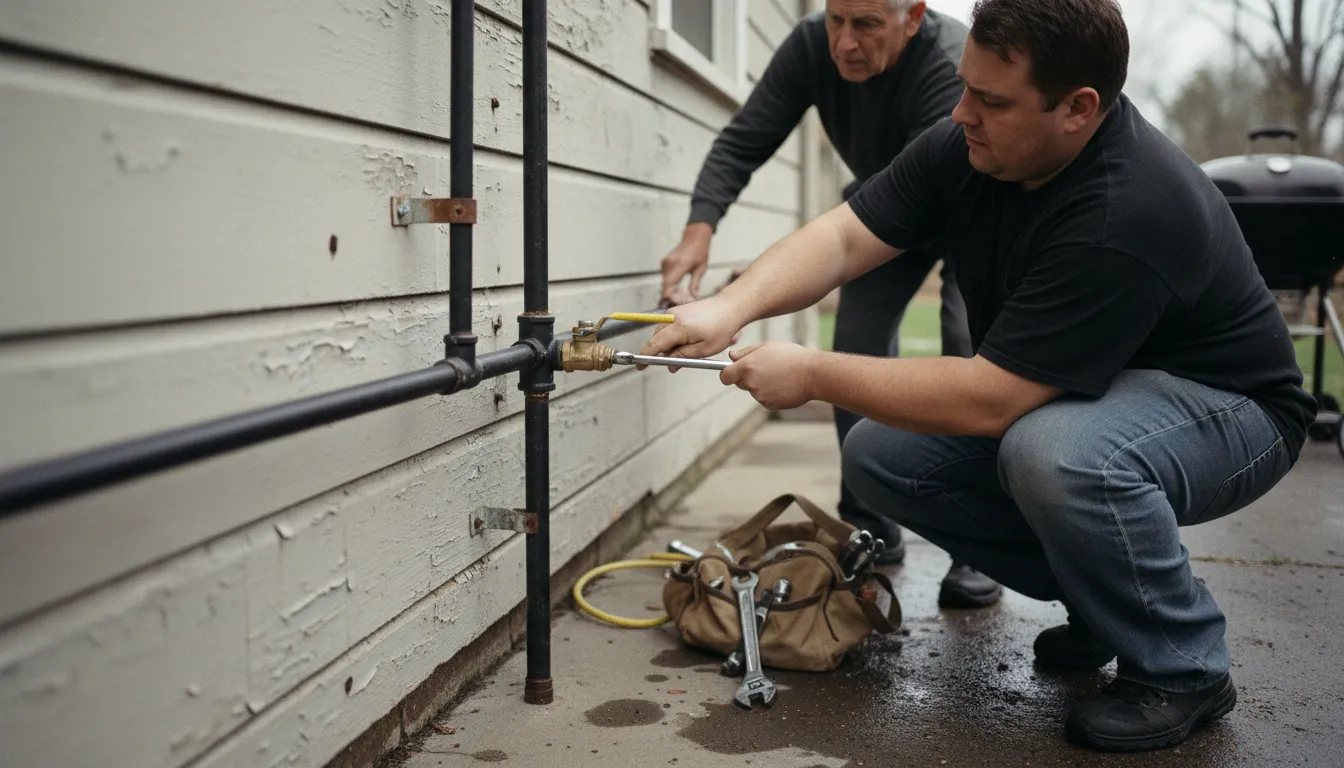
Find the Best Gas Line Plumbing Companies for Your Business
No obligation • Fast responses • Nationwide coverage
Why you can trust Search a Plumber
Search a Plumber is a leading United States resource for finding and evaluating professional plumbing services. Our team researches licensing, experience, and customer feedback to create unbiased, fact-driven overviews. Companies cannot pay to change ratings or placement, ensuring homeowners get trustworthy information.
Search providers near you
Top Gas Line Plumbing Companies in Burlington, North Carolina Ranked
Installing or repairing a gas line is a critical home improvement project that directly impacts the safety and functionality of your property. Whether you're adding a gas stove, fireplace, or outdoor kitchen, proper gas line work ensures reliable fuel delivery and protects your household from potential hazards. In Burlington, this process involves specific local permits, state-licensed professionals, and strict adherence to safety codes. This guide will help you understand the steps, regulations, and key considerations for finding qualified local experts to handle your gas piping needs.
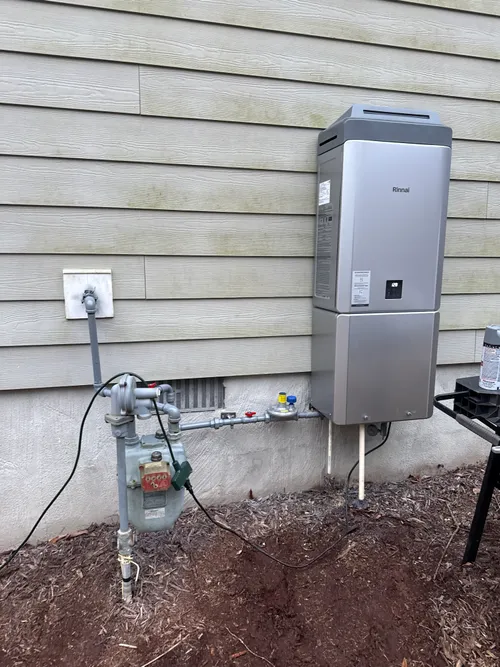
Thor's Plumbing Solutions
1223 Byrdsville Rd, Hillsborough, NC 27278
Thor's Plumbing Solutions is a locally and family-owned plumbing company serving Durham, NC, and nearby areas. With over 20 years of experience, they offer a wide range of plumbing services including sewer camera inspections, water heater repairs and installations, drain cleaning, leak detection, repiping, and gas line installations. The company uses advanced diagnostic tools to identify issues such as sewer line problems and provides tailored solutions for both residential and commercial properties. They also provide 24/7 emergency services to address plumbing needs at any time.
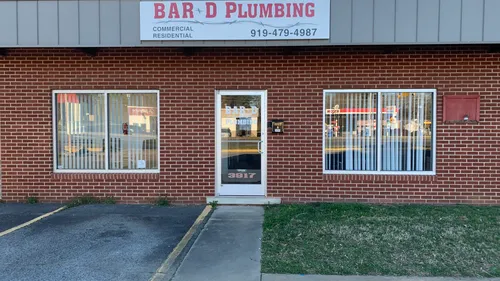
Bar D Plumbing
3917 N Duke St, Durham, NC 27704
Bar D Plumbing is a plumbing service provider based in Durham, NC. They offer a wide range of services including water heater repair and installation, tankless water heater service, water softener installation, sewer line repair, leak detection, and gas line installation. Their technicians handle both repairs and replacements, including sewer line blockages and various types of water heaters. They also provide water treatment solutions to address hard water issues. Bar D Plumbing emphasizes maintenance to help reduce future plumbing problems and advises customers on the best options for their plumbing systems.
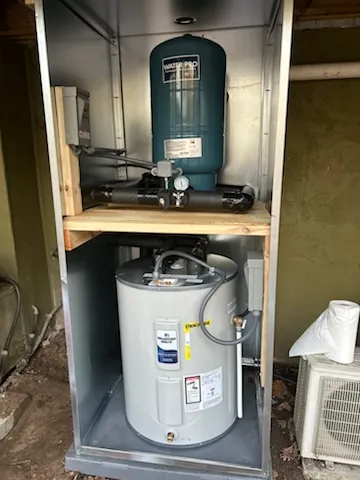
Full Stack Plumbing and Well - Pittsboro
5520 US Hwy 15 501 N, Pittsboro, NC 27312
Full Stack Plumbing and Well - Pittsboro offers plumbing services in Durham, NC, specializing in water heater repair, tankless water heater installation, leak detection, and gas line installation. The company provides clear communication with customers, including images and videos of repairs, and handles a range of plumbing needs from faucet replacements to well pump services. Their team is experienced with tankless water heater systems and gas leak repairs, ensuring thorough and careful work. Full Stack Plumbing and Well is known for maintaining professionalism and cleanliness during service visits.
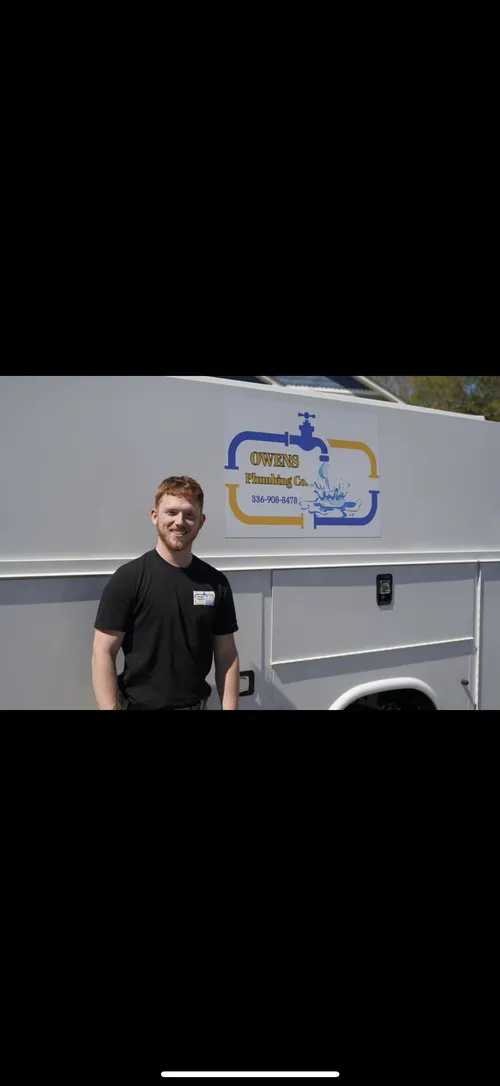
Owens Plumbing Company LLC
1418 Whilden Pl, Greensboro, NC 27408
Owens Plumbing Company LLC serves Greensboro, NC, providing a wide range of plumbing services for both residential and commercial clients. Their expertise includes water heater installation and repair, drain cleaning, sewer line repair, leak detection, repiping, gas line installation, and toilet repair. They handle various water heater types such as gas, electric, hybrid, and tankless models, and offer comprehensive drain cleaning services that address issues from kitchen grease to tree root blockages. Owens Plumbing Company LLC also manages water and gas line repairs and replacements, including main sewer and water lines, as well as fixture and faucet installations and repairs. They support commercial properties with plumbing maintenance and emergency services to keep businesses operational.
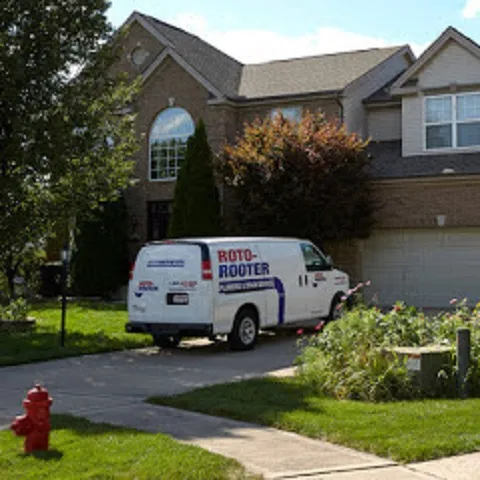
Roto-Rooter Plumbing & Water Cleanup
4 NE Court Square Unit E, Graham, NC 27253
Roto-Rooter Plumbing & Water Cleanup provides comprehensive plumbing services in Greensboro, NC, including sewer and drain cleaning, water heater repair and installation, leak detection, and trenchless sewer repair. They serve both residential and commercial clients, addressing issues from routine maintenance to emergency plumbing needs. The company uses advanced tools like video camera inspections and hydro jetting to diagnose and resolve problems efficiently. Roto-Rooter offers 24/7 emergency plumbing services to handle urgent situations any time of day or night.
Understanding Local Regulations and Permits
Before any trench is dug or pipe is laid, navigating Burlington's regulatory landscape is the first and most crucial step. All gas line installation and repair work within the city requires proper permitting and must be performed by a licensed professional.
City of Burlington Permits: Any work involving gas piping that occurs in the public right-of-way or connects to new infrastructure requires a permit from the City of Burlington's Engineering Department, located at 425 S. Lexington Ave 1. Your contractor will typically handle this process, submitting detailed plans for review. Permit fees can range from $100 to over $300, depending on the scope and complexity of the project 2.
State Licensing Requirements: In North Carolina, anyone performing gas line work must hold a Fuel Piping License issued by the State Board of Examiners of Plumbing, Heating, and Fire Sprinkler Contractors 3. This license is separate from a standard plumbing license and is specifically designed to ensure contractors have the expertise to work safely with fuel gases. Always verify that any professional you hire holds this current state credential.
Required Inspections: After the gas piping is installed but before it is covered or put into service, the work must be inspected by the city for code compliance. This inspection includes pressure testing the entire system to check for leaks and verifying that the installation meets all safety standards outlined in the North Carolina Mechanical Code. Passing this final inspection is mandatory for your system to be approved for use.
The Step-by-Step Process for Gas Piping Projects
A successful gas line project follows a logical sequence from planning to final approval. Understanding this process helps homeowners know what to expect and ensures the job is done correctly and safely.
- Planning and Assessment: A licensed professional will first assess your needs. This includes calculating the total BTU (British Thermal Unit) demand of all appliances to be connected, mapping the optimal pipe run from the gas meter to the appliance, and identifying the type and size of pipe required.
- Obtaining Permits: Your contractor will prepare and submit the necessary plans to the City of Burlington to secure the required permits before any work begins.
- Call Before You Dig: This is a non-negotiable safety step. Your contractor (or you) must call 811 at least a few days before excavation. This free service marks the location of all underground public utility lines to prevent accidental strikes, which can be dangerous and costly 4.
- Excavation and Trenching: If a new line is being run, trenches will need to be dug to bury the pipe at the proper depth. This phase can disturb landscaping, driveways, or patios.
- Piping Installation: The approved pipe material-often yellow polyethylene for underground lines or coated steel/copper for certain applications-is laid in the trench, connected, and run to the appliance location 5.
- Connection and Pressure Testing: The new line is connected to the main gas supply. The entire system is then pressurized with air or an inert gas and monitored for a set period to detect any leaks before the line is buried.
- Final Inspection and Backfill: Once the system passes the pressure test, a city inspector will visit to approve the work. Only after this approval can the trenches be backfilled and the site restored 6.
Key Safety Considerations for Fuel Gas Lines
Working with natural gas or propane requires unwavering attention to safety. Cutting corners can lead to gas leaks, fire hazards, or health risks.
- Always Hire a Licensed Professional: Gas line work is not a DIY project. The risks of improper installation are too high. A licensed fuel piping contractor has the training to ensure the system is sized correctly, installed to code, and safe for operation.
- Mandatory Leak Testing: A proper pressure test is the only way to confirm the integrity of the entire system before it is concealed. This test is required by code and is a fundamental part of the inspection process.
- Use of Approved Materials: Only pipe and fitting materials approved for fuel gas service may be used. Using the wrong type of pipe (like black iron pipe where coated steel is required, or using materials meant for water) can lead to premature corrosion and failure.
- Protect Existing Landscaping and Structures: A reputable contractor will discuss the excavation plan with you and take steps to minimize damage to your yard, sidewalks, or driveway. Remember, repair costs for these items are often separate from the gas line work itself 7.
Find the perfect gas line plumbing companies for your needs
Get personalized recommendations and expert advice
Cost Factors for Gas Line Installation and Repair
The cost of gas piping services in Burlington varies significantly based on the project's scope. Here's a breakdown of common factors that influence the final price.
- Project Scope and Pipe Length: The primary cost driver is the linear footage of new pipe needed. On average, you can expect to pay between $15 and $25 per linear foot for labor and materials for a basic installation. A longer run from the street to your house will cost more than a short extension inside your garage for a heater.
- Complexity of Installation: Simple, accessible runs in open basements or crawl spaces cost less. Projects requiring extensive trenching through hard clay, under driveways, or around complex landscaping will increase labor and equipment costs.
- Type of Work: Installation vs. Repair: Installing a brand-new gas line from the street can range from $2,000 to $10,000 or more, depending on distance and obstacles 8. Repairing a small leak on an accessible line might cost $120 to $250, but if the leak requires excavation or opening walls, the repair cost can escalate quickly to several thousand dollars 9.
- Permit and Restoration Costs: Don't forget to factor in the permit fees (noted above) and the cost to restore your property. Repairing a concrete driveway, repaving an asphalt section, or re-sodding a lawn can add anywhere from $300 to over $10,000 to your project total 10 11.
Choosing the Right Professional in Burlington
Selecting a qualified contractor is the most important decision you'll make. Look for a professional who specializes in fuel gas work and can provide clear documentation.
- Verify State Licensing: Ask for their NC Fuel Piping License number and confirm it is active. This is your assurance of minimum competency.
- Check Insurance and Bonding: Ensure the contractor carries both liability insurance and workers' compensation to protect you and your property.
- Get Detailed Estimates: Obtain written estimates from at least three contractors. The estimate should detail the scope of work, materials to be used, permit responsibilities, timeline, and a complete breakdown of costs.
- Ask About the Process: A knowledgeable contractor will easily explain the steps, including calling 811, pulling permits, scheduling inspections, and their method for pressure testing.
- Review Local References: Ask for references from recent gas line projects in the Burlington area and follow up with them to ask about their experience.
Frequently asked questions
Sources
Footnotes
-
Permits & Fees | Burlington, NC - Official Website - https://www.burlingtonnc.gov/172/Permits-Fees ↩
-
Do I Need a Permit for Gas Line Work in North Carolina? - https://gasmastersnc.com/do-i-need-a-permit-for-gas-line-work-in-north-carolina/ ↩
-
Standards - Fuel Piping License - NC Department of Agriculture - https://www.ncagr.gov/divisions/standards/lp-gas/standards-fuel-piping-license ↩
-
Protecting Pipelines - https://pipelineawareness.org/safety-information/protecting-pipelines/ ↩
-
Essential Guide to Gas Line Installation: Tips and Safety ... - https://gaeberly.com/gas-line-installation/ ↩
-
Inspections & Permits | Burlington, NC - Official Website - https://www.burlingtonnc.gov/2248/Inspections-Permits ↩
-
Gas Line Installation Cost: 2023 Guide - Super Brothers - https://www.superbrothers.com/gas-line-installation-cost-2023-guide/ ↩
-
How Much Does Gas Line Installation Cost? (2026) - HomeGuide - https://homeguide.com/costs/gas-line-installation-cost ↩
-
How Much Do Gas Line Installation or Repairs Cost? [2026 Data] - https://www.angi.com/articles/what-average-cost-85-run-natural-gas-line.htm ↩
-
How Much Does It Cost to Install a Gas Line? [2025 Data] - https://www.homeadvisor.com/cost/plumbing/install-or-repair-gas-pipes/ ↩
-
Gas Line Repair and Replacement Costs [2026 Data] | Angi - https://www.angi.com/articles/average-gas-line-repair-and-installation-costs.htm ↩