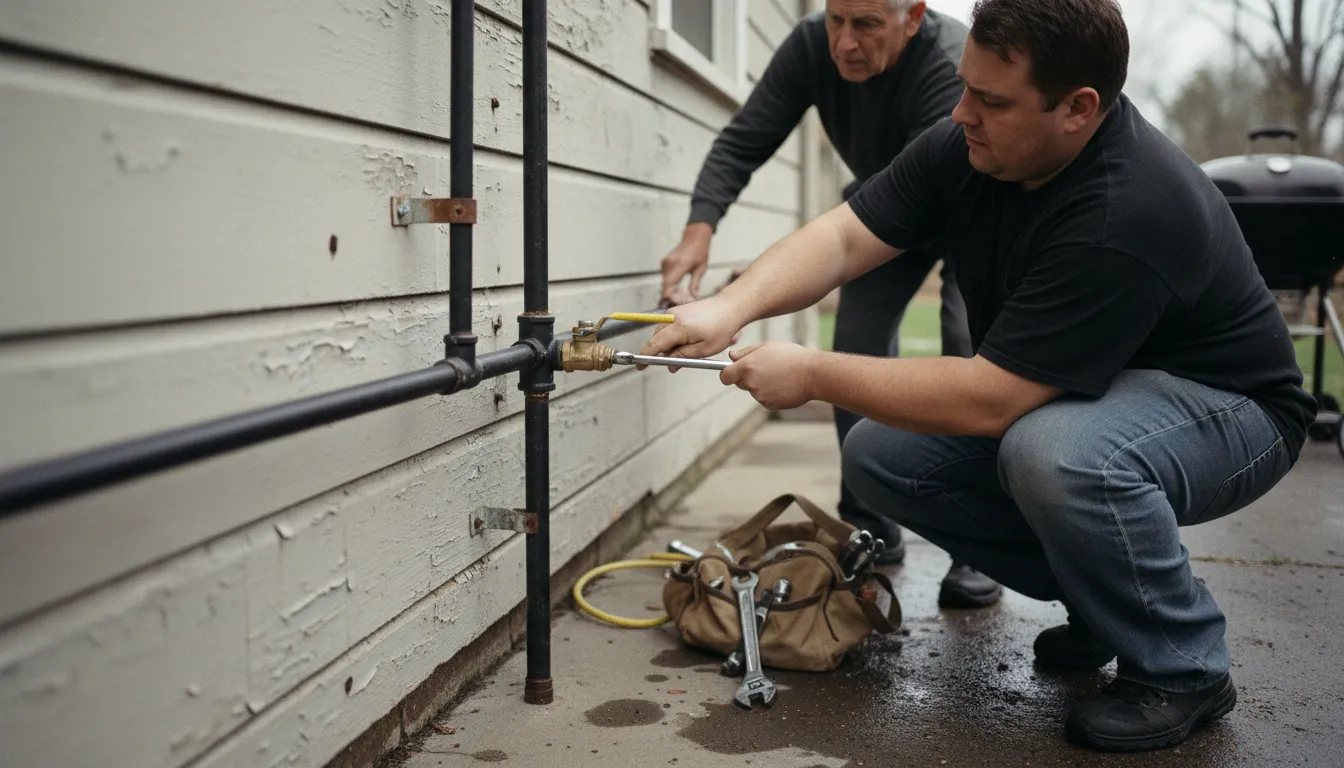
Find the Best Gas Line Plumbing Companies for Your Business
No obligation • Fast responses • Nationwide coverage

Why you can trust Search a Plumber
Search a Plumber is a leading United States resource for finding and evaluating professional plumbing services. Our team researches licensing, experience, and customer feedback to create unbiased, fact-driven overviews. Companies cannot pay to change ratings or placement, ensuring homeowners get trustworthy information.
Search providers near you
Top Gas Line Plumbing Companies in Noblesville, Indiana Ranked
Installing or repairing a gas line is a critical project that directly impacts the safety and functionality of your home. Whether you're adding a gas fireplace, a new stove, or an outdoor kitchen, proper gas piping work requires specialized knowledge of local codes, precise installation techniques, and rigorous safety testing. This guide provides essential information for Noblesville homeowners to understand the process, key considerations, and how to connect with qualified local professionals for your gas system needs.
Roto-Rooter Plumbing & Water Cleanup
18 E Main St Ste 230, Greenfield, IN 46140
Roto-Rooter Plumbing & Water Cleanup provides a wide range of plumbing services in Indianapolis, IN, including sewer and drain cleaning, water heater repair and installation, sump pump services, and leak detection. They specialize in both residential and commercial plumbing, offering advanced solutions such as hydro jetting and trenchless sewer repair to address complex plumbing issues. Established in 1935, Roto-Rooter has a long history of innovation and expertise in plumbing, and they offer 24/7 emergency services to handle urgent plumbing problems at any time.

Home Heroes Plumbing Heating & Air
7768 Kane Ct, Fishers, IN 46038
Home Heroes Plumbing Heating & Air is a locally owned plumbing, heating, and air conditioning service provider based in Fishers, Indiana. Serving Indianapolis, IN, and surrounding areas, they offer a range of services including water heater repair and installation, tankless water heater services, water softener installation, sump pump repair, drain cleaning, leak detection, gas line installation, and toilet repair. The company specializes in handling plumbing emergencies during business hours and provides expert solutions such as Rheem water heater installations, including tankless models. With over a decade of experience, Home Heroes Plumbing Heating & Air is committed to delivering reliable service tailored to customer needs.
Mr. Plumber by Metzler & Hallam
1033 3rd Ave SW Suite 205, Carmel, IN 46032
Mr. Plumber by Metzler & Hallam is a licensed plumbing service provider based in Indianapolis, IN, offering a wide range of plumbing solutions. Their services include sewer camera inspection, water heater repair, water softener installation, sump pump repair, sewer line repair with trenchless technology, leak detection, gas line installation, toilet and garbage disposal repair, among others. They utilize advanced tools such as camera snaking systems and infrared cameras to diagnose plumbing issues efficiently. The company emphasizes trenchless sewer line repair methods like pipe bursting and relining to minimize property disruption. Mr. Plumber provides 24/7 emergency service, ensuring assistance is available whenever needed.
Mowery Heating, Cooling & Plumbing
710 E Main St, Brownsburg, IN 46112
Mowery Heating, Cooling & Plumbing is a full-service plumbing and HVAC company serving Indianapolis, IN. They offer a wide range of services including sewer camera inspections, water heater installation and repair, tankless water heater services, water softener installation, sump pump repair, drain cleaning, sewer line repair, leak detection, repiping, gas line installation, toilet repair, and garbage disposal repair. The company is equipped to handle complex plumbing issues such as sewer line blockages and gas leak repairs. Mowery has a long-standing presence in the community with over 20 years of experience. They also provide emergency plumbing services, including after-hours support for urgent repairs.
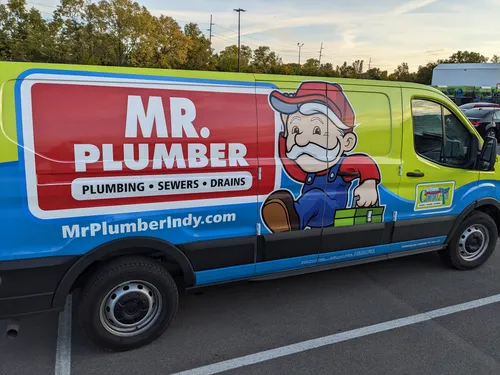
Mr. Plumber by Metzler & Hallam
10640 E 59th St, Indianapolis, IN 46236
Mr. Plumber by Metzler & Hallam is a licensed and insured plumbing service provider located in Indianapolis, IN. They offer a wide range of plumbing services including water heater repair and installation, tankless water heater services, drain cleaning, sewer line repair with trenchless options, sump pump repair, leak detection, gas line installation, toilet and garbage disposal repair, and water softener installation. The company emphasizes thorough diagnostics and customer education to help homeowners make informed decisions. They provide 24/7 emergency plumbing services to address urgent issues promptly. Mr. Plumber also specializes in hydro jetting for effective drain cleaning and sewer maintenance.
Understanding Gas Line Work in Noblesville
Working with natural gas or propane lines is not a typical DIY project. It involves high-pressure systems where a small error can have serious consequences. In Noblesville, all gas line installation and repair must be performed by a licensed professional who is familiar with Indiana's plumbing and fuel gas codes, as well as any specific municipal requirements. The primary goal is to create a safe, reliable, and code-compliant system that delivers fuel to your appliances without leaks.
This type of work encompasses everything from running a new line for a single appliance to repairing a leak in an existing pipe or upgrading an entire home's gas piping network. Given the stakes, the process is highly regulated, involving permits, specific materials, and mandatory inspections.
The Step-by-Step Installation Process
A professional gas line project follows a structured sequence to ensure safety and compliance from start to finish.
1. Initial Assessment and Planning
The first step is a thorough site evaluation. A technician will assess your needs based on the appliance(s) you're connecting, calculate the required gas load (measured in BTU), and plan the most efficient and safe route from the gas meter or propane tank to the appliance location. This plan must account for obstacles, required clearances, and adherence to local building codes.
2. Securing Permits and Calling 811
Before any digging begins, your contractor will pull the necessary permits from the Noblesville City Hall Building Department 1. Permit fees vary but are a non-negotiable part of a legal and insurable installation. Simultaneously, you or your contractor must call 811 at least a few business days before excavation. This free service marks the location of all public underground utilities (like water, electric, and other gas lines) to prevent accidental strikes, which are dangerous and costly 2 3.
3. Excavation and Trenching
For underground lines, trenching is required. In Indiana, gas lines are typically buried at a minimum depth of 18 to 24 inches to protect them from surface activity and freezing 4. The trenching cost can range from $5 to $12 per linear foot, depending on soil conditions and whether directional drilling is needed to go under driveways or landscaping.
4. Pipe Installation and Material Selection
The correct piping material is crucial. Common approved materials include:
- Black Iron Pipe: Traditional, durable, and used for both interior and exterior exposed runs.
- Corrugated Stainless Steel Tubing (CSST): Flexible, yellow-jacketed tubing that is faster to install through walls and attics.
- High-Density Polyethylene (HDPE): Often used for long, underground service lines.
The choice depends on the application, local code approval, and the installer's expertise. The pipe is carefully laid in the trench or secured along joists, with all connections made using proper thread sealant or flare fittings 5 6.
5. Pressure Testing and Leak Detection
Once the pipe is run but before it is connected to any appliances, the system undergoes a mandatory pressure test. The line is sealed and pressurized with air (often to about 10 psi for 15 minutes or more). A significant drop in pressure indicates a leak that must be found and repaired. Professionals use sensitive electronic leak detectors and soap solution (bubble tests) at all connections to locate even minute leaks.
6. Final Connection and Inspection
After a successful pressure test, the new line is connected to the gas meter and the appliance. The appliance itself is then checked for proper operation. Finally, a city inspector will visit to verify the installation meets all codes before granting final approval, which is required to legally activate the gas service 7.
Find the perfect gas line plumbing companies for your needs
Get personalized recommendations and expert advice
Key Safety and Compliance Considerations
Why is the process so detailed? The answer is safety. Natural gas is flammable and can cause explosions or health issues if leaked.
- Licensing is Non-Negotiable: Always hire a licensed plumber or gas fitter. They carry the necessary insurance and their work is accountable to licensing boards, providing you with critical recourse and peace of mind.
- Code Compliance: Indiana and Noblesville codes dictate everything from pipe sizing and burial depth to the required shut-off valves. Professional installers ensure your system isn't just functional, but legally compliant, which is essential for home insurance and resale.
- Leak Awareness: Know the signs of a gas leak: the distinctive rotten egg smell (odorant added to gas), a hissing sound near a line, or dead vegetation in an otherwise green yard over an underground pipe. If you suspect a leak, leave the area immediately and call your gas company from a safe distance 8.
Cost Factors for Gas Piping Projects
The total cost of gas line work in Noblesville is influenced by several variables, making each project unique. Understanding these factors can help you interpret estimates.
- Project Scope & Complexity: Running a short line for a kitchen stove inside your home is less expensive than trenching 50 feet across your yard to a new fire pit or pool heater. The number of appliances and the difficulty of the route (through finished walls, under concrete) majorly impact price.
- Labor Rates: Licensed plumbers in the area typically charge between $50 and $200+ per hour for gas line work. The expertise required commands a premium over standard plumbing labor.
- Materials: The pipe and fittings themselves generally cost between $1 and $9 per linear foot. CSST is often more expensive per foot than black iron but can save on labor due to its flexibility 9 10.
- Permits and Inspections: Budget for permit fees, which in Noblesville can range from approximately $50 to $300 depending on the project's valuation 11.
- Excavation and Restoration: Don't forget the cost to dig and, just as importantly, to restore your yard, sidewalk, or driveway after the trench is filled. This is often a separate line item in a quote.
For a straightforward appliance hookup, you might invest a few hundred dollars. For extensive new service lines or whole-house repiping, costs can rise into the thousands 12. A detailed, written estimate from a licensed professional will break down these costs for your specific project.
When is Gas Line Repair or Replacement Needed?
Installation isn't the only service. Existing gas lines can develop problems that require immediate professional attention.
- Corrosion: Over decades, even protected pipes can corrode, especially at connections.
- Leaks: Caused by faulty fittings, accidental damage (e.g., from digging), or material fatigue.
- Inadequate Sizing: Adding a high-BTU appliance like a tankless water heater may require upgrading older, undersized lines to deliver sufficient gas volume.
- Earth Shifts: Ground settlement or seismic activity can stress and crack underground pipes.
Repair costs vary widely based on the leak's location and accessibility. A simple above-ground fitting repair is minimal, while locating and repairing a leak under a concrete slab can be a major project.
Frequently asked questions
Sources
Footnotes
-
Get the Facts About Home Gas Line Installation - Hope Plumbing - https://www.hopeplumbing.com/get-the-facts-about-home-gas-line-installation/ ↩
-
New Gas Line Installation Cost: Natural Gas Piping Supplies & ... - https://www.superbrothers.com/new-gas-line-installation-cost-natural-gas-piping-supplies-custom-piping/ ↩
-
Gas Line Installation - Fite Plumbing, LLC - https://fiteplumbing.com/gas-line-installation/ ↩
-
How Deep Are Gas Lines Buried? - J.D. Power - https://www.jdpower.com/cars/shopping-guides/how-deep-are-gas-lines-buried ↩
-
Indianapolis Gas Lines | Hope Plumbing Heating & Cooling - https://www.hopeplumbing.com/plumbing-services/gas-plumbing/ ↩
-
How to Install Natural Gas Lines Safely and Correctly - https://bluegasexpress.com/how-to-install-natural-gas-lines/ ↩
-
Frequently Asked Questions - CivicPlus.CMS.FAQ - https://www.rpvca.gov/faq.aspx?TID=40 ↩
-
Gas Line Services in Noblesville, IN - Prime Plumbing & Drains - https://primeplumbingdrains.com/services/gas-line-services/ ↩
-
How Much Does It Cost to Install a Gas Line? [2025 Data] - https://www.homeadvisor.com/cost/plumbing/install-or-repair-gas-pipes/ ↩
-
How Much Do Gas Line Installation or Repairs Cost? [2026 Data] - https://www.angi.com/articles/what-average-cost-85-run-natural-gas-line.htm ↩
-
Gas Line Repair and Replacement Costs [2026 Data] | Angi - https://www.angi.com/articles/average-gas-line-repair-and-installation-costs.htm ↩
-
Gas Line Installation Cost: 2023 Guide - Super Brothers - https://www.superbrothers.com/gas-line-installation-cost-2023-guide/ ↩