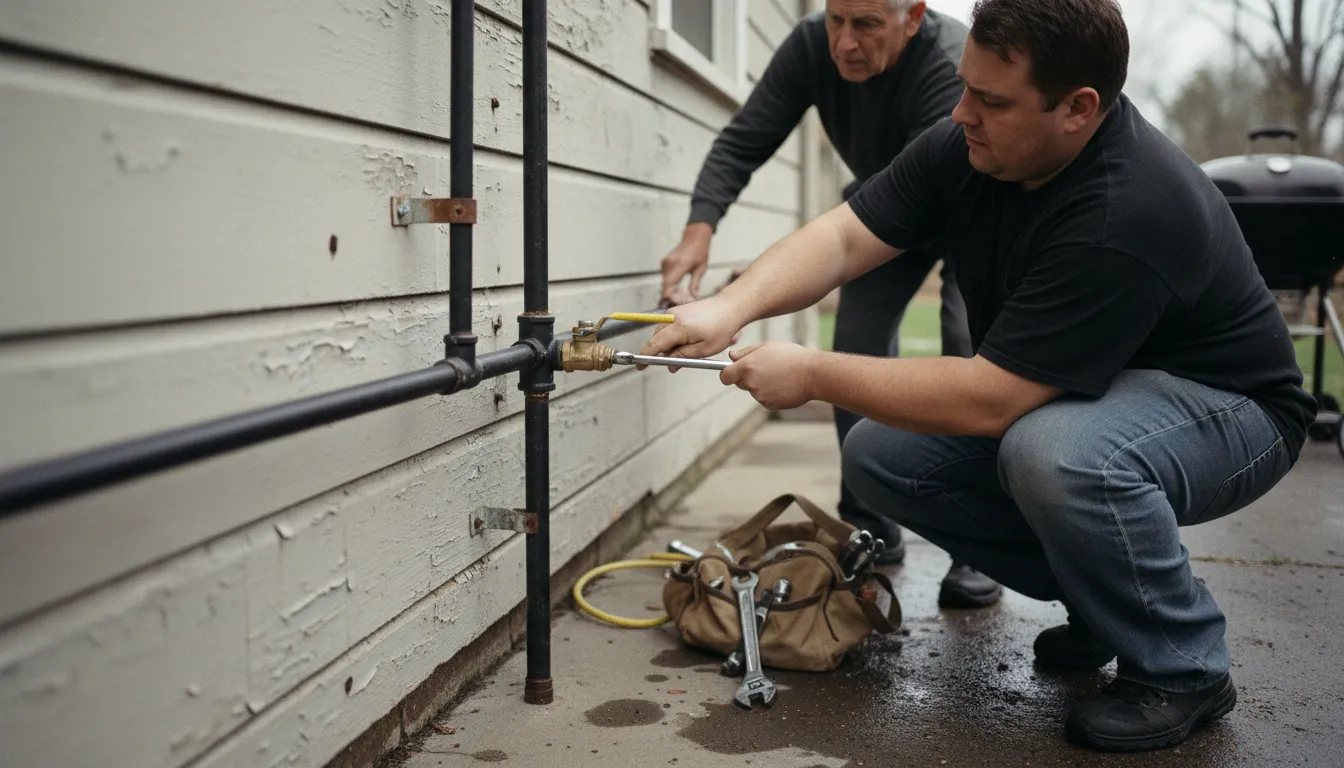
Find the Best Gas Line Plumbing Companies for Your Business
No obligation • Fast responses • Nationwide coverage

Why you can trust Search a Plumber
Search a Plumber is a leading United States resource for finding and evaluating professional plumbing services. Our team researches licensing, experience, and customer feedback to create unbiased, fact-driven overviews. Companies cannot pay to change ratings or placement, ensuring homeowners get trustworthy information.
Search providers near you
Top Gas Line Plumbing Companies in Fort Wayne, Indiana Ranked
Ensuring your home or business has a safe and reliable gas supply is a critical task that requires professional expertise. Gas line installation and repair involves the complex work of running pipes from the main utility line to your appliances, such as furnaces, water heaters, stoves, and fireplaces. This work is governed by strict local and state safety codes to prevent leaks, fires, and explosions. For Fort Wayne residents, navigating the requirements for permits, materials, and inspections can be daunting. This guide provides essential information to help you understand the process, recognize the importance of hiring a licensed professional, and connect with qualified local experts for your gas piping needs.
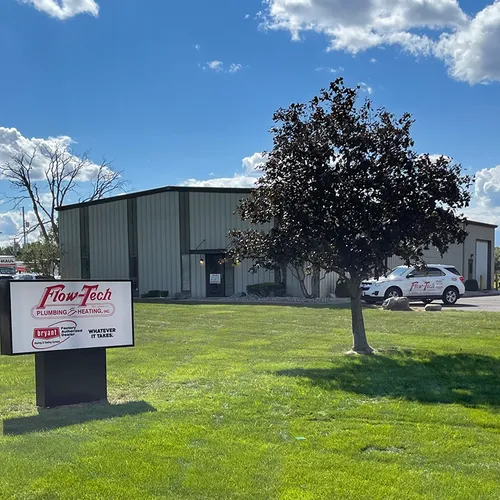
Flow-Tech Plumbing & Heating, Inc.
8131 N Clinton St, Fort Wayne, IN 46825
Flow-Tech Plumbing & Heating, Inc. has been serving Fort Wayne, IN, and surrounding areas since 1991. They provide a wide range of plumbing and HVAC services for both residential and commercial properties, including water softener installation, sump pump repair, drain cleaning, gas line installation, toilet repair, and garbage disposal repair. Their team is skilled in handling backflow prevention, bathroom and kitchen plumbing, and advanced systems like water purifiers and reverse osmosis. Flow-Tech also offers 24/7 emergency services to address urgent plumbing and HVAC needs promptly. With decades of experience, they bring local expertise to keep homes and businesses comfortable and safe year-round.
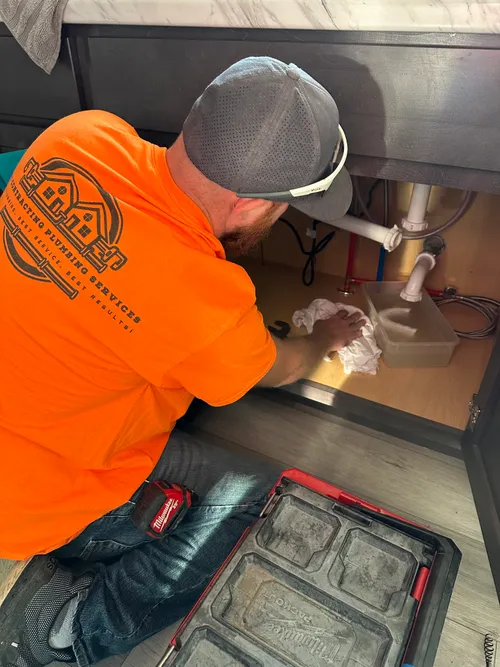
Best Contracting Plumbing Services
Fort Wayne, IN
Best Contracting Plumbing Services in Fort Wayne, IN, offers a wide range of plumbing solutions for both residential and light commercial properties. Their services include water heater and tankless water heater installation, drain cleaning with camera inspection, gas line installation and repair, sump pump services, leak detection, repiping, and toilet repairs. With over seven years of experience, they handle everything from routine service calls to complex remodels, ensuring each project is personally overseen for quality results.

Rolf Griffin Service Experts
1702 Fairfield Ave, Fort Wayne, IN 46802
Rolf Griffin Service Experts has been serving the Fort Wayne, IN area since 1899, providing a wide range of plumbing and HVAC services. Their offerings include water heater repair and installation, tankless water heater services, water softener installation, leak detection, gas line installation, and garbage disposal repair. As part of the Service Experts network, they combine local experience with national resources to deliver comprehensive home service solutions. The company operates 24 hours a day, ensuring availability for urgent repairs and maintenance needs.
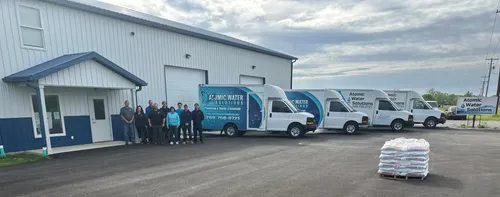
Atomic Water Solutions
7195 Old State Rd 3, Huntertown, IN 46748
Atomic Water Solutions is a plumbing and water treatment company serving Fort Wayne, IN, and the surrounding areas. They provide a wide range of services including water heater installation and repair, water softener and filtration system installation, sump pump repair, gas line installation, drain cleaning, and repiping. The company specializes in water treatment solutions such as reverse osmosis units, iron filters, and pH neutralizers to address hard water, iron, sulfur, and chlorine issues. Atomic Water Solutions also installs tankless and gas water heaters designed for energy efficiency and reliable performance. They have been serving Indiana homes and businesses for several years as part of the Evolve Series family.
Stanton Plumbing
5418 Dial Dr, Fort Wayne, IN 46815
Stanton Plumbing is a licensed plumbing service provider based in Fort Wayne, IN. They offer a broad range of residential plumbing services including water heater repair and installation, gas line installation, sump pump repair, drain cleaning, leak detection, and whole house repiping. Stanton Plumbing serves Fort Wayne and surrounding areas such as New Haven, Leo, and Huntington. Their capabilities include both tank and tankless water heater services, as well as water filtration system installation. The company is known for thorough work and providing multiple repair options to customers.
Understanding Gas Line Work in Fort Wayne
Gas line services encompass everything from installing new lines for a kitchen renovation or outdoor grill to repairing leaks in an existing system. In Fort Wayne and Allen County, this work is not a DIY project. The Indiana Residential Code (IRC 2020) provides the framework for all fuel gas system design, materials, and testing, and local authorities enforce these rules to protect the community. A professional gas fitter or licensed plumber has the training to handle the inherent dangers, ensure proper pressure, and secure all connections. Whether you're building new, adding an appliance, or addressing a suspected leak, understanding the local process is the first step toward a safe outcome.
The Critical First Steps: Permits and Calling 811
Before any shovel hits the ground, two non-negotiable steps must be completed. These are legal requirements designed for public safety.
1. Obtaining the Proper Permit A permit from the City of Fort Wayne or Allen County Building Department is mandatory for nearly all gas line work1 2. This isn't just bureaucratic red tape; it initiates the official inspection process that verifies the installation meets code. Your licensed contractor will typically pull this permit on your behalf. The permit ensures the work is recorded and that a qualified inspector will review it at key stages.
2. Calling 811 for Utility Marking This is arguably the most important safety call you or your contractor will make. Indiana law requires you to call 811 at least two full business days before any digging, including trenching for a gas line3. This free service dispatches locators to your property to mark the approximate location of all underground utilities-electric, cable, water, sewer, and existing gas lines. Striking an unmarked line can cause injury, service outages, and costly repairs. Always call before you dig.
Professional Installation: Materials and Process
A professional gas line installation follows a meticulous process to ensure longevity and safety.
Common Piping Materials:
- Black Iron Pipe: Traditional, durable steel pipe that requires threaded connections. It's highly reliable for exposed or underground lines when properly protected from corrosion.
- CSST (Corrugated Stainless Steel Tubing): A flexible, yellow-coated tubing that is easier to install in tight spaces and requires fewer fittings. It must be installed with care to avoid damage and properly bonded to prevent electrical hazards 4.
- Copper: Sometimes used in certain applications, though local code will specify approved materials.
The Installation Steps:
- Planning & Trenching: The route from the meter to the appliance is planned. A trench is then dug, typically to a depth of at least 12 to 18 inches, though local Fort Wayne or Allen County requirements may vary 5. A bed of sand or gravel is often used to cushion the pipe and prevent damage from rocks.
- Pipe Laying & Connection: The approved pipe is carefully laid in the trench without twisting or stressing joints. It is connected to the main supply and run to the appliance location, with shut-off valves installed at key points.
- Pressure Testing: Before the trench is backfilled, the permit holder (your contractor) must perform a pressure test. This involves sealing the system and pressurizing it with air to check for any drops that indicate a leak 6. This is a crucial quality check.
- Inspection & Meter Set: After the pressure test passes, a city or county inspector will perform a final inspection. Once approved, the gas utility can be contacted to set the meter and activate the service.
Find the perfect gas line plumbing companies for your needs
Get personalized recommendations and expert advice
Recognizing and Responding to Gas Line Problems
Gas line repairs should only be performed by a licensed professional. Knowing the signs of a leak can prevent a disaster.
Immediate Signs of a Gas Leak:
- The distinct smell of rotten eggs (odorant added to natural gas).
- A hissing or whistling sound near a gas line or appliance.
- Dead or discolored vegetation in an otherwise green area over a buried line.
- Unexplainedly high gas bills.
What to Do If You Suspect a Leak:
- Evacuate the area immediately. Do not use electrical switches, phones, or anything that could create a spark.
- Call 911 or your gas utility's emergency line from a safe distance away from the property.
- Do not attempt to locate or repair the leak yourself. Wait for emergency responders and professionals to secure the scene.
Professional repair may involve locating the leak with specialized detectors, excavating if the leak is underground, and replacing a section of pipe or tightening fittings. All repairs must also follow permit and inspection guidelines7.
Cost Considerations for Gas Line Projects
The cost of gas line work in Fort Wayne varies significantly based on the project's scope. According to industry data, homeowners can expect a broad average range, with many projects falling between a few hundred and over a thousand dollars8.
Key Factors Influencing Price:
- Length and Route: The distance from the meter to the appliance is the primary driver. Longer runs and complex routes (around obstacles, under driveways) increase labor and material costs.
- Materials: The type of pipe (black iron vs. CSST) affects material cost.
- Labor and Complexity: Connecting to an appliance, installing shut-off valves, and navigating existing structures add to labor time. Trenching depth and soil conditions also play a role.
- Permits and Inspections: Permit fees from the city or county are an additional, required cost.
Because of these variables, the most accurate way to budget is to obtain detailed quotes from multiple licensed Fort Wayne plumbing contractors. They can assess your specific situation, account for local code requirements, and provide a complete price that includes permits and inspections9 10.
Why Professional Expertise is Non-Negotiable
The risks associated with gas line work cannot be overstated. An improper installation or repair can lead to:
- Fire or Explosion: Even a small spark near a gas leak can have catastrophic consequences.
- Carbon Monoxide Poisoning: Faulty connections or improper venting can lead to this odorless, deadly gas entering your home.
- Property Damage: A leak can cause significant damage over time and may not be covered by insurance if unpermitted work is involved.
Licensed plumbers and gas fitters carry the necessary insurance, know the local Fort Wayne and Allen County codes inside and out, and have the tools and training to perform pressure tests and ensure a safe system 11. They manage the entire process, from permit to final inspection, giving you peace of mind.
Frequently asked questions
Sources
Footnotes
-
Gas Line Installation - Fite Plumbing, LLC - https://fiteplumbing.com/gas-line-installation/ ↩
-
Permits and Bonds - Fort Wayne, IN - https://www.cityoffortwayne.in.gov/668/Permits-and-Bonds ↩
-
allen county, indiana building department - https://www.allencounty.in.gov/DocumentCenter/View/305/Inspection-Guidelines-PDF?bidId= ↩
-
Professional Techniques for Gas Line Piping and Installation - https://www.frontierplumbinglv.com/blog/professional-techniques-for-gas-line-piping-and-installation ↩
-
Indianapolis Gas Lines | Hope Plumbing Heating & Cooling - https://www.hopeplumbing.com/plumbing-services/gas-plumbing/ ↩
-
How to Install Natural Gas Lines Safely and Correctly - https://bluegasexpress.com/how-to-install-natural-gas-lines/ ↩
-
Fort Wayne, IN Gas Line Repair - https://flowtechpandh.com/fort-wayne/gas-line-repair/ ↩
-
How Much Does It Cost to Install a Gas Line? [2025 Data] - https://www.homeadvisor.com/cost/plumbing/install-or-repair-gas-pipes/ ↩
-
Fort Wayne, IN Gas Line Installation - https://flowtechpandh.com/fort-wayne/gas-line-installation/ ↩
-
Gas Line Plumber in Fort Wayne | Replacement & Repairs - https://www.kortedoesitall.com/plumbing/gas-lines/ ↩
-
Chapter 24 Fuel Gas: Indiana Residential Code 2020 | UpCodes - https://up.codes/viewer/indiana/irc-2018/chapter/24/fuel-gas ↩