Find the Best Gas Line Plumbing Companies for Your Business
No obligation • Fast responses • Nationwide coverage

Why you can trust Search a Plumber
Search a Plumber is a leading United States resource for finding and evaluating professional plumbing services. Our team researches licensing, experience, and customer feedback to create unbiased, fact-driven overviews. Companies cannot pay to change ratings or placement, ensuring homeowners get trustworthy information.
Search providers near you
Top Gas Line Plumbing Companies in Jeffersonville, Indiana Ranked
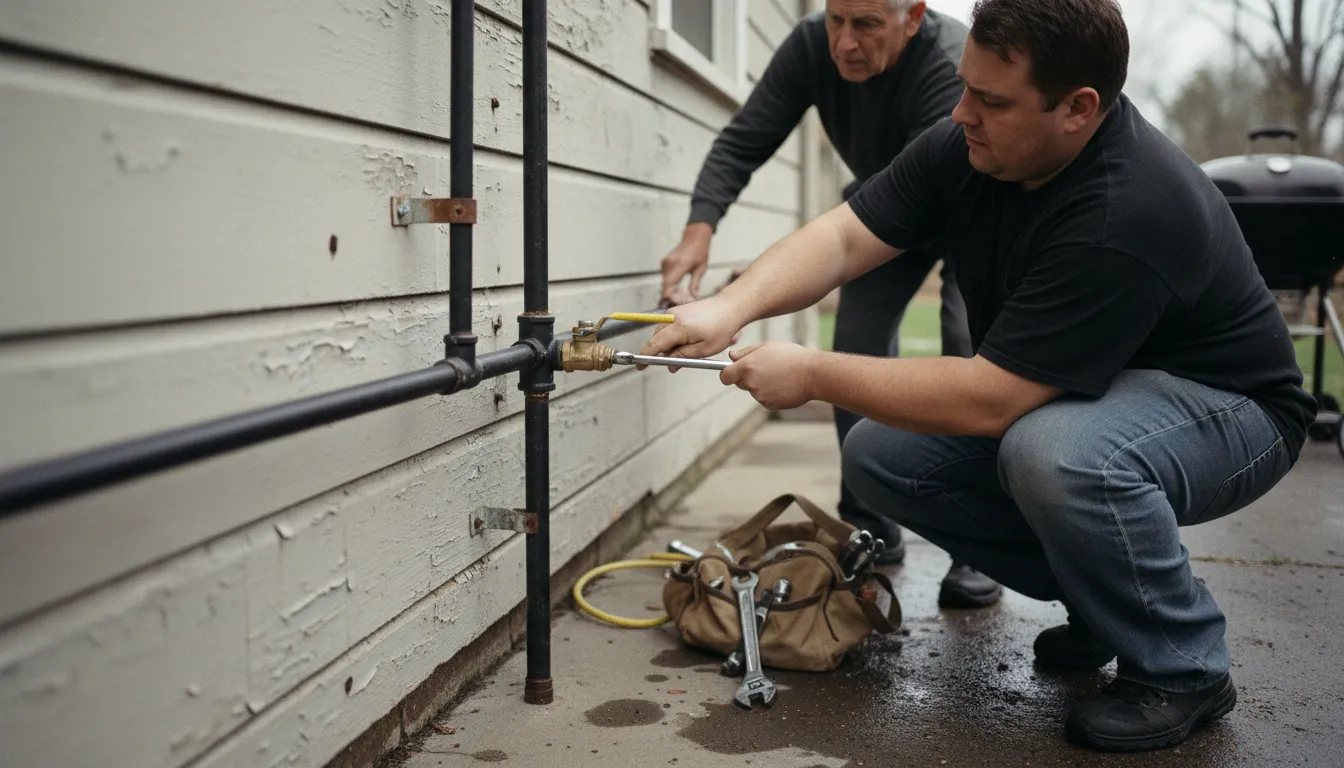
Ensuring your home or business has a safe and reliable gas supply is a critical task that requires professional expertise. Gas line installation and repair involves the complex work of running pipes to connect appliances like furnaces, water heaters, stoves, and dryers to the main gas supply. This work is governed by strict local codes and safety standards to prevent dangerous leaks, fires, or explosions. This guide is designed to help Jeffersonville residents understand the process, regulations, and key considerations for finding qualified local professionals to handle their natural gas piping needs.
Backup Plumbing
2121 Spencer Ct Unit 5, La Grange, KY 40031
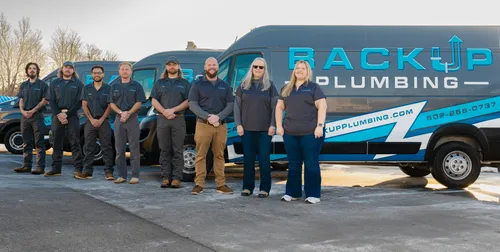
Backup Plumbing is a locally and family-owned plumbing company serving Louisville, KY, and the surrounding areas. Established in 2018, the company offers a wide range of residential and commercial plumbing services including sewer line repair, water heater installation and repair, leak detection, drain cleaning, and gas line installation. Their team holds OSHA and Rinnai certifications and brings over 30 years of combined experience to each project. Backup Plumbing uses advanced diagnostic tools such as sewer camera inspections to accurately identify issues and provide effective solutions. They also provide industry-leading warranties and free water testing as part of their service. The company is equipped to handle both routine maintenance and emergency plumbing situations, ensuring safety and compliance with local regulations. Their commercial plumbing services are designed to minimize downtime for businesses, and they emphasize thorough safety practices in all gas line work. Backup Plumbing is committed to building lasting relationships with clients through clear communication and professional service.
Tom Drexler Plumbing, Air & Electric
3718 Bardstown Rd, Louisville, KY 40218
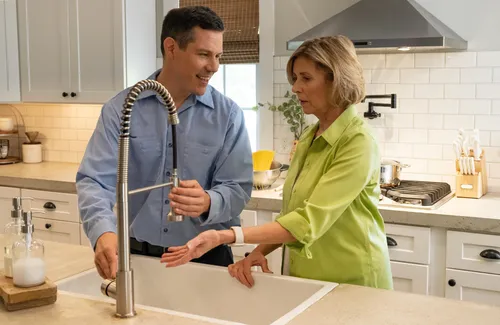
Tom Drexler Plumbing, Air & Electric has been serving Louisville, KY, and Southern Indiana since 1982. The company provides a wide range of home services including plumbing, HVAC, electrical work, and bathroom remodeling. Their plumbing services cover water heater repair and installation, water softener installation, sump pump repair, drain cleaning, hydro jetting, sewer line repair including trenchless methods, leak detection, repiping, and gas line installation. They also offer 24/7 emergency service availability to address urgent home system issues. With over 40 years of experience, Tom Drexler Plumbing, Air & Electric combines skilled technicians and advanced tools to maintain and repair essential home systems. Their capabilities include comprehensive drain and sewer services such as hydro jetting and trenchless sewer repair, ensuring effective and less invasive solutions for homeowners.
Greenwell Plumbing Heating & Air
1840 Scott Rd, New Albany, IN 47150
Greenwell Plumbing Heating & Air provides plumbing, heating, and air conditioning services in Louisville, KY, and Southern Indiana. With over 30 years of experience, they serve both residential and commercial customers, offering services such as water softener installation and gas line installation. The company is known for its 30-minute call-ahead guarantee and a membership plan that includes annual system inspections to help maintain plumbing and HVAC equipment.
Golden Plumbing
2434 Crittenden Dr, Louisville, KY 40217
Golden Plumbing is a plumbing service provider based in Louisville, KY. They offer a range of services including drain cleaning, sewer line repair, leak detection, gas line installation, toilet repair, and garbage disposal repair. The company is known for locating and repairing collapsed sewer lines and handling complex plumbing issues efficiently. Customers have noted their capability in fixing gas leaks and clearing old cast iron pipes. Golden Plumbing has built a reputation for thorough work and clear communication with clients.

TrueLine Plumbing
Louisville, KY
TrueLine Plumbing is a family-owned plumbing service based in Louisville, KY, offering residential and light commercial plumbing solutions. They provide a wide range of services including leak detection, drain cleaning, sewer line repair, water heater installation and repair, sump pump services, repiping, gas line installation, and appliance hookups. With over 30 years of experience, TrueLine Plumbing is led by a master plumber who ensures work is done safely and up to code. The company emphasizes integrity and craftsmanship in every project.
Understanding Gas Line Services in Jeffersonville
When we talk about gas line work, we're referring to the installation of new gas piping systems, the extension of existing lines for new appliances, or the repair and replacement of aging or damaged pipes. This facet of plumbing and utility work is specialized due to the inherent risks of working with natural gas or propane. In Jeffersonville, all such work must comply with Indiana state codes and the specific requirements of the City of Jeffersonville Building Commission. Whether you're building a new home, adding a gas fireplace, or dealing with a suspected leak, using a licensed professional is not just a recommendation-it's a necessity for safety and legal compliance.
Why Professional Installation is Non-Negotiable
The dangers of improper gas line work cannot be overstated. Natural gas is flammable, and leaks can lead to catastrophic explosions or cause carbon monoxide poisoning through incomplete combustion in appliances. Licensed gas fitters and plumbers have the training to:
- Correctly size pipes for appliance demand.
- Use approved materials like black iron or steel piping.
- Perform mandatory pressure tests to confirm integrity.
- Ensure proper clearances from electrical lines and other utilities.
- Secure all necessary permits and schedule required inspections 1.
Attempting a DIY gas line project is strongly discouraged and, in many cases, illegal for anything beyond the final flexible connector to an appliance like a stove 2. The safety of your household and property depends on expert workmanship.
The Step-by-Step Process for Gas Piping Projects
A professional gas line project follows a meticulous sequence to ensure safety and code compliance from start to finish.
1. Initial Assessment and Planning A qualified technician will first assess your needs. They will identify which appliances will be supplied, calculate the total gas load (measured in BTU/hour), and plan the most efficient and safe route from the gas meter or main line to each appliance. This plan considers obstacles like foundations, walls, and existing utilities.
2. Securing Permits Before any work begins, your contractor must pull the required permits from the City of Jeffersonville Building Commission. This step is crucial. The permit process ensures the city is aware of the work and that the planned installation will be inspected, providing an official record of compliance with local building and safety codes.
3. Calling 811 This is a legal requirement. At least two business days before any excavation, you or your contractor must call 811, the national "Call Before You Dig" number. This free service alerts all local utility companies, who will then send locators to mark the approximate locations of buried public utility lines (like water, sewer, electric, and communications cables) on your property with paint or flags 3 4. This prevents accidental strikes that could cause injury, service outages, or costly repairs.
4. Excavation and Trenching For underground lines, the next step is digging a trench. The depth is typically regulated by code, often requiring a minimum of 18 to 24 inches of cover to protect the pipe from surface damage 5. The trench is dug along the planned route, taking care to avoid the marked utility lines.
5. Pipe Installation and Connection The approved piping-usually black iron or steel for its durability and resistance to corrosion-is laid in the trench or run through interior spaces. Connections are made using threaded fittings and pipe dope or tape rated for gas. The line is connected to the main gas supply at the meter 6.
6. Pressure Testing This is a critical safety check. The entire newly installed section of pipe is sealed and pressurized with air (not gas) to a level specified by code. The system is then monitored for a set period. A steady pressure reading confirms there are no leaks in the joints or the pipe itself 7 8.
7. Final Connections and Inspection Once the pressure test passes, a final inspection is typically requested from the city's building department. An inspector will verify the installation meets all code requirements. Only after passing inspection are the final connections made to the appliances themselves, and the system is purged and activated.
Find the perfect gas line plumbing companies for your needs
Get personalized recommendations and expert advice
Local Regulations and Safety Codes in Jeffersonville
Adherence to local regulations is the backbone of safe gas line work. The City of Jeffersonville Building Commission enforces the codes that protect residents 9. Key local requirements include:
- Permits: Mandatory for any new installation, alteration, or extension of a gas piping system. Your contractor handles this.
- Inspections: A final inspection is required before the gas line can be put into service. The inspector checks materials, pipe sizing, support, and the results of the pressure test 10.
- Materials: Only code-approved materials like steel (black iron) or CSST (Corrugated Stainless Steel Tubing) where allowed, may be used. The wrong materials can corrode and fail.
- Call 811: As noted, this is a non-negotiable legal step for any digging in Jeffersonville and across Indiana.
Cost Considerations for Gas Line Work
Costs for gas piping services in Jeffersonville can vary widely based on the project's scope and complexity. It's always best to get multiple detailed estimates from licensed professionals. Some general price ranges, based on national data adjusted for local labor and material costs, include 11:
- Simple Repairs: Fixing a small leak in an accessible line (e.g., behind a stove) might cost between $120 and $250.
- Moderate Repairs: Addressing hidden leaks inside walls or crawl spaces, which requires more labor for access, can range from $270 to $760.
- New Buried Gas Line Installation: This is the most costly scenario, as it includes planning, permitting, calling 811, excavation, pipe installation, pressure testing, inspection, and backfilling/landscaping. Costs typically start around $1,500 and can exceed $5,000 for long runs or difficult terrain.
- Material Costs: The piping itself, such as black iron, can cost between $3 and $8 per linear foot, not including labor for cutting, threading, and installation 12.
The single most important factor in your budget should be hiring a qualified, licensed, and insured professional. The potential cost of an error is far greater than the price of doing it right the first time.
Maintaining Your Gas System
After a proper installation, ongoing vigilance is key. Be aware of the smell of rotten eggs (the odorant added to natural gas) or listen for a hissing sound near gas pipes. Install carbon monoxide detectors on every level of your home, especially near sleeping areas. While there's no universal mandated schedule, having a professional inspect your gas lines and appliances every few years or if you suspect any issue is a wise practice for long-term safety 13.
Frequently asked questions
Sources
Footnotes
-
Get the Facts About Home Gas Line Installation - Hope Plumbing - https://www.hopeplumbing.com/get-the-facts-about-home-gas-line-installation/ ↩
-
Should You Install Gas Lines Yourself? - Leahy's Fuels - https://www.leahys.com/blog/should-you-install-gas-lines/ ↩
-
Essential Guide to Gas Line Installation: Tips and Safety ... - https://gaeberly.com/gas-line-installation/ ↩
-
Gas Line Safety for Indiana Home Renovations | Hope Plumbing - https://www.hopeplumbing.com/gas-line-safety-during-indiana-home-renovations/ ↩
-
Trenching for Gas Lines - West Michigan Gas Piping - https://www.wmgaspiping.com/gas-lines ↩
-
How to Install Natural Gas Lines Safely and Correctly - https://bluegasexpress.com/how-to-install-natural-gas-lines/ ↩
-
Professional Gas Line Services in Louisville & Southern Indiana - https://tomdrexlerplumbing.com/louisville-area/plumbing/pipe-repair/gas-lines/ ↩
-
Gas Line Installation Cost: 2023 Guide - Super Brothers - https://www.superbrothers.com/gas-line-installation-cost-2023-guide/ ↩
-
Building Commission - City of Jeffersonville - https://cityofjeff.net/building-commission/ ↩
-
Gas Line Installation - Fite Plumbing, LLC - https://fiteplumbing.com/gas-line-installation/ ↩
-
Gas Line Repair and Replacement Costs [2026 Data] | Angi - https://www.angi.com/articles/average-gas-line-repair-and-installation-costs.htm ↩
-
How Much Does It Cost to Install a Gas Line? [2025 Data] - https://www.homeadvisor.com/cost/plumbing/install-or-repair-gas-pipes/ ↩
-
How Often Should Gas Lines Be Inspected? - White Plumbing Co. - https://www.whiteplumbingcompany.com/how-often-should-gas-lines-be-inspected/ ↩