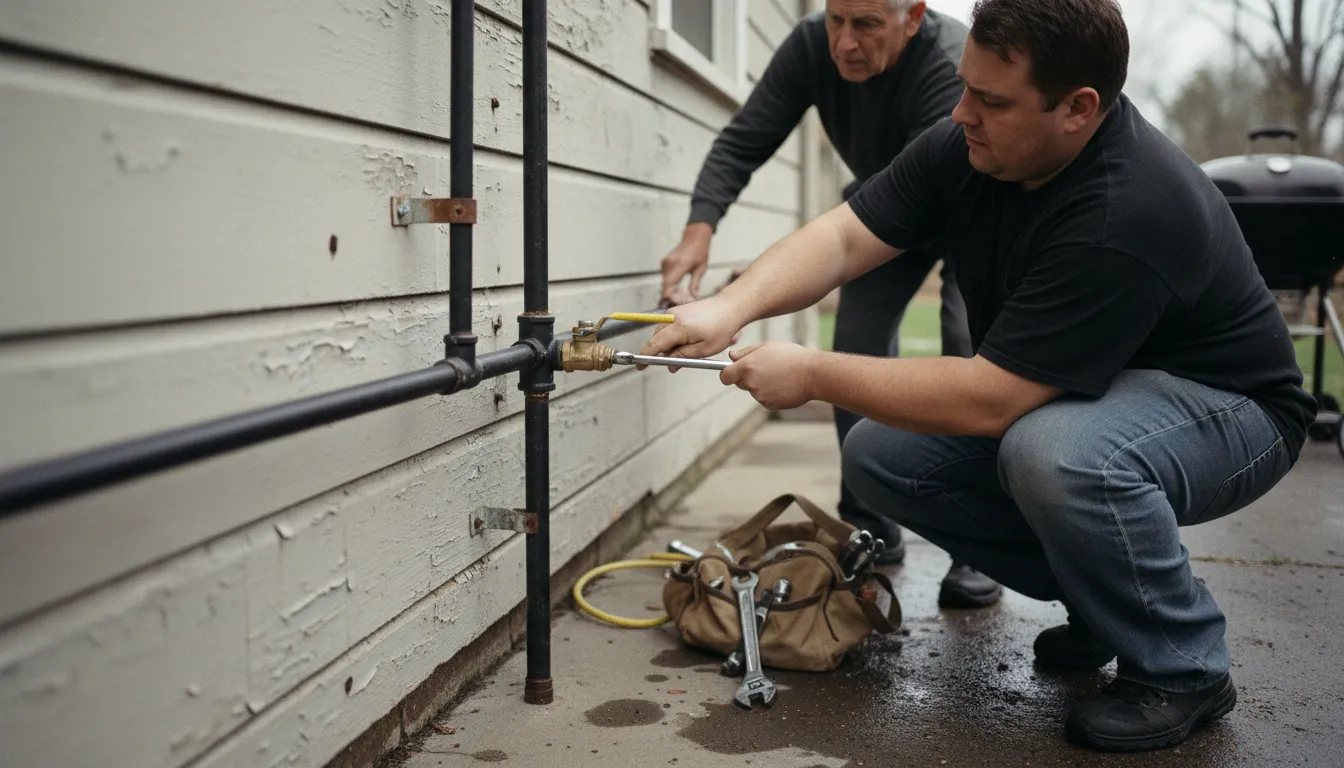
Find the Best Gas Line Plumbing Companies for Your Business
No obligation • Fast responses • Nationwide coverage

Why you can trust Search a Plumber
Search a Plumber is a leading United States resource for finding and evaluating professional plumbing services. Our team researches licensing, experience, and customer feedback to create unbiased, fact-driven overviews. Companies cannot pay to change ratings or placement, ensuring homeowners get trustworthy information.
Search providers near you
Top Gas Line Plumbing Companies in Hammond, Indiana Ranked
Installing or repairing a gas line is a critical home improvement project that directly impacts the safety and functionality of your property. Whether you're adding a gas stove, fireplace, or furnace, proper gas piping work requires specialized knowledge of local codes, materials, and safety protocols. This guide explains the essential steps, regulations, and considerations for gas line projects in Hammond, helping you understand the process and connect with qualified local professionals for your specific needs.
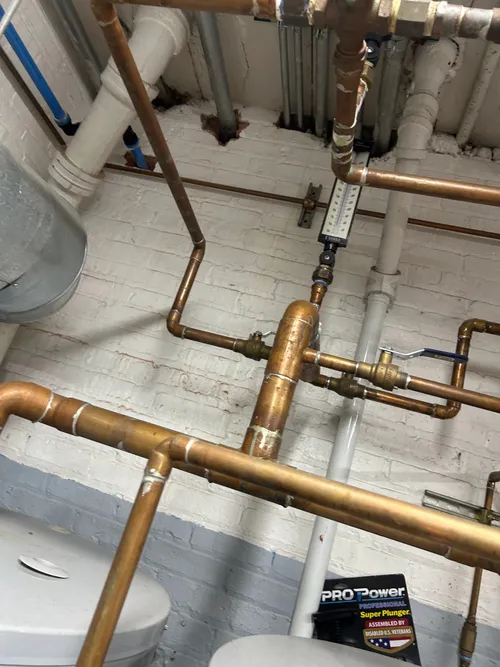
Walsh & Son Plumbing and Sewer
Chicago, IL
Walsh & Son Plumbing and Sewer is a licensed plumbing company serving Chicago, IL, and the surrounding Chicagoland area. Since 2013, this family- and woman-owned business has provided a range of plumbing services including sewer line repair, water heater installation and repair, sump pump maintenance, drain cleaning, leak detection, repiping, and gas line installation. Their team uses advanced technology for sewer camera inspections and offers a 10-year warranty on pipe installations, reflecting their commitment to durable workmanship. They also provide fast, same-day responses to plumbing issues and offer discounts for seniors, veterans, and first responders.
HorVer Gas Piping & Repair
5228 N Sheridan Rd, Chicago, IL 60640
HorVer Gas Piping & Repair is a licensed gas plumber serving Chicago, IL. The company specializes in gas leak repair, gas piping, pressure testing, and new gas line installations for residential, business, and industrial clients. With over 14 years of experience, HorVer focuses on safe, code-compliant work designed to last. Their services include certified gas line repair and pressure testing, ensuring safety and reliability for Chicago properties.
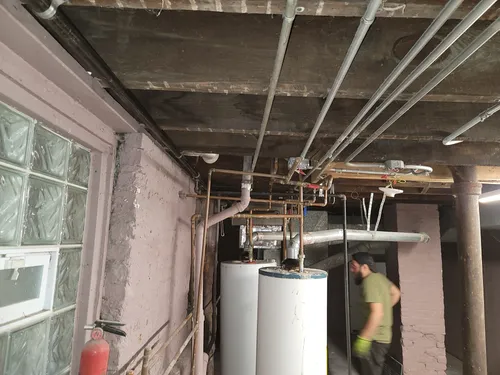
Chicago Gas Leak Repair LLC
2355 W 56th St, Chicago, IL 60636
Chicago Gas Leak Repair LLC provides gas piping installations, leak repairs, and gas appliance services in Chicago, IL. With over 10 years of experience in residential, new construction, and commercial gas pipe fitting, the company handles gas line pressure testing, valve replacement, flexible hose replacement, and gas appliance installations including dryers, stoves, and water heaters. The team is led by a former utility company pipefitter with specialized gas utilities training, focusing on safety and attention to detail.
TR Miller Heating, Cooling, Plumbing and Electrical
8442 183rd St Unit A A, Tinley Park, IL 60487
TR Miller Heating, Cooling, Plumbing and Electrical is a family-owned company serving the Greater Chicago area, including Chicago, IL. Since 2008, they have provided a wide range of plumbing, HVAC, and electrical services. Their plumbing services include water heater repair and installation, sump pump repair, drain cleaning, gas line installation, and toilet repair. The company employs licensed and certified technicians who use the latest technology to deliver quality workmanship. TR Miller also offers HVAC installation and maintenance, including heat pumps and ductless mini-splits, as well as indoor air quality solutions like UV lights and air purifiers.
Vanguard Plumbing and Sewer, Inc.
4352 N Kenneth Ave, Chicago, IL 60641
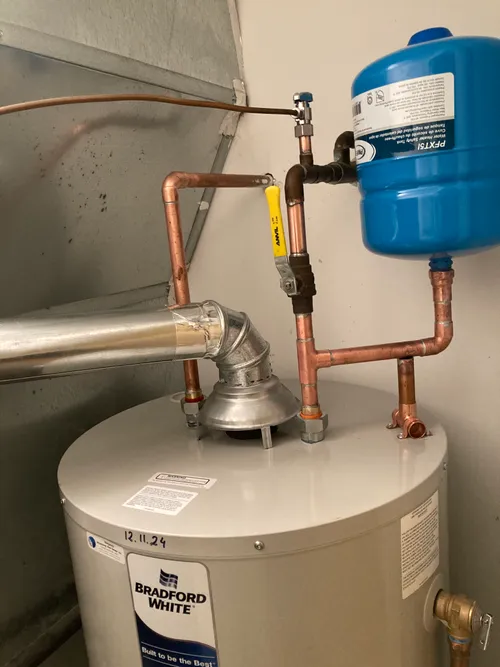
Vanguard Plumbing and Sewer, Inc. provides a wide range of residential plumbing services in Chicago, IL. Their offerings include sewer camera inspections, water heater repair and installation (both tanked and tankless), water softener installation, sump pump repair, drain cleaning, sewer line repair, leak detection, repiping, gas line installation, toilet and garbage disposal repair, and custom plumbing solutions. They use advanced plumbing camera technology for thorough video inspections and have expertise in handling multiunit plumbing projects. Vanguard is known for clear pricing and licensed, insured plumbers. While primarily serving residential customers, they occasionally assist local businesses. Their service area covers Chicago and its northern suburbs.
Understanding Gas Line Work in Hammond
Gas line installation and repair, often referred to as gas piping or natural gas hookup, involves running pipes from the main utility supply to your appliances. In Hammond, this work is strictly regulated to prevent leaks, explosions, and carbon monoxide poisoning. All work must comply with Indiana state codes and local Hammond ordinances, which mandate that only licensed professionals perform the installation and that the city inspects the work upon completion. This ensures every connection, from the meter to your appliance, is secure and safe for daily use.
The necessity for professional handling cannot be overstated. Natural gas is odorless in its natural state; the familiar "rotten egg" smell is an additive for leak detection. A minor error in threading a pipe or tightening a fitting can lead to a dangerous, undetected leak. Licensed plumbers and gas fitters have the training to properly size pipes for the required BTU load of your appliances, select approved materials, and perform mandatory pressure tests.
The Step-by-Step Process for Hammond Homeowners
A successful gas line project follows a defined sequence. Understanding these steps helps you coordinate with your contractor and the city.
1. Planning and Assessment Before any digging begins, a licensed professional will assess your needs. This includes calculating the total BTU demand of the new and existing appliances the line will serve, planning the safest and most efficient route for the pipe from the meter, and determining the appropriate pipe size and material. This planning stage is crucial for obtaining an accurate quote and ensuring the system will function correctly.
2. Calling 811 for Utility Locates This is a non-negotiable first step for any excavation. Indiana law requires you to call 811 at least two full business days before any digging to have all public underground utility lines-like electric, water, and communication cables-marked with flags or paint 1 2. This free service prevents accidental strikes that could cause injury, service outages, or costly repairs.
3. Obtaining Local Permits All gas line work in Hammond requires a permit from the City of Hammond Building Division. Your licensed contractor will typically handle this, submitting plans and paying the associated fees. Permit fees often start around $50 for the first $1,000 of work value 3. This step is not just bureaucratic; it ensures your project is logged with the city and scheduled for the required inspection.
4. Excavation and Trenching For new underground lines, a trench must be dug. Safety codes typically require gas lines to be buried at a depth of 18 to 24 inches to protect them from surface activity and frost. The trench must also be prepared with proper bedding material, like sand, to support the pipe and prevent damage from rocks.
5. Pipe Installation A licensed plumber will install the gas piping. Common materials include:
- Black Iron Pipe: Traditional, durable steel pipe used for both indoor and outdoor applications. It requires precise threading and joint sealing.
- CSST (Corrugated Stainless Steel Tubing): Flexible, yellow-coated tubing that can be easier to route through walls and around obstacles. It must be installed with specific bonding for safety. The installer will carefully run the pipe, secure it with proper hangers or straps, and make all connections to the meter and appliances.
6. Pressure Testing and Inspection Once installed, the entire new section of piping is pressurized with air (not gas) and monitored for any drop in pressure, which would indicate a leak 4. After the installer confirms the system is leak-free, a city inspector from the Hammond Building Division will visit to verify the installation meets all code requirements before the trench is backfilled or the wall is closed up.
7. Final Connection and Backfill After passing inspection, the contractor can make the final connection to the gas meter, activate the line, and test the appliances. For underground lines, the trench can then be safely backfilled.
Find the perfect gas line plumbing companies for your needs
Get personalized recommendations and expert advice
Key Safety Considerations and Best Practices
Safety is the paramount concern with any gas system. Here are the non-negotiable practices for Hammond residents.
- Always Hire a Licensed Professional: This is the most critical safety step. Licensed plumbers carry the necessary insurance, know the latest codes (including Hammond-specific amendments), and have the experience to troubleshoot complex issues 5.
- Respect the 811 Call: Never skip this. Hitting a buried electric line can be fatal, and damaging a water main can flood your property.
- Ensure Proper Pipe Depth and Protection: Underground pipes must be buried deep enough to avoid damage from gardening, landscaping, or other digging. The required depth also helps protect the line from freezing 6.
- Install Carbon Monoxide Detectors: Any home with gas appliances should have working CO detectors on every level, especially near sleeping areas. This provides a vital backup alarm in the event of a combustion issue with an appliance 7.
- Use Only Approved Materials and Fittings: Do-it-yourself repairs with makeshift parts are extremely dangerous. All components must be designed and certified for gas service.
Understanding Costs and Variables
The cost of gas line work in Hammond is not a flat fee; it depends on several project-specific factors. While you must get a professional quote for an accurate price, understanding these variables helps you evaluate estimates.
- Project Scope: Running a new line from the meter to a single backyard grill is less involved than extending a main line through your basement to supply a new kitchen range, dryer, and fireplace.
- Labor: This is a significant portion of the cost, covering the skilled labor for planning, excavation (if needed), installation, and testing. Rates vary by contractor.
- Materials: The type and length of pipe required affect cost. Black iron pipe and fittings have a different price point than flexible CSST tubing 8 9.
- Permit and Inspection Fees: These are the direct costs paid to the City of Hammond. The fee structure is typically based on the estimated value of the job.
- Excavation Complexity: Digging a trench through soft soil is simpler and cheaper than dealing with rocky ground, tree roots, or navigating under a driveway or sidewalk.
Maintaining Your Gas System
After a proper installation, ongoing vigilance is key. Be aware of the smell of gas. If you detect it, leave the area immediately and call the gas company or 911 from outside. Schedule regular maintenance for gas appliances like furnaces and water heaters to ensure they are operating efficiently and safely. Periodually check the visible sections of gas piping for signs of corrosion or damage. Never use a gas oven to heat your home, and keep the area around appliances clear of flammable materials.
Frequently asked questions
Sources
Footnotes
-
How to Install Natural Gas Lines Safely and Correctly - https://bluegasexpress.com/how-to-install-natural-gas-lines/ ↩
-
Gas Line Safety for Indiana Home Renovations - Hope Plumbing - https://www.hopeplumbing.com/gas-line-safety-during-indiana-home-renovations/ ↩
-
Building Division | City of Hammond, Indiana - https://www.gohammond.com/departments/inspections-department/building-division/ ↩
-
Essential Guide to Gas Line Installation: Tips and Safety ... - https://gaeberly.com/gas-line-installation/ ↩
-
Get the Facts About Home Gas Line Installation - Hope Plumbing - https://www.hopeplumbing.com/get-the-facts-about-home-gas-line-installation/ ↩
-
Gas Line Installation - Fite Plumbing, LLC - https://fiteplumbing.com/gas-line-installation/ ↩
-
How to Install a Gas Line: Safety Tips and Best Practices? - https://www.tnstandard.com/gas-line-installation-safety-tips-and-best-practices/ ↩
-
New Gas Line Installation Cost: Natural Gas Piping Supplies & ... - https://www.superbrothers.com/new-gas-line-installation-cost-natural-gas-piping-supplies-custom-piping/ ↩
-
Gas Line Installation Cost: 2023 Guide - Super Brothers - https://www.superbrothers.com/gas-line-installation-cost-2023-guide/ ↩