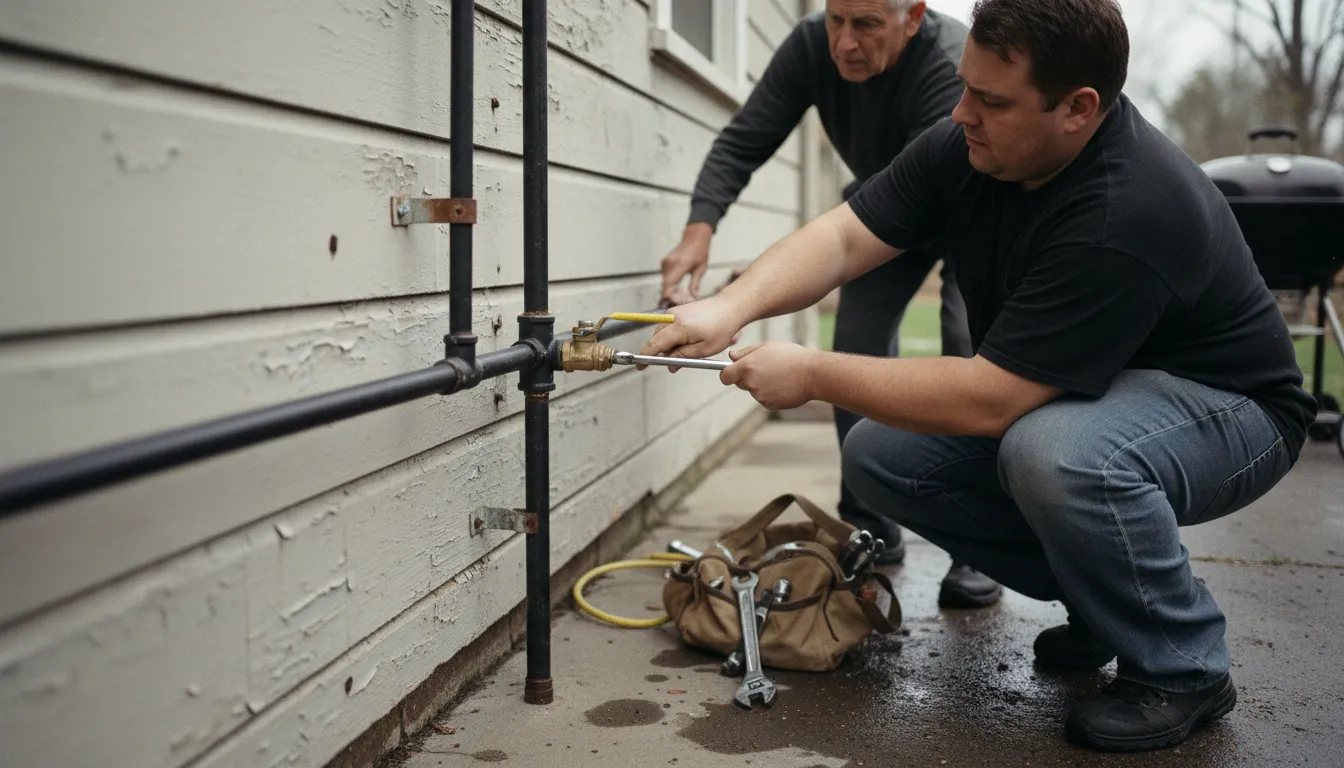
Find the Best Gas Line Plumbing Companies for Your Business
No obligation • Fast responses • Nationwide coverage

Why you can trust Search a Plumber
Search a Plumber is a leading United States resource for finding and evaluating professional plumbing services. Our team researches licensing, experience, and customer feedback to create unbiased, fact-driven overviews. Companies cannot pay to change ratings or placement, ensuring homeowners get trustworthy information.
Search providers near you
Top Gas Line Plumbing Companies in South Fulton, Georgia Ranked
Installing or repairing a gas line is a critical project that directly impacts the safety and functionality of your home. Whether you're adding a gas fireplace, upgrading to a gas stove, or addressing a leak, this work involves high-pressure fuel systems that require precision and strict adherence to safety codes. For homeowners in South Fulton, navigating the local permit process and finding a qualified professional are essential first steps. This guide will help you understand the process, local requirements, and what to look for when connecting with certified specialists for your gas piping needs.
Pike Plumbing
4341 Stilesboro Ln NW, Kennesaw, GA 30152
Pike Plumbing is a family-owned plumbing company serving Atlanta, GA, and surrounding areas since 1984. They provide residential and commercial plumbing services including water heater repair, drain cleaning, sewer line repair, gas line installation, and hydro jetting. Known for handling waterline and sewer line work with a lifetime workmanship warranty, Pike Plumbing offers 24/7 emergency plumbing services to address urgent issues at any time.

Honeycomb Plumbing
Atlanta, GA
Honeycomb Plumbing is a residential plumbing company serving Atlanta, GA, and surrounding counties including Cobb, Fulton, Dekalb, and Gwinnett. Founded this year, the company brings a decade of expertise to a wide range of plumbing services such as water heater installation and maintenance, drain cleaning with camera inspections, water softener and filtration system installation, sump pump repairs, gas line installation, and full repiping projects. They offer 24/7 emergency plumbing services to address urgent issues and prevent property damage.
Panther Plumbing
5701 Mableton Pkwy SW Suite 212, Mableton, GA 30126
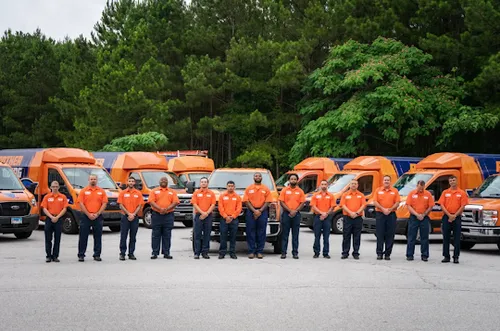
Panther Plumbing is a veteran-owned plumbing company serving homeowners in Atlanta, GA, and the surrounding Metro Atlanta area. They offer a wide range of services including sewer camera inspections, water heater repair and installation for both tank and tankless systems, water softener installation, sump pump repair, drain cleaning, hydro jetting, sewer line repair, leak detection, repiping, gas line installation, and toilet repair. The company is licensed and insured, with a fourth-generation master plumber leading the team. Panther Plumbing provides 24/7 emergency plumbing services to address urgent issues promptly.
Royal Flush Plumbing of Decatur
2788 Lawrenceville Hwy, Decatur, GA 30033
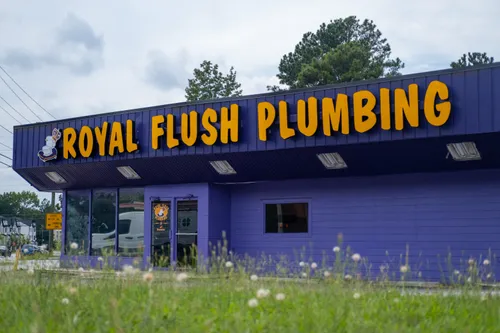
Royal Flush Plumbing of Decatur provides a wide range of plumbing services in Atlanta, GA, including water heater repair and installation, drain cleaning, hydro jetting, leak detection, and gas line installation. They serve both residential and commercial clients, offering expertise in complex system installations and routine repairs. The company is known for its 90-minute emergency response guarantee for commercial customers north of Macon and supports the community through apprenticeship programs and youth sports sponsorships.

Palette Plumbing
1055 Blue Ridge Ave NE, Atlanta, GA 30306
Palette Plumbing provides plumbing services in Atlanta, GA, specializing in drain cleaning, leak detection, gas line installation, and toilet repair. The company uses advanced equipment to clear blockages and address plumbing issues efficiently while treating homes with care. With over 70 years of experience, Palette Plumbing offers skilled solutions backed by a customer satisfaction guarantee and a five-year warranty on certain work. They serve multiple counties around Atlanta and provide same-day service to address urgent plumbing needs promptly.
Understanding Gas Line Services
Gas line work encompasses a broad range of services, from running a new line for an outdoor kitchen to repairing a faulty connection on a water heater. The core principle is managing the safe delivery of natural gas or propane from the main supply to your appliances. This is not a DIY project; it requires a licensed professional who understands the properties of gas, pressure dynamics, and the specific building codes enforced in Fulton County and the City of South Fulton. Proper installation prevents dangerous leaks, ensures efficient appliance operation, and protects your property and family.
Common Projects Requiring Gas Piping Work
- Appliance Additions: Installing a gas range, dryer, fireplace, or tankless water heater.
- Outdoor Living: Extending a line for a grill, fire pit, or patio heater.
- System Repairs: Fixing leaks, replacing corroded sections of pipe, or upgrading old, unsafe piping materials.
- New Construction: Running the entire gas distribution system for a new home or addition.
- Service Line Replacement: Upgrading the line from the meter to the house.
The South Fulton Permit Process: A Required Step
Before any work begins, a permit must be obtained from the City of South Fulton. This is a non-negotiable step for safety and legal compliance. The city uses an online system called SAGESGov for all permit applications and inspection requests. Your contractor will typically handle this, but understanding the process ensures your project stays on track.
- Application: The licensed professional applies for a "Trades" or "MEP" (Mechanical, Electrical, Plumbing) permit through the SAGESGov portal, submitting details about the planned gas line work.
- Review & Issuance: City reviewers check the application for code compliance before issuing the permit.
- Inspections: After installation but before the line is concealed or activated, the contractor must request an inspection through the same portal. A city inspector will visit to verify the work meets all safety codes before granting final approval 1.
Skipping the permit process can result in fines, failed home inspections during a sale, and most critically, can leave a dangerous, unverified system in your home.
Step-by-Step: From Planning to Completion
A professional gas line installation follows a meticulous sequence. Here's what you can expect when you hire a qualified technician in South Fulton.
1. Assessment and Planning
A technician will first assess your needs, calculating the required gas load based on the appliances you're connecting. They will determine the correct pipe diameter (sizing) to ensure adequate gas flow and pressure to all appliances. They'll also plan the route, selecting the appropriate approved material-such as black iron (steel), copper, or flexible CSST (Corrugated Stainless Steel Tubing).
2. Securing Permits
As outlined above, your pro will pull the necessary permits from the City of South Fulton before any digging or work commences.
3. Trenching and Path Preparation
For underground lines, trenching is required. Georgia amendments to the International Residential Code specify that gas lines must be buried at least 12 inches below grade2. In practice, for areas under driveways or near roads, professionals often go deeper, between 18 to 24 inches, for added protection 3 4. The technician will also call 811 to have all public utility lines marked before digging.
4. Pipe Installation and Connection
The chosen piping material is laid in the trench or routed through interior spaces. All connections are made using specialized fittings and techniques-threaded for steel pipe, flared or compression for copper, and proprietary fittings for CSST. Every joint must be perfectly sealed.
5. Pressure Testing and Inspection
This is the most critical safety step. The entire newly installed section is pressurized with air or an inert gas and monitored with a gauge for a set period. Any drop in pressure indicates a leak that must be found and repaired. Once the system holds pressure perfectly, the city inspector is called to verify the installation.
6. Final Connection and Purge
After passing inspection, the line can be connected to the meter and the gas supply. The line is then purged of air and tested again for leaks with a gas leak detector solution before appliances are connected and activated.
Find the perfect gas line plumbing companies for your needs
Get personalized recommendations and expert advice
Why Professional Certification and Code Compliance Are Non-Negotiable
Working with gas is inherently hazardous. Incorrect installation can lead to leaks, fire, or explosion. This is why Georgia law requires this work to be performed by a licensed plumber or HVAC technician.
- Expertise in Codes: Professionals are trained in the Georgia State Fuel Gas Code and local amendments. They know the rules for pipe sizing, material types, support intervals, and proper venting for appliances 5.
- Safety Assurance: Certified technicians use the correct tools and procedures for pressure testing and leak detection, which are your primary defenses against catastrophe.
- Material Knowledge: A pro will select the right material for the job-CSST for long, flexible runs in tight spaces, or black iron for rigid, exposed installations-and know how to install it correctly.
- Liability and Insurance: Reputable professionals carry insurance that protects your property in the rare event of an error, and their work is often guaranteed.
Understanding the Investment: Cost Factors for Gas Line Work
The cost of gas line installation or repair in South Fulton is not a flat fee; it varies based on several project-specific factors. Getting detailed, written estimates from multiple licensed contractors is crucial. Key cost drivers include:
- Length and Complexity of the Run: The primary factor. Running a line 50 feet to a backyard grill costs more than extending a line 5 feet for a new kitchen stove.
- Materials: CSST tubing is often less expensive in material and labor for long runs compared to threading and installing multiple sections of black iron pipe. Copper is typically a premium option 6.
- Trenching Difficulty: Digging through rocky soil, under driveways, or around complex landscaping adds significant labor costs.
- Number of Appliance Connections: Each new hook-up (shut-off valve, connector) adds to the total.
- Permit and Inspection Fees: These are required costs set by the City of South Fulton and will be part of the estimate 7 8.
- Labor Rates: The rate for a highly trained, licensed, and insured master plumber reflects their expertise and the risk involved in the work.
Always ensure your estimate breaks down materials, labor, and permit fees so you understand exactly what you're paying for.
Maintaining Your Gas System
Once your new gas line is installed, simple vigilance is key to long-term safety.
- Learn the Smell: Natural gas has mercaptan added to give it a distinctive rotten egg smell. If you detect this odor, leave the area immediately and call your gas company from outside.
- Visual Checks: Periodically look at exposed gas pipes for signs of corrosion, damage, or loose fittings.
- Appliance Care: Have your gas furnace, water heater, and other appliances serviced annually by a qualified technician.
- Know Your Shut-Off Valve: Ensure every adult in the home knows the location of the main gas shut-off valve and how to turn it off in an emergency.
Frequently asked questions
Sources
Footnotes
-
When Do I Need A Building Permit? | Peachtree Corners, GA - https://www.peachtreecornersga.gov/193/When-Do-I-Need-A-Building-Permit ↩
-
2018 International Residential Code with Georgia Amendments - G2415 ... - https://codes.iccsafe.org/s/GAIRC2018P1/chapter-24-fuel-gas/GAIRC2018P1-Ch24-SecG2415.12 ↩
-
How Deep Are Gas Lines Buried? Dig Into the Requirements - Angie's List - https://www.angi.com/articles/how-deep-are-gas-lines-buried.htm ↩
-
How Deep Are Gas Lines Buried? - J.D. Power - https://www.jdpower.com/cars/shopping-guides/how-deep-are-gas-lines-buried ↩
-
Process of Gas Line Installation: The Step-by-Step From ... - https://www.atlplumbingskills.com/blog/process-of-gas-line-installation-the-step-by-step-from-planning-to-completion ↩
-
Gas Line Installation in Atlanta, GA - https://www.atlplumbingcompany.com/plumbing-services/gas-line-installation/ ↩
-
Building Permits | South Fulton, GA - https://www.cityofsouthfultonga.gov/2852/Building-Permits ↩
-
Gas Line Installation Cost: A Homeowner Budgeting Guide - https://www.bobvila.com/articles/gas-line-installation-cost/ ↩