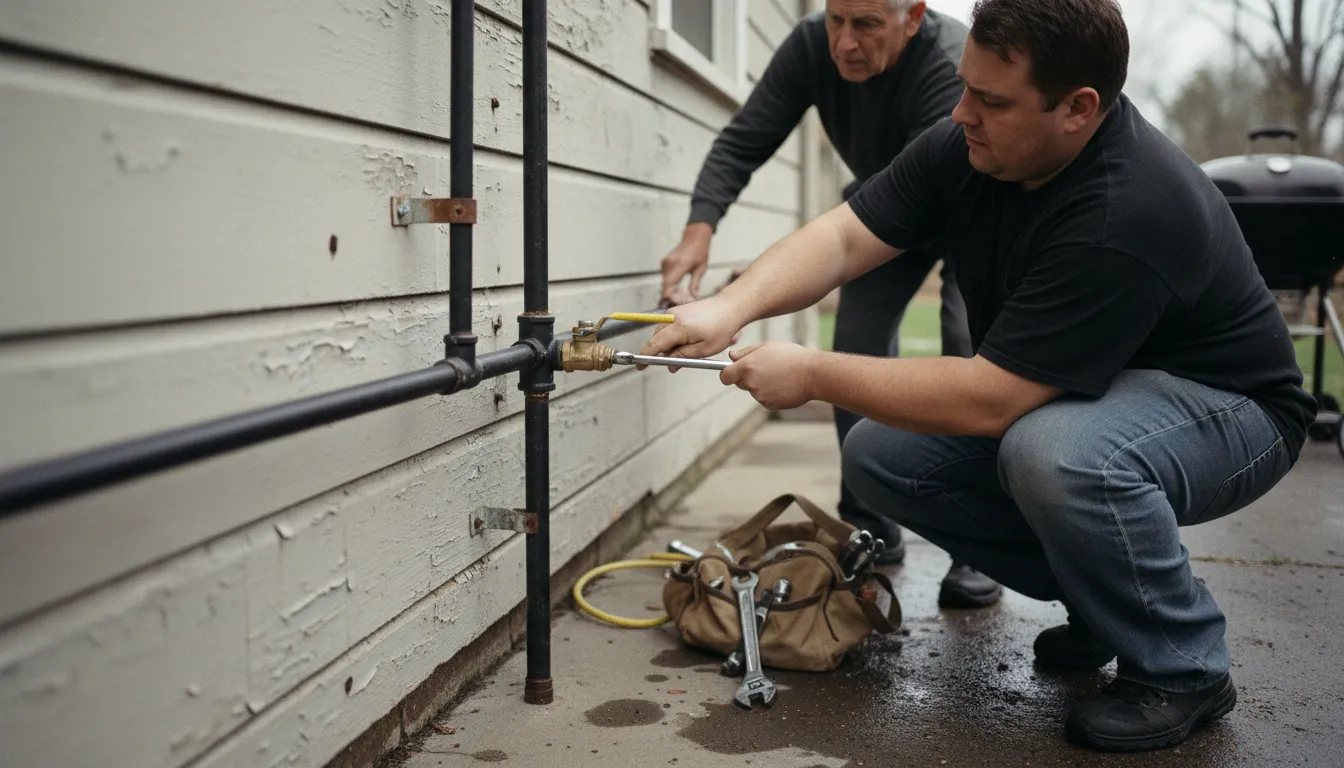
Find the Best Gas Line Plumbing Companies for Your Business
No obligation • Fast responses • Nationwide coverage

Why you can trust Search a Plumber
Search a Plumber is a leading United States resource for finding and evaluating professional plumbing services. Our team researches licensing, experience, and customer feedback to create unbiased, fact-driven overviews. Companies cannot pay to change ratings or placement, ensuring homeowners get trustworthy information.
Search providers near you
Top Gas Line Plumbing Companies in Atlanta, Georgia Ranked
Installing or repairing a gas line is a critical task that directly impacts the safety and functionality of your Atlanta home. This work involves running new piping for appliances like stoves, dryers, or fireplaces, or fixing existing lines that may be leaking or undersized. Due to the inherent dangers of natural gas, this is not a project for DIY enthusiasts; it requires licensed professionals who understand local codes, secure the necessary permits, and perform rigorous safety testing. This guide will help you understand the process, regulations, and key considerations for finding qualified specialists in Atlanta to ensure your gas piping project is completed safely and correctly.
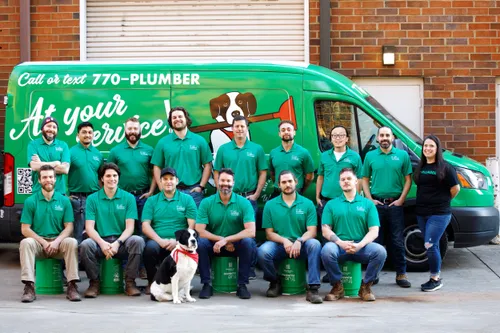
True Plumbing
2650 Pleasantdale Rd, Doraville, GA 30340
True Plumbing is a plumbing service provider based in Atlanta, GA, offering a wide range of services including sewer camera inspections, water heater repair and installation, drain cleaning, sewer line repair, trenchless sewer repair, leak detection, repiping, gas line installation, and toilet repair. They use advanced tools for leak detection and provide trenchless methods for sewer repairs, helping maintain efficient plumbing systems. Established in 2014, True Plumbing focuses on building lasting customer relationships by educating clients and ensuring peace of mind with their work.
Pike Plumbing
4341 Stilesboro Ln NW, Kennesaw, GA 30152
Pike Plumbing is a family-owned plumbing company serving Atlanta, GA, and surrounding areas since 1984. They provide residential and commercial plumbing services including water heater repair, drain cleaning, sewer line repair, gas line installation, and hydro jetting. Known for handling waterline and sewer line work with a lifetime workmanship warranty, Pike Plumbing offers 24/7 emergency plumbing services to address urgent issues at any time.

Honeycomb Plumbing
Atlanta, GA
Honeycomb Plumbing is a residential plumbing company serving Atlanta, GA, and surrounding counties including Cobb, Fulton, Dekalb, and Gwinnett. Founded this year, the company brings a decade of expertise to a wide range of plumbing services such as water heater installation and maintenance, drain cleaning with camera inspections, water softener and filtration system installation, sump pump repairs, gas line installation, and full repiping projects. They offer 24/7 emergency plumbing services to address urgent issues and prevent property damage.
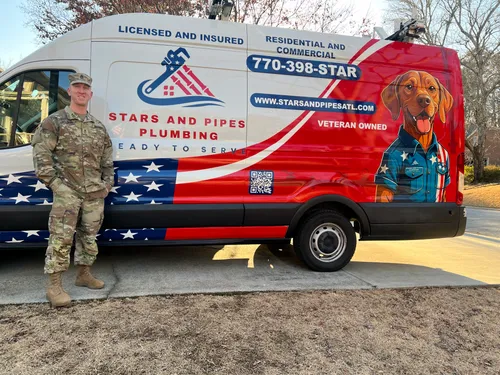
Stars and Pipes Plumbing Atlanta
1014 Parkview Way SW, Lilburn, GA 30047
Stars and Pipes Plumbing Atlanta is a veteran-owned, family-operated plumbing company serving Atlanta, GA, and surrounding counties including Gwinnett, Fulton, and DeKalb. They provide a range of plumbing services such as sewer camera inspections, water heater repair and installation, water softener installation, drain cleaning, hydro jetting, sewer line repair, and gas line installation. Their licensed plumbers use advanced equipment like hydro-jetting and video inspection to diagnose and resolve drainage issues efficiently. With over 10 years of experience, Stars and Pipes Plumbing Atlanta offers certified gas line installations that meet local safety standards and codes.
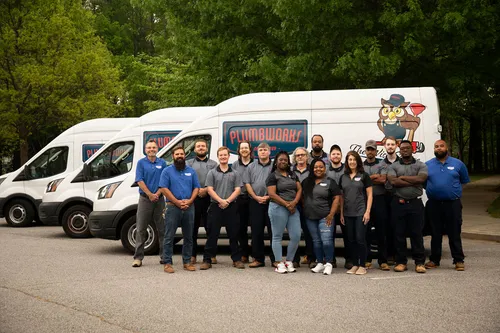
Plumb Works Inc.
3116 Chestnut Dr #101, Atlanta, GA 30340
Plumb Works Inc. is a plumbing company serving the Atlanta, GA area since 1989. They provide a wide range of residential, commercial, and underground plumbing services including sewer camera inspections, water heater repair and installation, sump pump repair, drain cleaning, hydro jetting, sewer line repair, trenchless sewer repair, leak detection, repiping, gas line installation, toilet repair, and garbage disposal repair. The company offers specialized sewer line camera inspections to identify underground pipe issues and provides detailed reports with repair recommendations. Plumb Works also offers emergency plumbing services to address urgent plumbing problems promptly.
Understanding Atlanta's Gas Line Regulations
In Atlanta, all gas line installation and repair work is strictly regulated to ensure public safety. The city mandates that any new gas piping or significant modifications must be performed by a licensed professional and approved through a formal permitting and inspection process 1.
The work must comply with the International Fuel Gas Code (IFGC), which has specific amendments for the state of Georgia. These codes dictate everything from the type of materials allowed to the minimum burial depth for underground lines and the required pressure tests. Attempting this work without a permit is illegal and incredibly dangerous, as it bypasses the essential inspection that verifies the system is leak-free and installed to code.
The Mandatory Permit Process
Before any work begins, your chosen contractor must secure a permit from the City of Atlanta's Office of Buildings. This is typically done through the Accela Citizen portal accessible via ATL311. The permit process ensures the city has a record of the work and that the proposed plans meet all safety standards. After installation, a city inspector will visit your property to verify the gas line installation adheres to code before authorizing the system to be activated. This critical step is your assurance that the work has been done properly.
The Professional Gas Line Installation Process
A professional gas piping project follows a meticulous, multi-step sequence designed for safety and longevity.
1. Initial Assessment and Planning A qualified technician will first assess your needs. They determine the correct pipe size (common residential sizes are 1/2" or 3/4" for appliance lines) based on the gas demand of your appliances and the length of the run2. They also plan the route, selecting appropriate materials like black iron steel pipe or Corrugated Stainless Steel Tubing (CSST), which is flexible and often used for retrofits.
2. Calling 811 and Trenching For any underground work, Georgia law requires you to "Call 811 Before You Dig." This free service has utility companies mark the locations of existing underground lines to prevent catastrophic strikes3 4. Once marked, trenching can begin. Code typically requires a minimum depth of 18 inches for buried steel pipe 3. For deeper trenches, especially those five feet or more, OSHA regulations and best practices require protective systems like shoring to prevent cave-ins5.
3. Pipe Installation and Support The gas pipes are installed in the trench or along interior walls. They must be properly supported-usually every 6 to 10 feet-to prevent sagging and stress. All connections are sealed using gas-rated thread sealant or tape, never standard plumbing compounds. Professionals also maintain proper clearance from electrical lines and other utilities.
4. The Critical Pressure Test The most crucial safety step is the pressure test. After the system is connected but before it is connected to the gas meter, the installer will pressurize the new lines with air (often at 10 psi or more) and monitor the pressure gauge for a set period, such as 15 minutes6. Any drop in pressure indicates a leak that must be found and sealed. This test is what the city inspector will verify before signing off on the permit.
Find the perfect gas line plumbing companies for your needs
Get personalized recommendations and expert advice
Safety: The Non-Negotiable Priority
Gas line work is inherently hazardous. Natural gas is flammable, and leaks can lead to fire, explosion, or carbon monoxide poisoning. This is why professionals emphasize that gas line installation and repair is never a do-it-yourself project.
Homeowners should be aware of the warning signs of a gas leak:
- The distinctive "rotten egg" odor added to natural gas.
- A hissing or whistling sound near a gas line.
- Unhealthy or dead vegetation in an otherwise moist area over a buried line.
- Unexplained increases in your gas bill 7.
If you suspect a leak, leave the area immediately, avoid using any electrical switches or open flames, and call your gas company or a licensed plumber from a safe distance.
Material Choices for Gas Piping
Your professional will select the right material for your specific application in Atlanta:
- Black Iron Pipe: The traditional, rigid steel pipe. Highly durable and commonly used for exposed interior runs and underground applications when properly protected from corrosion8.
- Corrugated Stainless Steel Tubing (CSST): A flexible, yellow-jacketed tubing that is easier to install in tight spaces and for retrofits. It must be properly bonded and grounded to mitigate lightning strike risks9 10.
- Copper: Sometimes used in certain applications, though local code amendments will specify if and where it is permitted11.
The choice depends on the project's scope, local code, and the installer's expert judgment.
Understanding Costs for Gas Line Projects
The cost of running a new gas line or repairing an existing one in Atlanta varies significantly. There is no flat fee, as pricing depends on:
- Project Complexity: Running a line 10 feet to a new kitchen stove is far less involved than running one 50 feet across a yard to a new fire pit.
- Materials: The type and diameter of pipe used.
- Labor: The time required for trenching, installation, and testing.
- Permits: The fees required by the City of Atlanta.
- Trenching: Excavation is often the most labor-intensive part of an underground project and adds considerable cost12.
While national averages for simple appliance hookups might range from $500 to $1,000 or more, the only way to get an accurate cost is through an on-site consultation with a licensed professional who can assess your specific situation13 14.
Finding the Right Professional in Atlanta
When searching for gas line services, ensure the contractor is:
- Licensed: They must hold a valid Georgia state license for plumbing or gas fitting.
- Insured: They should carry liability and workers' compensation insurance.
- Permit-Savvy: They should handle the entire ATL311 permit process for you.
- Experienced: Look for companies with specific, proven experience in gas line installation and repair.
A reputable pro will provide a detailed plan, a clear quote, and will never suggest bypassing the permit or inspection process. Their expertise is your best guarantee of a safe, code-compliant, and reliable gas system for your home.
Frequently asked questions
Sources
Footnotes
-
Gas Line Installation in Atlanta, GA - https://www.atlplumbingcompany.com/plumbing-services/gas-line-installation/ ↩
-
Gas Line Installation: What You Need to Know - https://www.pasoroblesheating.com/gas-line-installation-what-you-need-to-know-before-starting-your-project/ ↩
-
How to Install Natural Gas Lines Safely and Correctly - https://bluegasexpress.com/how-to-install-natural-gas-lines/ ↩ ↩2
-
Frequently Asked Questions - CivicPlus.CMS.FAQ - https://www.rpvca.gov/faq.aspx?TID=40 ↩
-
WWW.GEORGIA.ASSE.ORG TRENCH SAFETY MINIMUM ... - https://www.reevescc.com/wp-content/uploads/2019/11/Trench-Safety-Best-Practices-English.pdf ↩
-
Process of Gas Line Installation: The Step-by-Step From ... - https://www.atlplumbingskills.com/blog/process-of-gas-line-installation-the-step-by-step-from-planning-to-completion ↩
-
Gas Line Installation - Quality Plumbing - https://qualityplumbing.cc/gas-line-installation-what-homeowners-need-to-know/ ↩
-
Expert Gas Line Services in Atlanta, GA - https://www.rsandrews.com/plumbing/gas-lines/ ↩
-
Proper Gas Line Installation - High Priority Plumbing - https://highpriorityplumbing.com/proper-gas-line-installation/ ↩
-
Gas Line Repairs and Installations: What Homeowners Need ... - https://zeekplumbing.com/gas-line-repairs-and-installations-what-homeowners-need-to-know/ ↩
-
Office of Buildings - Electrical, HVAC or Plumbing Permits - ATL311 - https://www.atl311.com/en-us/knowledgearticle/?code=KB0012499 ↩
-
Gas Line Installation & Repair in Atlanta, GA - https://www.pvhvac.com/plumbing/gas-line-installation/ ↩
-
Gas Line Installation & Repair Peachtree City - https://fitzgeraldplumbing.com/services/gas-lines/ ↩
-
New Gas Line Installation Cost: Natural Gas Piping Supplies & ... - https://www.superbrothers.com/new-gas-line-installation-cost-natural-gas-piping-supplies-custom-piping/ ↩