Find the Best Gas Line Plumbing Companies for Your Business
No obligation • Fast responses • Nationwide coverage

Why you can trust Search a Plumber
Search a Plumber is a leading United States resource for finding and evaluating professional plumbing services. Our team researches licensing, experience, and customer feedback to create unbiased, fact-driven overviews. Companies cannot pay to change ratings or placement, ensuring homeowners get trustworthy information.
Search providers near you
Top Gas Line Plumbing Companies in West Covina, California Ranked
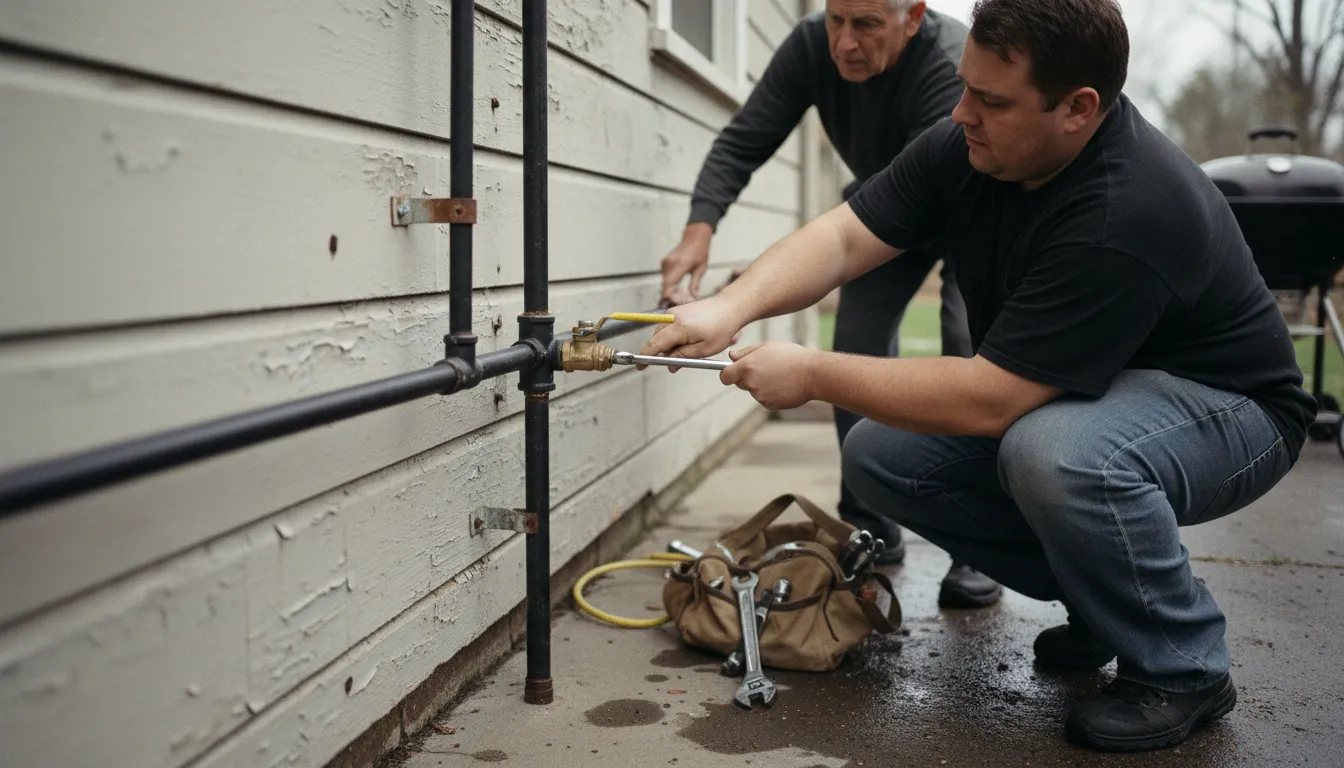
Installing or repairing a gas line is a critical home improvement project that directly impacts the safety and functionality of your property. Whether you're adding a gas fireplace, upgrading an outdoor kitchen, or addressing a leak, this work involves high-pressure systems that require expert handling. In West Covina, all gas piping work must be performed by a licensed professional and follow strict local and state codes to ensure the safety of your household and community. This guide will help you understand the process, regulations, and key considerations for finding qualified specialists for your gas line project.
Carlson Plumbing Pros
17150 Newhope St Suite 301-302, Fountain Valley, CA 92708
Carlson Plumbing Pros is a licensed plumbing company serving Santa Ana, CA, and the broader Orange County area. They offer a wide range of plumbing services including water heater repair, water softener installation, drain cleaning, sewer line repair, leak detection, repiping, and gas line installation. With over 20 years of experience, they provide skilled plumbing solutions and are equipped to handle emergencies with 24/7 availability.
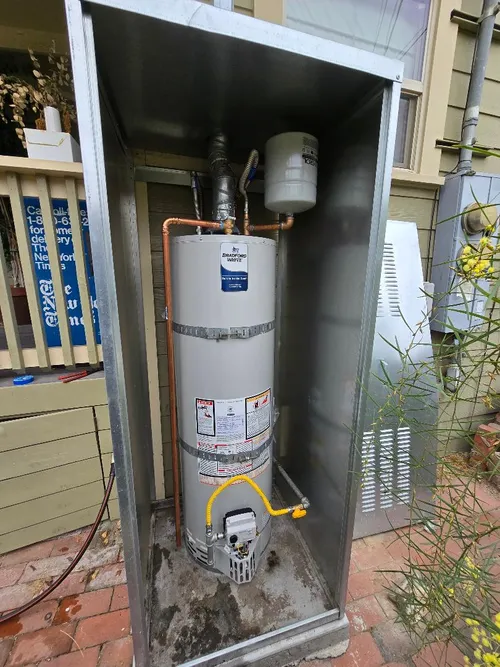
DX Plumbing and Hydro Jetting Inc🔧
10940 Wilshire Blvd Ste 1600-PMB #818, Los Angeles, CA 90024
DX Plumbing and Hydro Jetting Inc is a family-owned plumbing company serving Los Angeles, CA. They offer a range of services including water heater repair and installation, drain cleaning, hydro jetting, and gas line installation. The company uses advanced technology for drain inspections and focuses on quality and attention to detail in every job. With over a decade of experience, DX Plumbing emphasizes honesty and professionalism in addressing plumbing issues from minor repairs to major pipe replacements.
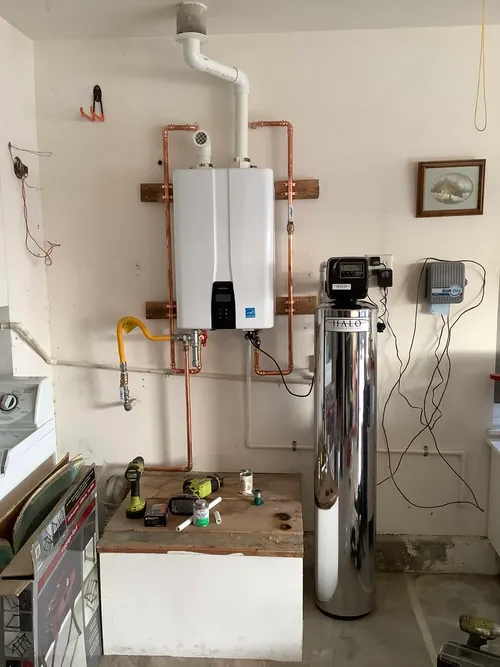
SoCal Plumbing & Rooter Inc.
420 W Lambert Rd suite f, Brea, CA 92821
SoCal Plumbing & Rooter Inc. is a full-service plumbing company serving Anaheim, CA, and the surrounding Orange County area. They provide a wide range of plumbing services including sewer camera inspections, water heater repair and installation, drain cleaning, hydro jetting, leak detection, repiping, gas line installation, and sewer line repair with trenchless methods. The company offers 24/7 emergency plumbing services to address urgent issues such as burst pipes, overflowing toilets, and sewer backups. Their expertise includes advanced leak detection and hydro jetting to clear stubborn clogs and maintain plumbing system efficiency. SoCal Plumbing & Rooter Inc. is fully licensed and insured, committed to meeting industry standards and local codes.
DeVinney Plumbing, Inc.
7501 Slater Ave L, Huntington Beach, CA 92647
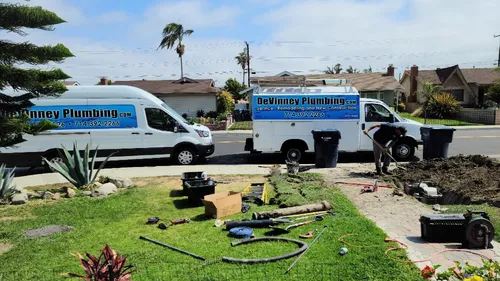
DeVinney Plumbing, Inc. is a family-owned plumbing company serving Santa Ana, CA, and the surrounding Orange County area. With 40 years of experience, they provide a wide range of residential and commercial plumbing services including water heater installation and repair, tankless water heaters, water softener installation, drain cleaning, sewer line repair, leak detection, and gas line installation. They specialize in challenging issues like underground water leaks, gas leaks, and slab leaks. Their advanced electronic leak detection helps locate hidden leaks efficiently, minimizing damage and repair costs.
Plumbing Service Solutions - Harbor City
25843 Frampton Ave, Harbor City, CA 90710
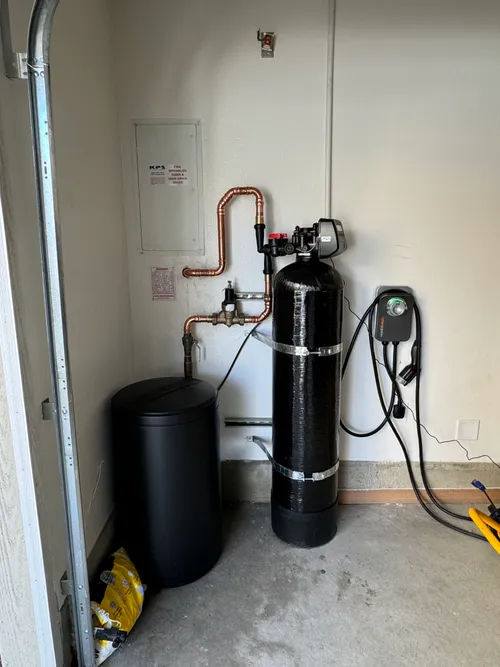
Plumbing Service Solutions - Harbor City offers a wide range of plumbing services in Long Beach, CA, including water heater repair and installation, sump pump repair, drain cleaning, sewer line repair, and gas line installation. They serve both residential and commercial customers in the South Bay Area with expertise in trenchless sewer repair and hydro jetting. The team uses modern tools and technology to deliver lasting plumbing solutions and is available 24/7 for emergencies.
Understanding Gas Line Services
Gas line services encompass a range of specialized tasks, from running a new fuel line for an appliance to repairing a damaged section of pipe. This work is distinct from standard plumbing because it deals with pressurized natural gas or propane, which carries significant risk if not handled correctly. Professionals in this field are often referred to as gas fitters or gas piping contractors, and they possess specific certifications beyond a standard plumbing license to work on fuel gas systems.
In West Covina, common projects include:
- New Appliance Hookups: Installing lines for tankless water heaters, stoves, dryers, fire pits, or pool heaters.
- Gas Line Extensions: Moving or adding a line to support a home addition or remodel.
- Leak Repairs: Diagnosing and fixing leaks at connections, valves, or along the pipe run.
- System Upgrades: Replacing old, corroded black iron pipes with modern, flexible corrugated stainless steel tubing (CSST).
- Emergency Shut-Off Valve Installation: Adding accessible valves or seismic (earthquake) shut-off valves for enhanced safety.
The Critical Role of Permits and Inspections
One of the most important aspects of gas line work in West Covina is navigating the permit and inspection process. This system exists to verify that all installations meet the safety standards of the California Plumbing Code and local amendments.
Why Permits are Non-Negotiable: A permit is legally required for nearly all gas line installation and repair work. It initiates an official record with the city and schedules the mandatory inspections that ensure the job is done safely. Working without a permit can result in fines, complications when selling your home, and most dangerously, an unchecked hazardous condition.
The Process: Your licensed contractor will typically handle the permit application on your behalf. They will submit plans or details of the work to the City of West Covina's Building and Safety Division (or Los Angeles County for certain jurisdictional areas). The city reviews these plans for code compliance in a step often called "Plan Check." Once approved, the permit is issued, and the work can begin.
Mandatory Inspections: The city inspector will visit your property at key stages. Common inspection points include after the pipe is installed but before it is buried or enclosed, and after pressure testing. A final inspection is required to officially close out the project 1. This layered oversight is your best assurance of a safe, code-compliant installation.
Step-by-Step: The Professional Installation Process
A professional gas line installation follows a meticulous sequence designed for safety and longevity. Here's what you can expect when you hire a qualified expert in West Covina.
- Planning and Design: The contractor assesses the route from the gas meter to the new appliance, considering obstacles, required pipe size, and the best materials for the job.
- Calling 811 (Dig Alert): This is the law. Before any digging, your contractor will call 811 at least two working days in advance. This free service notifies all relevant utilities (like SoCalGas) to come to your property and mark the location of their underground lines with paint or flags 2. Private gas lines are typically buried 18 to 24 inches deep, but depths can vary under driveways or in other specific conditions3.
- Excavation: Trenches are dug along the planned route. For complex paths under landscaping or driveways, contractors may use trenchless methods like directional drilling to minimize surface disruption.
- Pipe Installation: Approved piping material-such as black iron, copper (for certain applications), or CSST-is laid in the trench. A tracer wire is often installed alongside plastic piping to allow for easy electronic locating in the future4.
- Connections and Valves: The new line is connected to the main meter and the appliance, with the installation of accessible shut-off valves at key points.
- Pressure Testing: This is a crucial safety step. The plumber will pressurize the sealed system with air or an inert gas and monitor the gauge for any drop, which would indicate a leak. All connections are checked with leak detection solution or electronic detectors.
- City Inspection: The inspector verifies the installation, including pipe material, depth, support, and the results of the pressure test.
- Backfill and Restoration: Once the installation passes inspection, the trenches are carefully filled and compacted. The contractor will then restore the surface as agreed, whether it's sod, concrete, or paving.
Find the perfect gas line plumbing companies for your needs
Get personalized recommendations and expert advice
Safety Must Be the Top Priority
Gas line work is inherently dangerous and should never be a do-it-yourself project. The risks of explosion, fire, and carbon monoxide poisoning are too great. Licensed professionals are trained to handle these risks and use precise techniques and tools.
Key Safety Practices:
- Licensed Professionals Only: Always verify that your contractor holds a valid C-36 Plumbing license and any additional local certification for gas fitting.
- Use of Approved Materials: Only materials listed for fuel gas use by code (like specific types of CSST or black iron) can be installed. Your professional will know what is approved for your specific application 5.
- Comprehensive Leak Checks: Professionals use electronic gas leak detectors that can pinpoint even tiny leaks that soap-and-water tests might miss 6.
- Earthquake Preparedness: Given California's seismic activity, discussing the installation of an automatic seismic gas shut-off valve is a wise consideration for added safety7.
Understanding Costs for Gas Line Projects
The cost of gas line work in West Covina varies widely based on the project's scope and complexity. It's best to get detailed, written estimates from multiple licensed contractors.
Primary Cost Factors:
- Labor: Professional rates typically range from $45 to $200 or more per hour, though many jobs are quoted as a flat project fee.
- Trenching/Excavation: This is often a major cost driver. Trenching can cost between $5 and $12 per linear foot, and the expense increases significantly if the route is long, requires rock breaking, or must go under driveways or sidewalks.
- Materials: The type and diameter of the pipe, along with fittings, valves, and connectors, affect material costs.
- Permits and Inspections: Your contractor's quote should include all associated city permit fees.
Cost Ranges: A simple, short run to connect a new stove might start in the hundreds of dollars. A more complex project, like running a new line 50 feet across a yard to a pool heater or outdoor kitchen, can easily cost $2,000 or more once labor, trenching, materials, and permits are accounted for8 9 10.
Choosing the Right Professional in West Covina
Selecting the right contractor is your most important decision. Look for a specialist with a proven track record in gas line installation and repair. They should be happy to provide their state license number for you to verify online, carry ample insurance, and offer clear, detailed written estimates. A reputable professional will also proactively discuss the permit process, the 811 call, and the inspection timeline, demonstrating their knowledge of local requirements in West Covina.
Frequently asked questions
Sources
Footnotes
-
What to Know About Plumbing Permits in LA County - https://ritzplumbing.com/what-to-know-about-plumbing-permits-in-la-county/ ↩
-
811 & Safety Tips for Contractors & Excavators - Socalgas - https://www.socalgas.com/safety/safety-and-prevention/digging-and-yard-safety/contractors ↩
-
How Deep Are Gas Lines Buried? - J.D. Power - https://www.jdpower.com/cars/shopping-guides/how-deep-are-gas-lines-buried ↩
-
Underground Gas Line - GasGuys.ca Inc. - https://www.gasguys.ca/underground-gas-lines/ ↩
-
Gas Line Installation & Replacement in Covina, CA | Ace Pelizon - https://www.acepelizon.com/plumbing/gas-line-installation-replacement/ ↩
-
Gas Line Repair | Covina, CA - Courtesy Plumbing - https://courtesyplumbers.com/gas-line-repair/ ↩
-
Expert Gas Line Repair Services in West Covina, CA - https://danielcordovaplumbing.com/west-covina-plumbing/gas-line-repair/ ↩
-
Natural Gas Line Installation: Safety Tips and Permits in California - https://www.aloha-plumbinghvac.com/natural-gas-line-installation/ ↩
-
How Much Does It Cost to Install a Gas Line? [2025 Data] - https://www.homeadvisor.com/cost/plumbing/install-or-repair-gas-pipes/ ↩
-
Gas Line Installation Cost: 2023 Guide - https://www.superbrothers.com/gas-line-installation-cost-2023-guide/ ↩