Find the Best Gas Line Plumbing Companies for Your Business
No obligation • Fast responses • Nationwide coverage

Why you can trust Search a Plumber
Search a Plumber is a leading United States resource for finding and evaluating professional plumbing services. Our team researches licensing, experience, and customer feedback to create unbiased, fact-driven overviews. Companies cannot pay to change ratings or placement, ensuring homeowners get trustworthy information.
Search providers near you
Top Gas Line Plumbing Companies in San Francisco, California Ranked
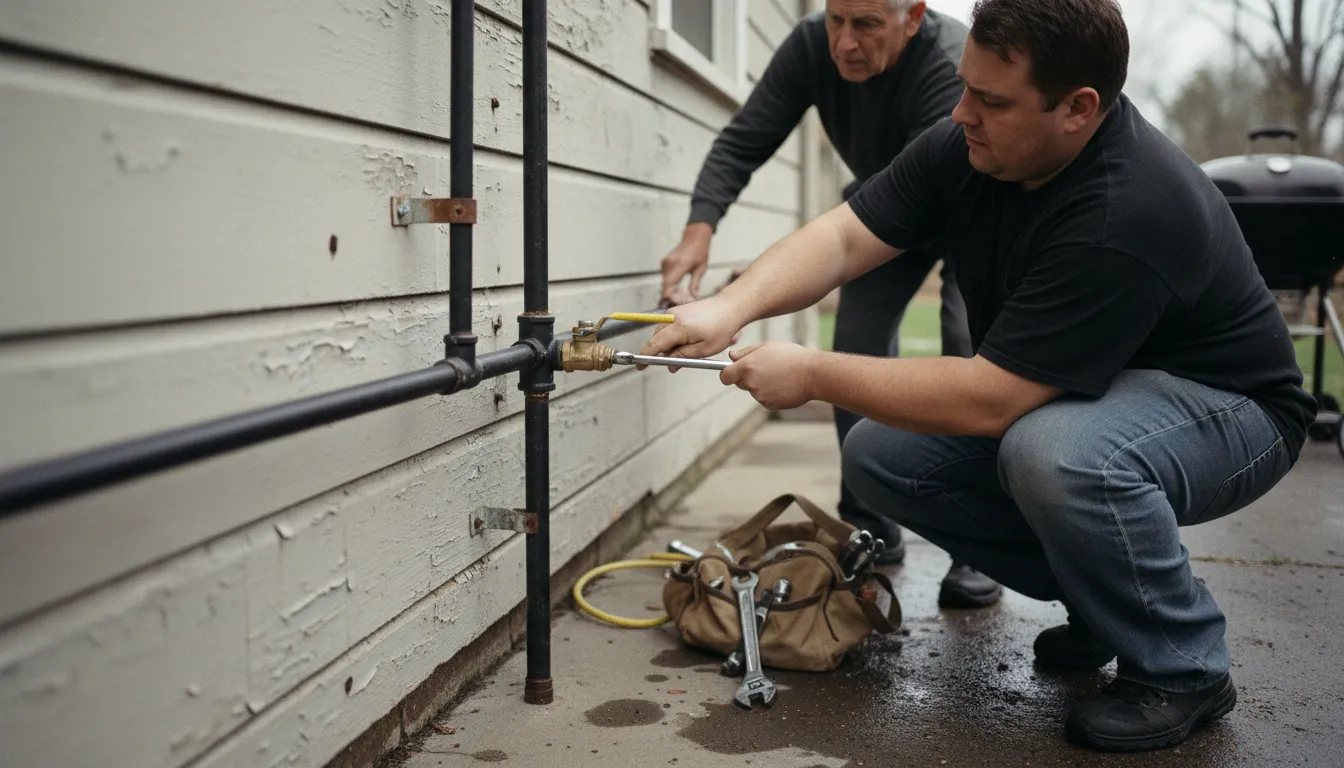
Installing or repairing a gas line is a critical project that directly impacts the safety and functionality of your San Francisco home. This work involves running pipes to supply natural gas to appliances like furnaces, water heaters, ranges, and fireplaces. Given the inherent risks of working with natural gas, proper installation and adherence to strict local codes are paramount. This guide explains the process, regulations, and key considerations for gas piping projects in San Francisco, helping you understand what's required to connect with qualified local professionals for this specialized work.
Roto-Rooter Plumbing & Water Cleanup
1780 Whipple Rd Ste 203G, Union City, CA 94587
Roto-Rooter Plumbing & Water Cleanup provides comprehensive plumbing services in San Jose, CA, specializing in residential and commercial plumbing solutions. Their offerings include sewer and drain cleaning, water heater repair and installation, leak detection, gas line installation, and trenchless sewer repair. The company is equipped to handle emergency plumbing situations with 24/7 availability, ensuring prompt response to issues like burst pipes and sewer backups. With extensive experience and advanced technology, Roto-Rooter addresses complex plumbing challenges efficiently. They also offer floodwater cleanup and mold remediation services, supporting property restoration after water damage. Serving the San Jose area and nearby communities, Roto-Rooter is a licensed and insured provider known for its broad range of plumbing capabilities and emergency service availability.
Service Pros Plumbers, Inc.
1320 Willow Pass Rd, Concord, CA 94520
Service Pros Plumbers, Inc. is a family-owned plumbing company serving Oakland, CA, with over 25 years of experience. They provide a wide range of plumbing services for residential and commercial customers, including water heater repair and installation, drain cleaning, sewer line replacement with trenchless options, leak detection, and gas line installation. Their licensed plumbers also offer whole-house repiping to improve water pressure and system efficiency. Service Pros Plumbers offers 24/7 emergency plumbing services to address urgent issues such as burst pipes and clogged drains promptly.
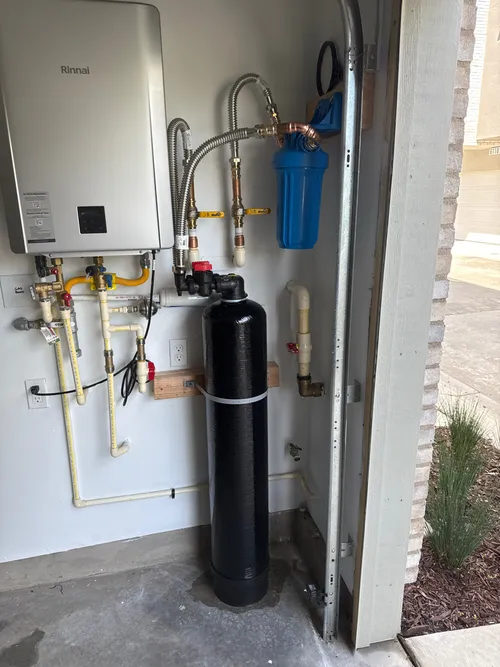
Polis Plumbing Inc
Oakland, CA
Polis Plumbing Inc is a licensed and insured plumbing company serving Oakland, CA. They provide residential and commercial plumbing services, including water heater installation and repair, tankless water heater services, water softener and filtration system installation, and gas line installation and repair. The company focuses on delivering customized plumbing solutions and maintaining trusted relationships with customers. Polis Plumbing Inc is equipped to handle a wide range of plumbing needs with a commitment to accuracy and efficiency.
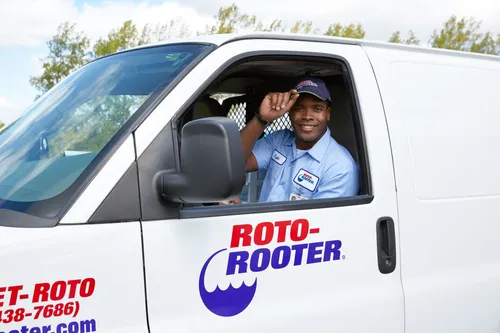
Roto-Rooter Plumbing & Water Cleanup
1070 Marina Village Pkwy UNIT 202, Alameda, CA 94501
Roto-Rooter Plumbing & Water Cleanup provides comprehensive plumbing services in San Francisco, CA, specializing in residential and commercial plumbing solutions. Their offerings include sewer and drain cleaning, water heater repair and installation, leak detection, sewer line repair using trenchless methods, and emergency flood cleanup. The company uses advanced equipment like hydro-jetting to address complex plumbing issues efficiently. Serving Alameda and nearby counties, Roto-Rooter is available 24/7 for emergency plumbing needs, ensuring prompt response to urgent situations.
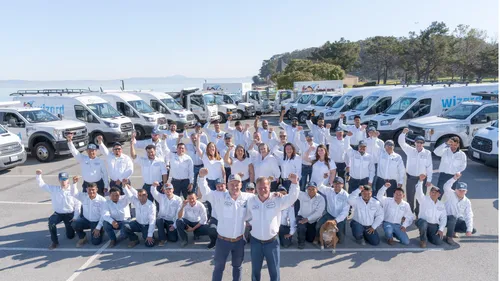
Caccia Home Services
1660 Gilbreth Rd, Burlingame, CA 94010
Caccia Home Services is a plumbing and home services provider based in Oakland, CA. They offer a wide range of plumbing solutions including water heater repair and installation, tankless water heaters, water softener installation, sump pump repair, hydro jetting, sewer line repair, trenchless sewer services, repiping, gas line installation, toilet and garbage disposal repairs. Their capabilities include advanced hydro jetting and trenchless sewer repair techniques. The company also provides emergency plumbing services and water treatment options.
Understanding San Francisco's Gas Line Regulations
Gas line work in San Francisco is heavily regulated to ensure public safety, especially in a dense, seismically active urban environment. The city has specific mandates that go beyond California's statewide building codes.
Permits are non-negotiable. Any installation, relocation, or replacement of gas piping requires a permit from the San Francisco Department of Building Inspection (DBI). The process is designed to ensure the work is planned and executed correctly from start to finish. For most homeowners, hiring a licensed C-36 plumbing contractor is required. The city does allow owner-installers to pull a permit, but this is typically only permitted for qualified individuals working on a stand-alone single-family home 1. Given the complexity and risk, professional installation is strongly advised.
A crucial partner in this process is PG&E, the local gas utility. They own the meter and the service line up to it. After your licensed contractor completes the installation and passes the city's rough-in inspection (including a pressure test), DBI will issue a "green tag". Only with this green tag will PG&E schedule to connect or set the meter, officially activating your new gas line.
The Installation Process: From Trench to Appliance
A professional gas line installation follows a meticulous sequence to ensure safety and longevity.
Planning and Trenching: The project begins with a design that routes the gas line as directly as possible from the meter to the appliance(s). If the line must run underground, trenching is required. The trench depth is critical and varies based on the pipe material; for example, steel pipe typically requires a minimum cover of 18 inches 2. The trench must have a level, stone-free bottom, often with proper bedding material like sand to protect the pipe 3.
Material Selection and Running Pipe: Only materials approved for gas service can be used. Common choices include black iron pipe, copper (where allowed), and flexible Corrugated Stainless Steel Tubing (CSST) 4. CSST is popular for retrofit work due to its flexibility, but it must be properly bonded to prevent electrical arcing. The pipes are carefully fitted together with appropriate joints and sealed.
Testing and Inspection: Before the trench is backfilled or walls are closed, the system must undergo a rigorous pressure test. A standard test involves pressurizing the line to 10 psi for at least 15 minutes while the inspector checks for any pressure drop, which would indicate a leak 5. This "rough-in" inspection is one of two mandatory checks; the final inspection occurs after all appliances are connected and the system is fully operational.
Backfill and Completion: Once the pressurized line passes inspection, the trench can be backfilled with compacted soil or specified material 6. After the entire system is complete and appliances are installed, the final inspection clears the project. The contractor then coordinates with PG&E for the meter connection.
Safety First: Handling Gas Leaks and Earthquake Preparedness
Safety is the overriding concern with any gas system. Natural gas is colorless and odorless, so a sulfur-like odorant (mercaptan) is added to help detect leaks.
If you smell gas, act immediately: Evacuate everyone from the building. Do not use light switches, phones, or any electrical device that could create a spark. Call 911 from a safe location outside, and then call PG&E's emergency line. This is not a situation for DIY investigation.
Seismic Protection is a Must: San Francisco's earthquake risk necessitates special precautions. Gas lines must be securely anchored and have adequate flexibility to withstand ground movement. A crucial safety device is an excess flow valve or an automatic seismic shut-off valve. These valves are designed to automatically stop the flow of gas if a major rupture or significant earthquake occurs, preventing gas from feeding a potential fire 7. A licensed professional will ensure these life-saving devices are correctly installed.
Find the perfect gas line plumbing companies for your needs
Get personalized recommendations and expert advice
Navigating Costs and the All-Electric Mandate
The cost of gas line work in San Francisco varies widely based on the project's scope and complexity 8. Key factors include:
- Permit and Plan Review Fees: DBI charges hourly rates (e.g., $280/hr) for review and inspection services, plus state-mandated fees 9 10.
- Labor: This is a significant portion of the cost, covering the licensed plumber's expertise in design, installation, testing, and managing the permit process.
- Materials: The type and length of pipe, along with fittings, regulators, and mandatory seismic shut-off valves, all contribute to the material cost 11.
- Complexity: Running a simple line for a new gas range is far less involved than trenching across a yard to supply a new pool heater or backup generator. The number of appliances, need for seismic upgrades, and accessibility all affect the final price.
A critical policy to understand is San Francisco's all-electric mandate for new constructions. This ordinance requires most new buildings to forgo natural gas infrastructure entirely in favor of electric appliances 12. This significantly impacts the feasibility of adding new gas lines. If you are in an existing building, you can typically repair or extend existing gas systems, but major new gas infrastructure in new builds is often not permitted. A knowledgeable local professional can advise on whether your project is allowable under current codes.
Why Professional Expertise is Non-Negotiable
Given the regulatory hurdles and severe safety stakes, attempting a gas line project as a DIY endeavor is highly risky and often illegal for non-owners. A licensed San Francisco plumbing contractor provides indispensable value:
- Code Mastery: They navigate the specific requirements of the California Plumbing Code, San Francisco amendments, and PG&E rules.
- Permit Navigation: They handle the entire DBI permit application, plan submission, and inspection scheduling process.
- Proper Installation: They use the correct materials and techniques, ensuring joints are sealed, lines are supported, and seismic protections are in place.
- Safety Assurance: Their work includes rigorous leak testing and final verification that the system operates safely and efficiently.
Investing in professional gas piping services is ultimately an investment in the safety of your home and community, providing peace of mind that the job is done right.
Frequently asked questions
Sources
Footnotes
-
Do You Need a Permit for Gas Line Work in California? - https://magnificentplumbing.com/do-you-need-permit-for-gas-line-work-california/ ↩
-
BUILDING INSPECTION REQUIREMENTS - Contra Costa County - https://www.contracosta.ca.gov/DocumentCenter/View/44633/RESIDENTIAL-GAS-PIPING ↩
-
Trench and Ducting Guide - National Gas - https://www.nationalgas.com/sites/default/files/documents/24763-General,%20Pre-excavation%20and%20Ducting%20Guide.pdf ↩
-
California Code of Regulations, Title 8, Section 536. Piping Standards. - https://www.dir.ca.gov/title8/536.html ↩
-
2022 CALIFORNIA PLUMBING GAS PIPE TESTING - San Bruno - https://www.sanbruno.ca.gov/DocumentCenter/View/4175/2022-Gas-Pipe-Testing ↩
-
A-03 - "Gas Trench Design and Construction" - PG&E - https://www.pge.com/assets/pge/docs/account/service-requests/a-03.pdf ↩
-
Plumber for Gas Line | Repair & Installation | San Francisco - https://www.plumbingpro.com/plumbing/gas-line-repair-and-installation/ ↩
-
Cost to install gas line in San Francisco, CA - https://www.handoff.ai/construction-costs/install-gas-line/san-francisco-ca ↩
-
Apply for a plumbing and mechanical permit - SF.gov - https://www.sf.gov/apply-plumbing-and-mechanical-permit ↩
-
San Francisco Plumbing Permits: When Do You Need One? - https://advancedplumbingsf.com/san-francisco-plumbing-permits/ ↩
-
Gas Line Installation and Repair Service - https://dbhplumbingservice.com/plumbing-services/gas-line-installation-and-repair-service/ ↩
-
A Guide to Natural Gas and Gas Line Repair in San Francisco - https://www.plumbingpro.com/blog/a-guide-to-natural-gas-and-gas-line-repair-in-san-francisco/ ↩