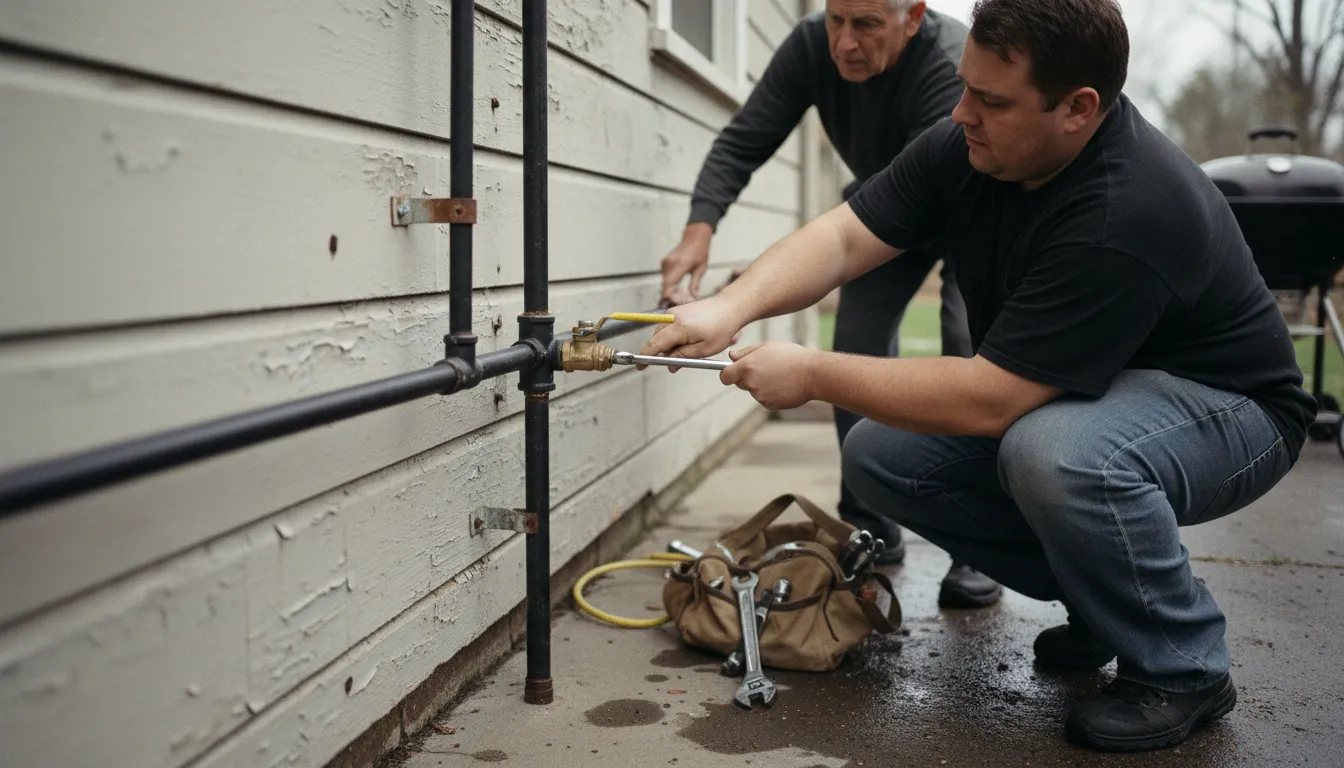
Find the Best Gas Line Plumbing Companies for Your Business
No obligation • Fast responses • Nationwide coverage

Why you can trust Search a Plumber
Search a Plumber is a leading United States resource for finding and evaluating professional plumbing services. Our team researches licensing, experience, and customer feedback to create unbiased, fact-driven overviews. Companies cannot pay to change ratings or placement, ensuring homeowners get trustworthy information.
Search providers near you
Top Gas Line Plumbing Companies in Watsonville, California Ranked
Installing or repairing a gas line is a critical home improvement project that directly impacts the safety and functionality of your property. Proper natural gas piping is essential for powering appliances like furnaces, water heaters, stoves, and fireplaces. For Watsonville residents, navigating the local permit process, material codes, and safety protocols is key to a successful and compliant installation. This guide provides the essential information you need to understand the process, from planning and permitting to final inspection, helping you connect with qualified local professionals.
JB Rooter and Plumbing Inc
2982 Mt Clare Dr, San Jose, CA 95148
JB Rooter and Plumbing Inc is a full-service plumbing company based in San Jose, CA, serving a wide area from San Carlos to Gilroy to Fremont. With over 20 years of experience, they provide a variety of plumbing services including sewer line repair, repiping, and gas line installation. Their team is skilled in handling both residential and commercial plumbing needs, focusing on safe and efficient gas plumbing and expert sewer repairs. JB Rooter and Plumbing Inc is licensed and insured, offering local expertise and competitive pricing to customers across the peninsula.

Gogo Rooter
326 Phelan Ave #B, San Jose, CA 95112
Gogo Rooter is a plumbing service provider based in San Jose, CA, offering a wide range of residential and commercial plumbing solutions. Their services include sewer camera inspections, water heater repair and installation, drain cleaning, leak detection, gas line installation, and toilet repair. They are equipped to handle emergency plumbing situations with 24/7 availability, ensuring prompt assistance whenever needed. Gogo Rooter uses advanced equipment for rooter repair and sewer video inspections, providing thorough diagnostics and effective solutions. The company emphasizes transparent pricing by charging per job rather than by the hour and offers a satisfaction guarantee on their workmanship.
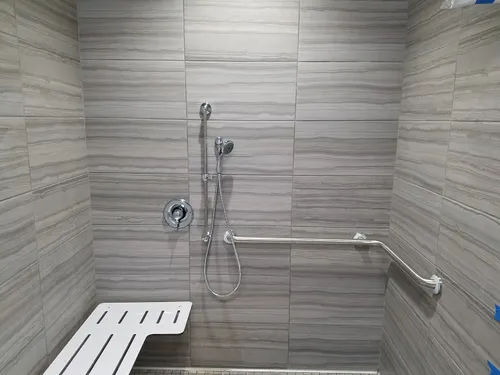
Advanced Quality Plumbing & Rooter
7052 Santa Teresa Blvd #77, San Jose, CA 95139
Advanced Quality Plumbing & Rooter is a plumbing service provider based in San Jose, CA. They offer a wide range of plumbing solutions including water heater repair and installation, sewer camera inspections, hydro jetting, drain cleaning, sump pump repair, leak detection, repiping, and gas line installation. Their capabilities include high-quality 4K video pipe inspections and high-pressure hydro jetting with advanced tip technology. The company emphasizes craftsmanship and staying updated with the latest plumbing technologies to ensure thorough and reliable service.
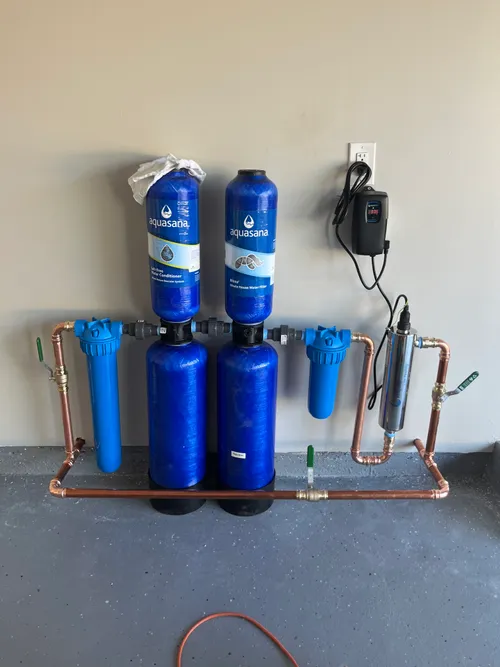
Moor Trenchless Plumbing Inc.
4170 Camden Ave, San Jose, CA 95124
Moor Trenchless Plumbing Inc. is a plumbing contractor based in San Jose, CA, specializing in sewer camera inspections, sewer line repairs, trenchless sewer repair, leak detection, repiping, and gas line installations. They focus on trenchless techniques that minimize yard damage during water, gas, and sewer line replacements. With over 16 years of experience, Moor Trenchless Plumbing offers thorough inspections and full line replacements while preserving property aesthetics. Their services cover both residential and utility plumbing needs in the San Jose area.
All Go Plumbing and Rooter
1033 Willow St, San Jose, CA 95125
All Go Plumbing and Rooter is a plumbing company serving San Jose, CA, and surrounding cities. They offer a wide range of services including sewer camera inspections, water heater repair and installation, drain cleaning, hydro jetting, sewer line repair, leak detection, repiping, gas line installation, toilet repair, and garbage disposal repair. The company is equipped to handle both small repairs and large projects such as whole house repiping and new gas line installations. They provide emergency plumbing services and are available 24/7 to assist with urgent plumbing issues. One notable capability is their use of plumbing video camera inspections to accurately diagnose pipe problems and plan effective repairs.
Understanding Gas Line Work in Watsonville
Working with natural gas requires strict adherence to safety codes and local regulations. In Watsonville, all new gas line installations and major repairs require oversight from the City's building department. This isn't just bureaucratic red tape; it's a vital layer of protection for your home and neighborhood. A licensed professional ensures the system is leak-free, properly sized for your appliances, and installed with materials approved for use with natural gas. Whether you're adding a gas fireplace, relocating a line for a kitchen remodel, or replacing an old pipe, starting with a clear understanding of the requirements is the first step toward a safe outcome.
Why Permits and Professional Installation Are Non-Negotiable
You might wonder if a permit is truly necessary for running a new gas line. In Watsonville, the answer is a definitive yes. A permit from the City of Watsonville's building department is mandatory for any new gas line work. This process exists to ensure every installation meets the California Plumbing Code and other safety standards. The permit triggers a required inspection by the city after the work is completed, which includes a mandatory pressure test before final approval. Attempting this work without a permit can lead to failed inspections, fines, and the dangerous scenario of an uncertified gas system in your home.
Only licensed contractors are authorized to pull these permits for work they perform. In California, this typically means a contractor holding a C-36 (Plumbing) or C-20 (Warm-Air Heating, Ventilating and Air-Conditioning) license. While homeowners can pull permits for work they do themselves, the complexity and risk involved with gas piping make professional installation highly recommended. Professionals bring expertise in code compliance, proper technique, and the specialized tools needed for pressure testing, providing peace of mind that the job is done safely and correctly.
The Step-by-Step Process for Gas Piping Installation
A professional gas line installation follows a meticulous sequence designed for safety and compliance. Here's an overview of what the process typically entails in Watsonville:
- Planning and Permitting: The contractor will assess the project, determine the correct pipe sizing, and pull the required permit from the City of Watsonville.
- Call 811: Before any digging begins, the contractor (or homeowner) must call 811. This free service alerts utility companies to mark the location of all underground lines-including gas, water, and electric-on your property. This critical step prevents accidents, service disruptions, and severe penalties.
- Excavation: Trenches are dug for the new piping. Code typically requires a minimum depth of 18 inches for standard gas lines, with deeper trenches (often 24 inches) required under driveways or for certain types of service lines 1 2. Proper bedding material is placed in the trench to protect the pipe.
- Material Selection and Installation: Approved materials like black steel pipe or Corrugated Stainless Steel Tubing (CSST) are used. The piping is installed according to code, with proper supports, fittings, and protective sleeves where it passes through walls or foundations.
- Pressure Testing: Before the trench is backfilled, the new line is pressurized with air (commonly to 10 psi for 15 minutes) and checked for any drop in pressure, which would indicate a leak. This test is a mandatory part of the inspection process.
- Backfill and Inspection: Once the pressure test is passed, the trench is carefully backfilled. The installing contractor then schedules the final inspection with the city building department to obtain approval.
Find the perfect gas line plumbing companies for your needs
Get personalized recommendations and expert advice
Critical Safety Protocols and Common Hazards
Gas line safety cannot be overstated. Natural gas is flammable, and leaks pose risks of fire, explosion, and health issues. Adhering to these protocols is essential:
- Never Skip the 811 Call: Striking an unmarked gas line can cause catastrophic damage, injury, and significant financial liability. It's the law, and it's the most important first step in any digging project 3.
- Use Only Approved Materials: Substandard or incorrect piping materials are a major failure point. Materials must be specifically designed and certified for natural gas service.
- Recognize a Gas Leak: Know the signs. The most common is the smell of rotten eggs (an odorant added to gas). You may also hear a hissing sound near a gas line. If you suspect a leak, leave the area immediately and call 911 and your gas utility from a safe distance.
- Trust the Professionals: The risks of DIY gas work far outweigh any potential cost savings. Licensed plumbers have the training to ensure every joint is secure, the system is properly grounded (especially for CSST), and the installation will pass rigorous city inspection 4 5.
Factors Influencing Project Cost
The cost for gas line services in Watsonville varies based on several project-specific factors. There is no flat fee, as each job has unique requirements. When getting estimates from licensed C-36 or C-20 contractors, the following elements will be considered:
- Permits: The city will charge fees for the required permit and inspection 6 7.
- Labor: This is based on the rates of the licensed contractor and the complexity of the installation.
- Materials: The cost differs between black steel pipe and CSST, and will include fittings, valves, and protective coatings.
- Excavation: This can be a significant variable. Cost depends on the length and depth of the trench, soil conditions, and whether mechanical digging is possible or if hand-digging is required near marked utility lines 8 9.
- Complexity: Running a line a short distance in soft soil to a single appliance is less involved than installing a long trench through rocky ground or under a driveway to service multiple appliances.
For accurate pricing tailored to your specific project in Watsonville, you must contact local licensed contractors for detailed quotes.
Working with Utilities and Local Codes
In Watsonville, your gas line project may involve coordination with Pacific Gas and Electric (PGE). If your work involves the gas meter or service line, there are specific requirements and potential coordination needed with the utility 10. Your licensed contractor can help navigate these requirements. All installation work must conform to the California Plumbing Code, which covers everything from pipe sizing and burial depth to pressure testing procedures and material standards 11 12. A reputable professional will be fully versed in these codes, ensuring your system is not only safe today but remains compliant for years to come.
Frequently asked questions
Sources
Footnotes
-
How Deep Are Gas Lines Buried? - J.D. Power - https://www.jdpower.com/cars/shopping-guides/how-deep-are-gas-lines-buried ↩
-
Underground Gas Line - GasGuys.ca Inc. - https://www.gasguys.ca/underground-gas-lines/ ↩
-
811 & Safety Tips for Contractors & Excavators - Socalgas - https://www.socalgas.com/safety/safety-and-prevention/digging-and-yard-safety/contractors ↩
-
A Complete Guide to Gas Line Installation: Tips and Safety Precautions - https://gaeberly.com/gas-line-installation/ ↩
-
Gas Line Installation & Maintenance - Safety, Signs ... - https://www.selectplumbingandheating.ca/importance-of-professional-gas-line-installation-maintenance/ ↩
-
Do You Need a Permit for Gas Line Work in California? Know the Laws - https://magnificentplumbing.com/do-you-need-permit-for-gas-line-work-california/ ↩
-
Natural Gas Line Installation: Safety Tips and Permits in ... - https://www.aloha-plumbinghvac.com/natural-gas-line-installation/ ↩
-
What to Know About Utility Trenching in Northern California: Permits ... - https://www.eurekaearthworks.com/blog/blog-post-title-four-bg4ky-bg9ey ↩
-
Safe digging and 811 FAQ | Black Hills Energy - https://www.blackhillsenergy.com/safe-digging-and-811-faq ↩
-
Electric & Gas Service Requirements - PGE - https://www.pge.com/assets/pge/docs/account/service-requests/greenbook_manual.pdf ↩
-
California Code of Regulations, Title 8, Section 536. Piping Standards. - https://www.dir.ca.gov/title8/536.html ↩
-
BUILDING INSPECTION REQUIREMENTS - https://www.contracosta.ca.gov/DocumentCenter/View/44633/RESIDENTIAL-GAS-PIPING ↩